
Reviewed · THIRD REICH & WWII HISTORY TOURS
Third Reich Walking Tour Munich
Munich has a darker map. This 2.5-hour Third Reich walking tour connects Nazi propaganda to real places in central Munich, with an English-speaking guide who keeps the story clear as you walk. You’re looking at sites that helped power grow in the city where Hitler rose from political presence to national force.
I love that the tour doesn’t stop at symbols. You’ll also make time for memorial moments that honor people who suffered or died opposing the Nazi ideology.
One drawback to plan for: it’s a lot of outdoor walking with heavy themes packed into a short window. If cold weather or long stretches outdoors are tough for you, dress for it and ask for pacing breaks if you need them.
In This Review
- Key highlights you’ll feel on the walk
- Why this tour works in Munich (and what makes it different)
- Getting started at Radius Tours: fast check-in, clear direction
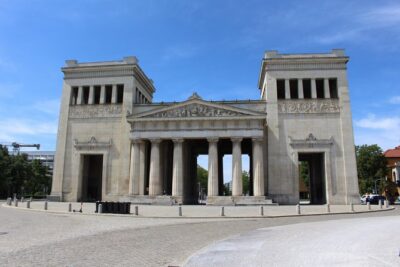
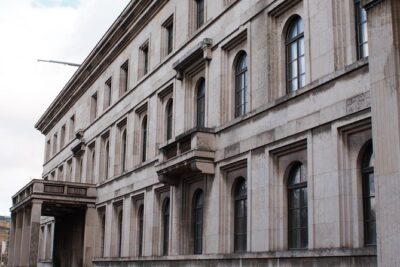
- Königsplatz: when architecture becomes propaganda
- Odeonsplatz marches and memorials: the story moves to the streets
- Hofbräuhaus stop: politics in a place people already liked
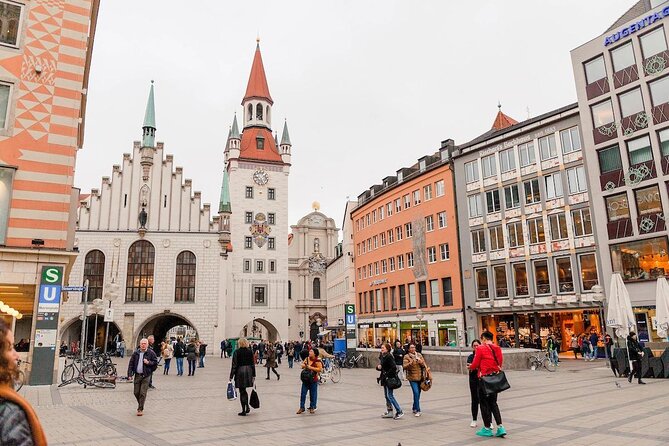
- Old Town Hall: history in plain sight
- Marienplatz finale: time to reflect, then move on
- Guides, pacing, and how to get the most out of 2.5 hours
- Price and value: why $45.95 can be a fair deal
- Who this tour is for (and when it might not fit)
- Should you book the Third Reich Walking Tour in Munich?
- FAQ
- How long is the Third Reich Walking Tour in Munich?
- What does the tour cost?
- Is the tour offered in English?
- Where does the tour start and end?
- Do I need a printed ticket?
- Is this tour mostly outdoors, and does weather matter?
- How many people are in the group?
Key highlights you’ll feel on the walk
- Small group size (up to 25) means real Q&A instead of shouting over a crowd.
- Königsplatz and Odeonsplatz show how public space was used for Nazi messaging and ceremonies.
- A beer hall stop (Hofbräuhaus area) ties politics to everyday social life in the city.
- A respectful memorial thread helps the tour land on remembrance, not just history facts.
- Guides often use photos to help you connect the past to the street in front of you.
- Ending at Marienplatz makes it easy to keep exploring right after the tour.
More walks tracing Munich Third Reich and wartime history
- Munich: Third Reich & WWII Walking Tour★ 4.6 · 6,181 reviews
- Third Reich Walking Tour Munich★ 4.5 · 4,291 reviews
- Munich: Birthplace of the Third Reich Guided Walking Tour★ 4.6 · 771 reviews
- Munich World War II Sites Including Dachau Concentration Camp★ 4.5 · 570 reviews
Why this tour works in Munich (and what makes it different)
Munich is famous for beer halls, palaces, and old-world charm. This tour flips that script by tracing how the Nazi movement used the city as a stage. You’re not just hearing a timeline. You’re walking a route where ideology shows up in architecture, street geography, and the kinds of gathering places that make mass politics possible.
The best part is how the guide frames the rise of the Nazis as a process, not a single moment. You’ll hear about the Nazi propaganda machine and the lead-up to World War II, then connect that to how Munich helped create momentum for Hitler and the Nazi Party. It’s a blunt subject, but the goal is learning: what happened, where it happened, and how public persuasion can be engineered.
Another thing I like: the tour keeps one foot in education and one foot in human impact. In addition to landmark stops, you’ll visit memorials honoring those who suffered or lost their lives under the regime, including people who opposed the hate-filled ideology.
Getting started at Radius Tours: fast check-in, clear direction
You meet at Radius Tours at Dachauer Str. 4, and you’ll go through a quick check-in process before the walk begins. This matters more than it sounds. The topic is emotionally heavy, and a smooth start helps you focus instead of hunting for your group.
The tour includes a local guide and uses a mobile ticket, so you’re not digging through printed confirmations. After you’re sorted, the guide sets the tone and you begin walking through central Munich toward the first key site.
From the practical side: the meeting area is near public transportation, so you can fit it into a normal sightseeing day without stress. And because the group is capped at 25 people, the guide can actually respond to questions as you go.
Königsplatz: when architecture becomes propaganda
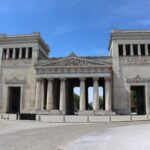
The walk’s first major landmark stop is Königsplatz. In this tour, it’s treated as an important Nazi Party landmark—one of those places where the layout and scale make messages feel bigger than life. Your guide explains why that matters, walking you through what you’re seeing rather than just pointing it out.
You’ll typically spend about 15 minutes here. That’s a good length for this kind of stop: long enough to understand the significance, short enough to keep moving (and keep the group from freezing on a winter day).
The value of this stop isn’t trivia. It’s learning how political theater works in a real city. Once you’ve seen how a location can be used for mass messaging, other European landmarks start to read differently in your head.
More laps of the Altstadt and Marienplatz
- Munich: Old Town & Viktualienmarkt City Walk in German
★ 4.7 · 2,304 reviews - Munich: Night Watchman Walking Tour
★ 4.7 · 2,092 reviews - Munich Ghosts and Spirits Evening Walking Tour
★ 5.0 · 1,900 reviews
Odeonsplatz marches and memorials: the story moves to the streets
Next comes Odeonsplatz, a place the Nazi Party used for marches and memorials. This is where the tour shifts from landmark to movement—how organized public events can normalize an ideology and make it feel like the whole city is participating.
You’ll spend around 30 minutes at this stop, which gives the guide time to connect what you’re seeing to the larger rise of the Nazis. If you’re the type who likes cause-and-effect, this is likely one of your favorite parts. It’s also an emotionally complex stop, so it helps that the guides are trained to keep the tone respectful and grounded.
A practical note: this area is outdoors, so your comfort will depend on the weather. One reviewer-style lesson you should take seriously: if it’s cold, dress warm. You’ll thank yourself mid-walk.
Hofbräuhaus stop: politics in a place people already liked
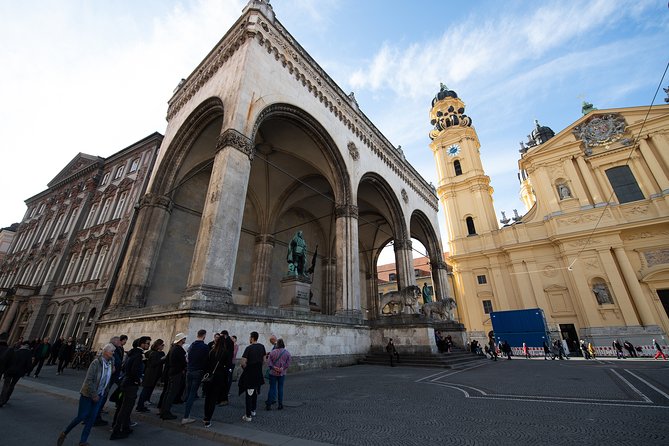
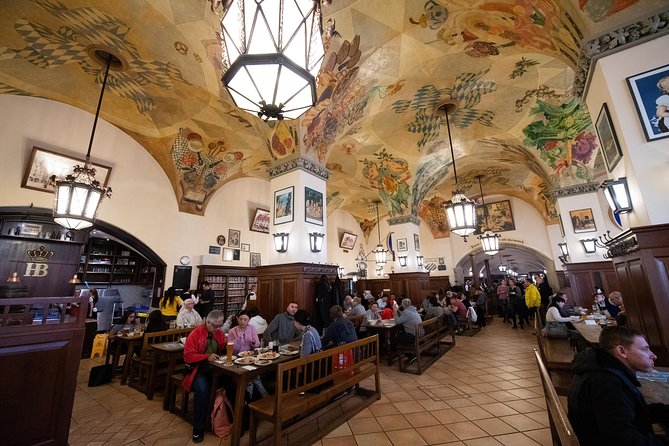
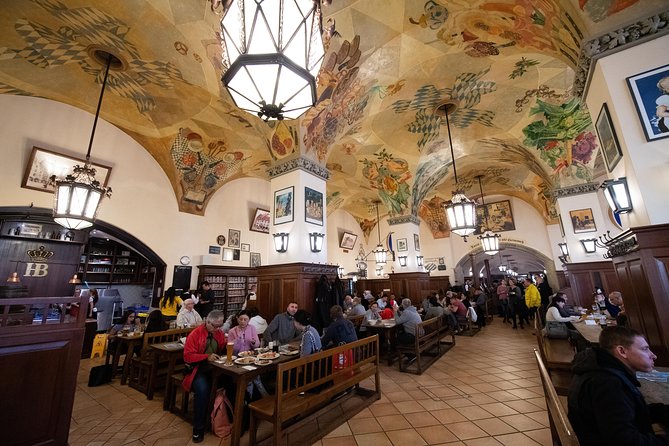
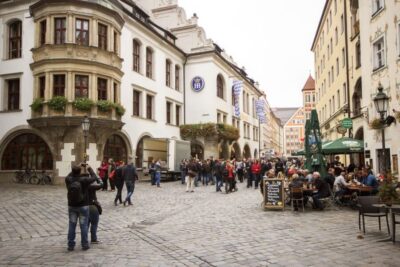
Then you reach Staatliches Hofbräuhaus. Even the Hofbräuhaus is described as an important structure for the Nazi Party on this route. In other words, the tour makes a key point: propaganda doesn’t only live in speeches and pamphlets. It also plugs into social spaces people already gather in.
You’ll usually have about 20 minutes here. That time is enough to understand the significance without turning it into a long stop you’ll regret later, especially since the tour continues toward the city center.
For me, the “why” is what clicks most at this stop. When you see how ideology used a familiar social setting, the story stops feeling abstract. You start to understand how movements can spread by piggybacking on everyday habits.
Old Town Hall: history in plain sight
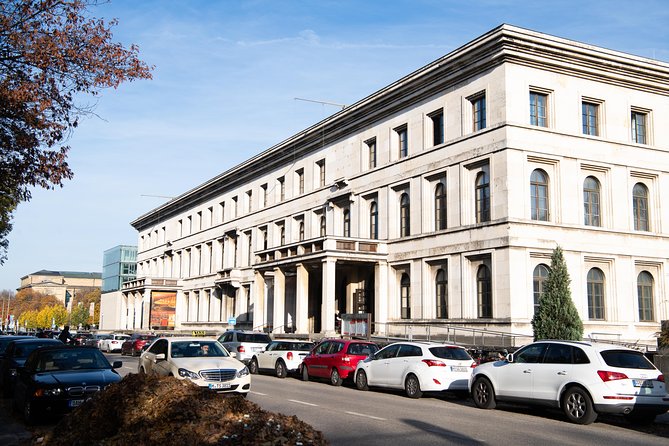
At the Old Town Hall, you’ll get a 15-minute look. This stop is less about one single dramatic event and more about reinforcing how the city’s civic life overlaps with political life.
The guide uses the walk between sites to keep the narrative connected—so even when a building looks like just another historic facade, you’re learning what it represents in the political story the tour is telling. This is where having an organized guide makes a difference. Without that structure, it’s easy to see impressive buildings and miss the lesson.
If you’re a photo person, this is a solid stop for pictures. But don’t just shoot and run. Take a minute to understand what the guide says, then photograph it so you remember it in context later.
Marienplatz finale: time to reflect, then move on
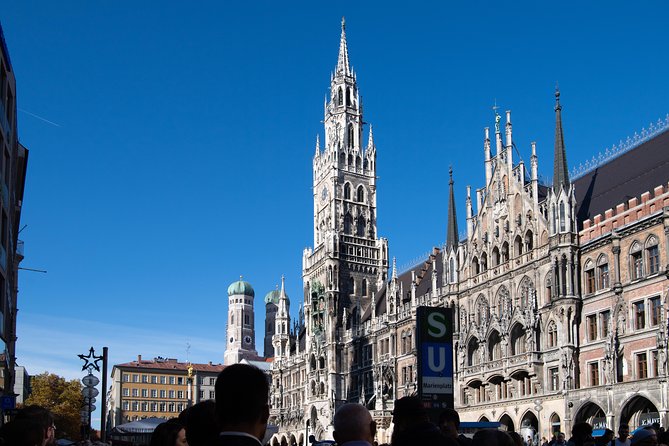
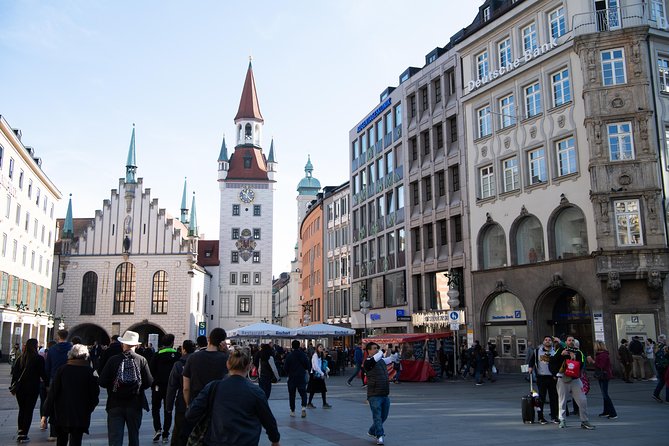
The tour ends at Munich Marienplatz, with about 20 minutes set aside at the city center. That ending location matters because it lets you land the experience in a place you’ll likely want to revisit on your own.
Crucially, the tour includes memorial moments—paying tribute to those who suffered or died under the Nazi regime and those who opposed its ideology. Ending at Marienplatz gives that remembrance a public, everyday setting. You’re not finishing in a museum room where everything is already muted. You finish in the heart of city life, which is exactly the contrast that makes the lesson stick.
Once you’re done, you’re free to continue sightseeing. For most people, this is a relief. You’ve taken in the hardest part; now you can switch to normal Munich mode. 247 reviews and counting: Munich Adventures.
Guides, pacing, and how to get the most out of 2.5 hours
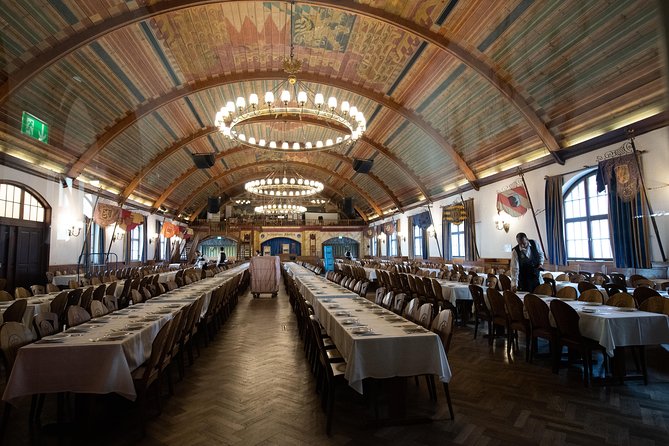
This is not a lecture where you just sit and absorb. It’s a walk with guided storytelling, and it moves at a pace that keeps the narrative moving between stops.
One reason this tour earns strong word-of-mouth is the style of the guides. You’ll see names in the lineup like Keith, Nik, Aileen, Michael, Jake, Nicola, Paul, Nick, Steve, Michelle, Alex, Scott, and Dan. Across different guides, the pattern is consistent: they answer questions openly and explain significance at each landmark instead of treating the route as a checklist.
A few practical tips help you get more out of the time:
- Bring a pen or use notes on your phone. A lot of the information is new, and it’s easy to lose threads after the tour.
- Dress for outdoor time even if you think you’re just going a short distance. Cold-weather comfort shows up again and again in feedback.
- If you want a break, speak up. Some guides have worked bathroom or coffee breaks into the walk when the group voted yes, and that can make a huge difference.
Because it’s about propaganda, power, and genocide-adjacent history, it can feel heavy. That doesn’t mean it’s unbalanced—just that you should pace yourself. If you need to step aside for a minute, doing that sooner is better than trying to power through.
Price and value: why $45.95 can be a fair deal
At $45.95 per person for about 2 hours 30 minutes, you’re paying for a specialist guide and a structured route through key locations. In Munich, you can easily spend that much on a single museum visit or a generic city tour. The value here is that you’re getting context tied to real street sites where the Nazi movement operated.
Also, the group size cap of 25 is part of the value equation. Smaller groups generally mean more back-and-forth with the guide. You’re not just passively absorbing facts; you can ask why a location mattered and how the story connects from one stop to the next.
It’s also worth noting that the tour is typically booked around a month in advance on average. If you’re traveling during busy seasons, you’ll have a better shot by reserving early.
Who this tour is for (and when it might not fit)
This is a strong choice if you want to understand how extremist ideology takes hold in a real place. It’s also a good option for history-minded travelers who like seeing how politics played out in everyday urban settings—streets, civic buildings, and social gathering spaces.
It might be a tougher fit if:
- you don’t handle heavy topics well in a short time,
- you hate long outdoor walks in cold weather,
- or you’re hoping for lots of unhurried time at each stop.
That said, even if you’re not a history superfan, the tour is designed to make the story understandable. The guide style is often described as clear and respectful, with explanations that connect past actions to what you’re seeing now.
Should you book the Third Reich Walking Tour in Munich?
If you want context for Munich’s most troubling chapter—and you prefer learning on the street rather than only through books or museum panels—this tour is a smart buy. The guide-led structure, the inclusion of remembrance moments, and the central-city route ending at Marienplatz make it practical for a normal day of sightseeing.
I’d skip it only if you know you’ll struggle with outdoor walking or emotionally heavy material in a compressed timeframe. If that’s you, consider a different format like a museum-focused visit instead.
FAQ
How long is the Third Reich Walking Tour in Munich?
The tour runs about 2 hours 30 minutes (approx.).
What does the tour cost?
It costs $45.95 per person.
Is the tour offered in English?
Yes, it is offered in English.
Where does the tour start and end?
It starts at Radius Tours on Dachauer Str. 4, and it ends at Munich Marienplatz in the city center.
Do I need a printed ticket?
No. You’ll receive a mobile ticket.
Is this tour mostly outdoors, and does weather matter?
Yes, it’s a walking tour and good weather is required. If poor weather causes cancellation, you’ll be offered a different date or a full refund.
How many people are in the group?
The tour has a maximum of 25 travelers.
More Altstadt and Marienplatz Walks
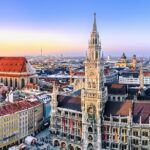
More Third Reich and WWII History in Munich

Just added to the Munich Explorer notebook
Third Reich & WWII History Tours, compared.
 ★ 4.6Third Reich & WWII Walking TourFrom $316,181 reviews
 ★ 4.6Birthplace of the Third Reich Guided Walking TourFrom $29771 reviews
 ★ 4.5Munich World War II Sites Including Dachau Concentration CampFrom $105570 reviews
 ★ 5.0Munich City Walking Tour, includes Third Reich & ViktualienmarktFrom $31458 reviews
 ★ 4.5Third Reich & WWII Walking TourFrom $35417 reviews
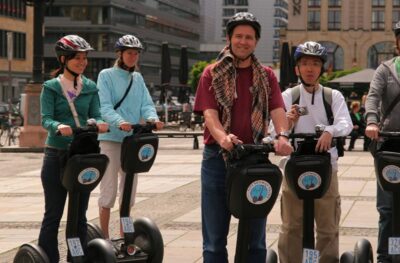 ★ 4.9Munich 3-Hour Segway Tour: Nazi Munich & Royal ArchitectureFrom $91194 reviews
 ★ 5.0Dachau Concentration Camp Memorial Site And Third Reich Day Tour From MunichFrom $145185 reviews
 ★ 5.0Munich in the 3rd Reich and WW2 private walking tourFrom $423148 reviews
Browse the lists this tour appears in