
Reviewed · OLD TOWN & MARIENPLATZ WALKS
Munich: Old Town & Viktualienmarkt City Walk in German
Marienplatz tells Munich’s story fast. This compact Old Town walk strings together the big names—Frauenkirche, Hofbräuhaus, and Viktualienmarkt—so you leave with a mental map and a feel for Bavarian everyday life. Even in a hurry, the route makes sense.
I especially like how the guide links landmarks to the people behind them. You get historical context without turning it into a lecture, and the mood shifts naturally from civic Munich at Marienplatz to the food-and-beer culture at Viktualienmarkt.
One thing to consider: this tour runs only in German, and it is designed as a 1.5-hour walk, so it won’t cover museums in depth or pause for long breaks.
In This Review
- Key things I’d plan around before you go
- A 90-minute Munich walk that actually gives you bearings
- Starting at Marienplatz: your orientation point in the heart of town
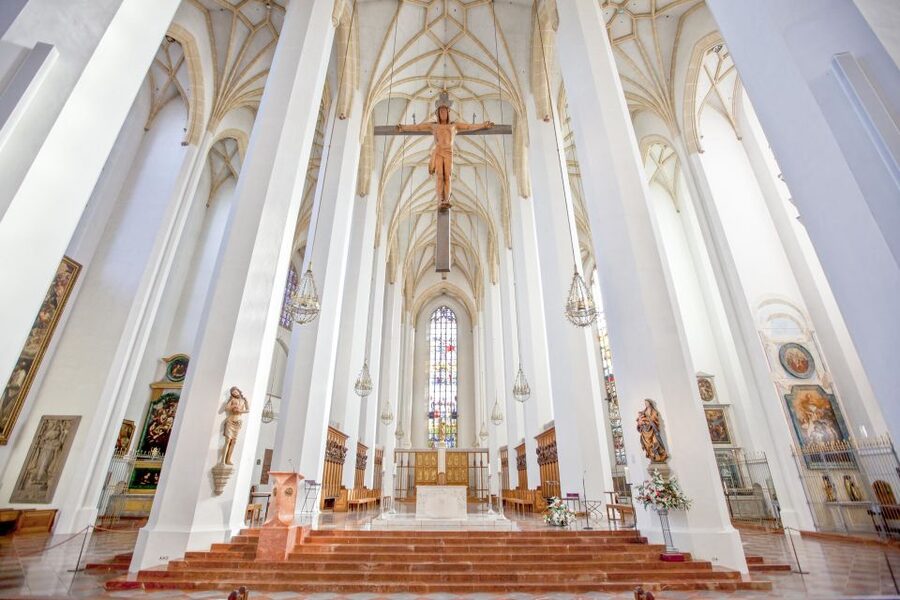
- Frauenkirche and Theatine Church: two church styles, one city story
- Hofbräuhaus area: beer culture in the center of Munich
- Fünf Höfe, Dallmayr, and Schuhbeck: Old Town with modern edges
- Viktualienmarkt: where the tour turns from seeing to feeling
- What the guide really adds (and why it makes the route worth it)
- Price and pace: good value if you want highlights, not a full day
- Language, timing, and how to make the most of the format
- Who this Munich Old Town & Viktualienmarkt walk is best for
- Should you book this tour?
- FAQ
- How long is the Munich Old Town & Viktualienmarkt city walk?
- Where does the tour meet?
- Is the tour guided?
- What language is the tour offered in?
- Are food and drinks included?
- Is the tour wheelchair accessible?
- Is video recording allowed?
- Who is this tour for?
Key things I’d plan around before you go
- Meet at Marienplatz by the Gothic Town Hall so you can orient immediately.
- Frauenkirche + Theatine Church give you two different church vibes in one loop.
- Staatliches Hofbräuhaus stop shows how beer culture fits into the city’s core.
- Fünf Höfe, Dallmayr, and Schuhbeck’s area add modern taste to the Old Town walk.
- Viktualienmarkt at the end is where you can slow down, snack (at your own expense), and breathe.
More grazing through the Viktualienmarkt stalls
- Munich: Old Town & Viktualienmarkt City Walk in German★ 4.7 · 2,304 reviews
- Munich: Walking Tour Old Town and Viktualienmarkt★ 4.7 · 839 reviews
- Munich: Viktualienmarkt & Altstadt Food Tour★ 4.7 · 481 reviews
- Munich City Walking Tour, includes Third Reich & Viktualienmarkt★ 5.0 · 458 reviews
A 90-minute Munich walk that actually gives you bearings
Munich is the kind of city where the center looks orderly, but it’s easy to feel lost anyway. This walk solves that problem fast. You start right where most people begin their day—Marienplatz—and the route moves outward and back in a smart way, so you don’t waste time crossing the city in straight lines that ignore the interesting parts.
At $23 per person for about 1.5 hours, you’re paying for three things: a live German-speaking guide, a focused hit list of major stops, and stories that connect the dots. The value isn’t in “more sights.” It’s in having someone explain what you’re looking at while you’re looking at it.
There’s also a practical side that I like: no transfers. That means you can arrive when you want, then spend the time walking and learning instead of riding around.
Starting at Marienplatz: your orientation point in the heart of town
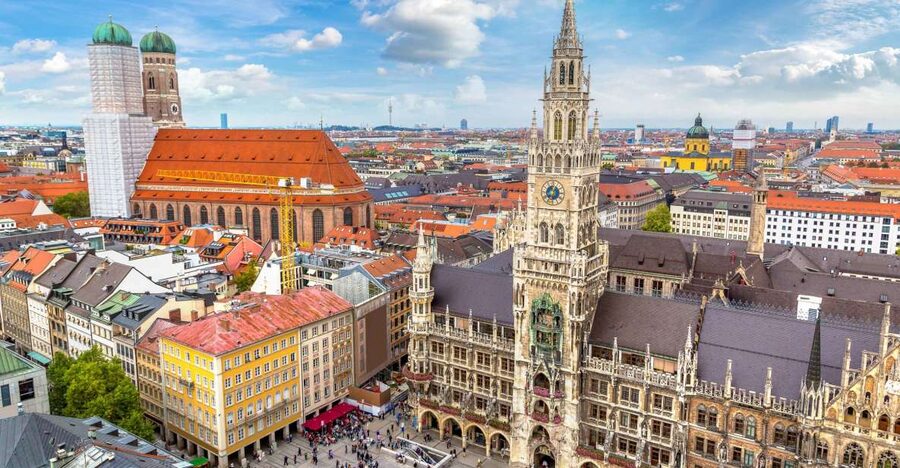
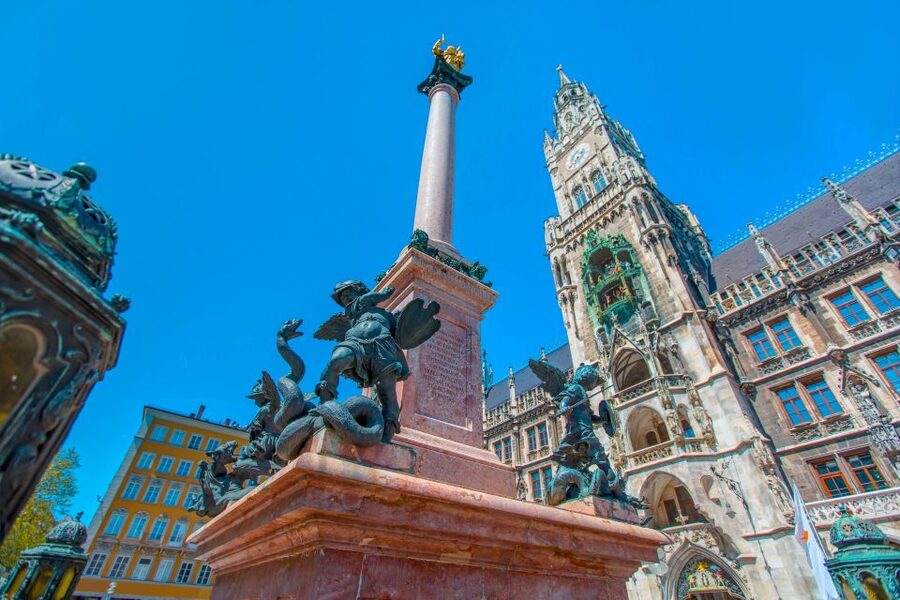
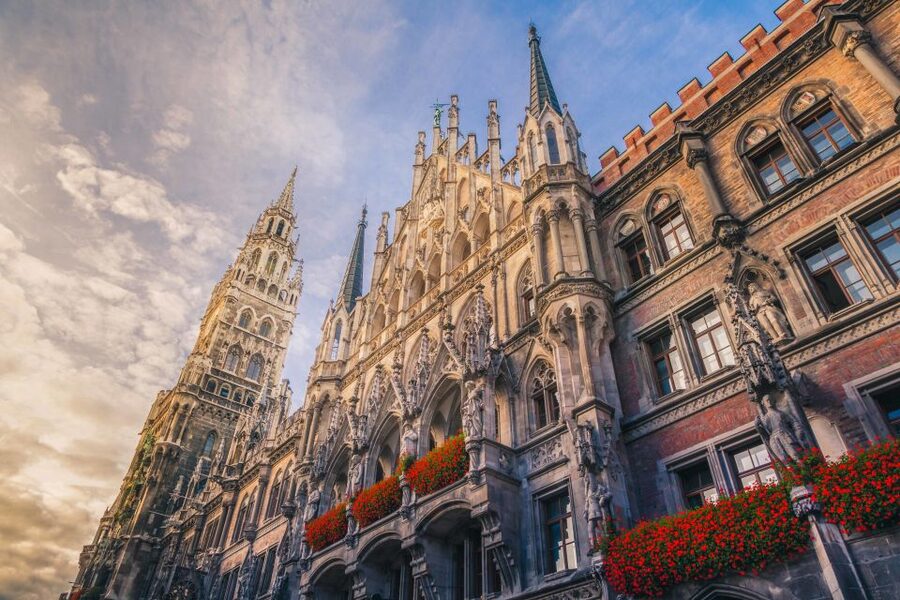
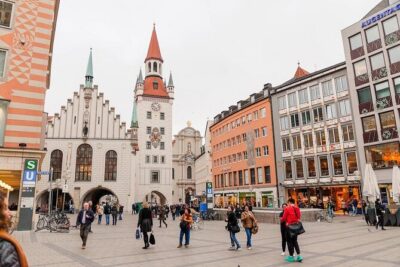
Your meeting point is Marienplatz, right in front of the tourist information point at the Gothic Town Hall. That choice matters. Marienplatz isn’t just scenic—it’s the civic center, so your guide can set the stage quickly.
From here, you’re in the thick of Old Town. You can feel how Munich’s identity is layered: formal public spaces, grand architecture, and everyday foot traffic all sharing the same streets. Early on, the guide’s job is to give you the “map in your head” that helps everything click later—especially before you get to the churches and the beer hall area.
Practical tip: Marienplatz is busy. Show up a few minutes early so you’re not rushing to find the group at the busiest intersection.
Frauenkirche and Theatine Church: two church styles, one city story
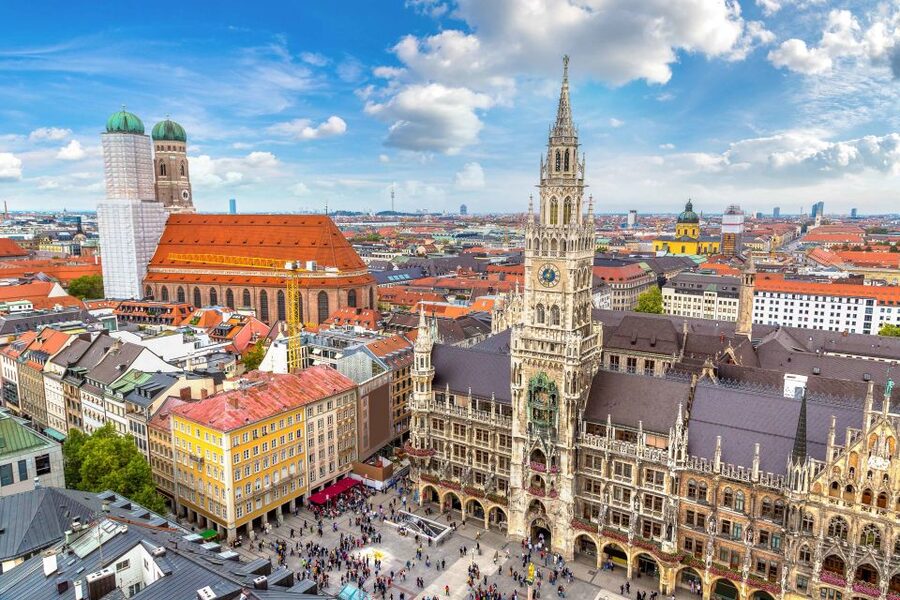
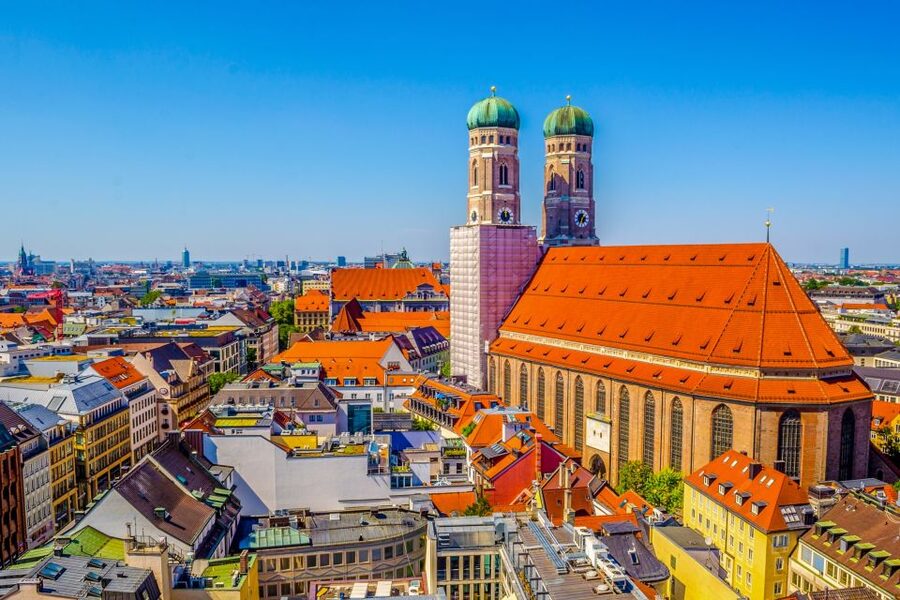
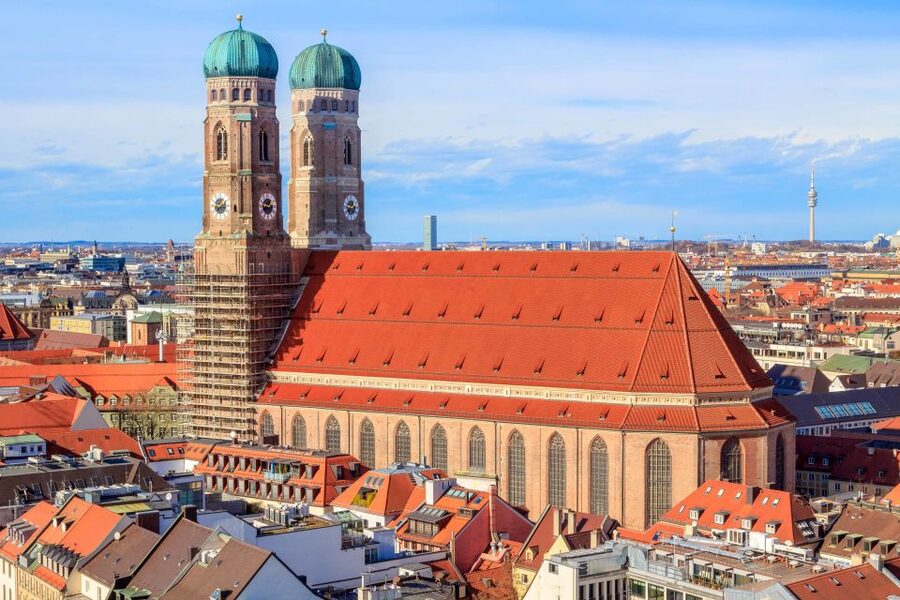
The walk highlights Frauenkirche, Munich’s best-known cathedral church. Even if you’ve seen photos, there’s something different in person. The cathedral reads as pure scale and presence, which makes it a great first anchor on the route.
What I like about including it in a guided walk is that it stops being just a pretty building. You get the historical background that helps you understand why it’s treated like a symbol—why locals point at it without needing extra explanation. The guide ties the church to the city’s evolution and the mindset of Bavaria’s capital.
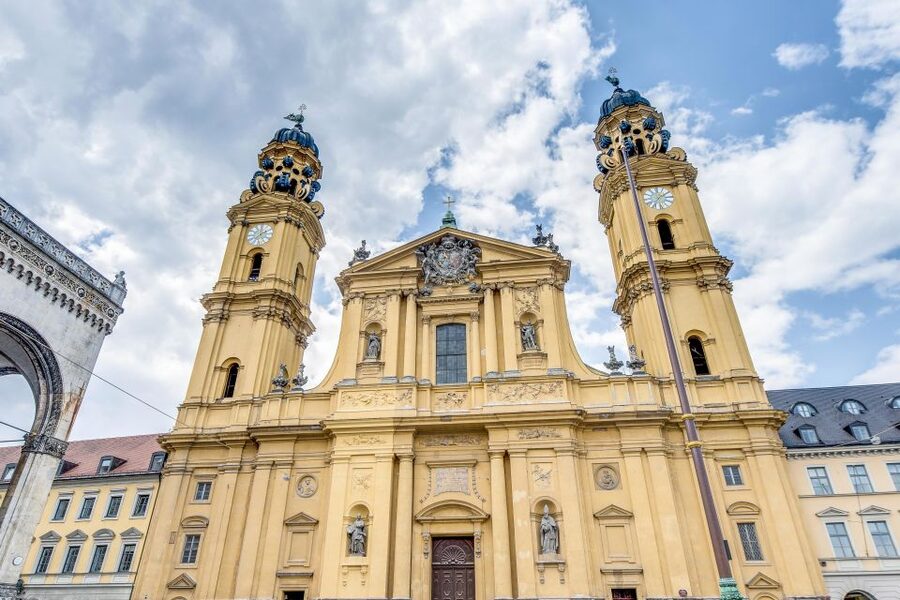
Then you shift to the Theatine Church. This stop helps you notice contrast. If Frauenkirche gives you monumental, recognizable Munich, Theatine Church helps you see how the city balances grandeur with different architectural choices. It’s the kind of comparison you might miss if you were wandering alone.
More laps of the Altstadt and Marienplatz
- Munich: Old Town & Viktualienmarkt City Walk in German
★ 4.7 · 2,304 reviews - Munich: Night Watchman Walking Tour
★ 4.7 · 2,092 reviews - Munich Ghosts and Spirits Evening Walking Tour
★ 5.0 · 1,900 reviews
Hofbräuhaus area: beer culture in the center of Munich
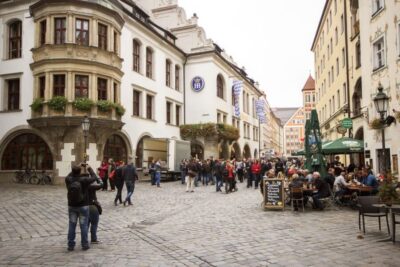
A major highlight is the Staatliches Hofbräuhaus brewery. This is where the tour makes emotional sense. Bavaria and Munich in particular are hard to understand without beer culture—and not just as a souvenir. A guided stop here explains how brewing and beer gardens became woven into daily life and public identity.
You’re not just looking at an attraction. You’re watching how the city’s social life shaped itself around gathering spaces. Even if you don’t plan to drink during the tour, the stop gives context for why you’ll see so many beer gardens later at Viktualienmarkt.
From this area, the walk also moves toward Odeonsplatz, which is a useful transition point. Odeonsplatz helps you feel the shift between old religious and civic weight, and the more formal monumental squares that make Munich look like it was planned by someone with patience.
Fünf Höfe, Dallmayr, and Schuhbeck: Old Town with modern edges
One reason I enjoy this city walk is that it doesn’t treat Munich as frozen in time. You get a quick glance at the shopping side of central Munich through the Fünf Höfe shopping mall. This isn’t the kind of stop that needs long shopping breaks. It’s more like a visual reminder: the center is still alive and still changing.
Then you pass landmarks like the Dallmayr store and Schuhbeck’s restaurant area. Even without lingering, these stops help you understand that Munich is not only about squares and churches. It’s also about taste, specialty food culture, and the local reputation economy—where famous names matter because they connect to tradition and quality.
Important consideration: this is a walking tour, not a shopping spree. If you want lots of time inside stores, you’ll likely need a separate plan after the tour. But if your goal is to see how the city blends old and new, these quick passes are exactly the right amount.
Viktualienmarkt: where the tour turns from seeing to feeling
The finale is Viktualienmarkt, the famous market area where you can slow down and enjoy the atmosphere. This is the best kind of ending for a city walk: a place built for lingering.
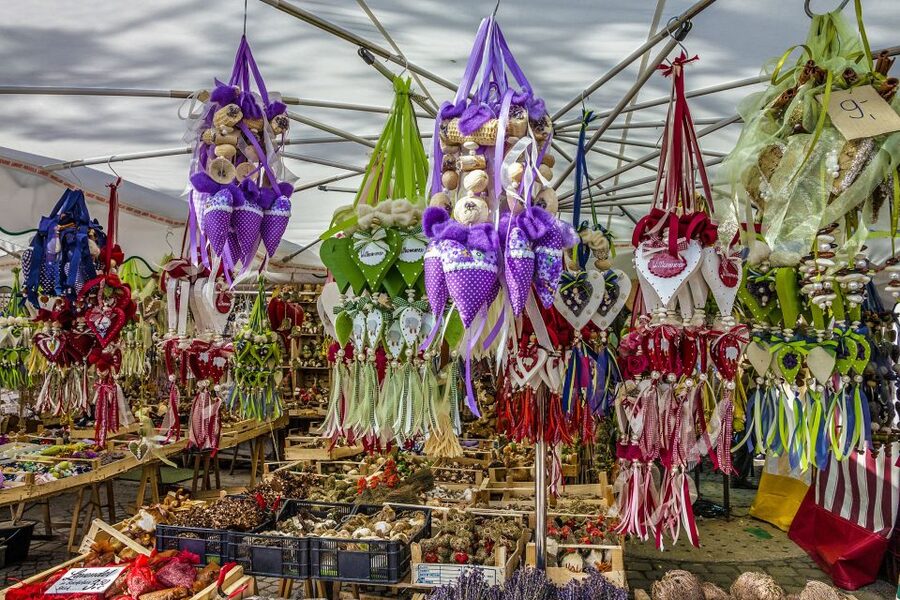
Here, you’ll see the market lanes and stalls selling things like flowers, cheese, spices, and other produce. The payoff isn’t only what’s for sale. It’s the energy of a living market that feels local, even when it’s crowded.
And then there’s the beer garden element. The tour explicitly points you toward relaxing in a typical beer garden or simply strolling through the stalls. This matters because it gives you choices based on your mood:
- If you want a sit-down break, you can find a beer garden-style spot.
- If you’re more of a wander-while-you-snack person, you can just keep moving through market rows.
Since food and drinks are not included, plan for spending here if you want it. The market is the place where your feet and your appetite finally agree with each other.
What the guide really adds (and why it makes the route worth it)
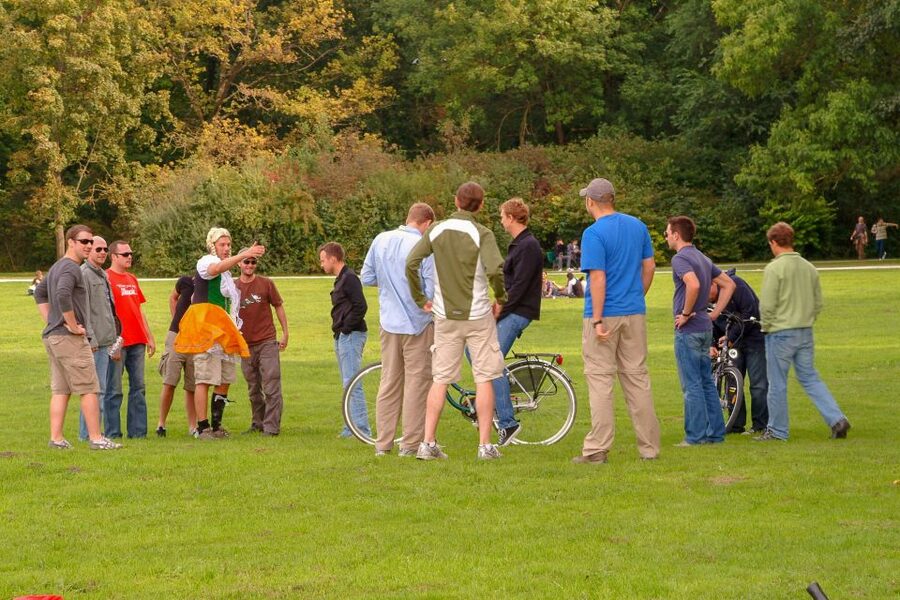
The route is full of famous names, but the real value is in how the guide connects them. You’re hearing stories and anecdotes about Bavaria’s state capital and the citizens who shaped it. That’s what transforms a list of landmarks into a coherent understanding.
The guide also works in a way that keeps people moving. In practice, that means the tour stays interesting even when weather isn’t cooperating. One highlight from actual participant feedback was how the guide kept the tone light and fun despite rain, and people stayed to the end. That’s not small. When a city walk runs smoothly, you don’t just survive it—you enjoy it.
You might also notice that different guides add personality. The names Emanuela and Alexandra show up in feedback as examples of guides who made the story feel personal—Alexandra especially for a warm, open style, and Emanuela for enthusiasm that made the city’s history feel like it mattered. If you get a guide with that energy, it can turn an ordinary walk into a strong first evening in Munich.
One more practical note: video recording isn’t allowed. Bring your camera for still photos if you’re into that, but don’t plan on filming the whole route.
Price and pace: good value if you want highlights, not a full day
At $23 per person for 1.5 hours, you’re buying focus. This is not a long “see everything” tour. It’s designed for people who want:
- a fast orientation in central Munich,
- clear explanations of the most important Old Town landmarks,
- an end point where you can keep enjoying the city on your own afterward.
If your travel style is slow travel, you might find the route a bit brisk. But the structure actually helps most visitors. You get a strong start at Marienplatz, enough architecture to make the churches memorable, beer culture in context, and then the market reward.
Also note what’s not included: transfers and food and drinks. That’s normal for a city walk, but it affects your planning. You’ll want to arrive on your own and be ready to grab something at Viktualienmarkt if you’d like.
Language, timing, and how to make the most of the format
This tour is only available in German. If you don’t speak German, you’ll still see the sights, but you’ll miss the main advantage: the stories and background that stitch the route together.
Still, you can benefit even with basic listening skills. Look for visual anchors as you go—churches, squares, landmarks—then follow along with the guide’s pace. Even simple comprehension helps you connect the explanation to what you’re seeing in front of you.
The tour also says it’s wheelchair accessible, which is good to know if mobility is a concern. Since you’re walking through central Munich streets, it’s smart to wear comfortable shoes no matter what.
Weather happens. Rain doesn’t stop the tour style; it just makes your plans for the market more important. If it’s wet, you might want to do more market strolling than deep sitting in a beer garden, depending on what’s comfortable that day.
Who this Munich Old Town & Viktualienmarkt walk is best for
This tour fits best if you’re in Munich for a short time and want a clean overview without guesswork. You’ll probably enjoy it if you:
- like walking through cities with a clear route,
- want the big Munich landmarks explained in real time,
- plan to spend more time at Viktualienmarkt afterward (because the tour naturally sets you up for it),
- want a structured start in Old Town that doesn’t require museum stamina.
If you’re traveling with a group that has very different interests, the mix helps: churches and civic squares for history lovers, Hofbräuhaus and beer culture for food-and-drink fans, and Viktualienmarkt for everyone who enjoys markets.
If you only want quiet corners, this may be less ideal. The route is in central Munich, so there’s always city energy around you.
Should you book this tour?
I think it’s a strong booking if you want a well-paced highlights tour that ends in a place you can keep enjoying. The biggest reason to book is the value of a live German-speaking guide who connects Marienplatz, Frauenkirche, Hofbräuhaus, and Viktualienmarkt into one story.
Book it if:
- you want an easy first day orientation,
- you like understanding what you’re seeing,
- you’re happy to plan your food and drinks on your own after the tour.
Skip it if:
- you need an English-language guide,
- you’re hoping for a long, slow, museum-style experience,
- you don’t like walking for about 90 minutes in the center.
FAQ
How long is the Munich Old Town & Viktualienmarkt city walk?
It lasts about 1.5 hours.
Where does the tour meet?
It meets at Marienplatz, right in front of the tourist information point in the Gothic Town Hall, Munich.
Is the tour guided?
Yes. It includes a German-speaking guide.
What language is the tour offered in?
The tour is only available in German.
Are food and drinks included?
No. Food and drinks are not included.
Is the tour wheelchair accessible?
Yes, it is wheelchair accessible.
Is video recording allowed?
No, video recording is not allowed.
Who is this tour for?
It’s best for people who want a short, informative walk through central Munich’s major sights and then time to enjoy Viktualienmarkt’s market atmosphere on their own.
More Hop-On Hop-Off Loops in Munich

More Altstadt and Marienplatz Walks
More of the Viktualienmarkt



Just added to the Munich Explorer notebook

Old Town & Marienplatz Walks, compared.
 ★ 4.6Third Reich & WWII Walking TourFrom $316,181 reviews
 ★ 4.5Third Reich Walking Tour MunichFrom $454,291 reviews
 ★ 4.7Night Watchman Walking TourFrom $5302,092 reviews
 ★ 5.0Munich Ghosts and Spirits Evening Walking TourFrom $601,900 reviews
 ★ 4.5Munich Old Town Walking TourFrom $271,287 reviews
 ★ 4.6Spooky Tour of Old Town in GermanFrom $261,112 reviews
 ★ 4.7Walking Tour Old Town and ViktualienmarktFrom $282839 reviews
 ★ 4.6Birthplace of the Third Reich Guided Walking TourFrom $29771 reviews
Browse the lists this tour appears in