
Reviewed · DACHAU MEMORIAL SITE TOURS
Munich World War II Sites Including Dachau Concentration Camp
History hits hardest in person.
This day trip pairs Dachau Concentration Camp Memorial Site with a Munich walk focused on the Third Reich—not just names, but the places where power was staged. You’ll start at Munich’s central station area, ride north to Dachau, then return to Munich for an old-town walk that connects ideology to real addresses and public squares.
What I like most is the way the day is structured around a guided experience, not a self-guided checklist. The Dachau portion includes a tour of the camp and museum features (cell blocks, crematorium, and administration areas), and the Munich walk connects major moments like the 1923 Beer Hall Putsch to the streets people still stand on today.
One thing to plan for: it’s a physically demanding, long day with lots of standing and walking, plus you’re using public transit to get to Dachau—so bring patience, not just curiosity.
In This Review
- Key highlights you’ll care about
- Start at Radius Tours and take the day seriously
- Dachau: what you’ll see and why a guided walk matters
- Munich’s Königsplatz: the politics of a marching ground
- Marienplatz and the Third Reich walk through everyday addresses
- The day’s rhythm: public transit, breaks, and how to pace yourself
- Price and value: what $105.21 buys you
- Who this tour fits best (and who should rethink it)
- Should you book the Munich WWII and Dachau combo?
- FAQ
- FAQ
- How long is the tour?
- Where is the meeting point?
- Where does the tour end?
- Is food included?
- What’s included in the Dachau portion?
- What’s included in the Munich portion?
- Do I need to speak German?
- What’s the minimum age?
- How big is the group?
- What is the cancellation window?
Key highlights you’ll care about
- Two-part focus: Dachau first, then Munich’s Third Reich sites without losing the thread
- Respectful, on-the-ground context: guides help you understand what you’re seeing, not just facts to memorize
- Specific Munich stops: Königsplatz, Marienplatz area, former Gestapo headquarters, and the Beer Hall Putsch site area
- Dachau includes the core memorial sights: reconstructed cell blocks, crematorium, and key administrative areas
- Small group feel: capped at 25 people, so your guide can actually manage a discussion
- Real-world pacing: train out, break in Munich, then a walking tour that runs late into the day
Other guided visits to the Dachau Memorial Site
- Dachau Concentration Camp Memorial Site Tour from Munich by Train★ 4.5 · 5,637 reviews
- From Munich: Dachau Memorial Site Day Tour★ 4.8 · 2,723 reviews
- From Munich: Dachau Memorial Site Half-Day Trip★ 4.7 · 2,526 reviews
- From Munich: Dachau Memorial Site Full-Day Tour★ 4.9 · 1,406 reviews
Start at Radius Tours and take the day seriously
You meet at Radius Tours (Dachauer Str. 4, 80335 München) at 9:00 am. The first big “logistics moment” matters: you’re not wandering around hoping to find the right train. You board together and head north to Dachau, which helps when the subject is heavy and you’d rather spend your brain on the history.
This is also the kind of day where your energy matters. The format is long and intense, and most of it is outdoors or in places where you’ll stand and walk through exhibits. I’d treat it like a commitment, not a casual museum run.
Dachau: what you’ll see and why a guided walk matters
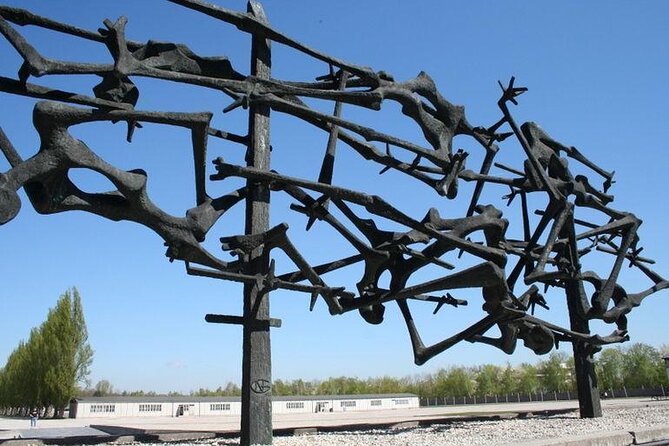
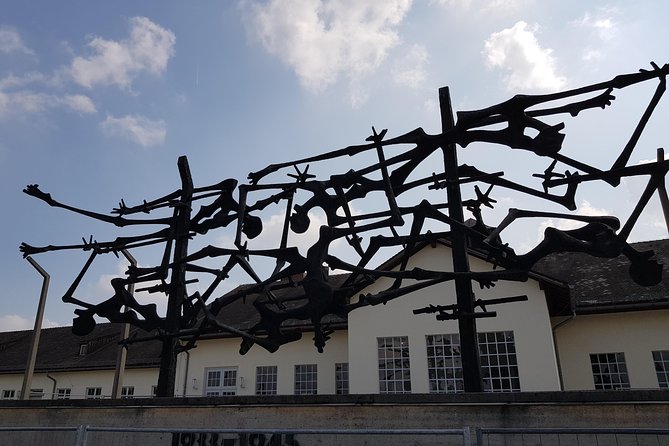
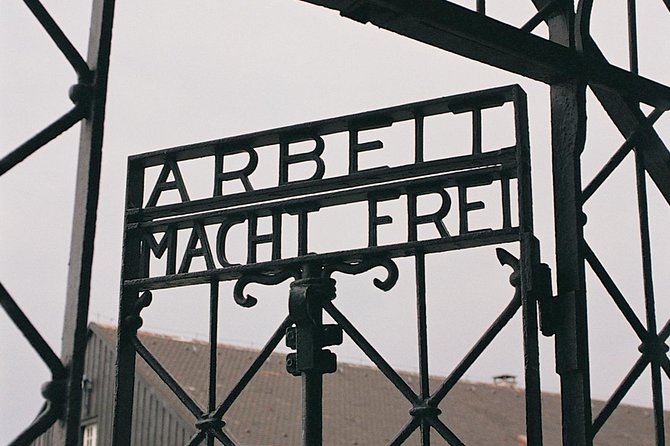
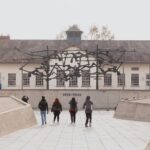
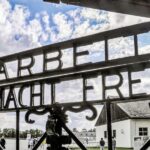
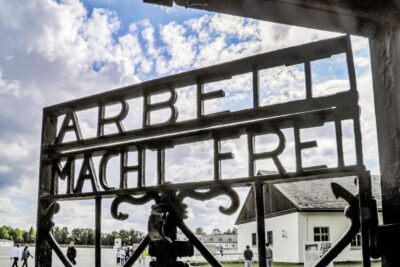
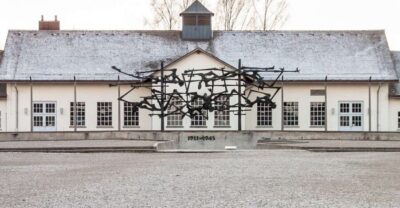
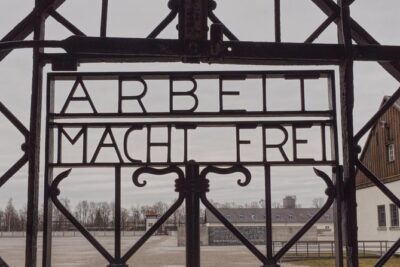
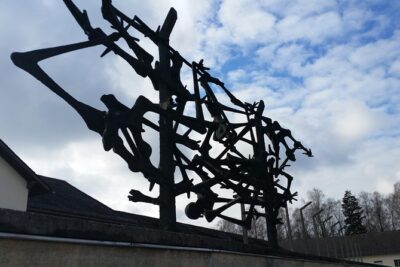
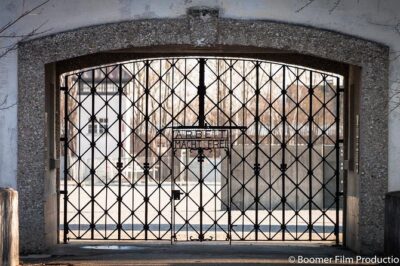
Dachau is the kind of place where your brain keeps trying to reduce it to numbers. A good guide keeps pulling you back to what it meant: a system designed to imprison, degrade, and destroy human beings. This tour visits the Dachau Concentration Camp Memorial Site, which is recognized as the first Nazi concentration camp in Germany during the Holocaust and later served as a model for other camps.
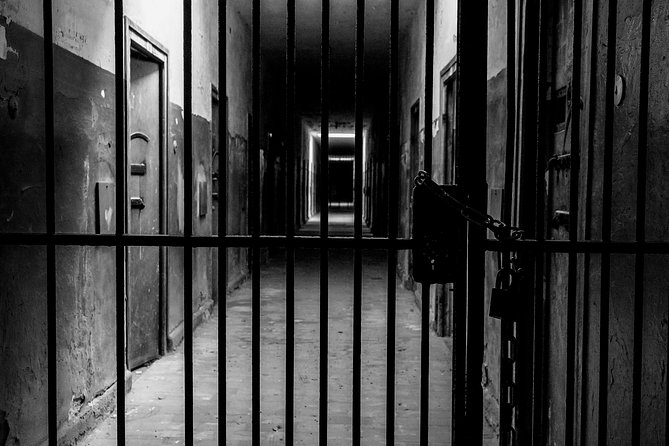
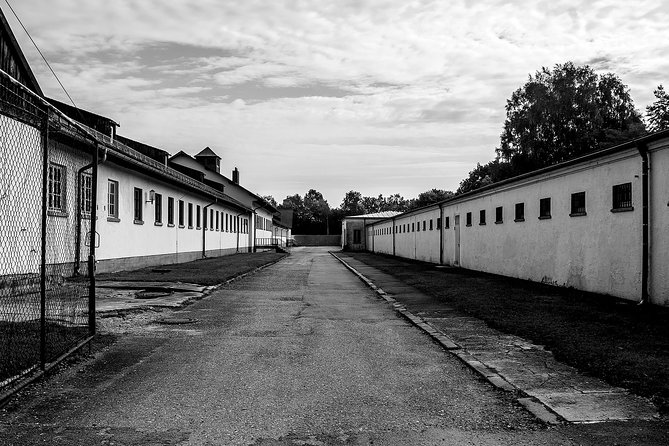
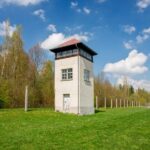
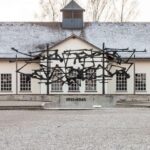
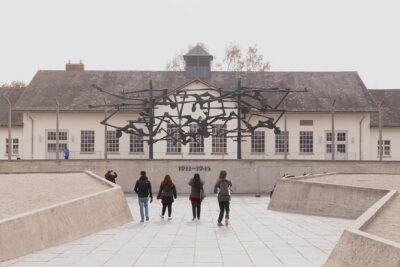
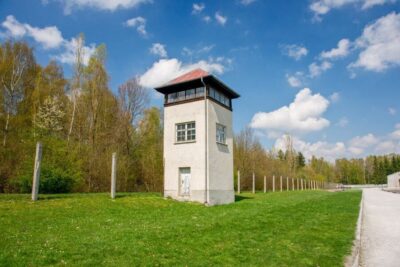
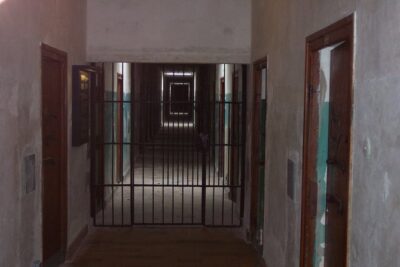
On the Dachau portion, you get a tour that covers both camp grounds and museum areas. The key features you’ll see include reconstructed cell blocks, the crematorium, and the administration headquarters. You also get guided explanation of lesser-known details tied to the site, including the role of Heinrich Himmler in the camp’s founding.
Here’s why I think the guided approach is worth it. Dachau isn’t laid out like a theme park. The paths, buildings, and exhibits can feel overwhelming fast. A guide helps you make sense of what you’re looking at—why certain structures exist, what different spaces were used for, and how the camp fit into the Third Reich’s broader system of control. It’s also an exercise in respectful attention, not performance.
You should also expect that the tone is somber. Guides who lead this part well (people like Emmett or Ian have been praised for this style) know how to keep people engaged without turning the moment into a lecture contest. You’ll still learn plenty, but the pace is anchored in respect.
Munich’s Königsplatz: the politics of a marching ground
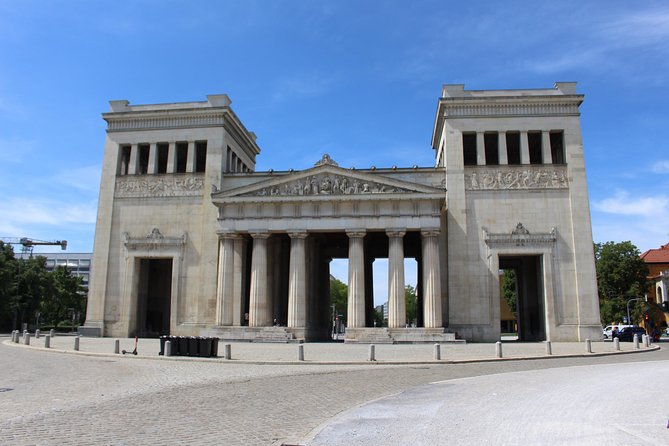
After you return to Munich and take a short break, the day shifts into an old-town walking tour. You begin at Königsplatz, near Munich’s central station. This matters because Königsplatz wasn’t just architecture. It was a stage for mass politics.
The tour includes time at Königsplatz, often described as the famous marching grounds of the Nazi Party. Standing there with a guide you can actually connect the physical layout to what it was built to do: amplify power and create spectacle. You’ll likely notice how open the space is, and how that openness supports large ceremonies and choreographed movement.
This is one of those stops where you’ll feel the gap between history books and real space. The square helps you understand how ideology was displayed in public—right in the city’s everyday geography.
More walks tracing Munich Third Reich and wartime history
- Munich: Third Reich & WWII Walking Tour
★ 4.6 · 6,181 reviews - Third Reich Walking Tour Munich
★ 4.5 · 4,291 reviews - Munich: Birthplace of the Third Reich Guided Walking Tour
★ 4.6 · 771 reviews
Marienplatz and the Third Reich walk through everyday addresses
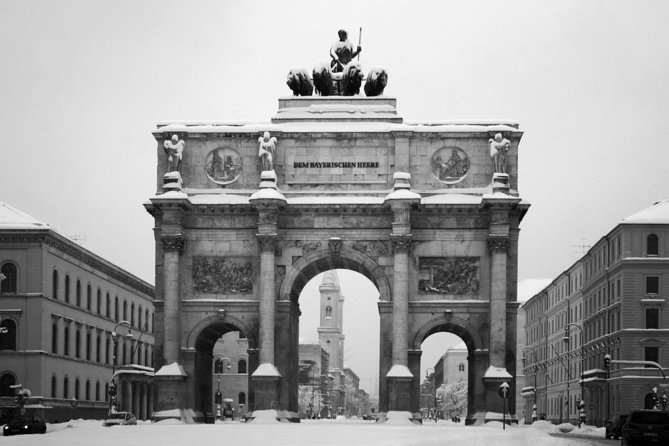
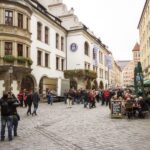
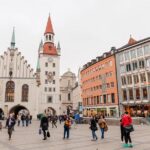
The longer city walking portion centers on Munich’s historic core, starting around the Marienplatz area. You’re learning the rise and fall of Adolf Hitler and the Third Reich through key locations—places where propaganda hardened into policy.
A few specific kinds of stops you can expect on the walk:
- The building where Hitler first joined the Nazi party
- The former Gestapo (secret police) headquarters
- The place where the Beer Hall Putsch took place in 1923
What makes this section valuable is the way it connects ideology to real addresses. You’re not just hearing about repression in the abstract. You’re seeing how it was embedded into ordinary city spaces, including offices, meeting places, and public squares.
Also, don’t ignore the practical side: this is walking-heavy. In some parts, guides may be harder to hear if you’re near traffic noise or in echoing stone areas. If you’re the type who struggles with sound outdoors, you’ll want to position yourself where you can hear clearly and keep your group together.
Guides leading this segment—such as Jake, Josh, Nick, or Sam, depending on the date—have been praised for balancing serious content with an approachable style. That’s helpful here, because the walk can feel like an information wall if the guide can’t pace it.
The day’s rhythm: public transit, breaks, and how to pace yourself
Getting to Dachau uses public transport. You take a train out of Munich and then continue by a city bus for the final stretch, with the group traveling together. It’s included, but it also means crowds and waits. One practical note: if you’re sensitive to delays, plan your flexibility for that.
After Dachau, you get a break before the Munich walk. That downtime is important. Dachau can drain you. Then you switch gears to city walking, which is mentally heavy in a different way. The tour format gives you time to reset before you start absorbing the street-level history.
This is also a day where you should think about basic comfort:
- Wear shoes you can stand and walk in for hours.
- Bring a layer. Dachau and the walking portion can feel colder than you expect, especially on early starts.
- Consider a small snack even though food and drinks aren’t included. The day is long.
One more reality check: some visitors feel there’s a lot of information. That usually comes from the nature of the subject, not from carelessness. You’re dealing with a dense topic and multiple places in a single day. If you prefer slow reading and long pauses in museums, you might wish you had more time at Dachau. The tour is designed to fit the essentials without turning the day into a full-day endurance test—yet it still is one.
Price and value: what $105.21 buys you
At $105.21 per person, the value comes from combining two major guided experiences that many people would otherwise split up: a guided Dachau memorial tour and a guided Third Reich walking tour in central Munich.
What’s included matters here. You get:
- Full tour of the Dachau memorial site
- The Third Reich walking tour of old town
- A local guide
- Transportation to/from Dachau as part of the group’s day
- A mobile ticket
- Tour offered in English
- Group size capped at 25
What’s not included is also part of the math. You’re on your own for food and drinks, and there’s no hotel pickup/drop-off. So you should budget a lunch and plan to purchase any extras you want during breaks.
In plain terms: this price works best if you want structure, a guide to connect dots, and a full day that hits the main points without you doing route planning across two very different settings.
Who this tour fits best (and who should rethink it)
This experience is open to ages 13 and older. If you’re traveling with a teen, the minimum age matters—proof is required. It’s also for adults who want a guided explanation rather than only signs and audio guides.
You should seriously consider booking if:
- You want Munich’s WWII story connected to specific locations, not just general background
- You care about respectful interpretation at Dachau
- You’re comfortable with a long day of walking and standing
- You’d rather have a guide manage the flow than worry about train times and group coordination
You might rethink it if:
- You hate public transit on travel days
- You need lots of seating or long museum time to process
- You prefer lighter informational density and more free time to wander
One recurring practical comment: splitting this into two separate outings could feel easier. But if your schedule is tight and you want the combo, this is built for exactly that.
Should you book the Munich WWII and Dachau combo?
Book it if you want one coherent day that ties Nazi-era ideology to real Munich locations, then confronts the Holocaust with a guided visit to Dachau’s core memorial areas. The best version of this day is when you let the guide steer you—listening with attention—because the locations only become truly meaningful when someone helps you read them correctly.
If you’re going, come prepared for a serious, tiring day. Bring layers, comfortable shoes, and a snack plan. Then give yourself permission to go slower at the places that hit you hardest—especially at Dachau—because that’s where understanding stops being a task and starts becoming memory.
FAQ
FAQ
How long is the tour?
It runs about 8 hours 30 minutes (approx.), starting at 9:00 am.
Where is the meeting point?
You meet at Radius Tours, Dachauer Str. 4, 80335 München, Germany.
Where does the tour end?
This activity ends back at the meeting point.
Is food included?
No. Food and drinks are not included.
What’s included in the Dachau portion?
You get a full guided tour of the Dachau Memorial Site, including camp and museum areas such as reconstructed cell blocks, the crematorium, and administration headquarters.
What’s included in the Munich portion?
You get a guided Third Reich walking tour in the old town area, visiting key sites like Königsplatz, the Marienplatz area, the former Gestapo headquarters, and the Beer Hall Putsch location area.
Do I need to speak German?
No. The tour is offered in English.
What’s the minimum age?
The tour is open to visitors aged 13 and older, and proof is required.
How big is the group?
The experience has a maximum of 25 travelers.
What is the cancellation window?
You can cancel up to 24 hours in advance for a full refund.
More Third Reich and WWII History in Munich


Visiting the Dachau Memorial Site
Just added to the Munich Explorer notebook
Dachau Memorial Site Tours, compared.
 ★ 4.5Dachau Concentration Camp Memorial Site Tour from Munich by TrainFrom $645,637 reviews
 ★ 4.8Dachau Memorial Site Day TourFrom $492,723 reviews
 ★ 4.7Dachau Memorial Site Half-Day TripFrom $622,526 reviews
 ★ 4.9Dachau Memorial Site Full-Day TourFrom $511,406 reviews
 ★ 4.5Dachau Concentration Camp Memorial Tour with Train from MunichFrom $56955 reviews
 ★ 5.0Early-Start Dachau Memorial Half-Day Tour from MunichFrom $62942 reviews
 ★ 5.0Guided Dachau Concentration Camp Memorial Site Tour with Train from MunichFrom $90920 reviews
 ★ 5.0Full-Day Dachau Concentration Camp Memorial Site Tour from MunichFrom $48897 reviews
Browse the lists this tour appears in