
Reviewed · THIRD REICH & WWII HISTORY TOURS
Munich: Nazi History 2-Hour Small Group Walking Tour
Munich has a darker sidewalk story. This 2-hour Munich Nazi history walking tour connects the rise of the Nazi party to the streets you can still see today, with key stops from Marienplatz past Hofbräuhaus and on to rally grounds near Koenigsplatz.
The best part for me is the way Alun Evans brings the places to life with clear, respectful storytelling, and you get real interaction because it’s a small group that can feel close to private. The only drawback to plan for is the subject matter is heavy, and you’ll be walking outside for the full 2 hours.
Key Points to Know Before You Go
- Small group size (limited to 10), so questions and conversation are easy
- Marienplatz start, a central meet point that makes it simple to fit into your day
- Hofbräuhaus München stop, tied to speeches and Nazi-era meetings
- Odeonsplatz + historic institutions nearby, including the Bavarian State Opera area and the Residenz
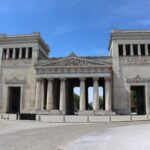
- Koenigsplatz rally ground, where the Nazis held public rallies
- All-weather walking, so dress for cold, rain, and wind
In This Review
- Why a 2-Hour Nazi History Walk Makes Sense in Munich
- Meeting at Marienplatz and Getting Oriented
- Hofbräuhaus München: Beer-Hall Politics Made Visible
- Odeonsplatz: Opera, Residenz, and the Contrast You Can See
- Buildings Tied to the Party and SS: Why the Details Matter
- Koenigsplatz Rally Ground: The Nazi Message in Public Space
- Alun Evans: The Guide Factor That Makes It More Than a Checklist
- Price and Logistics: Is $58 Worth It?
- Timing, Weather, and How to Dress Smart for This Walk
- Who This Tour Fits Best (and Who Might Skip It)
- Should You Book This Munich Nazi History Tour?
- FAQ
- How long is the Munich Nazi history walking tour?
- Where does the tour meet, and where does it end?
- What sites will the tour cover?
- What’s the group size?
- What language is the guide?
- Is hotel pickup included?
- Does it run in bad weather?
- Is cancellation free?
Why a 2-Hour Nazi History Walk Makes Sense in Munich
If you’re in Munich for a short time, a short walk like this can hit a lot of meaningful ground fast. You’re not trying to memorize dates in a classroom. Instead, you’re seeing locations connected to how the Nazi movement took hold and how propaganda-style gatherings shaped public life.
What makes it work is the pacing. Two hours is long enough to connect the main dots, but short enough that you won’t feel stuck outside when the weather turns or your brain is already overloaded by what you’re learning.
More walks tracing Munich Third Reich and wartime history
- Munich: Third Reich & WWII Walking Tour★ 4.6 · 6,181 reviews
- Third Reich Walking Tour Munich★ 4.5 · 4,291 reviews
- Munich: Birthplace of the Third Reich Guided Walking Tour★ 4.6 · 771 reviews
- Munich World War II Sites Including Dachau Concentration Camp★ 4.5 · 570 reviews
Meeting at Marienplatz and Getting Oriented
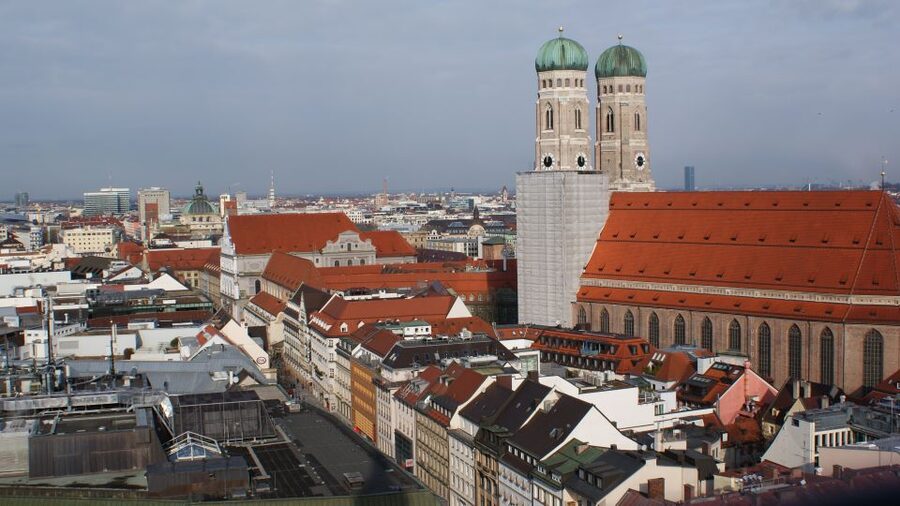
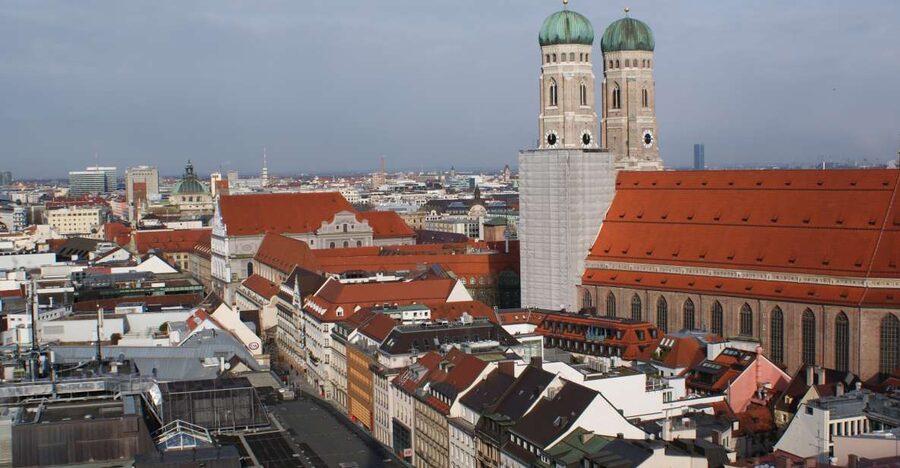
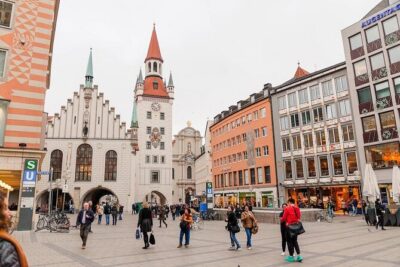
You start at Marienplatz, one of Munich’s busiest central squares. The meetup is in front of the Tourist information Center, and your guide holds a sign so you can spot them quickly.
This first stretch matters because it sets the tone. Before you jump into the hard stuff, you get a guided route through key sites, anchored to a story that begins with Hitler’s arrival in the city in 1913. I like this approach because it gives you a mental map first, then the locations make more sense as you go.
Hofbräuhaus München: Beer-Hall Politics Made Visible
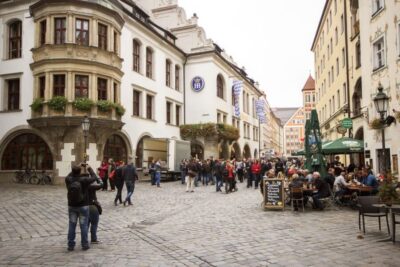
One of the tour’s strongest stops is Hofbräuhaus München. This is where you’ll connect the dots between everyday public gathering spaces and Nazi-era meetings, including when the Nazi party would meet there and when Hitler gave speeches.
There’s also a reference point tied to the failed Beer Hall Putsch of 1923. Even if you’ve heard the name before, standing near the real setting helps the event feel less like an abstract chapter and more like something that unfolded in a real place, with real crowds and real momentum.
The vibe can feel unsettling, and that’s exactly the point. A good guide keeps the tone respectful and factual so you’re not just staring at “historic” buildings—you’re understanding why they were powerful back then.
Odeonsplatz: Opera, Residenz, and the Contrast You Can See
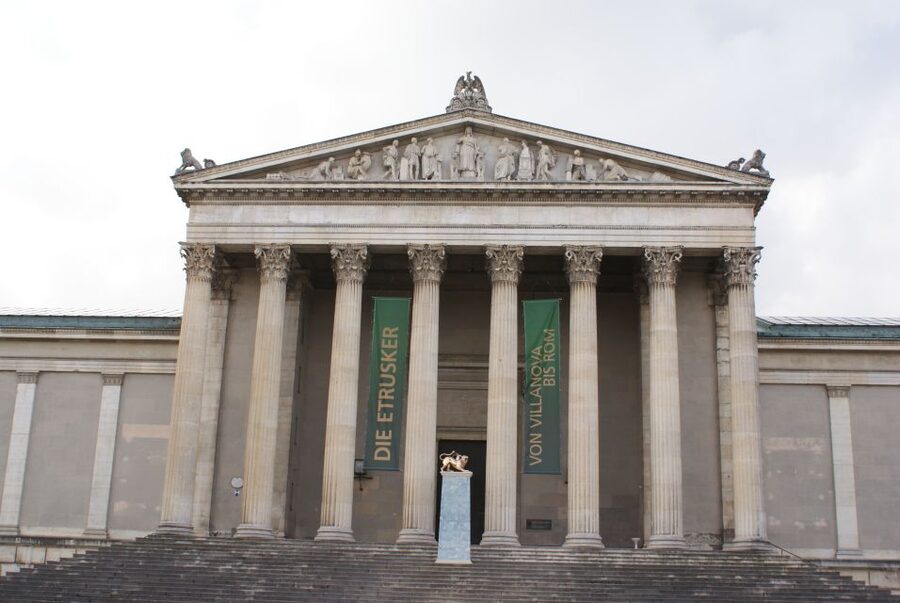
Next up is Odeonsplatz, another central area where history isn’t tucked away in a museum. Nearby you can see the home of the Bavarian State Opera and the Residenz building area—both reminders that Munich wasn’t only about politics and rallies.
That contrast is useful. It helps you grasp how a city’s cultural and political life can overlap, even when the political story is ugly. This is where the tour’s careful framing matters most: you’re seeing beautiful, serious architecture while learning how extremist gatherings found attention and supporters around mainstream public life.
This stop also gives your mind a breather. It’s not a “reset” away from the Nazi story, but it’s a change of scene that keeps the walk from feeling like one long, dark corridor.
More laps of the Altstadt and Marienplatz
- Munich: Old Town & Viktualienmarkt City Walk in German
★ 4.7 · 2,304 reviews - Munich: Night Watchman Walking Tour
★ 4.7 · 2,092 reviews - Munich Ghosts and Spirits Evening Walking Tour
★ 5.0 · 1,900 reviews
Buildings Tied to the Party and SS: Why the Details Matter
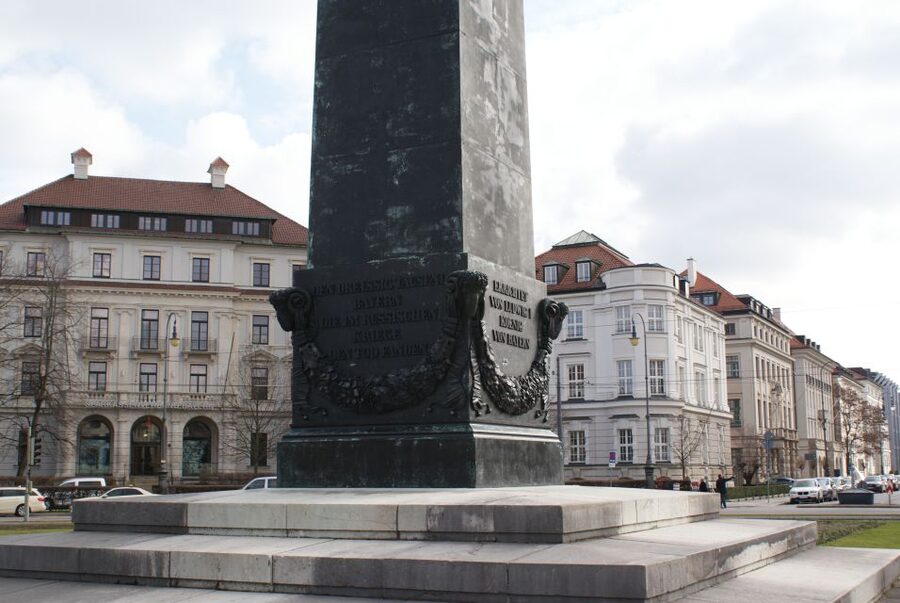
Along the route, the tour includes key buildings connected to where the Nazi party and SS were founded, as well as places tied to rallies from that era. The exact focus depends on the walk that day, but the goal stays the same: show you physical locations that connect organization and ideology to street-level reality.
This is the part I find most valuable for people who read about World War II history but want a clearer sense of how it moved from idea to institution. When you can point to specific sites, the story stops being just names and starts being about systems, meetings, and public messaging.
The guide’s delivery helps here. Reviews highlight how Alun Evans shares information in a way that stays candid while still handling the topic with care. That matters, because you’re not only learning facts—you’re learning how to look at them without losing your balance.
Koenigsplatz Rally Ground: The Nazi Message in Public Space
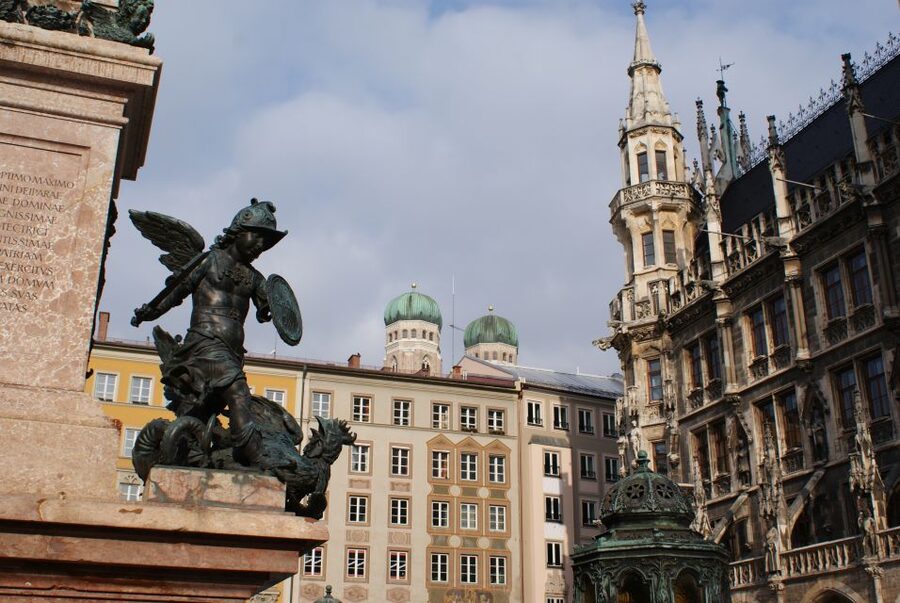
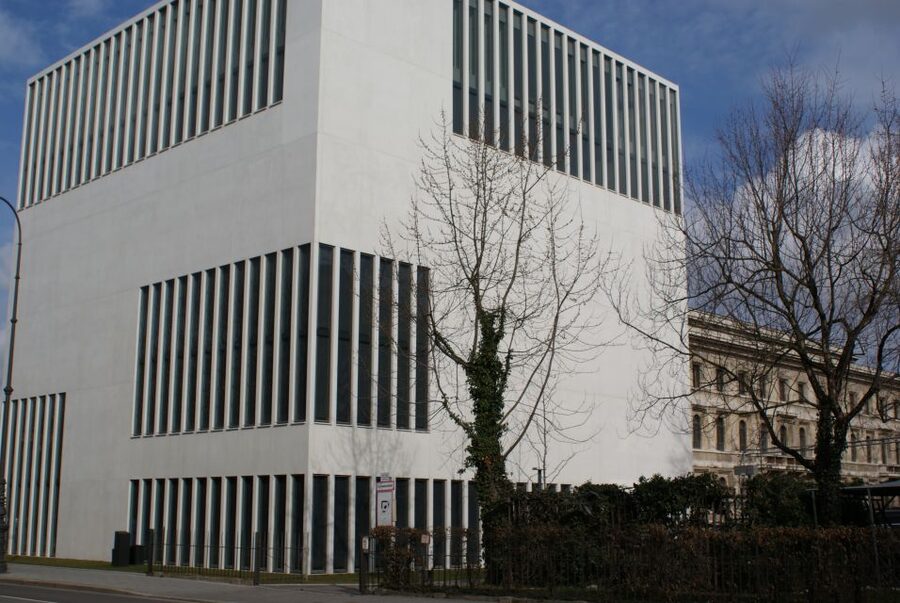
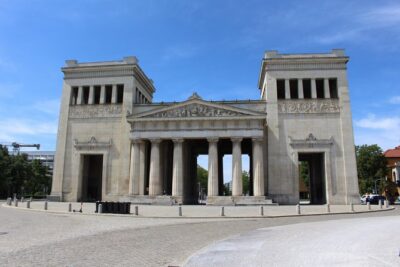
The walk ends back at Marienplatz, but a major moment on the way is reaching Koenigsplatz, where the Nazis held rallies. This is the kind of place where “public space” isn’t neutral. It becomes a stage.
I like that the tour doesn’t rush past this. You’re not just collecting photos for later. You’re seeing how large public gatherings were designed to feel official and inevitable. Standing near the rally ground makes it easier to understand why propaganda worked on crowds—because it was tied to architecture, planning, and visible presence.
Also, since this tour is only 2 hours, you get that effect without spending half a day on the topic.
Alun Evans: The Guide Factor That Makes It More Than a Checklist
A lot of walking tours have a list of stops. This one stands out because the guide—Alun Evans—brings the story with a calm, respectful tone.
From the reviews you can see the same recurring themes: he’s caring, humble, engaging, and welcoming. People also note that he treats everyone with respect and uses the right level of detail, with a style that stays patient and entertaining. On cold, snowy days, he still keeps the group focused and makes the experience easier to handle.
If you’re someone who cares about how sensitive history is taught, that’s a big deal. The tour doesn’t try to shock you for attention. It presents a terrible history in a way that helps you learn without turning the topic into entertainment.
And because the group stays small, it’s easier to ask questions. One review specifically pointed out how the smaller group made it easier to interact and engage.
Price and Logistics: Is $58 Worth It?
At $58 per person for a 2-hour small-group walk, you’re paying for a specialist guide and direct access to meaningfully connected sites, not for a bus ride or a museum ticket bundle. In other words, the value comes from the human explanation.
For me, the biggest “value lever” is the group size. When you’re capped at 10 participants, you get more conversation time and a better chance that your questions fit the pace of the tour. It’s not just a discount version of a private walk—it’s structured to work that way.
Two practical points to keep expectations realistic:
- You won’t get hotel pickup, so you need to reach Marienplatz on your own.
- Refreshments aren’t included, so plan to grab water or a snack before or after.
Timing, Weather, and How to Dress Smart for This Walk
The tour runs in all weather conditions. That’s great for reliability, but Munich weather can be tricky, especially in colder months.
Bring layers. Wear shoes that handle cobblestones and wet pavement. If you expect cold, consider gloves or something that keeps your hands warm—because standing around to hear context is part of the experience, not just walking between stops.
If you’ve got a limited itinerary, the good news is the route stays compact around central Munich. You’re not crossing the city for obscure sites, so even a short day feels manageable.
Who This Tour Fits Best (and Who Might Skip It)
This is a strong fit if you:
- Want a short, structured way to understand Munich’s Nazi-era story through real locations
- Appreciate guided interpretation rather than wandering solo with an app
- Like asking questions in a setting where the group stays small
It may be less ideal if you’re not up for emotionally heavy content. This is Nazi history, and the subject is inherently grim. The guide’s tone is respectful, but it won’t be light.
Also, if you prefer totally self-paced sightseeing, you might find the 2-hour guided format too structured. But if you want clarity, this is one of those tours where structure helps.
Should You Book This Munich Nazi History Tour?
I’d book it if you want a focused, street-level understanding of Munich’s Nazi-era story without turning it into a long, exhausting day. The biggest reasons are simple: Alun Evans’s careful, respectful guidance and the small-group size that makes the walk feel personal rather than like a fast-moving herd.
If you’re sensitive to dark topics, prepare yourself going in and plan something comforting afterward. If you want a tour that treats the subject with seriousness while still making the places understandable, this one earns its strong rating.
FAQ
How long is the Munich Nazi history walking tour?
It lasts 2 hours.
Where does the tour meet, and where does it end?
It meets in front of the Tourist information Center on Marienplatz. The tour starts at Marienplatz and returns to Marienplatz at the end.
What sites will the tour cover?
You’ll visit Hofbräuhaus München, Odeonsplatz (including the Bavarian State Opera and Residenz area), and Koenigsplatz (where the Nazis held rallies). The tour also includes key locations tied to the Nazi party and SS, and the failed Beer Hall Putsch of 1923.
What’s the group size?
The tour is a small group limited to 10 participants.
What language is the guide?
The tour is guided in English.
Is hotel pickup included?
No. Hotel pick-up isn’t included.
Does it run in bad weather?
Yes. The tour operates in all weather conditions, so you should dress for the conditions.
Is cancellation free?
Yes, there’s free cancellation up to 24 hours in advance for a full refund. There’s also an option to reserve now & pay later.
More History Walks in Munich
More Altstadt and Marienplatz Walks
More Third Reich and WWII History in Munich

Just added to the Munich Explorer notebook
Third Reich & WWII History Tours, compared.
 ★ 4.6Third Reich & WWII Walking TourFrom $316,181 reviews
 ★ 4.5Third Reich Walking Tour MunichFrom $454,291 reviews
 ★ 4.6Birthplace of the Third Reich Guided Walking TourFrom $29771 reviews
 ★ 4.5Munich World War II Sites Including Dachau Concentration CampFrom $105570 reviews
 ★ 5.0Munich City Walking Tour, includes Third Reich & ViktualienmarktFrom $31458 reviews
 ★ 4.5Third Reich & WWII Walking TourFrom $35417 reviews
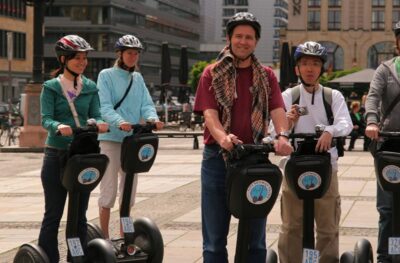 ★ 4.9Munich 3-Hour Segway Tour: Nazi Munich & Royal ArchitectureFrom $91194 reviews
 ★ 5.0Dachau Concentration Camp Memorial Site And Third Reich Day Tour From MunichFrom $145185 reviews
Browse the lists this tour appears in