
Reviewed · THIRD REICH & WWII HISTORY TOURS
Munich and Nazi History Combination Day Tour Small Group
Munich looks different after Dachau. This tour starts at Marienplatz and pairs a memorial-licensed guide at Dachau with a max 15 walking tour through the Nazi sites, so the story has clear context and no rushing.
The main drawback is the emotional weight and pace: you’ll spend about three hours at Dachau and then walk in central Munich for the afternoon, so bring patience, plan for a long day, and wear solid walking shoes. Also, kids under 14 aren’t allowed.
In This Review
- Key things to love about this Munich Nazi history day tour
- A Small-Group Day That Links Dachau to Hitler’s Munich
- Marienplatz Meeting Point: The Easy Start You’ll Appreciate Later
- Getting to Dachau by Public Transit (and Not Stressing About It)
- Dachau Concentration Camp Memorial Site: What a Memorial-Licensed Guide Changes
- The Break at Marienplatz: Lunch Timing and Smart Recovery
- Walking Through Nazi Munich: The Stops That Make the Story Concrete
- A few “not just Nazi sites” moments
- Hofbräuhaus and Führerbau: Two Stops With Different Emotional Jobs
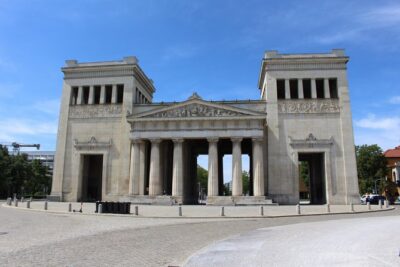
- Königsplatz Finale: Where Nazi Rallies Took Shape
- What the Timing Means for You (and How to Prepare)
- Price and Value: Is $141 Worth It?
- Who This Tour Fits Best
- Should You Book This Munich Nazi History Combination Day Tour?
Key things to love about this Munich Nazi history day tour
- Dachau, guided properly: a licensed memorial guide leads you through the site and gives time for the museum exhibit.
- Alun Evans keeps it smooth: you use the Munich transit system rather than trying to figure it out solo.
- Tight group size: max 15 participants, which makes it feel more like a private conversation than a lecture.
- Hitler and Nazi milestones in Munich: you see key places tied to the Nazi party’s rise and key 1938 events.
- Königsplatz rally grounds: the tour ends at the Nazi rally area, including the Führerbau area and nearby documentation center.
More walks tracing Munich Third Reich and wartime history
- Munich: Third Reich & WWII Walking Tour★ 4.6 · 6,181 reviews
- Third Reich Walking Tour Munich★ 4.5 · 4,291 reviews
- Munich: Birthplace of the Third Reich Guided Walking Tour★ 4.6 · 771 reviews
- Munich World War II Sites Including Dachau Concentration Camp★ 4.5 · 570 reviews
A Small-Group Day That Links Dachau to Hitler’s Munich
If you’re coming to Munich for beer halls and old stone streets, this tour is the correction that makes the city make sense. One part goes to Dachau Concentration Camp Memorial Site. The other part walks through central Munich, pointing to places connected to Adolf Hitler and the Nazi movement.
What I like most is that the day doesn’t treat history like a list of dates. You get a guide who talks with structure: what happened, why it mattered, and how Munich played a role. And because the group is limited to 15, you can ask questions without shouting over strangers.
Marienplatz Meeting Point: The Easy Start You’ll Appreciate Later
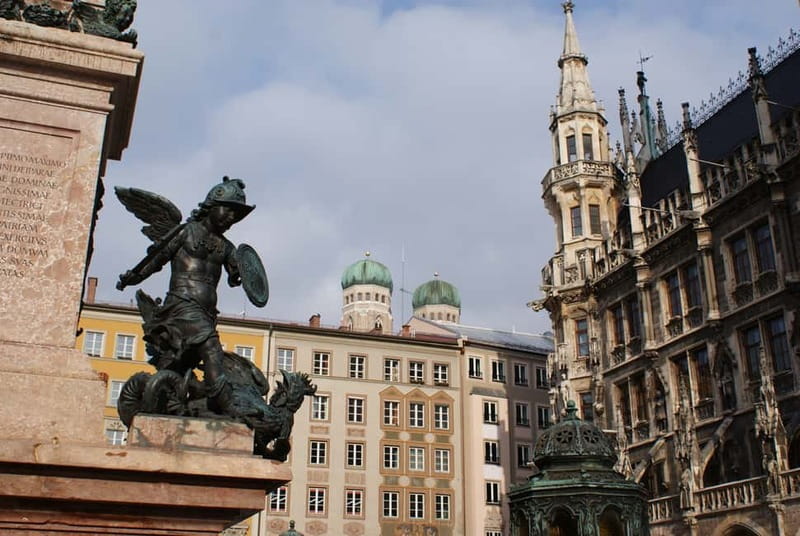
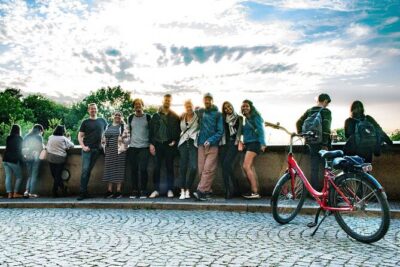
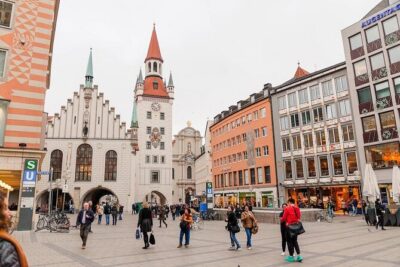
The day begins in central Munich at Marienplatz, in front of the Tourist information center. Your guide holds a placard reading Dachau Memorial Tour, so you’re not playing guessing games in a big square.
Why this matters: Marienplatz is a practical hub. You’re close to transit, and it sets you up for a day that requires timing. You’ll also have a familiar anchor point later, since the tour returns there for a break and for the final wrap-up.
Getting to Dachau by Public Transit (and Not Stressing About It)
After meeting up at 09:00 AM, you head from Marienplatz to Dachau using Munich’s transportation network. Plan for roughly 45 minutes of transit each way during the day.
This is one of those small details that saves real energy. In a city like Munich, it’s easy to waste time if you’re figuring out the route yourself. Here, the guide handles the logistics, so you can stay focused on the day’s purpose rather than counting stops like a part-time planner.
More history-minded tours of Munich
- Munich: Guided Tour of the historic Town Hall on Marienplatz
★ 4.8 · 63 reviews - Munich Craft Beer & Cultural Tour With Snack
★ 5.0 · 46 reviews - Munich History Tour: Private & Personalized with a Local Guide
★ 4.5 · 33 reviews
Dachau Concentration Camp Memorial Site: What a Memorial-Licensed Guide Changes
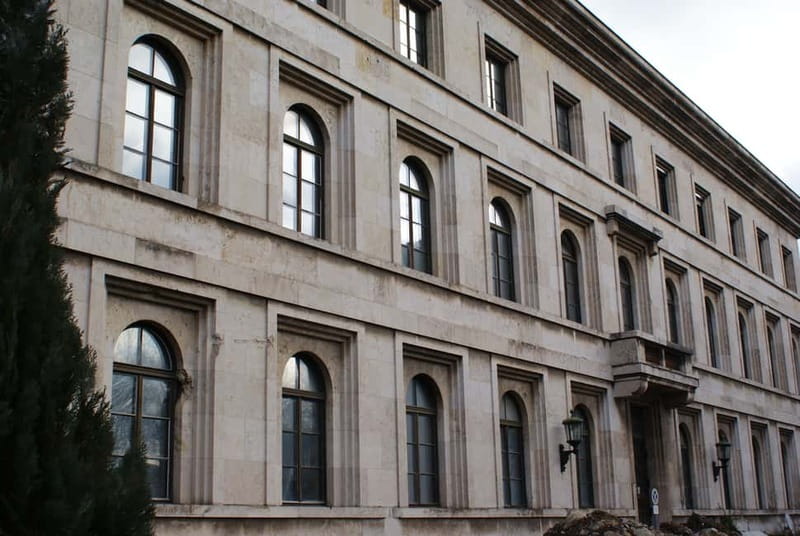
Dachau is a place of remembrance, reflection, and education. You’ll spend about 3 hours there with a guide who’s accredited for the memorial work, not just a general sightseeing guide.
I love that the tour is thorough, but you’re not stuck in a nonstop speech. You also get allocated time to explore the museum exhibit, and questions are encouraged. That blend is practical: you hear the essentials first, then you can slow down and read at your own pace.
A small note for your own expectations: if on-site access or flow changes due to current memorial regulations, the itinerary can shift. In that case, some history may be provided offsite, and you may have extra independent time on the grounds. Either way, the goal stays the same: factual, respectful guidance and room to process.
The Break at Marienplatz: Lunch Timing and Smart Recovery
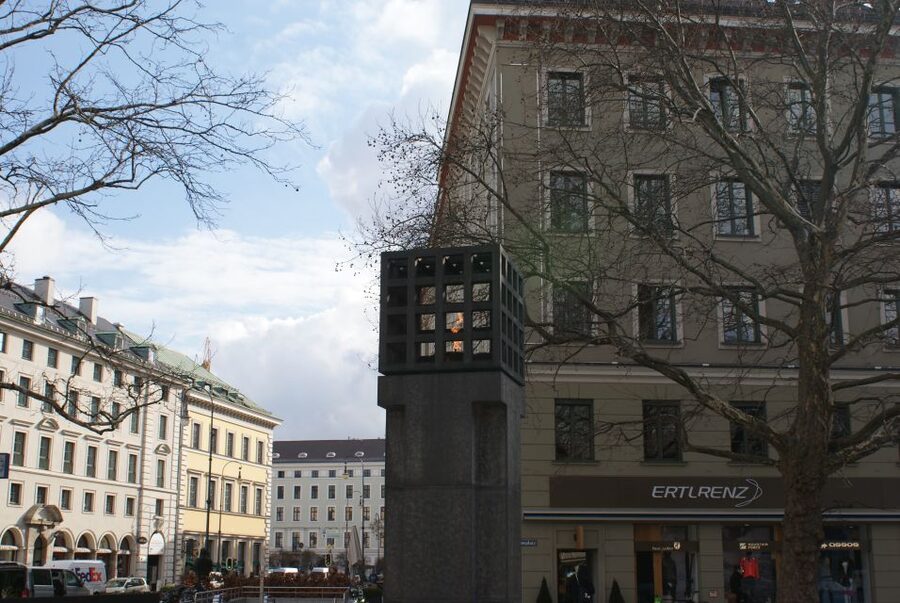
After Dachau, you return to Marienplatz and get a short break with time for refreshments and something to eat. You’ll have about 1 hour here, and your guide will offer suggestions for eateries.
Don’t treat this like a random pause. It’s your chance to reset before the afternoon walking tour. If you’re sensitive to the emotional intensity of Dachau, use this hour to step away, get a snack, and take a slower pace than you did in the morning.
If you’re hungry, eat. If you’re tired, hydrate and sit for a minute. The afternoon includes several stops across central Munich, so you’ll want your legs and head in good shape.
Walking Through Nazi Munich: The Stops That Make the Story Concrete
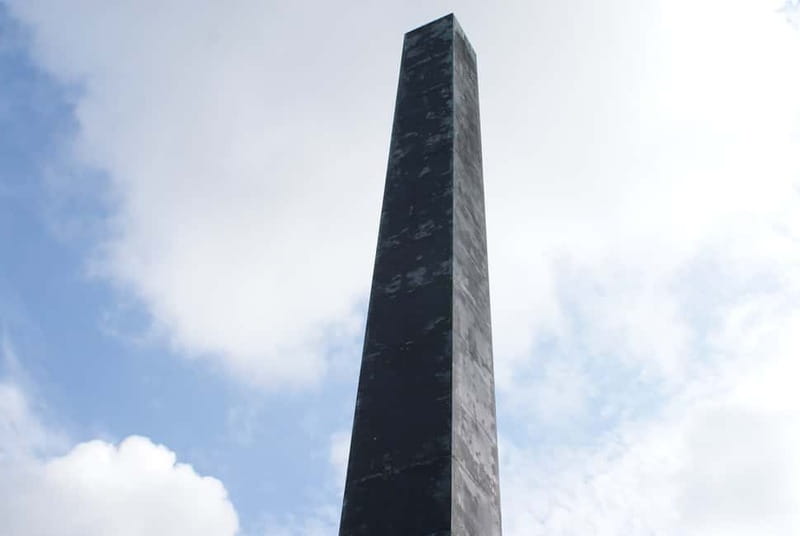
Part two begins again at 03:00 PM from Marienplatz. This is the walking part where the city stops being just pretty and starts being specific.
You’ll move through locations tied to key Nazi milestones, including:
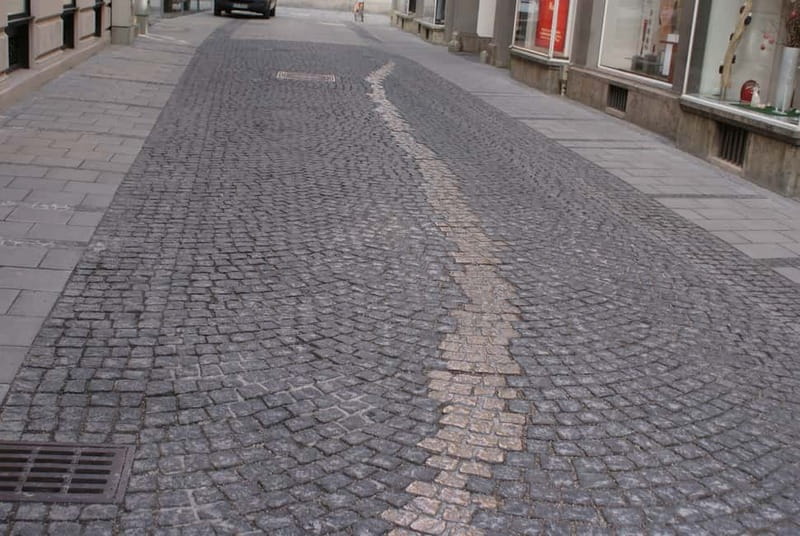
- the place where Hitler joined the German Workers Party
- a location connected to the decision to carry out a pogrom against German Jews in November 1938
- the place where the Munich Agreement was signed in 1938
This is where the tour earns its keep. Without guidance, those references float around like trivia. With a knowledgeable and organized guide, they become a chain of cause and effect that you can actually follow on foot.
A few “not just Nazi sites” moments
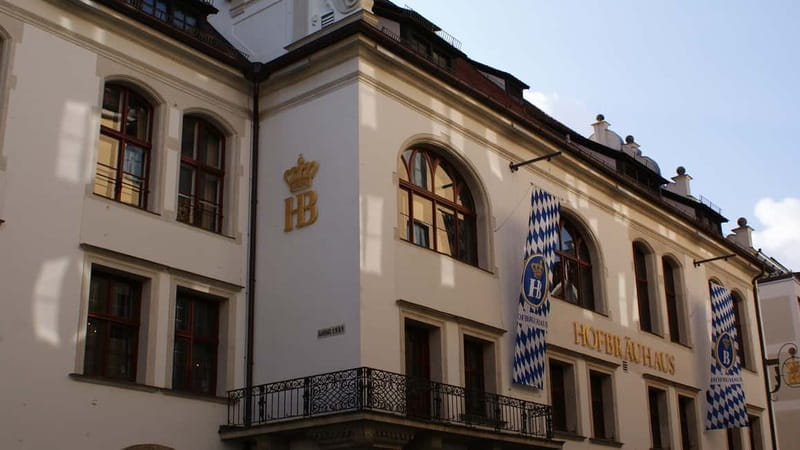
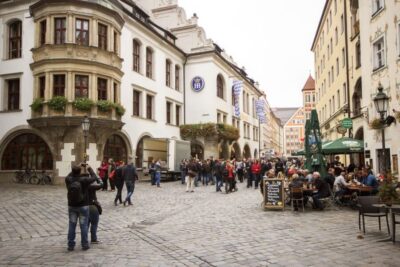
Even while the focus is the Nazi period, the route also includes Munich landmarks that help you understand the city’s texture. You’ll see the oldest parish church in Munich, plus a stop near one of the city’s quieter, traditional beer garden areas. There’s also a quick look at Hofbräuhaus München.
I found that contrast useful. It doesn’t soften what you’re learning. It makes it more real by showing you how ordinary public life sits next to the machinery of terror.
Hofbräuhaus and Führerbau: Two Stops With Different Emotional Jobs
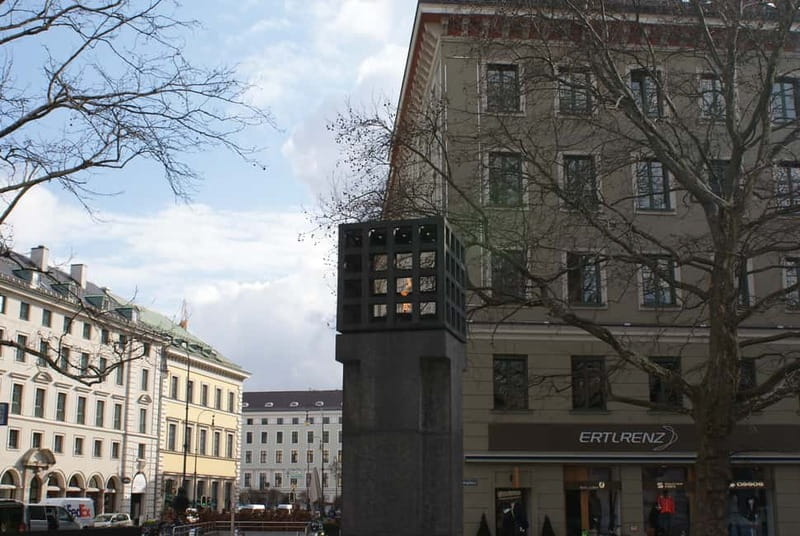
The schedule includes short guided moments at:
- Hofbräuhaus München (about 10 minutes)
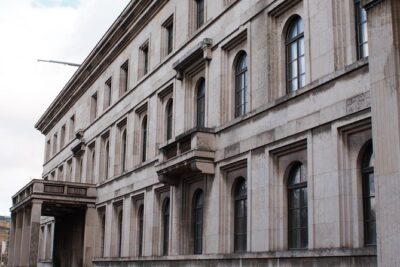
- Führerbau (about 10 minutes)
The time here is brief, but the focus isn’t sightseeing. These stops are there to connect place to power. Hofbräuhaus matters because it represents a public-facing side of Munich culture. Führerbau matters because it connects directly to the Nazi-era image-making and leadership presence.
So yes, you’ll see famous spots. No, this isn’t a “look, it’s that building” tour. The guide ties each one to the timeline so it doesn’t feel like name-dropping.
Königsplatz Finale: Where Nazi Rallies Took Shape
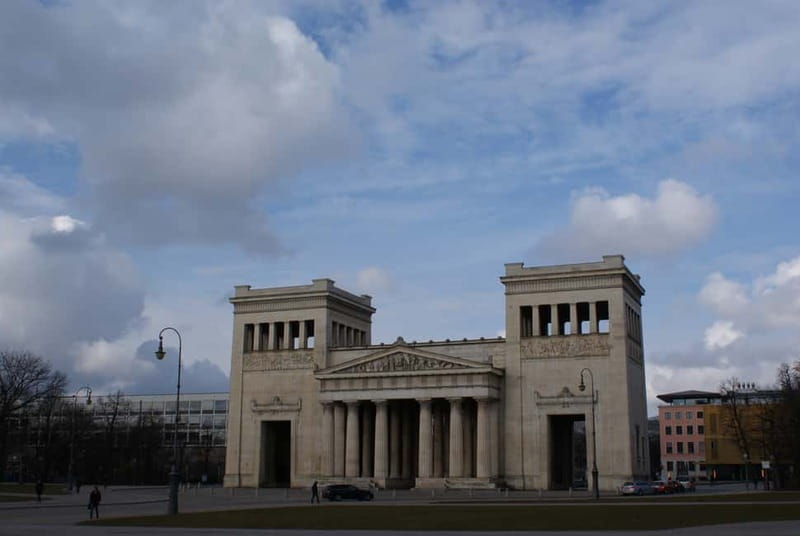
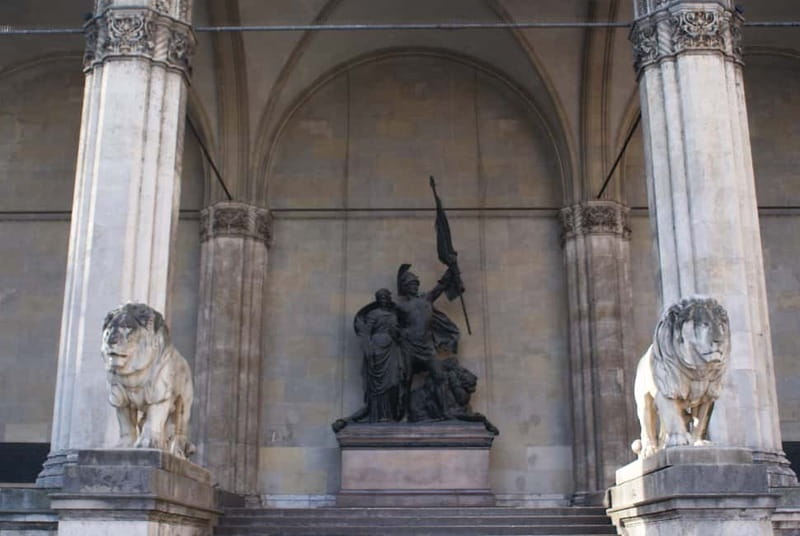
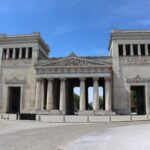
The tour finishes at Königsplatz, where the Nazis held rallies. You’ll also get guided time around the documentation center of National socialism in the area.
This ending works well because it’s physical. Königsplatz isn’t just a historical marker; it’s a sense of scale. Even if you’ve read about propaganda before, seeing the space where rallies happened helps you understand why crowds and spectacle were so effective.
Once you’re done (around the end of the ~8-hour day), you can either get help returning toward Marienplatz by train with your guide or use your own plans. Your guide can also help point you toward directions and places to eat.
What the Timing Means for You (and How to Prepare)
The whole experience is about 8 hours, and it’s built for movement: Dachau in the morning, lunch and reset, then walking around Munich in the afternoon.
Here’s what to prepare for:
- Comfort over style: you’ll do a lot of walking, so bring shoes you trust.
- Weather matters: dress for the conditions since you’re outdoors for portions of both halves.
- No large luggage: luggage or large bags aren’t allowed.
- Not for kids under 14: the tour isn’t suitable for younger children.
Also, keep your expectations respectful and realistic. Dachau is emotionally heavy. If you’re the kind of person who processes best by asking questions or reading carefully, this format is a good match because it includes both guided time and time to look around yourself.
Price and Value: Is $141 Worth It?
At about $141 per person for an 8-hour day tour, the value comes from two things.
First, you’re paying for more than transit and a route. You’re paying for a memorial-accredited guide at Dachau, plus structured guidance throughout the Munich walking portion. That kind of expertise is hard to replicate if you go solo.
Second, transportation during the tour is included. You’re not just buying a walking tour; you’re also buying a plan for the transit legs between Marienplatz and Dachau and back.
What’s not included: meals and drinks, and meals are where you’ll likely spend most of your extra money. If you want an easy day, budget for lunch on your own and keep water handy.
Overall, for a focused topic day in a major city—especially with a group size capped at 15—this is priced like a serious experience, not a quick bus stop and a photo.
Who This Tour Fits Best
This tour is a strong fit if you want:
- a structured introduction to Munich’s Nazi-era connections
- a respectful, guided visit to Dachau with time for questions and museum reading
- a small group format where you can actually talk to the guide
It’s less ideal if you:
- want a relaxed, purely scenic day
- are traveling with a child under 14
- need to carry large bags or heavy luggage
Should You Book This Munich Nazi History Combination Day Tour?
If your goal is to understand Munich beyond postcards—especially the city’s role in the Nazi period—this is one of the more practical ways to do it. The format is tight: Dachau first, context in hand, then Munich’s key locations on foot. You also get the benefit of a guide who can handle both the logistics and the emotional weight without turning the day into either a lecture marathon or a shallow checklist.
Book it if you’re ready for a long, serious day and you care about getting the facts right. Skip it if you want light, casual history or if you’re not prepared for the emotional impact of Dachau.
More History Walks in Munich
More Third Reich and WWII History in Munich
Just added to the Munich Explorer notebook
Third Reich & WWII History Tours, compared.
 ★ 4.6Third Reich & WWII Walking TourFrom $316,181 reviews
 ★ 4.5Third Reich Walking Tour MunichFrom $454,291 reviews
 ★ 4.6Birthplace of the Third Reich Guided Walking TourFrom $29771 reviews
 ★ 4.5Munich World War II Sites Including Dachau Concentration CampFrom $105570 reviews
 ★ 5.0Munich City Walking Tour, includes Third Reich & ViktualienmarktFrom $31458 reviews
 ★ 4.5Third Reich & WWII Walking TourFrom $35417 reviews
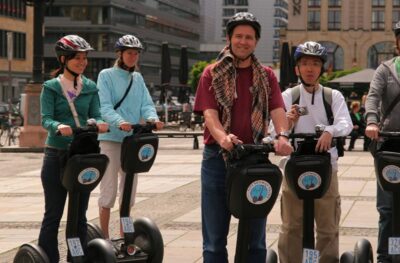 ★ 4.9Munich 3-Hour Segway Tour: Nazi Munich & Royal ArchitectureFrom $91194 reviews
 ★ 5.0Dachau Concentration Camp Memorial Site And Third Reich Day Tour From MunichFrom $145185 reviews
Browse the lists this tour appears in