
Reviewed · THIRD REICH & WWII HISTORY TOURS
Private Tour: Munich Third Reich Walking Tour
From the street corners to the key buildings, this walk is history you can touch.
I like that it is a private tour with a history-expert guide who can pace the walk around your questions, not the other way around. I also like that it focuses on the places tied to Munich’s Third Reich story, from early Nazi moves to the 1923 power grab, so you leave with a clear sense of how events unfolded on the ground. One thing to consider: this is a heavy subject, and it is a walking tour, so you’ll want comfortable shoes and a willingness to sit with difficult history.
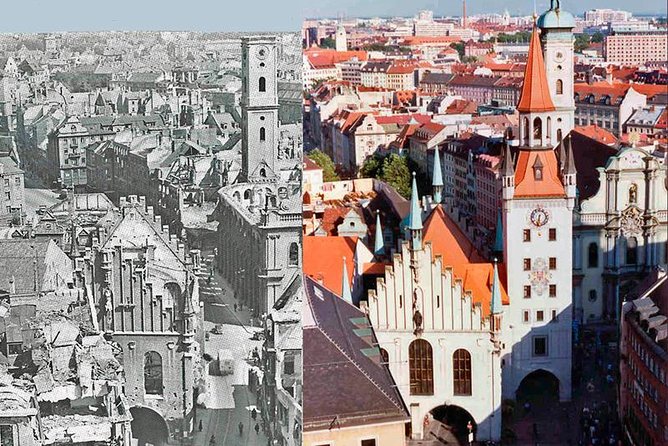
You typically start with pickup from a central Munich hotel or at a nearby meeting point, then end back where you began. Expect about 2 hours of walking around Old Town sights, plus a final stop at Staatliches Hofbräuhaus for beer-house atmosphere. Because many of the areas have changed since that era, your guide may use visuals to help you map what happened where.
Key points to know before you go
- Private guide control: You get one guide for your group, so you can ask questions and adjust the pace.
- Street-level Third Reich sites: You’ll see buildings tied to the Nazi rise and the regime’s machinery.
- The Beer Hall Putsch focus: The 1923 Munich power attempt is a major anchor of the tour.
- Old Town orientation: You end up covering central areas that help you navigate Munich after.
- Hofbräuhaus finish: You get a classic beer hall stop without turning the tour into a party.
- English tour: Offered in English with a mobile ticket option.
In This Review
- What You Actually See on This Munich Third Reich Walk
- Getting Started: Dachauer Straße 4 and Hotel Pickup
- Marienplatz: Munich’s Center as a Stage for 20th-Century Politics
- Hitler’s Early Nazi Connections: Following the Thread Through Buildings
- Gestapo Headquarters: How Power Works in Real Space
- The 1923 Beer Hall Putsch: Where Munich Became a Flashpoint
- Staatliches Hofbräuhaus Finish: A Beer-Hall Moment Without the Mess
- How the Guide Changes the Experience (And Why Q&A Matters)
- Price and Value: What $240.28 Gets You in Munich
- Who This Tour Suits Best
- Practical Tips to Get More From Your Walk
- Should You Book This Munich Third Reich Walking Tour?
- FAQ
- How long is the Private Munich Third Reich Walking Tour?
- Is this tour private?
- What language is the tour offered in?
- Where does the tour start and end?
- Do you offer hotel pickup?
- What is included in the price?
- Are food and drinks included?
- How long in advance should I book?
- What is the cancellation window for a full refund?
- Is it suitable for most travelers and can service animals attend?
What You Actually See on This Munich Third Reich Walk
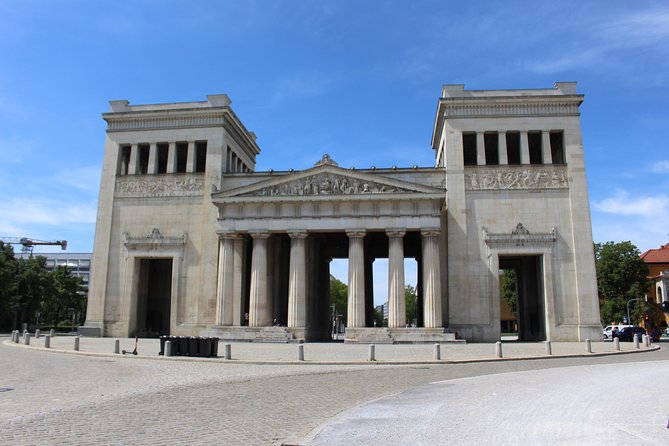
This is not a museum tour with a headset and a script. It is a walking tour through central Munich, built around real locations tied to Nazi Germany and Adolf Hitler’s rise in the city. The payoff is that you connect dates and headlines to specific street corners and recognizable landmarks.
In about 2 hours, you’ll move through the city’s Old Town area while your guide ties each stop to what it meant at the time. The tone tends to be explanatory rather than performative, with room for questions. Guides on this format have shown the ability to answer follow-ups patiently, including lots of detail, even when the group is moving slower than average.
The subject matter is understandably serious. If you prefer light sightseeing only, you might want a different tour. But if you want to understand Munich’s role in the Third Reich story without guessing from guidebooks, this is a direct route.
More walks tracing Munich Third Reich and wartime history
- Munich: Third Reich & WWII Walking Tour★ 4.6 · 6,181 reviews
- Third Reich Walking Tour Munich★ 4.5 · 4,291 reviews
- Munich: Birthplace of the Third Reich Guided Walking Tour★ 4.6 · 771 reviews
- Munich World War II Sites Including Dachau Concentration Camp★ 4.5 · 570 reviews
Getting Started: Dachauer Straße 4 and Hotel Pickup
Your tour begins at the Radius Tours office area on Dachauer Str. 4 (80335 München), unless you’ve arranged hotel pickup. If you forward your hotel details, pickup is offered from any central accommodation. If you do not, you should meet the guide at Dachauer Straße 4.
This matters more than it sounds. In Munich’s center, a smooth start saves you energy for the walking that comes next. Also, starting at a known point helps you feel oriented fast, especially if you’re new to the city.
The tour ends back at the start point, which is handy when you want to keep your afternoon plans intact. One small practical note: the tour is near public transportation, but it is still easiest if you assume you’ll be doing a fair chunk of on-foot time.
Marienplatz: Munich’s Center as a Stage for 20th-Century Politics
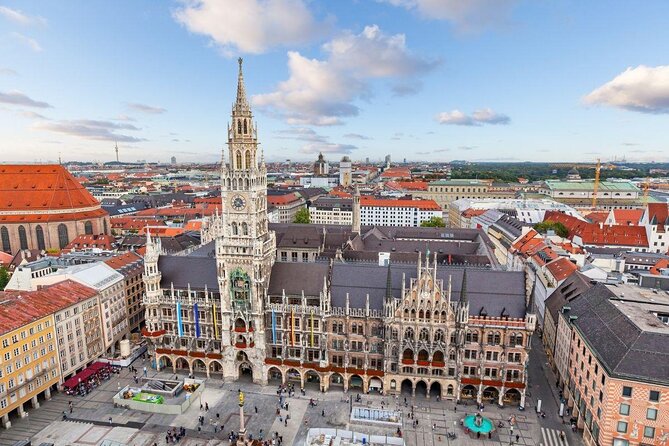
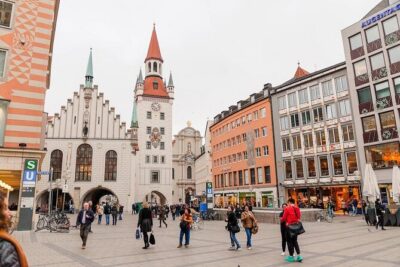
A key early stop is Munich’s Marienplatz, the central square that functions like the city’s meeting room. In this kind of tour, Marienplatz is useful because it anchors you in what feels like the public face of Munich, then your guide can point toward how private ambitions and political organizing played out in the same streets.
Even if you already know Marienplatz from photos, hearing the context changes how you see it. You start to notice how central gathering spots can support movement-building—through speeches, rumors, and attention that spreads quickly.
Plan to spend a short block of time here, enough to look around without turning it into a long detour. You’re not here for general city history; you’re here for how the Third Reich story intersects with Munich’s core.
Hitler’s Early Nazi Connections: Following the Thread Through Buildings
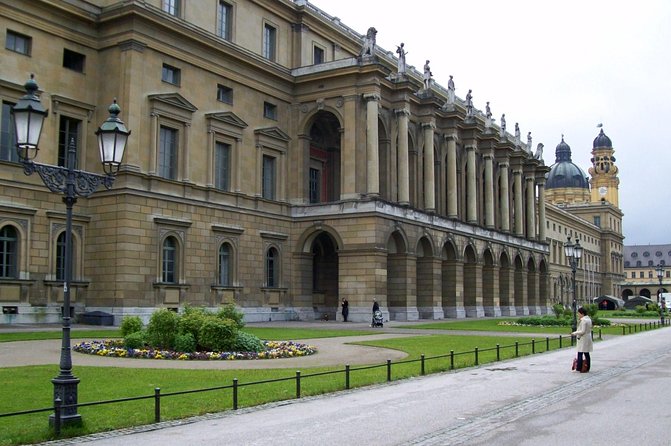
One of the standout elements is the way the tour links separate moments into a single storyline. You’ll visit the building connected to where Hitler first joined the Nazi party, which helps you understand that political rise wasn’t just a sudden event—it was a series of choices, organizations, and opportunities.
Your guide’s job here is to make the connections feel logical rather than random. This is also where a good guide makes a difference: you want someone who can explain what mattered about that location at the time, not just identify it as a landmark.
A practical bonus: if you’re the kind of traveler who asks, how exactly did that happen?, this tour is set up for conversation. One reason people get a lot out of it is that the guide can handle lots of questions while keeping the tour flowing.
More laps of the Altstadt and Marienplatz
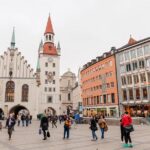
- Munich: Old Town & Viktualienmarkt City Walk in German
★ 4.7 · 2,304 reviews - Munich: Night Watchman Walking Tour
★ 4.7 · 2,092 reviews - Munich Ghosts and Spirits Evening Walking Tour
★ 5.0 · 1,900 reviews
Gestapo Headquarters: How Power Works in Real Space
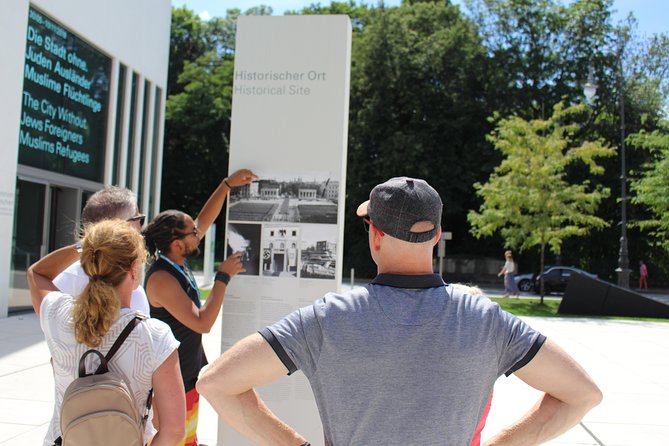
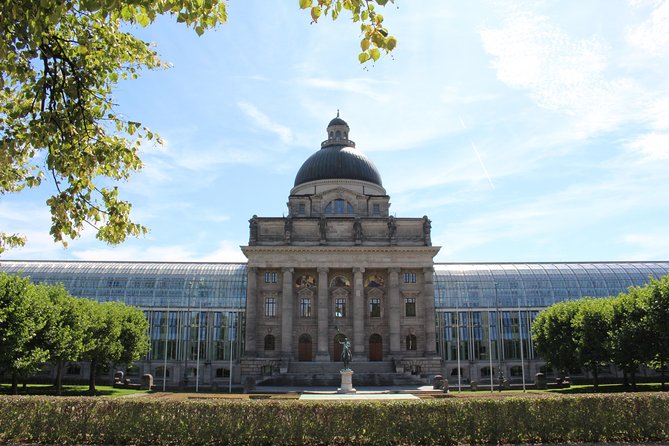
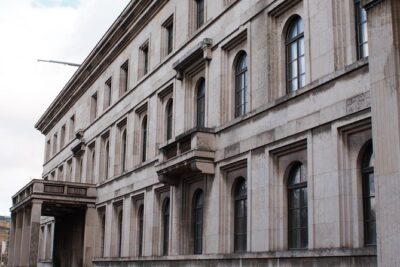
The tour includes a stop at the former headquarters of the Gestapo. This is the part of the walk where you really feel the weight of what “a regime” means when it’s backed by enforcement.
Even without going into graphic detail, your guide should help you understand how institutions operate—who had authority, what the building represents, and why it mattered to ordinary people living under the system. This stop is valuable because it moves you beyond “political ideas” into the mechanisms of control.
If you’re sensitive to heavy topics, it helps to know that this tour is structured to contextualize the sites. You’re not just looking at a building; you’re learning what the building meant inside the Nazi power structure.
The 1923 Beer Hall Putsch: Where Munich Became a Flashpoint
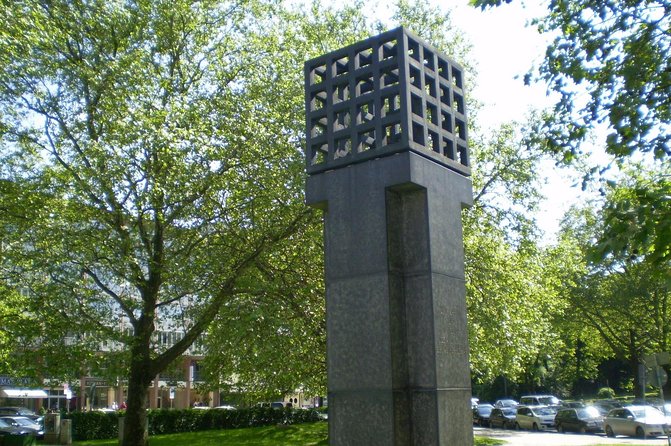
Another major highlight is the stop at the place where the Beer Hall Putsch—also called the Munich Putsch—took place in 1923. A failed coup attempt sounds like history you could read in a book, but seeing it in place helps it click.
Your guide connects the event to Hitler’s trajectory and the Nazi party’s strategy at the time. The point isn’t just the date; it’s how an attempted seizure of power can reshape a movement afterward—changing its tactics, its public messaging, and its leadership story.
This stop tends to be a turning point in the tour because it clarifies why Munich mattered beyond being just Hitler’s hometown. You get a clearer sense of how local events fed national outcomes.
Staatliches Hofbräuhaus Finish: A Beer-Hall Moment Without the Mess
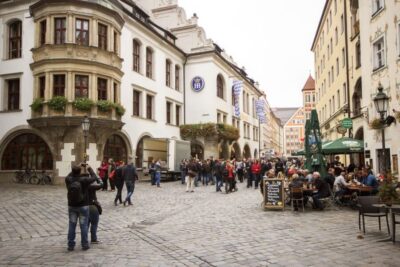
The tour ends with a stop at Staatliches Hofbräuhaus. Yes, it’s famous for beer, but the real value here is timing and atmosphere. After 2 hours of serious walking, you get a familiar Munich setting that’s easy to enjoy without committing to a long meal.
You can use this stop in two ways:
- If you want a break, grab a drink and reset your brain before continuing on your own.
- If you want to keep touring, use the location and the walk you already did to plan your next move.
Just remember: food and drinks are not included. That’s normal for a walking tour, and it keeps the tour price focused on guiding and transportation support.
How the Guide Changes the Experience (And Why Q&A Matters)
The guides associated with this tour have a track record of handling detailed questions and adjusting to different walking speeds. You’ll see that reflected in the way the tour is described: personalized attention is part of the design, not an add-on.
If you’re traveling with kids or a mix of ages, this kind of private format can be a lifesaver. One guide has been known to tailor talking points to keep younger people engaged, which tells me the guides are used to adapting—not just reading a script.
There can be trade-offs, too. One account highlighted that the tour felt flustered at moments and that sight order was harder to follow. That doesn’t mean you should avoid the tour, but it does suggest you may want to bring a mindset of flexibility: if you ask questions, you’re likely to get strong answers, but the walking flow can vary depending on the guide and group energy.
Either way, the best thing you can do is come curious. If you ask specific questions—about dates, institutions, or why Munich—your guide can connect the dots in a way a brochure never will.
Price and Value: What $240.28 Gets You in Munich
At $240.28 per person, this tour is not the budget end of the market. The value comes from what you’re buying: a private guide, time in central Munich, and hotel pickup and drop-off (when you provide your details or meet at the office).
Here’s how I’d judge the price fairly:
- You’re paying for access to a guide who can answer questions and adjust pacing, instead of following a fixed group schedule.
- The tour includes pickup and return, which saves you time and hassle compared to figuring out transit on your own.
- You’re covering multiple key locations in a short window, which is a big deal if you only have a couple days in Munich.
If you are traveling solo, the price can feel steep. If you’re splitting the cost within a small group (and you want a guide instead of a self-guided walk), it often feels more reasonable fast.
Also consider the alternative: DIY walking through Nazi-era sites is possible, but you would still need context to understand what you’re looking at. This tour is essentially buying the context plus the navigation support that helps you not miss key places.
Who This Tour Suits Best
I’d put this tour in the best-fit category for people who:
- Want a guided explanation of Munich’s role in the Third Reich story, not just a list of plaques.
- Enjoy walking tours where the guide connects events to exact locations.
- Ask questions. This tour is set up to handle them.
- Prefer a private experience over large group formats.
It may be less ideal if you:
- Want only upbeat sightseeing and photo stops.
- Have limited mobility and need a very low-walking option (the tour is still designed for “most travelers,” but it is built around multiple stops).
- Are looking for a dining-centered outing. Food and drinks are not part of the package.
If you’re the type who likes order and tight structure, you might want to mentally allow for small variations in pace. Private tours can be flexible, which is great when it works, but it can feel less linear if the day runs differently.
Practical Tips to Get More From Your Walk
A few small habits will make this tour more rewarding:
- Wear comfortable shoes. You’ll be on foot around central sights for about 2 hours.
- Bring a question list. Even three good questions can steer the whole experience into what you care about.
- Plan your next stop around the end point. Since it ends back where it started and includes a finish at Hofbräuhaus, you can keep the afternoon simple.
- If you want extra context, ask the guide to explain how each location fits the timeline—early Nazi party links, the Gestapo role, and the 1923 coup attempt.
And because the subject is heavy, I recommend treating the tour like a learning session, not a binge. Let yourself pause and absorb. Your guide will usually pace the conversation to keep it understandable.
Should You Book This Munich Third Reich Walking Tour?
Book it if you want Munich’s Third Reich story told through real places with a private guide who can answer questions and adjust to your pace. I like that it doesn’t rush you through a random collection of sites; it organizes them into a storyline that makes the city’s political turning points easier to understand.
Skip it if your goal is light sightseeing, or if you don’t want to spend a couple hours on difficult topics. Also, if your travel schedule is tight, do a quick confirmation with the provider before you leave for the day, since there has been at least one reported case of a cancellation without adequate notice.
If you’re curious and willing to walk, this is a strong way to see central Munich while learning how power and politics played out on its streets.
FAQ
How long is the Private Munich Third Reich Walking Tour?
The tour lasts about 2 hours.
Is this tour private?
Yes. It is a private tour, so only your group participates.
What language is the tour offered in?
The tour is offered in English.
Where does the tour start and end?
It starts at Dachauer Str. 4, 80335 München, Germany (or a centrally arranged pickup if you provided hotel details) and ends back at the start point.
Do you offer hotel pickup?
Yes, pickup is offered from central Munich accommodations. If you don’t provide hotel details, you should meet the guide at the tour office on Dachauer Straße 4.
What is included in the price?
Included features are a private tour, a professional guide, and hotel pickup and drop-off.
Are food and drinks included?
No. Food and drinks are not included.
How long in advance should I book?
On average, this tour is booked about 38 days in advance.
What is the cancellation window for a full refund?
You can cancel up to 6 days in advance for a full refund.
Is it suitable for most travelers and can service animals attend?
The tour states that most travelers can participate, and service animals are allowed. It is also near public transportation.
More Altstadt and Marienplatz Walks
More Third Reich and WWII History in Munich
Just added to the Munich Explorer notebook
Third Reich & WWII History Tours, compared.
 ★ 4.6Third Reich & WWII Walking TourFrom $316,181 reviews
 ★ 4.5Third Reich Walking Tour MunichFrom $454,291 reviews
 ★ 4.6Birthplace of the Third Reich Guided Walking TourFrom $29771 reviews
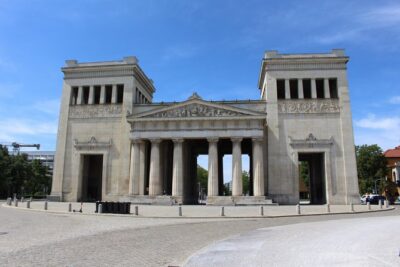 ★ 4.5Munich World War II Sites Including Dachau Concentration CampFrom $105570 reviews
 ★ 5.0Munich City Walking Tour, includes Third Reich & ViktualienmarktFrom $31458 reviews
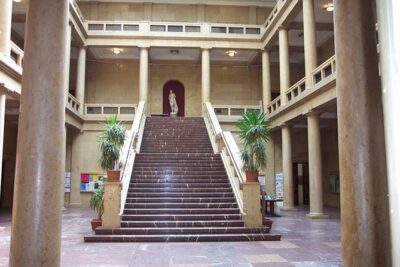 ★ 4.5Third Reich & WWII Walking TourFrom $35417 reviews
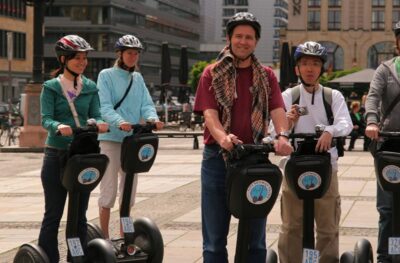 ★ 4.9Munich 3-Hour Segway Tour: Nazi Munich & Royal ArchitectureFrom $91194 reviews
 ★ 5.0Dachau Concentration Camp Memorial Site And Third Reich Day Tour From MunichFrom $145185 reviews
Browse the lists this tour appears in