
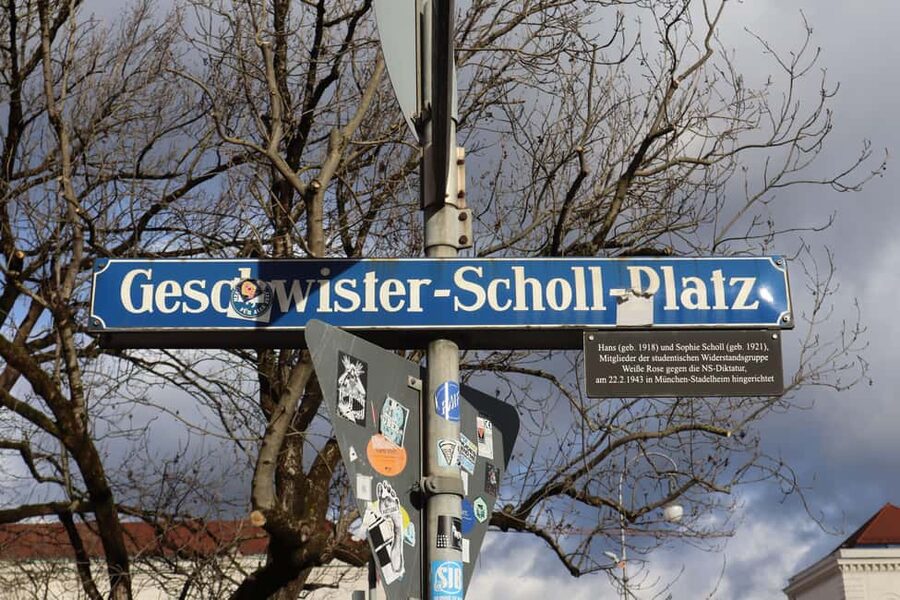
Reviewed · THIRD REICH & WWII HISTORY TOURS
Munich: “The Beginning and the End of the Third Reich” Walking Tour
Hard history, clear storytelling.
This 3-hour Munich walking tour follows a straight timeline, starting in the 1920s when the Nazi Party began gaining ground in the city, and moving through to the events tied to the end of the Third Reich. I like how it stays understandable even if you know nothing going in, and I also like the way your guide uses period images, photographs, and documents (including diaries and books) so the story feels real, not abstract.
One thing to consider: this is an Italian-led tour, and some material may be shown in its original language, so it may feel slower if your Italian is basic.
In This Review
- Key things you’ll notice on the ground
- A 3-Hour Timeline You Can Actually Follow
- Getting Started at Bar Milano-Torino and Finishing at Geschwister-Scholl-Platz
- Two Guided Sessions, One Continuous Story
- Munich and the Early Nazi Years: Seeing How It Took Hold
- The Regime in Focus: Central Role of the City
- Resistance Also Belongs on These Streets
- The Guide’s Style: Fabio, Prepared and Clear
- No Prior Knowledge Needed (and Why That’s a Big Deal)
- Walking 5 km in Munich: Practical Comfort Tips
- Italian-Led Tour: Who It Fits Best
- Price and Value: Is $23 Good for This Kind of Tour?
- Who Should Book This Tour—and Who Might Not
- Should You Book the Beginning and the End of the Third Reich Tour?
- FAQ
- How long is the tour?
- What language is the guided tour in?
- Do I need any transport tickets?
- What distance will I walk?
- Where do I meet and where does it end?
- Do I need prior historical knowledge?
Key things you’ll notice on the ground
- Small group pacing that keeps questions possible without rushing you
- Chronological route from early Nazi footholds to the regime’s collapse
- 5 km of walking through central Munich, split into two guided chunks
- Period documents and diary-style sources that make the history feel personal
- Munich + resistance included, not just the regime side of the story
- Accessible format for many visitors, including wheelchair access
More walks tracing Munich Third Reich and wartime history
- Munich: Third Reich & WWII Walking Tour★ 4.6 · 6,181 reviews
- Third Reich Walking Tour Munich★ 4.5 · 4,291 reviews
- Munich: Birthplace of the Third Reich Guided Walking Tour★ 4.6 · 771 reviews
- Munich World War II Sites Including Dachau Concentration Camp★ 4.5 · 570 reviews
A 3-Hour Timeline You Can Actually Follow
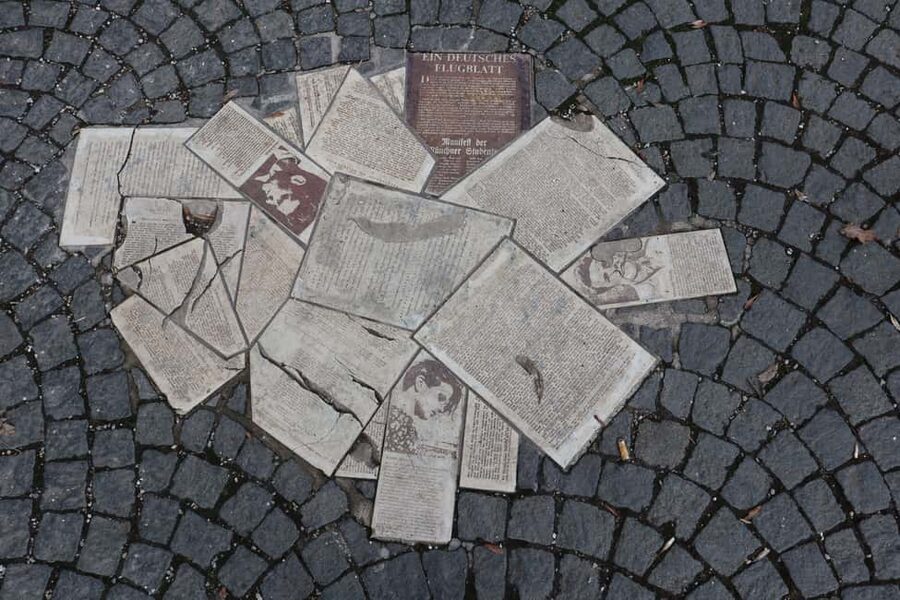
This tour is built for people who want order. Instead of hopping around with a bunch of unrelated stops, you move through history in time—step by step—so the big picture clicks. You start in the 1920s, when the Nazi Party’s early steps in Munich begin to matter, then you continue forward until you reach the events that signal the end of the Third Reich.
What makes that valuable is how it trains your eye. As you walk through Munich, you’re not just looking at buildings. You’re learning what kind of events happened there and how power, propaganda, and public life changed over time. And because the format is clear and designed for beginners, you won’t feel like you need a textbook before you show up.
If you’re someone who often leaves history tours confused or overwhelmed, this one does the opposite. It gives you a timeline you can carry with you after the walk.
Getting Started at Bar Milano-Torino and Finishing at Geschwister-Scholl-Platz
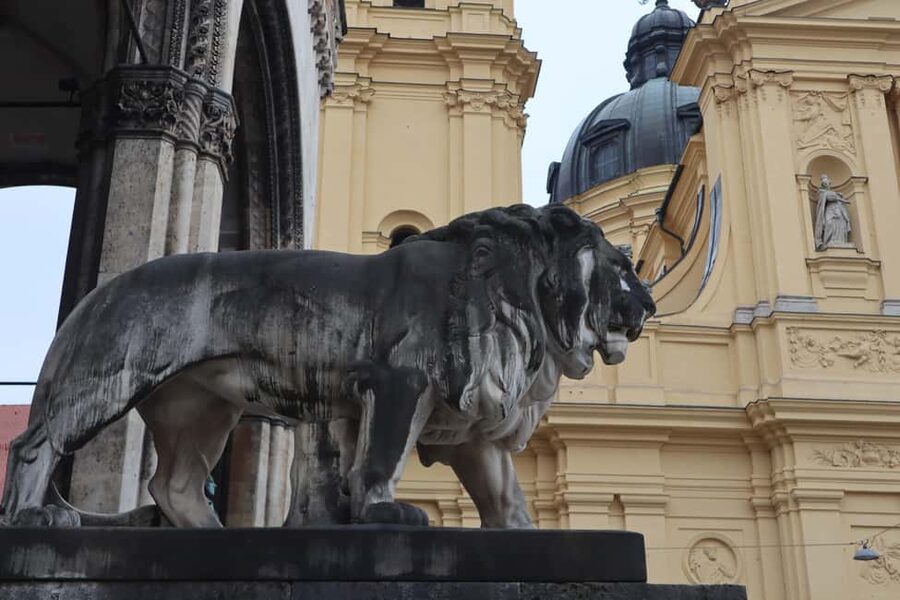
The tour meets in front of Bar Milano–Torino, right to the point so you can find it quickly. The first stage begins near Lueg ins Land 1, and after about 3 hours total you end at Geschwister-Scholl-Platz 1.
You’ll walk roughly 5 km over the whole experience. That’s a manageable distance for most people, especially since the route is guided and planned to be “city-friendly.” The tour also includes a mid-tour break of about 15 minutes, which matters more than you might think—history can be heavy, and a short pause keeps your brain from overheating.
One practical plus: the tour doesn’t require transport tickets. That means you can focus on the walk and the story without worrying about transit logistics.
Two Guided Sessions, One Continuous Story
The structure is simple: two guided segments of about 1.5 hours each, separated by that 15-minute break. That split keeps the pacing human. You get time to absorb a section of the timeline, then you reset before continuing.
In the first half, you’re usually building context—how Munich ties into the rise of National Socialism. Then the second half shifts toward the later chapters, including the events connected to the regime’s fall and the city’s role beyond the official story.
The mid-break is also a chance to regroup if the topic feels intense. You’re not expected to power through straight lines for the entire 3 hours. The design helps you stay attentive, and it keeps the tour from feeling like a lecture that never lets up.
More laps of the Altstadt and Marienplatz
- Munich: Old Town & Viktualienmarkt City Walk in German
★ 4.7 · 2,304 reviews - Munich: Night Watchman Walking Tour
★ 4.7 · 2,092 reviews - Munich Ghosts and Spirits Evening Walking Tour
★ 5.0 · 1,900 reviews
Munich and the Early Nazi Years: Seeing How It Took Hold
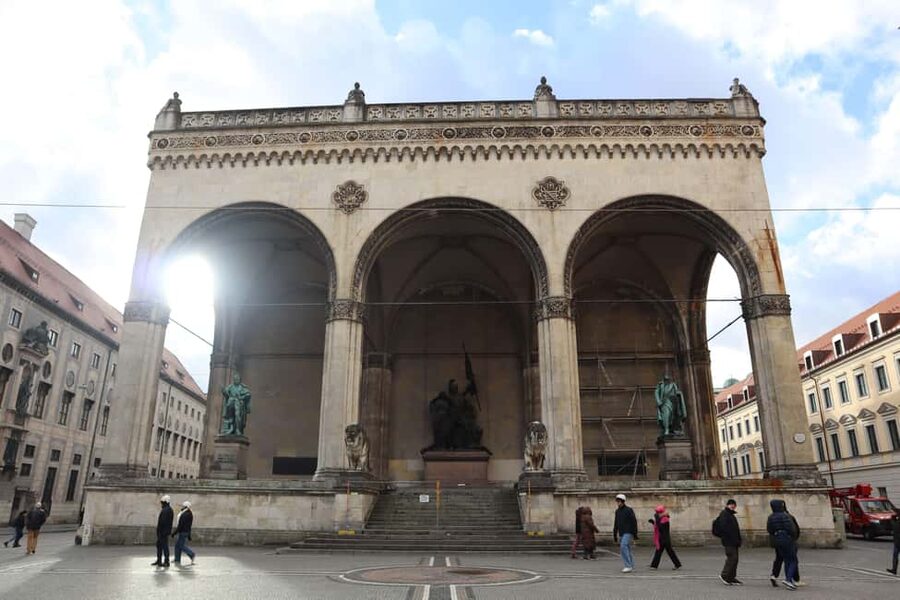
When the tour moves into the 1920s, it focuses on the early beginnings—how the Nazi Party takes steps in Munich and why that city becomes central to the movement. Even if you don’t know names or dates ahead of time, you can still follow the arc because the tour is meant to be clear from the start.
This part matters because it shows the mechanics of how political movements grow: attention, influence, and the way messages travel in everyday public life. You’re not only learning about ideology in the abstract. You’re learning how a specific place helped shape momentum.
A smart part of the tour here is the use of period images and photographs. Seeing historical visuals alongside the timeline helps you avoid the common problem of reading about the past without feeling its texture. It’s easier to understand what’s changing when you can picture what it looked like in the moment.
The Regime in Focus: Central Role of the City
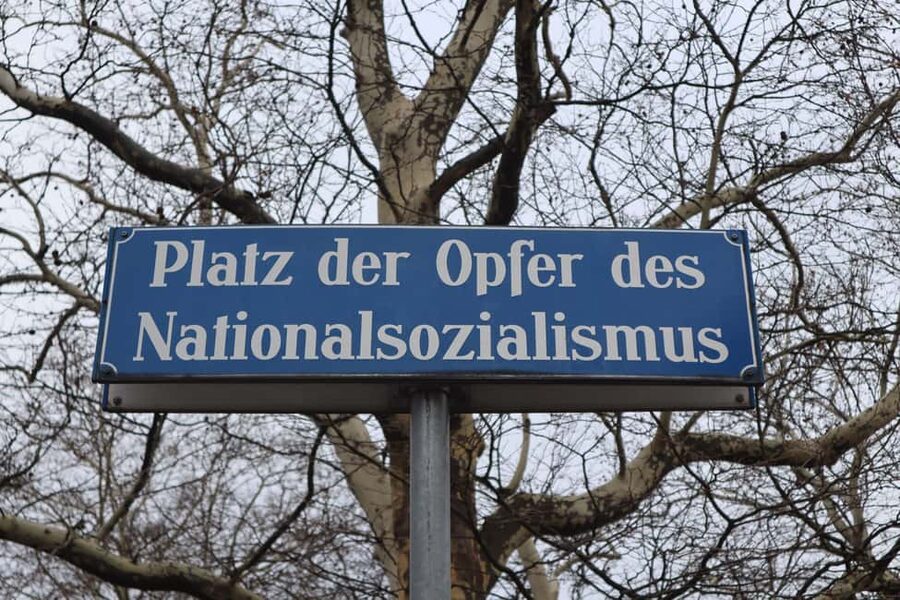
After the early foothold, the tour centers on Munich’s role in National Socialism. This is where the story stops being a theory and becomes a map of how a city can be part of a regime’s machinery—socially, politically, and culturally.
You’ll get explanations grounded in tangible sources—photos, documents, and written materials drawn from diaries and books. That approach helps because it shows history as something recorded and remembered, not just something that happened long ago. It also gives you more than “what” happened; it helps you understand “how it was presented” and “how it was experienced.”
And because the tour is chronological, the regime chapter doesn’t feel like random facts stacked together. It builds on what you already learned in the opening segment, so the logic stays intact.
Resistance Also Belongs on These Streets
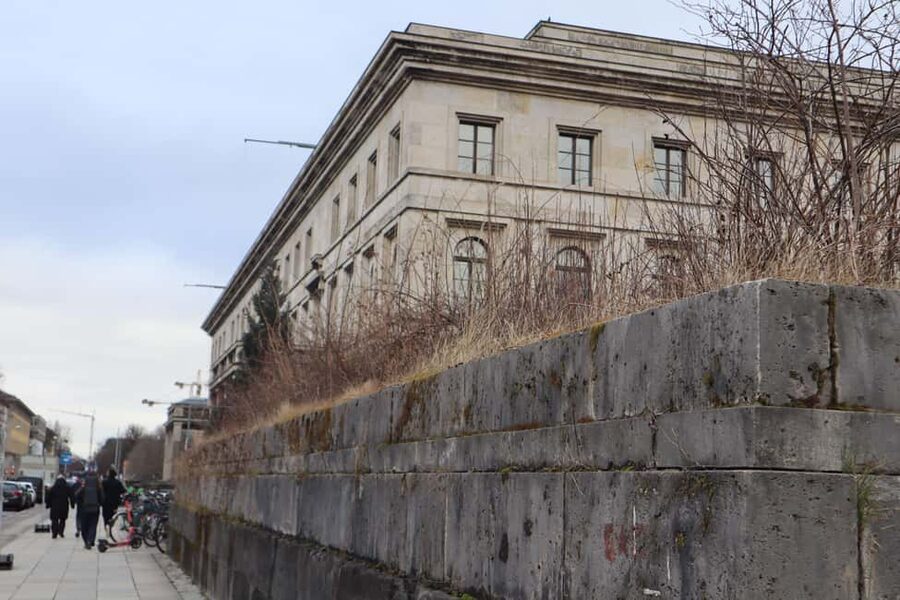
One of the strongest features here is that it doesn’t treat resistance as an afterthought. The route includes Munich’s role in resistance to the regime, so you see more than one side of what people lived through.
That balance is important. When tours focus only on how regimes win, you end up with a one-dimensional story. Here, you get the other side: that even within the same city tied to the Nazis’ rise and power, people resisted. Whether you’re looking at documents or listening to the guide’s explanation, the goal is to broaden your understanding of what “history” includes.
For many visitors, this is the moment the tour becomes more than a timeline. It turns into a reflection on how choices happen in real places—then and now.
The Guide’s Style: Fabio, Prepared and Clear
In the Italian-led version, the tour is guided by Fabio. What stands out from the way people describe him is his preparation and the way he makes the period readable. He’s also praised for being kind and available, and for adding extra details and lesser-known curiosities that connect the timeline to what you’re actually seeing.
That matters because dark history can easily turn into either a dry history class or a vague moral lecture. A good guide keeps you oriented. Fabio’s approach, based on attendee feedback, seems to do that: you get structure, you get explanations, and you get enough depth to feel informed without getting lost.
Also note: some content is shown in its original language. That can slow the experience just a touch, but it also supports the goal of using authentic materials rather than watered-down summaries.
No Prior Knowledge Needed (and Why That’s a Big Deal)
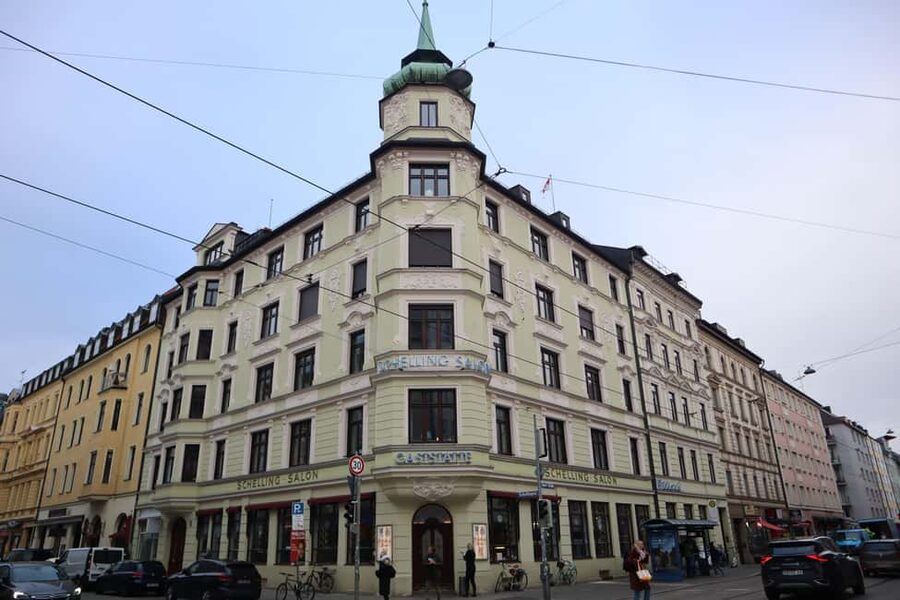
This tour explicitly works even if you have zero background. You don’t need to arrive with a mental outline of the Nazi Party or the Third Reich. The narration is designed to keep the information accessible, which is a huge advantage in Munich, where there are many self-guided options and a lot of signage about the 20th century.
It’s also suitable for children, which tells you something about the tone and pacing. You’ll still be dealing with serious subject matter, but the structure aims for clarity rather than jargon.
If you’re traveling with family, this is one of the rare history tours that doesn’t assume adults need to translate everything in real time. And if you’re traveling alone, it means you can ask questions without feeling like you’re behind.
Walking 5 km in Munich: Practical Comfort Tips
The distance—about 5 km—is the sort of daily walking most people can handle, as long as they’re not coming off an all-day travel day. The tour’s schedule helps: it runs 3 hours, includes a break, and is organized in guided segments so you’re not constantly self-navigating.
Still, keep your comfort in mind. If you usually get tired in the afternoon, consider starting early in the day when you book your slot. And bring water. Even on a “simple” city walk, you’ll be doing mental work, reading expressions in historic photos, and listening closely for long stretches.
Italian-Led Tour: Who It Fits Best
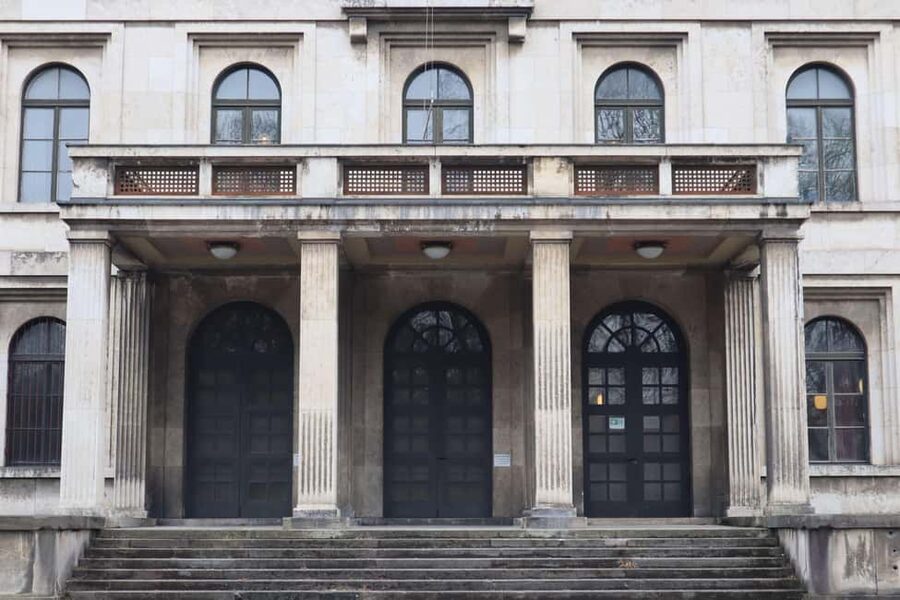
The tour is offered in Italian, and some content may appear in its original language. That’s the key constraint.
If you speak Italian well enough to follow a spoken explanation, you’ll likely get the full value—especially because the materials (photos, documents, diaries) are often discussed in context. If your Italian is limited, you might still appreciate the structure and the visual materials, but the pace may feel harder to track.
Price and Value: Is $23 Good for This Kind of Tour?
At $23 per person for a 3-hour guided walking tour with small groups, this is priced like a smart budget history outing rather than an expensive specialty experience. The value isn’t just the time; it’s the method.
You’re getting:
- a structured chronological story (so you leave with a clear timeline)
- guided interpretation (so you don’t just look at plaques and guess)
- use of period documents and images (not only general commentary)
- small group dynamics (so the experience can stay responsive)
If you normally pay more for tours that are either too short or too broad, this is a reasonable deal because the length, sources, and city focus all line up.
Who Should Book This Tour—and Who Might Not
Book it if:
- you want a clear chronological way to understand Nazi history in Munich
- you like historical sources like photos and documents, not just a lecture
- you want the story to include resistance, not only the regime
Think twice if:
- you’re looking for a light, quick overview
- you don’t speak Italian and you prefer tours with your own language throughout
- you’re very sensitive to heavy topics and want something less intense
Should You Book the Beginning and the End of the Third Reich Tour?
Yes—if you want structure and sources, and you’re okay with a serious topic handled in a clear, accessible way. The combination of small groups, a guided timeline, and the use of diaries, books, photos, and documents makes it more than a basic walking tour. And with Fabio leading in Italian, you get a style that’s described as prepared and helpful, with thoughtful extra detail.
If Italian isn’t your strength, check your comfort level first. Otherwise, this is a strong choice for anyone who wants to understand Munich’s role in this period without needing prior knowledge.
FAQ
How long is the tour?
The tour lasts about 3 hours.
What language is the guided tour in?
The live tour guide is in Italian.
Do I need any transport tickets?
No transport tickets are needed for the tour.
What distance will I walk?
You’ll cover about 5 km through several key places in the city.
Where do I meet and where does it end?
Meet in front of Bar Milano–Torino. The tour finishes at Geschwister-Scholl-Platz 1, 80539 München.
Do I need prior historical knowledge?
No. The tour is designed to be clear and accessible even if you have no prior historical knowledge.
More Altstadt and Marienplatz Walks

More Third Reich and WWII History in Munich

Just added to the Munich Explorer notebook

Third Reich & WWII History Tours, compared.
 ★ 4.6Third Reich & WWII Walking TourFrom $316,181 reviews
 ★ 4.5Third Reich Walking Tour MunichFrom $454,291 reviews
 ★ 4.6Birthplace of the Third Reich Guided Walking TourFrom $29771 reviews
 ★ 4.5Munich World War II Sites Including Dachau Concentration CampFrom $105570 reviews
 ★ 5.0Munich City Walking Tour, includes Third Reich & ViktualienmarktFrom $31458 reviews
 ★ 4.5Third Reich & WWII Walking TourFrom $35417 reviews
 ★ 4.9Munich 3-Hour Segway Tour: Nazi Munich & Royal ArchitectureFrom $91194 reviews
 ★ 5.0Dachau Concentration Camp Memorial Site And Third Reich Day Tour From MunichFrom $145185 reviews
Browse the lists this tour appears in