
Reviewed · THIRD REICH & WWII HISTORY TOURS
Munich: Private or Group Third Reich and WWII Walking Tour
Munich’s darkest corners walk right into view. This 2-hour tour follows how the Nazi movement took root in the city that later became the capital of the Third Reich. You’ll connect the dots between Marienplatz, Königsplatz, and the surviving buildings tied to that era.
I really like two things about this experience. First, you get a tight route in central Old Town, so you’re not wasting time on transfers. Second, the guide uses documents, photos, and original locations, which makes the story feel specific instead of abstract. Guides such as Karl and Ina are praised for being engaging and for responding to questions in a more personal way.
The main consideration is that the subject matter is heavy, and the tour isn’t suitable for children under 10. Also, video recording isn’t allowed, so plan to rely on your notes and what your guide shares.
In This Review
- Key Points Worth Booking For
- Marienplatz Meeting Point: Easy to Find, Hard to Forget
- Why Munich Became the Nazi Movement’s Power Base
- Beer Halls and the Beer Hall Putsch: Where Propaganda Started
- Third Reich Headquarters and the Machinery of Control
- Königsplatz: Monumental Propaganda Meets the Aftermath
- Seeing War Scars in the Middle of Daily Life
- Private vs Group: Choosing the Right Pace for You
- Price and Value for a 2-Hour Walk in Central Munich
- What Your Guide Actually Does on the Street
- Practical Tips Before You Set Off
- Should You Book This Munich Third Reich and WWII Walking Tour?
- FAQ
- How long is the Munich Third Reich and WWII walking tour?
- Is this tour private or group?
- What does it cost?
- Where do I meet the guide?
- What languages are offered?
- Is the tour wheelchair accessible?
- Can I record video during the tour?
- Is free cancellation available?
Key Points Worth Booking For
- Marienplatz meeting point: You start at the Mariensäule on Marienplatz, with a guide carrying a blue We is(s)er Stadtvogel bag.
- Original buildings, not just stories: You’ll see locations tied to the NSDAP’s early days and WWII-era power.
- Photos and documents in the street: Guides bring pictures of what key sites looked like during the Nazi years.
- Sensitive, factual context: The tour covers major events like the Beer Hall Putsch and synagogue destruction without softening the reality.
- Guides who interact: Expect a conversational flow, including named guides like Karl and Ina in past runs.
- 2 hours, walkable pace: It’s short enough to fit into a busy Munich itinerary, but still requires comfortable shoes.
More walks tracing Munich Third Reich and wartime history
- Munich: Third Reich & WWII Walking Tour★ 4.6 · 6,181 reviews
- Third Reich Walking Tour Munich★ 4.5 · 4,291 reviews
- Munich: Birthplace of the Third Reich Guided Walking Tour★ 4.6 · 771 reviews
- Munich World War II Sites Including Dachau Concentration Camp★ 4.5 · 570 reviews
Marienplatz Meeting Point: Easy to Find, Hard to Forget
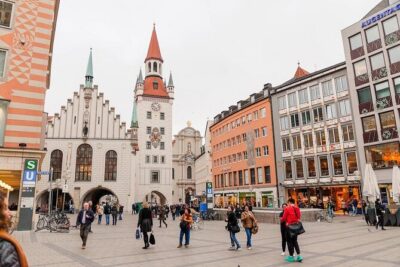
You’ll meet at the Mariensäule in the center of Marienplatz. The meeting spot is a golden statue on a tall red marble column, and the guide will be holding (or carrying) a blue bag labeled Weis(s)er Stadtvogel. This matters because you don’t want to spend the first 10 minutes hunting for your guide while you’re already thinking about a difficult topic.
Because the tour starts right in the thick of Munich’s historic center, you immediately feel the contrast between today’s busy square and what happened here in the early 1900s. Marienplatz isn’t just scenic. It’s a place where public life, politics, and crowd energy collided.
One practical thing: bring your comfort basics. Comfortable shoes help because you’ll be outside and walking for a full 2 hours. And if you’re sensitive to temperature changes, plan for weather—at least one solo participant specifically noted the experience still worked well despite rough conditions.
Why Munich Became the Nazi Movement’s Power Base
Munich played a major role in the rise of National Socialism, and your guide frames that connection early. The NSDAP was founded here, Hitler’s failed coup took shape here, and in 1935 Munich was named the Capital of the Movement—the Hauptstadt der Bewegung.
This tour doesn’t treat Munich as a backdrop. It treats the city like a character in the story. You’ll hear how Munich became an official hub of Nazism and how the headquarters of the national party helped turn ideology into power.
A useful line of context your guide will bring up: Allied Supreme Commander General Eisenhower referred to Munich as the cradle of the Nazi beast. It’s a reminder that the city’s significance wasn’t only local. The world understood that this place mattered.
Also, remember the timeline your guide is likely to connect. After the chaos after World War I, Munich offered the kind of environment where extremists could recruit, stage rallies, and build momentum. Then, over time, those ideas hardened into state policy and war.
Beer Halls and the Beer Hall Putsch: Where Propaganda Started
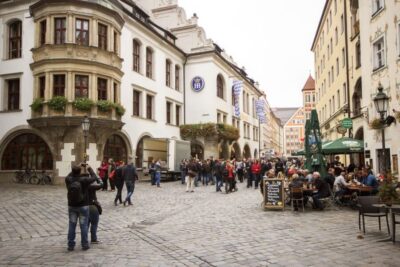
One of the most striking parts of the tour is how it ties propaganda to physical places—especially the early beer-hall world. Your guide explains how Hitler became known in Munich as a beer-hall orator and public figure. You’ll also hear about his followers, who revered him as the Führer long before the regime was fully entrenched.
From there, the story moves toward the Beer Hall Putsch, Hitler’s early failed coup. This is one of those moments where a city’s streets suddenly feel too small for what happened there. The guide connects the dots between public speeches, organized intimidation, and the decision to attempt a takeover.
The “why this matters” angle is the key. You’re not just learning the event name. You’re learning how political theater and crowd control worked in real life—and how that can be dangerous in any era. Your guide also covers antisemitic actions and violence tied to this period, including pogrom-like attacks and the destruction of synagogues.
This isn’t a sightseeing tour. It’s a tour of mechanisms: how hate gained ground, how fear was used as a tool, and how public spaces amplified it.
More laps of the Altstadt and Marienplatz
- Munich: Old Town & Viktualienmarkt City Walk in German
★ 4.7 · 2,304 reviews - Munich: Night Watchman Walking Tour
★ 4.7 · 2,092 reviews - Munich Ghosts and Spirits Evening Walking Tour
★ 5.0 · 1,900 reviews
Third Reich Headquarters and the Machinery of Control
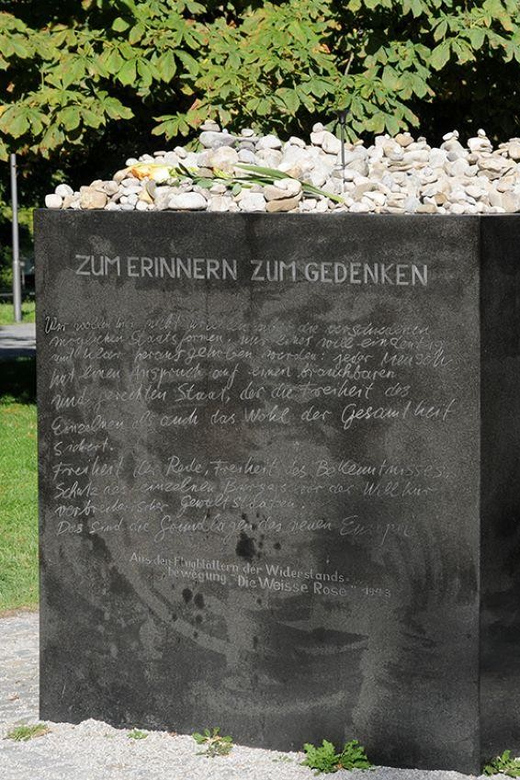
As you move through central Munich, you’ll reach the former Nazi Headquarters, the place associated with where Hitler wielded power. The idea here is simple: after the early rallies and failed attempt at control, the Nazis needed institutions. They needed administrative reach.
Your guide presents original locations connected to the Third Reich and explains what happened at each stop. The guide also uses numerous documents and pictures, which is a big deal for this topic. When your guide shows period photos of buildings and crowds, you can stop imagining and start seeing.
There’s also an important layer of context: Munich is often remembered for its beauty, but you’ll learn how that beauty sat beside grim realities. Some of the tour’s most sobering moments come from seeing where power was exercised and how ordinary street life could exist next to extraordinary cruelty.
A balanced approach is part of what makes this tour work. Your guide also includes stories of people who resisted in the name of democracy. That balance matters, because it keeps the tour from becoming only a story of victims and perpetrators. It includes agency—human choices that opposed the system.
Königsplatz: Monumental Propaganda Meets the Aftermath
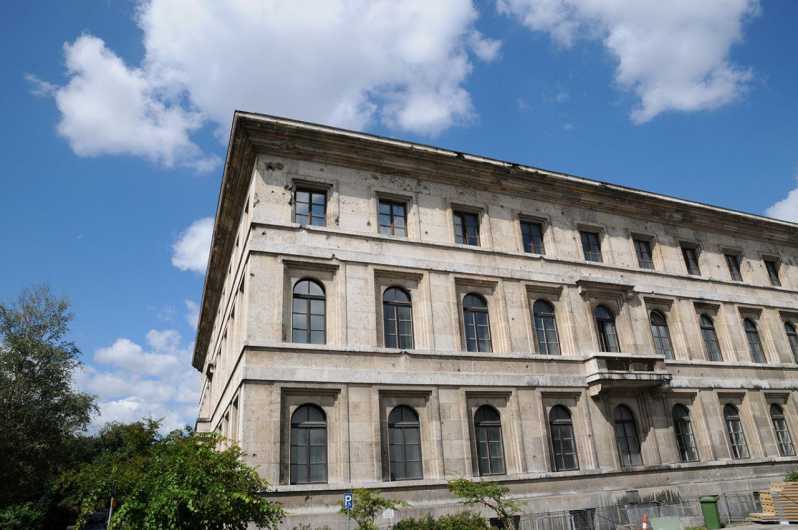
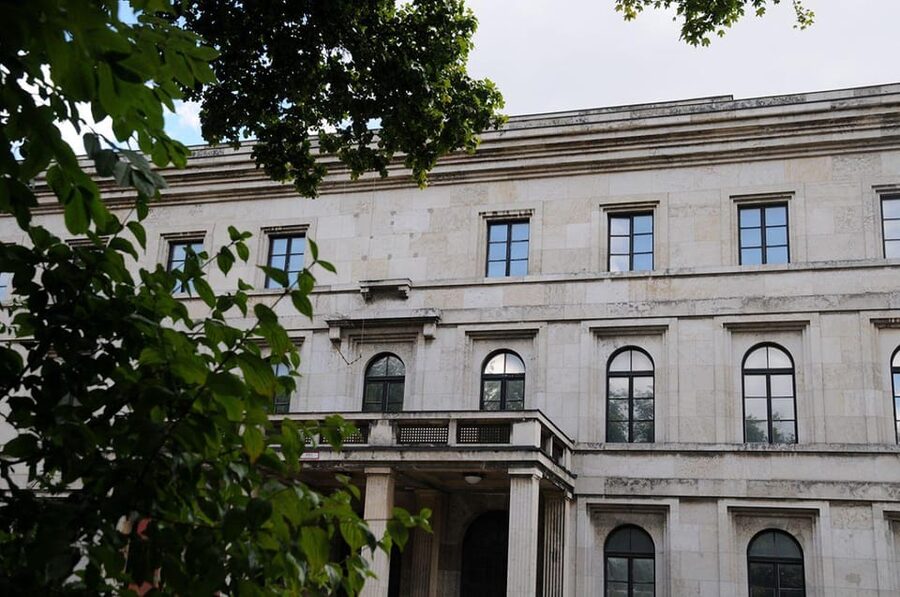
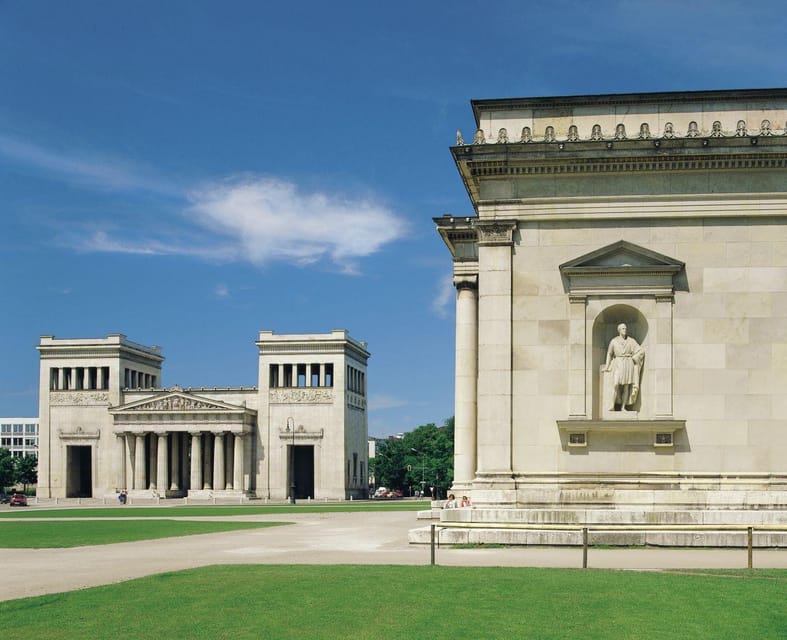
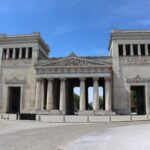
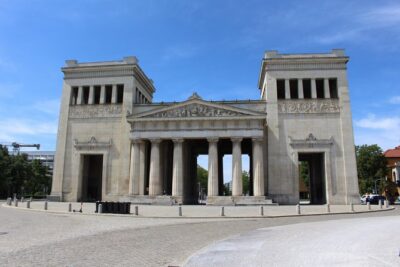
The tour’s route runs from Marienplatz to Königsplatz, and Königsplatz is where the story shifts in tone. This area is known for grand structures associated with the Nazi era. Your guide explains how Munich was labeled the Capital of the Movement and how that translated into monumental architecture.
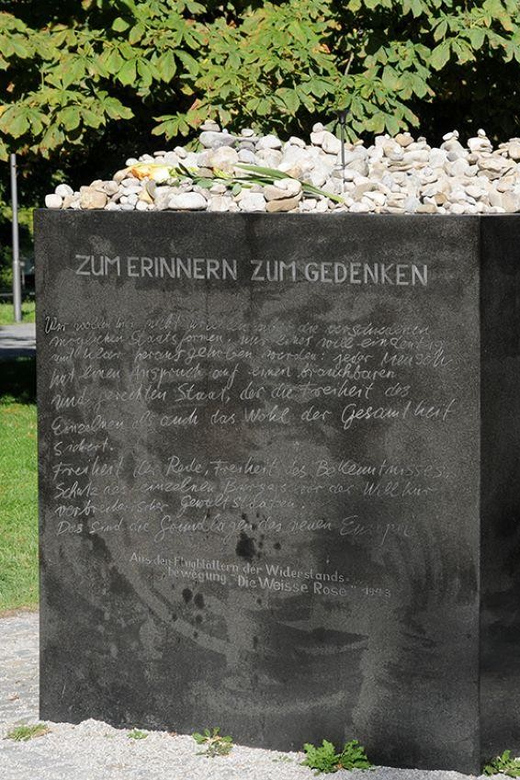
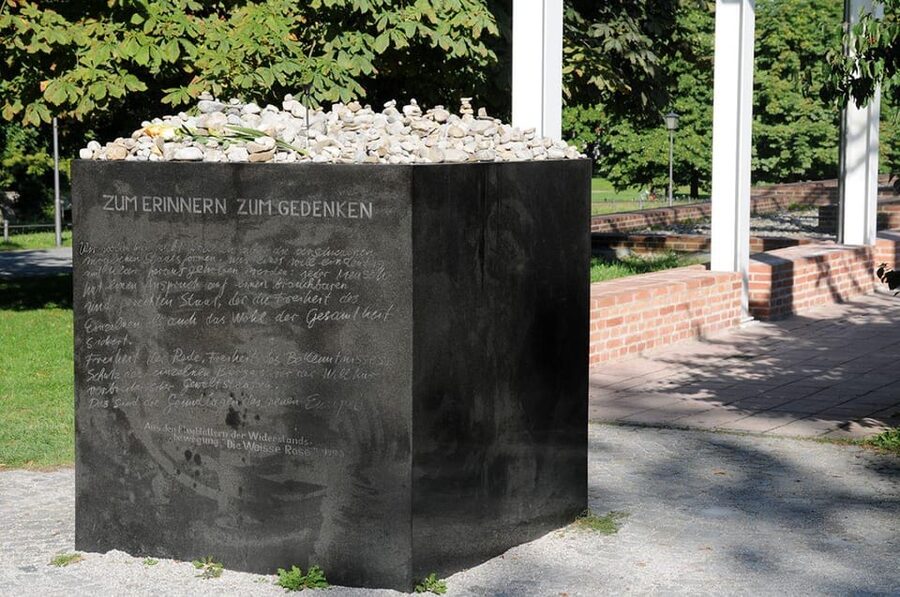
The key experience here is contrast. You’ll see buildings tied to Third Reich celebration, and you’ll also see memorials dedicated to victims of Nazism. This isn’t random pairing. It’s the point: Munich’s streets hold both the physical language of propaganda and the later effort to remember.
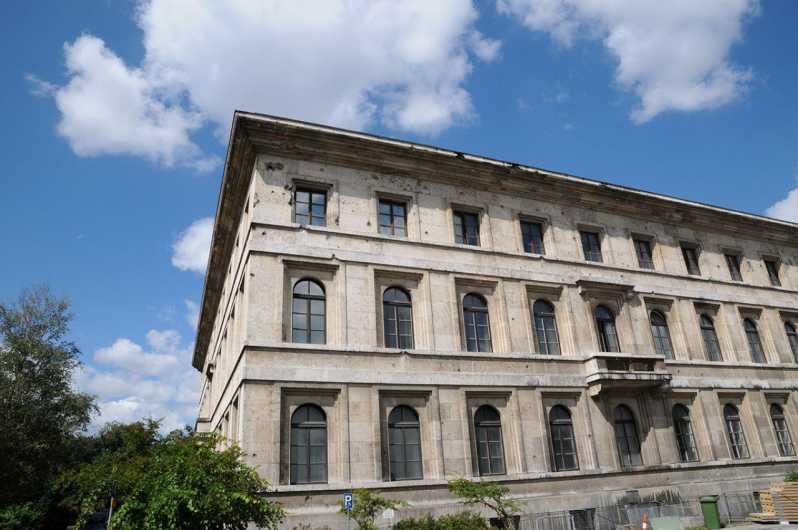
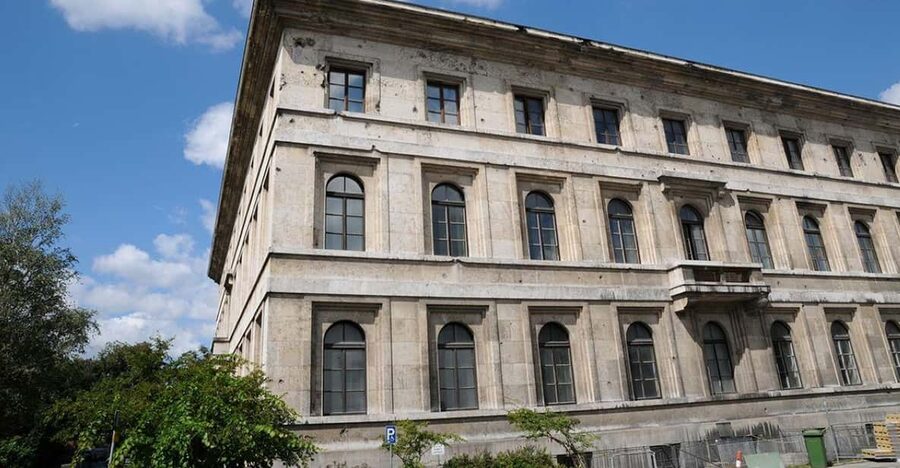
There’s also a wartime contrast that your guide will highlight. Much of central Munich was destroyed by Allied bombing, yet many of the grandiose structures built on Hitler’s orders survived. That means you can still walk near buildings that were meant to look permanent—while also learning how the regime’s violence led to devastation.
For me, that’s where the walking format really earns its keep. The facts land differently when they’re next to the stones that carried the ideology. A museum gives context. A street gives pressure.
Seeing War Scars in the Middle of Daily Life
Another strong element is the way the tour uses authentic sites to show how memory persists. Your guide emphasizes how some buildings still bear physical scars from those years. Even without dramatic reenactments, you can get a sense of what survived, what was destroyed, and what was left behind.
Your guide also connects events like the public burning of books to specific street-level realities. That’s an important teaching moment. Censorship and cultural violence weren’t only abstract policy—they had performances, audiences, and locations.
The tour also places WWII-era change into the same walking narrative. You’ll go from the post-World War I years to the dark days of World War II while staying in a small geographic area. That helps the timeline stop feeling like separate chapters.
One more practical note: because much of what you’ll see is outside, keep an eye on weather. One solo traveler specifically called out doing it despite weather, which suggests the pace stays manageable, but you’ll still want a plan for cold or rain.
Private vs Group: Choosing the Right Pace for You
You can book this as a private group or a group option. The listed price is $259 per group up to 25, which affects how you think about value.
If you’re traveling with friends or family, a group option can be a good deal because you’re splitting the cost. If you want a more tailored experience, a private booking can help you ask questions without waiting for a larger group to settle.
Either way, the tour stays to 2 hours, so it doesn’t sprawl. That helps you fit it into a typical Munich plan, especially if you’re also aiming to see the major sights.
Who I think this tour suits best:
- Adults who want historical context tied to real places
- Solo travelers who prefer a clear route and a guide to explain the significance
- Small groups who want a shared, guided focus on a tough topic
It’s not suitable for children under 10, and it’s also not a good match if you want casual, carefree sightseeing.
Price and Value for a 2-Hour Walk in Central Munich
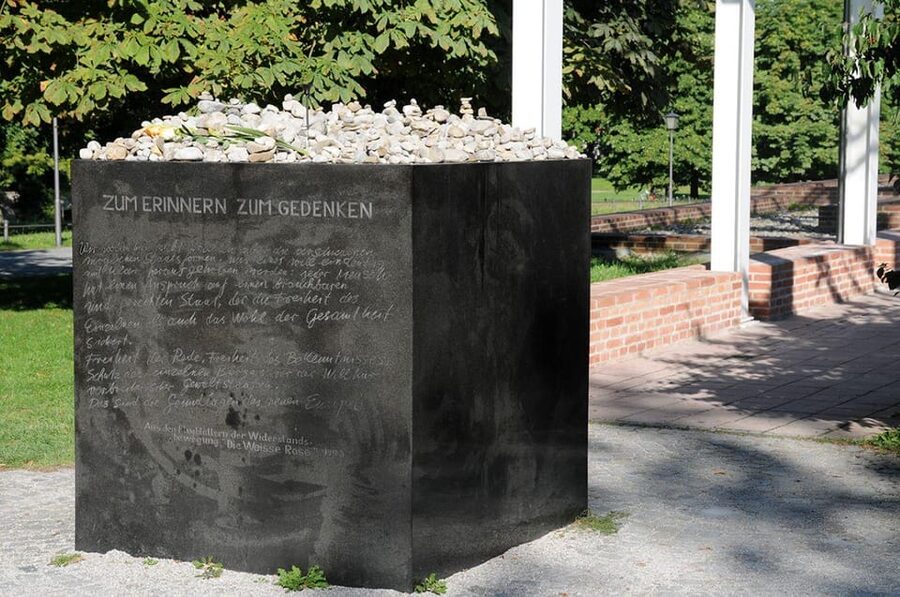
Let’s talk about the money honestly. $259 per group up to 25 sounds like a lot until you factor in two things: (1) a certified guide and (2) a focused 2-hour route through central locations with heavy context.
For short, high-impact tours, the guide is the product. Here, you’re paying for someone to connect places, show documents and pictures, and keep the story grounded in what Munich actually was. If you’re the kind of traveler who hates generic “sightseeing narration,” this format can feel like a good trade.
A second value point: the tour includes a certified guide and walking only. Transportation isn’t included, so you’ll need to get yourself to Marienplatz. But because the meeting point is central and easy to reach on foot or by transit, you’re not paying extra to move around town.
So the value comes down to your travel style. If you want to understand why Munich mattered, and you’re okay walking through a difficult narrative, this price can feel fair for the time and the guide effort.
What Your Guide Actually Does on the Street
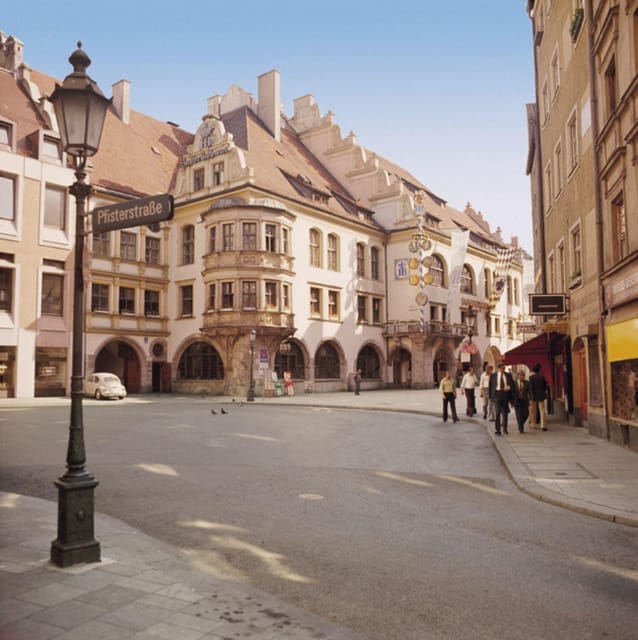
The strongest praise consistently points to one theme: the guides don’t just recite. They teach by showing and answering.
In past experiences, guides like Karl have been described as welcoming and enthusiastic, especially for solo travelers wanting history in context. Another named guide, Ina, was praised for being kind and patient, and for sharing a more personal, heartfelt tone rather than reading from a script. You’ll also hear that guides show pictures of what buildings looked like during the Nazi regime.
That matters because the Nazi era can feel slippery when you only learn dates. But when your guide brings period images into the walk, it becomes easier to visualize how the city looked and worked. It’s also easier to follow how events unfolded across space—where crowds gathered, where power was located, and how memorials later reshaped meaning.
Also, the tour is live and available in German and English, which helps if you want the explanation without guessing.
One rule you should know before you go: no video recording is allowed. You can still take photos if permitted by the operator (that detail isn’t specified here), but the video restriction is explicit. Plan to capture notes instead of relying on recording.
Practical Tips Before You Set Off
A few things will make your 2 hours smoother.
Wear comfortable shoes. This is a walking tour with a dense topic, so you want your body to feel steady. Bring drinks, since you might want water during the walk.
If you’re visiting in cooler months, dress for outdoor walking. You’ll also want layers in Munich because temperatures can shift quickly.
Come with at least one curiosity question. The guides are described as interactive, and the tour format rewards questions—especially if you want to understand how the Nazi movement gained traction in public spaces.
Finally, be mentally prepared for a serious topic. The tour includes antisemitic violence, synagogue destruction, book burnings, and the mechanisms of dictatorship. Keep that in mind if you prefer lighter themes on vacation.
Should You Book This Munich Third Reich and WWII Walking Tour?
If your goal is to understand how Munich became a launching pad for Nazism—and you want that explanation tied to the actual streets and buildings—you’ll likely find this tour worth your time. The combination of a certified guide, a tight walk from Marienplatz toward Königsplatz, and the use of documents and period photos helps the history feel real instead of textbook-flat.
I’d skip it only if you want casual sightseeing, you’re traveling with children under 10, or you’re uncomfortable with emotionally heavy historical material. If you’re ready for a focused, 2-hour walk that makes the city’s past impossible to ignore, this is a strong choice.
FAQ
How long is the Munich Third Reich and WWII walking tour?
It lasts 2 hours.
Is this tour private or group?
You can choose a private group or a group option.
What does it cost?
The price is $259 per group up to 25.
Where do I meet the guide?
Meet at the Mariensäule in the center of Marienplatz, at the golden statue on a tall red marble column. Look for a guide with a blue bag that says Weis(s)er Stadtvogel.
What languages are offered?
The tour is available in German and English.
Is the tour wheelchair accessible?
Yes, it is listed as wheelchair accessible.
Can I record video during the tour?
No. Video recording is not allowed.
Is free cancellation available?
Yes. Free cancellation is available up to 24 hours in advance for a full refund.
More Altstadt and Marienplatz Walks
More Third Reich and WWII History in Munich
Just added to the Munich Explorer notebook
Third Reich & WWII History Tours, compared.
 ★ 4.6Third Reich & WWII Walking TourFrom $316,181 reviews
 ★ 4.5Third Reich Walking Tour MunichFrom $454,291 reviews
 ★ 4.6Birthplace of the Third Reich Guided Walking TourFrom $29771 reviews
 ★ 4.5Munich World War II Sites Including Dachau Concentration CampFrom $105570 reviews
 ★ 5.0Munich City Walking Tour, includes Third Reich & ViktualienmarktFrom $31458 reviews
 ★ 4.5Third Reich & WWII Walking TourFrom $35417 reviews
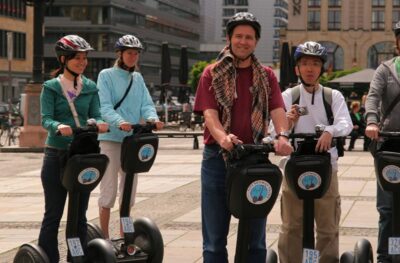 ★ 4.9Munich 3-Hour Segway Tour: Nazi Munich & Royal ArchitectureFrom $91194 reviews
 ★ 5.0Dachau Concentration Camp Memorial Site And Third Reich Day Tour From MunichFrom $145185 reviews
Browse the lists this tour appears in