
Reviewed · DACHAU MEMORIAL SITE TOURS
From Munich: Dachau Memorial Site Day Tour
Five hours in Dachau changes your day. You’ll leave Munich on a public train, then step into the Dachau memorial with a live guide who puts the site’s details into context.
I especially like the pacing: it’s structured enough to help you keep up, yet human enough that you can ask questions and absorb what you see at your speed.
The second thing I really like is the way the tour connects the buildings to real life. You’ll hear former prisoner accounts about everyday routines, not just dates and headlines. That combo—place + story—makes the preserved parts hit harder.
One possible drawback: crowds can affect how quietly you can think. If you go at the wrong time, school groups can make the museum and pathways feel less peaceful, so I’d aim for the calmer afternoon option.
In This Review
- Key highlights worth planning for
- From Marienplatz to Dachau: the public-train rhythm that keeps stress low
- The camp’s timeline, explained on the ground where it happened
- Barracks, cells, and former gas chambers: why a guide matters here
- The museum exhibition: photos and prisoner reports that you should not skim
- Timing your tour: 1:10 PM can make Dachau easier to process
- Guides make the difference: warm, professional, and real about the topic
- What you’ll actually do in a 5-hour day (so you can plan your energy)
- Price and value: why $49 can be a smart way to do this
- Who should book—and who might want a different format
- Final call: should you book this Dachau memorial tour from Munich?
- FAQ
- How long is the Dachau Memorial Site day tour?
- What language is the tour guide?
- What does the tour include?
- Where do I meet the tour group in Munich?
- What will I see at the memorial site?
- Are there tips on the best departure time to avoid crowds?
- What should I bring?
- Is smoking allowed and can I bring pets?
- Is the tour wheelchair accessible?
Key highlights worth planning for
- Public train from Munich: simple, scenic, and it saves you from figuring out connections on the spot.
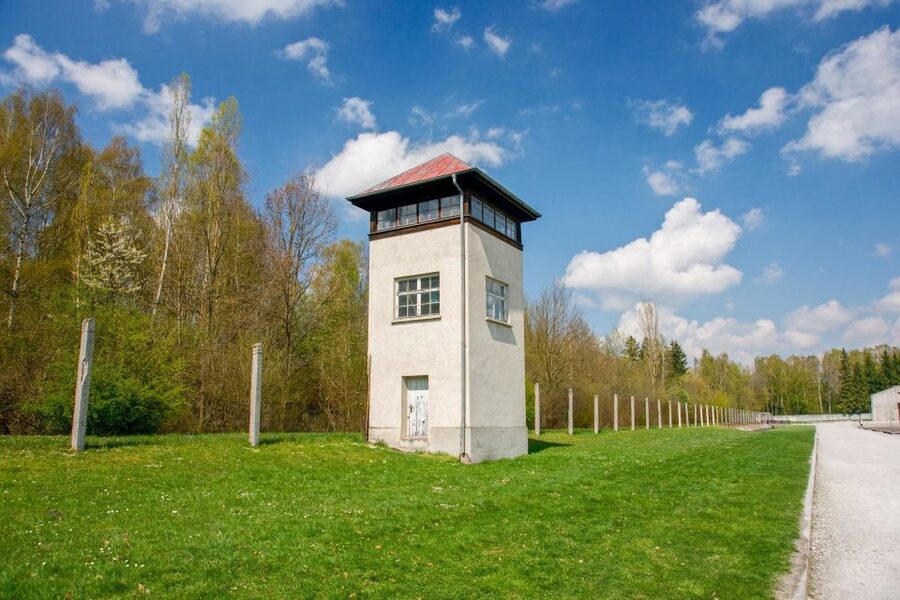
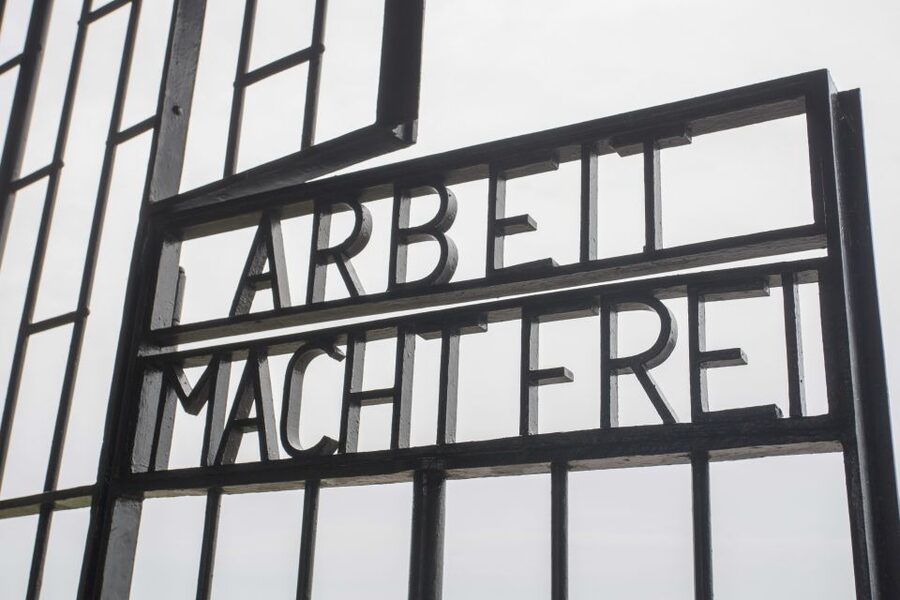
- Former barracks, cells, and gas chambers: you don’t just look; you get guided context for what each area meant.
- Museum exhibition included: photos and prisoner reports help you understand life inside the camp across the full timeline.
- Guides who balance facts and emotion: I saw repeated praise for guides like Thomas, Jesse, Aileen, Alex, Matt, Michael, and Conni.
- Afternoon timing helps: the 1:10 PM tour is recommended to reduce clashes with school groups on site.
Other guided visits to the Dachau Memorial Site
- Dachau Concentration Camp Memorial Site Tour from Munich by Train★ 4.5 · 5,637 reviews
- From Munich: Dachau Memorial Site Day Tour★ 4.8 · 2,723 reviews
- From Munich: Dachau Memorial Site Half-Day Trip★ 4.7 · 2,526 reviews
- From Munich: Dachau Memorial Site Full-Day Tour★ 4.9 · 1,406 reviews
From Marienplatz to Dachau: the public-train rhythm that keeps stress low
The tour starts right in central Munich at Marienplatz, in front of the Tourist Information at the Gothic Town Hall. Look for the guide holding a yellow sign that says Dachau Memorial Tour in red letters, and plan to arrive a bit early so you can meet up without rushing.
Then it’s a public train ride out of town. You’ll get real countryside views along the way, and—this is the practical part—you’re not stuck making transportation decisions when your brain is already preparing for a heavy visit. The group follows the guide’s plan to get onto the right train, and that takes friction out of the day.
On the way there and back, I like that the experience is paced as a single flow. It keeps you from feeling like you’re bouncing around between transit apps, schedules, and fragmented instructions. This matters because Dachau isn’t the kind of place where you want to spend mental energy on logistics.
The camp’s timeline, explained on the ground where it happened
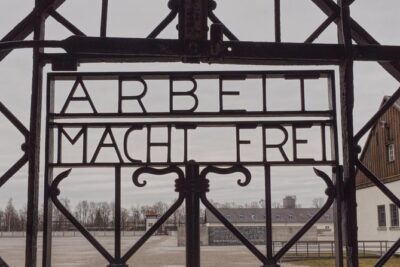
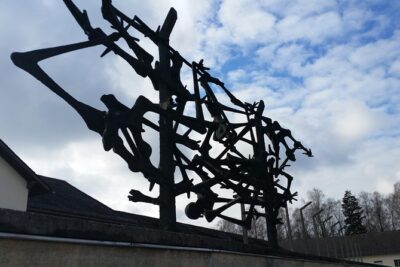
Once you reach the memorial site, the guide ties what you’re seeing to the broader history. Dachau was the first German concentration camp, opened outside Munich in 1933. Since 1965, the site has served as a memorial and a place of education.
That framing is important. It stops the visit from becoming a generic Holocaust stop and instead shows how this camp fit into the Nazi system as it formed and expanded. A good guide also helps you understand why some areas feel stark and preserved, while others are more about documentation and memory.
Expect the story to be presented in a way that you can follow without feeling rushed through the hardest parts. In the tour feedback, guides like Thomas and Aileen are repeatedly described as warm, reflective, and careful with the emotional weight. The best moments are when you’re not just learning facts—you’re also being reminded that these were people, not a textbook.
Barracks, cells, and former gas chambers: why a guide matters here
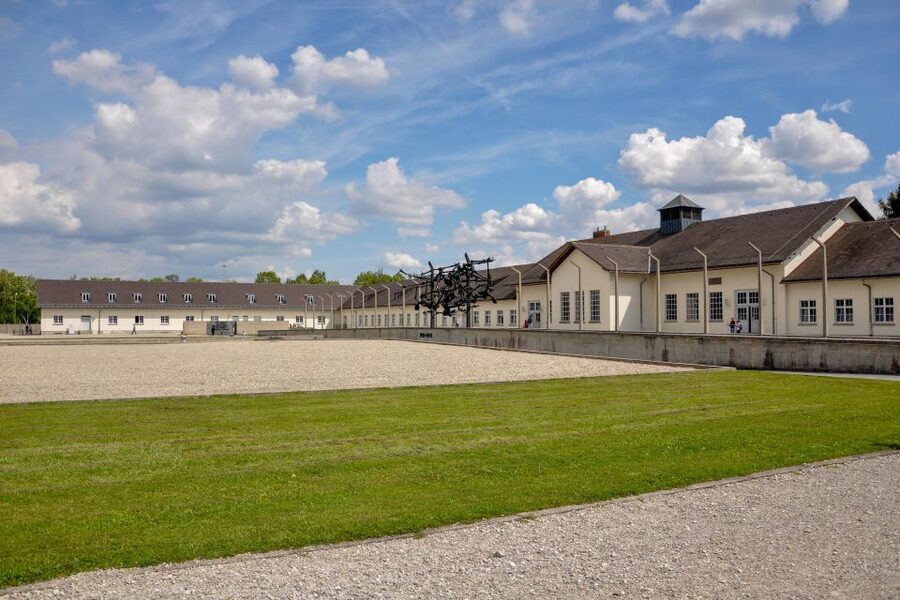
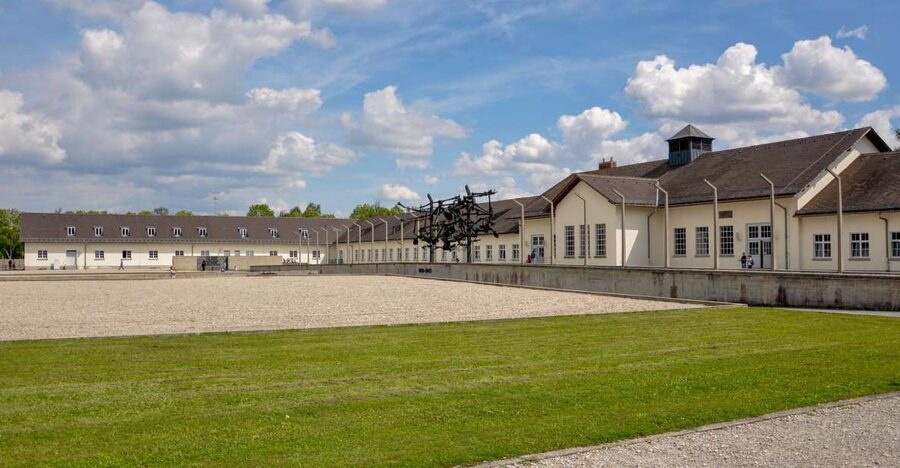
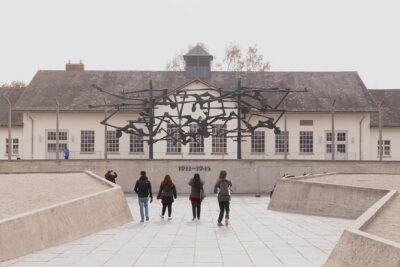
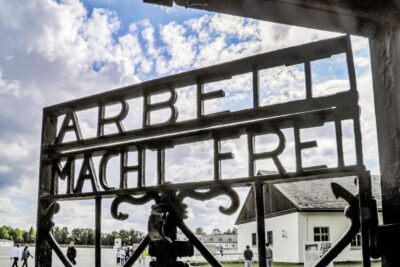
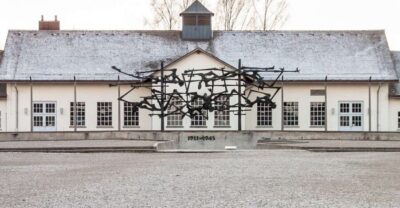
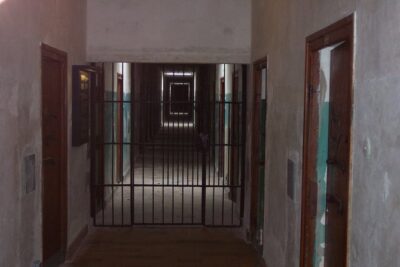
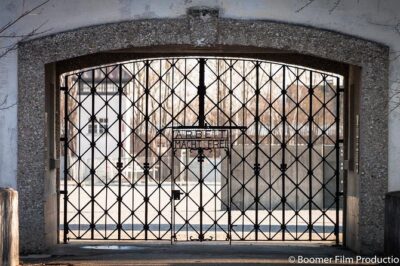
The core of the tour is the guided walk through the preserved camp areas. You’ll visit key locations including the former barracks, cells, and gas chambers. This is the part where the tour earns its keep, because the site is powerful on its own—but without context it can blur together fast.
What changes when you have a guide is clarity. For example, you’re not left staring at structures and guessing what daily life would have looked like. The guide explains what these buildings were used for and how the camp’s system worked day to day.
You’ll also hear reports from former prisoners about everyday life in the camp. That’s not trivia. It’s the difference between thinking about Dachau as an abstract horror and understanding how normal routines were destroyed and replaced with forced survival. Several guides are praised for handling this material with sensitivity—Alex and Michael, in particular, are mentioned as presenting details with care rather than shock value.
There’s also a practical benefit: the guide keeps the group moving efficiently. That doesn’t mean it feels like a sprint. It means you’re less likely to get lost, miss important stops, or spend your best quiet time wandering without direction.
- From Munich: Neuschwanstein & Linderhof Castle Full-Day Trip
★ 4.6 · 14,646 reviews - Neuschwanstein & Linderhof Castle-Fairytale Day Tour from Munich
★ 4.5 · 7,275 reviews - Munich: Third Reich & WWII Walking Tour
★ 4.6 · 6,181 reviews
The museum exhibition: photos and prisoner reports that you should not skim
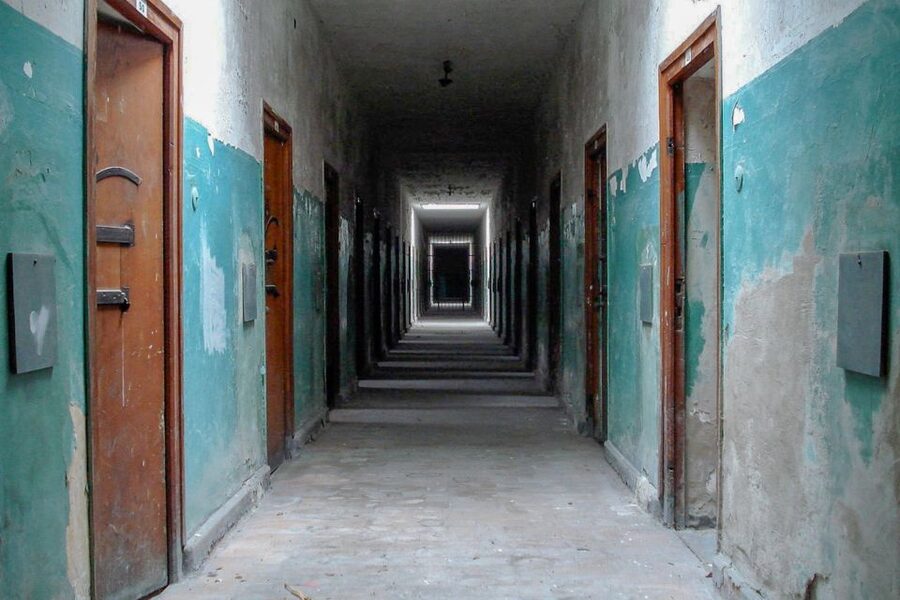
After the grounds visit, you’ll visit the exhibition at the Dachau Memorial Museum. Here, the story deepens through pictures and reports written or shared by prisoners, covering the camp’s beginnings through liberation in 1945.
This is where the tour becomes less about buildings and more about evidence. Seeing photos and reading accounts helps you connect the physical layout to human testimony. It also helps you understand that the camp wasn’t static; it evolved. The museum material gives you that timeline in a way a walking tour alone can’t.
One small drawback to consider: time is finite. More than one guide gets praised for managing the schedule well, but a few people noted they wanted a little more time to linger over photos and memorabilia inside. That’s a fair feeling. If you’re the type who reads everything twice, you might finish the museum wishing you had another lap.
My advice: go in with a plan. Decide you’ll focus on the most meaningful sections for you, instead of trying to read every single panel. You’ll still leave with a stronger understanding, and you won’t feel like you missed out just because the tour had to keep moving.
Timing your tour: 1:10 PM can make Dachau easier to process
Dachau can be emotionally intense, so the conditions around you matter. The tour offers guidance on timing: if you want fewer crowds, the afternoon tour at 1:10 PM is recommended because there are fewer school classes and groups on site.
This isn’t about making the visit more comfortable in a shallow way. It’s about giving yourself room to think. When the pathways and museum areas are calmer, it’s easier to hold the tour’s tone—respectful, reflective, and focused.
Even with good scheduling, public transport and on-the-day crowds can shift the flow. Some feedback mentions delays and a packed bus on the return ride. None of that changes the site itself, but it does change how you feel during transit. If you can, I’d keep your day uncluttered so you’re not rushing straight into dinner reservations afterward.
Guides make the difference: warm, professional, and real about the topic
What’s striking in the feedback is consistency about the guides. People repeatedly praise guides for being kind, professional, and careful with the topic’s emotional heaviness. That shows up in small behaviors: making sure everyone can follow directions, moving the group efficiently, and creating space for questions.
I noticed a few guide styles getting mentioned by name:
- Thomas is described as warm and personal, connecting history from the run-up to Dachau’s opening through liberation.
- Jesse and Aileen are praised for engagement and inclusion, with Aileen specifically described as chatty in a way that helps people feel part of the group while still staying respectful.
- Alex and Michael are noted for presenting difficult material sensitively and clearly.
- Conni is mentioned as organized and compassionate, even prompting thoughtful conversation with the group.
- Matt and Stephanie are praised for blending strong context with a respectful tone, with time management that avoids feeling rushed.
Here’s what you should take from that: pick this tour if you want more than a list of stops. You’re choosing a guide to translate a painful site into something you can actually understand. When it’s done well, you leave with clarity—and with the uncomfortable knowledge that history is not just past events. It’s a warning.
What you’ll actually do in a 5-hour day (so you can plan your energy)
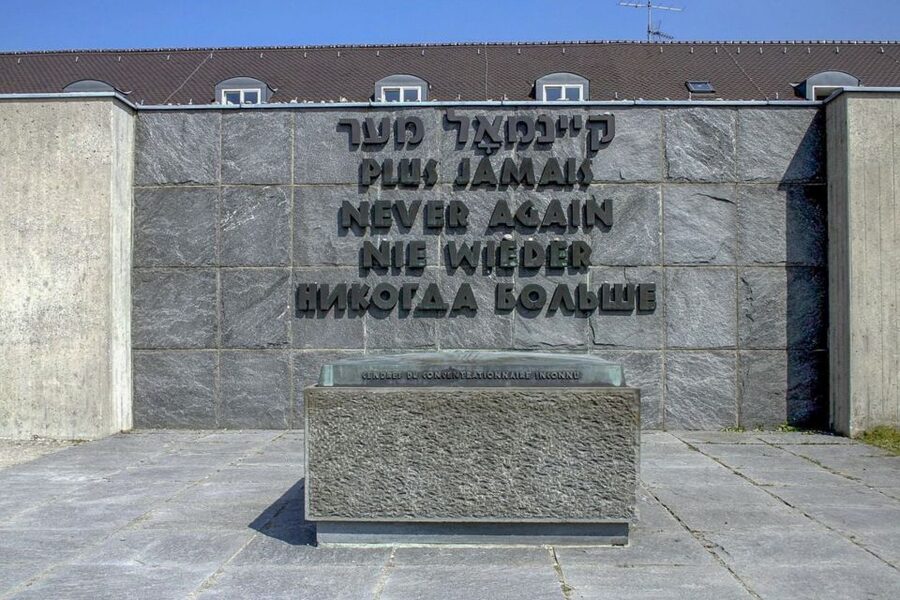
This is a 5-hour experience built around a full, guided site visit plus the museum exhibition. The day feels like two halves: first the physical grounds, then the museum context.
- You start in Munich at Marienplatz and head out by train.
- On arrival, you follow the guide through the camp areas, including the barracks, cells, and former gas chambers.
- You hear survivor testimony-style reports about everyday life and the structure of camp reality.
- Then you move to the memorial museum exhibition for photos and prisoner reports.
- After that, you return by public transport.
Because the subject is heavy, I think the schedule makes sense. It gives enough time to cover the major areas without turning the visit into a foggy blur. You still get moments to stop and register what you’re seeing, rather than spending the whole time only moving forward.
Price and value: why $49 can be a smart way to do this
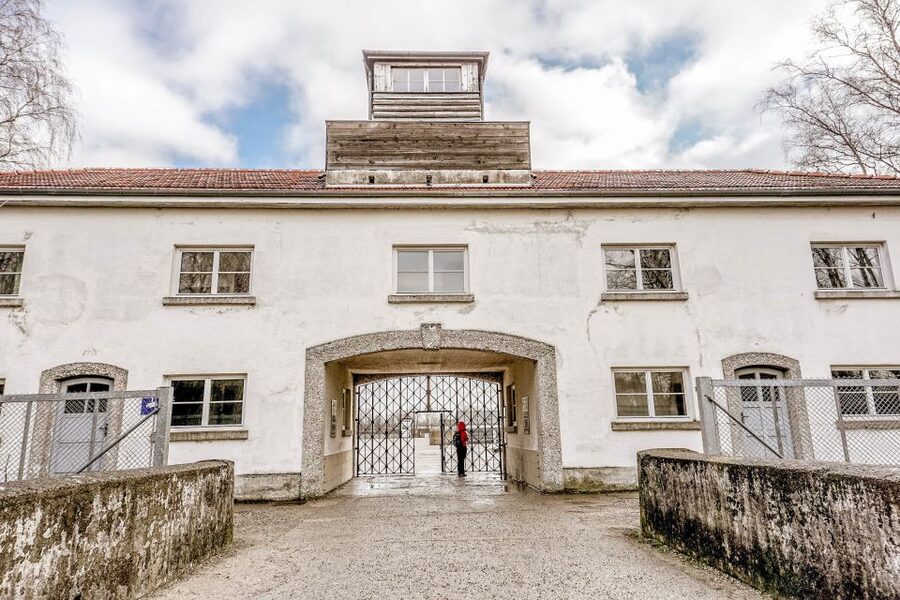
At $49 per person for about 5 hours, you’re not just paying for transit. You’re paying for guided interpretation of a hard site, plus museum time. For Dachau, that’s the key: self-guided visits are possible, but a guide helps you understand what you’re looking at and why it matters, without you having to build the historical framework yourself.
The value also comes from the structure. You’re not juggling trains, station exits, and timing, especially when the day doesn’t go perfectly. Some people note transport delays or crowded return rides, and the guide’s role is to keep the group together and manage stops. That kind of practical support is part of the experience’s worth.
Is it worth it if you already know a lot about WWII? If your main goal is emotional impact and respectful place-based learning, yes. If your main goal is reading every museum panel in depth, you may still feel the 5-hour cap. But for most visitors, $49 buys a clear, guided path through a site that would be harder to interpret alone.
Who should book—and who might want a different format
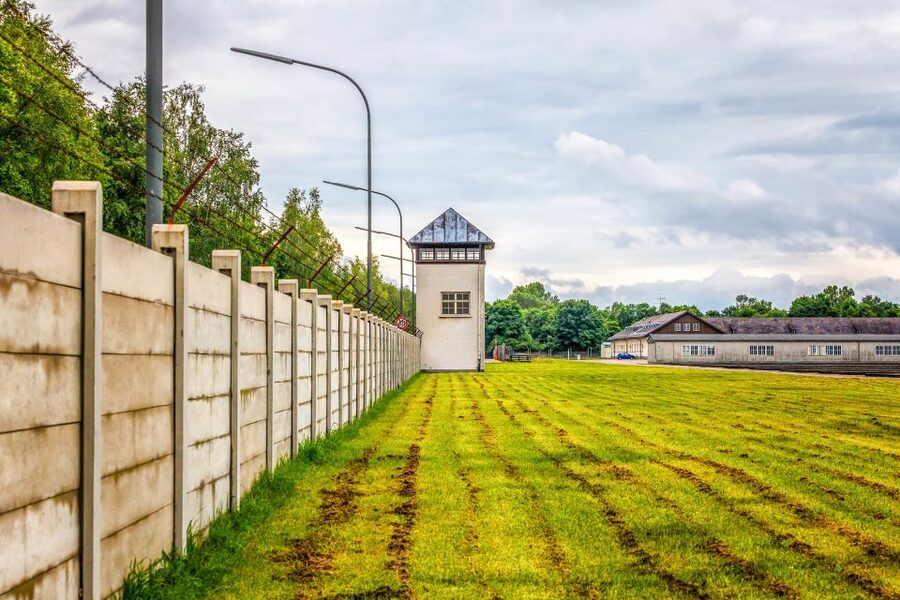
This tour is a strong fit if you:
- want a guided experience with clear historical framing
- appreciate survivor testimony-style accounts
- prefer having a guide help you navigate time and routes
It may be less ideal if you:
- need a very slow museum pace with lots of independent wandering
- are sensitive to crowded conditions at specific times (school groups are a real factor)
If you’re visiting with teens or older kids, this can also work well because the tour is designed to be educational and guided, not just observational. Just remember: this is not a light “history day.” It’s a memorial.
Final call: should you book this Dachau memorial tour from Munich?
If your goal is to visit Dachau with structure, context, and respectful guidance, I’d book it. The big win here is the combination of preserved camp locations—barracks, cells, and former gas chambers—with museum exhibition time, explained through former prisoner reports and careful commentary.
I’d especially choose this tour if you want to avoid the mental clutter of planning rail connections on a day you’ll already find heavy. And if you can, go for the 1:10 PM option to reduce school-group noise.
One last practical note: bring comfortable shoes and water. You’ll be walking and you’ll want to stay present.
FAQ
How long is the Dachau Memorial Site day tour?
The tour runs for 5 hours.
What language is the tour guide?
The live tour guide speaks English.
What does the tour include?
It includes a guided tour, a public transport ticket, and transfers by public transport.
Where do I meet the tour group in Munich?
You meet in front of the Tourist Information for the City of Munich at the Gothic Town Hall in Marienplatz. The guide holds a yellow sign with Dachau Memorial Tour written in red letters.
What will I see at the memorial site?
You will visit former camp areas including the barracks, cells, and gas chambers. You’ll also visit the exhibition in the Dachau Memorial Museum.
Are there tips on the best departure time to avoid crowds?
Yes. If you want fewer crowds, the afternoon tour at 1:10 PM is recommended because there are fewer school classes and groups on site.
What should I bring?
Wear comfortable shoes and bring water.
Is smoking allowed and can I bring pets?
No pets are allowed, and smoking is not allowed.
Is the tour wheelchair accessible?
Yes, it’s wheelchair accessible. If you use a wheelchair and need a carer, you must arrive 10 minutes early at the meeting point because you’ll use a different entrance for the platform and the train.
If you want, tell me your travel dates and whether you’re going with kids or anyone with mobility needs, and I’ll suggest the best departure time and how to plan the rest of your day around this visit.
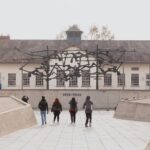
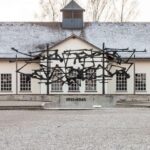
Visiting the Dachau Memorial Site



Just added to the Munich Explorer notebook


Dachau Memorial Site Tours, compared.
 ★ 4.5Dachau Concentration Camp Memorial Site Tour from Munich by TrainFrom $645,637 reviews
 ★ 4.7Dachau Memorial Site Half-Day TripFrom $622,526 reviews
 ★ 4.9Dachau Memorial Site Full-Day TourFrom $511,406 reviews
 ★ 4.5Dachau Concentration Camp Memorial Tour with Train from MunichFrom $56955 reviews
 ★ 5.0Early-Start Dachau Memorial Half-Day Tour from MunichFrom $62942 reviews
 ★ 5.0Guided Dachau Concentration Camp Memorial Site Tour with Train from MunichFrom $90920 reviews
 ★ 5.0Full-Day Dachau Concentration Camp Memorial Site Tour from MunichFrom $48897 reviews
 ★ 5.0Dachau Small-Group Half-Day Tour from Munich By TrainFrom $60811 reviews
Browse the lists this tour appears in