
Reviewed · GHOSTS, LEGENDS & TRUE CRIME WALKS
Munich: Witches and Executioners Guided Tour
Munich has a side most guidebooks skip. This 105-minute walking tour strings together the spooky corners of the southern old town, where fear once lived next to everyday life. I especially like how it pairs specific locations (hello, Hackenviertel and Hofstatt) with people at the edges of society, and how the stories focus on the trades most citizens kept at arm’s length. One thing to consider: this is in German and it’s not aimed at families with younger kids.
You’ll start in a very recognizable spot—outside the Frauenkirche on Frauenplatz, between the two towers—and follow a route that runs from the Frauenkirche area to the Sendlinger Tor. The pace is manageable, and the tone is helped along by an experienced local guide who tells the history in a vivid, entertaining way (some guides, like Susanne and Patricia, get special praise for humor and storytelling). If you want pure romance history, this isn’t that kind of tour; it’s dark, gritty, and intentionally unsettling.
Quick hits before you go
- Walk from Frauenkirche toward Sendlinger Tor while the guide stitches the neighborhood story together
- Hackenviertel and Hofstatt are the core settings for the tour’s shadowy characters
- Witches, executioners, hangmen, and other “outsiders” drive the narrative more than dates and facts
- You’ll hear about grim jobs and feared places, including themes around death as daily reality
- Guides like Susanne and Patricia stand out for clear, humorous, easy-to-follow German storytelling
In This Review
- Entering Munich’s Southern Old Town With Witches and Executioners Stories
- Meeting at Frauenkirche: Where the Tour Starts and What Happens in the First Minutes
- Price and Value: Why $26 for 105 Minutes Can Be a Good Deal
- Angers Quarter to Hackenviertel: The Neighborhood Where Fear Became Local Lore
- Hofstatt and the Cast of Unwanted Characters
- Grave-Digger, Ravens, and Hatchets: How the Tour Talks About Death as Daily Reality
- Unsafe Streets at Night: Rogue Rabble and the Fear of What Lurked Outside
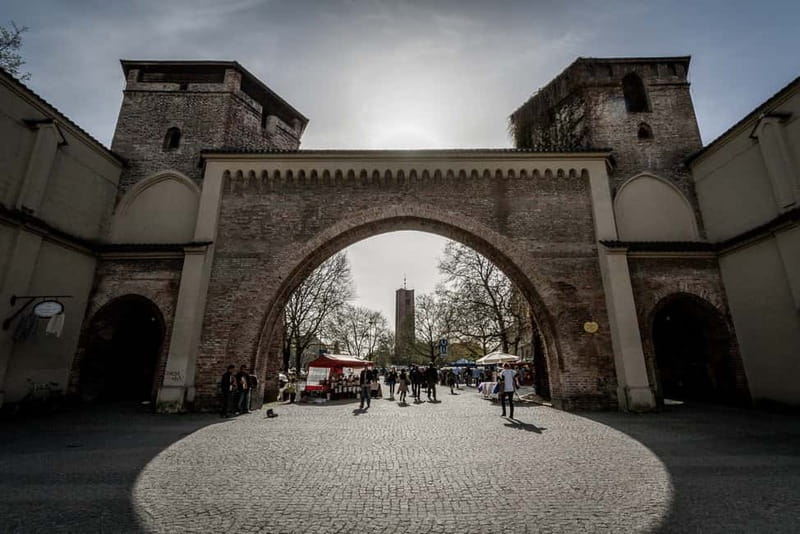
- From Frauenkirche to Sendlinger Tor: Following the Route Like a Story Map
- Guides Who Tell It Well: Why Susanne and Patricia Keep Getting Praised
- Small Gifts, Big Mood: What Extras Actually Change
- Who Should Book This Witches and Executioners Tour (and Who Might Skip It)
- What to Wear and How to Get the Most Out of 105 Minutes
- Should You Book the Munich Witches and Executioners Guided Tour?
- FAQ
- How long is the Munich Witches and Executioners guided tour?
- Where does the tour start?
- What language is the tour in?
- Is this tour wheelchair accessible?
- Is it suitable for children?
- How much does the tour cost?
Entering Munich’s Southern Old Town With Witches and Executioners Stories
This tour takes Munich and tilts the lights. Instead of treating the city like a museum, you’re guided through the zones where scary reputations formed—and where certain people were pushed away from respectable life. The theme is simple but effective: you’re not just hearing about the supernatural. You’re watching how society talked about witches, punishment, and dishonor in real streets and real squares.
I love that the tour doesn’t stay vague. It points you toward specific areas in the southern old town—especially around the Angers quarter and the Hackenviertel/Hofstatt—so the stories have a place to land. And I like that the focus includes the jobs and roles people feared or avoided, not only the sensational witch stuff.
If you’re the type who wants smiling, cheerful history only, you might feel out of step. This is the kind of walk where you’ll hear about executioners, hangmen, grave-diggers, and the street-level characters authorities didn’t want in polite company.
More of old Munich darker corners and legends
- Munich Ghosts and Spirits Evening Walking Tour★ 5.0 · 1,900 reviews
- Munich: Spooky Tour of Old Town in German★ 4.6 · 1,112 reviews
- Munich: Witches and Executioners Guided Tour★ 4.7 · 353 reviews
- Mystic Munich – Sagas and Legends of the Old Town★ 4.8 · 208 reviews
Meeting at Frauenkirche: Where the Tour Starts and What Happens in the First Minutes
Your starting point is very clear: in front of the main entrance to the Frauenkirche on Frauenplatz, between the two towers. That matters more than you might think. You’re less likely to waste time hunting for a group, and you can settle into the mood quickly.
The tour lasts around 105 minutes, and it’s built as a walk. That means the guide’s storytelling is designed to move with you, using the street setting as a stage. Expect stops where the guide points out where grim roles fit into daily city life—where feared figures operated, where people gathered, and where the tone of the neighborhood changed at night.
Since it’s a German-language tour, your comfort with German will strongly affect your enjoyment. If you read German easily but your listening is slower, you’ll still likely catch the key plot points—yet humor and nuance will be harder to follow.
Price and Value: Why $26 for 105 Minutes Can Be a Good Deal
For $26 per person and about 1.75 hours, you’re buying something most self-guided walks don’t offer: a guided narrative built around a specific theme and a compact route. You also get a small gift included, which is a nice little extra for a low-cost evening activity.
Is it “worth it”? In this case, yes—if you like stories that connect place to character. Munich can be heavy on architectural sightseeing. This tour gives you another way to read the city: by following what people feared, blamed, and whispered about.
You’re also not stuck with a long day plan. The time is short enough to fit into an evening, but long enough for the guide to build momentum and keep the story coherent.
Angers Quarter to Hackenviertel: The Neighborhood Where Fear Became Local Lore
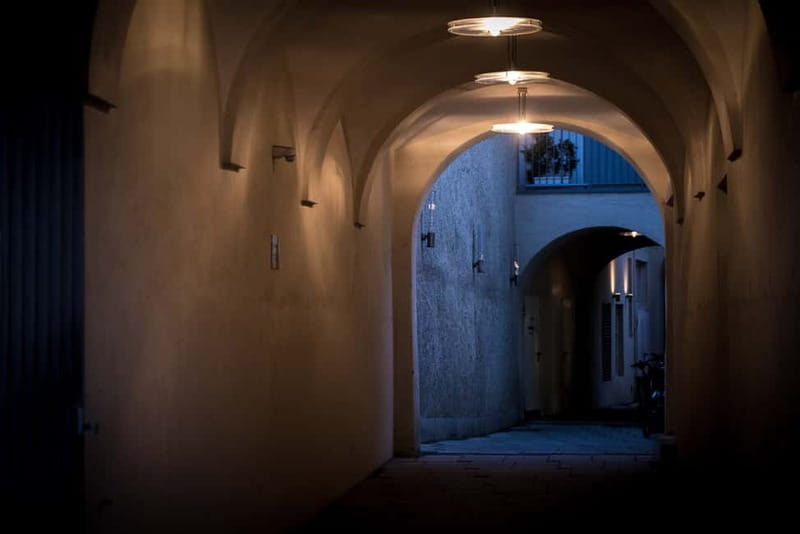
One of the tour’s strongest moves is using the Angers quarter and then stepping into the Hackenviertel area. These aren’t random stops. They’re treated as story zones where the city’s shadow life concentrated and where outsiders’ reputations took on weight.
In plain terms, this is how you understand historical fear without a textbook. You’re walking through the kind of older urban layout where rumors spread and where authorities could manage trouble by controlling the spaces people occupied. You get the sense that some residents lived under a different set of social rules.
If you tend to remember places better than names, this part is made for you. The route structure helps you keep track of the story: one neighborhood mood leads to the next. And once you’re oriented around the Hackenviertel/Hofstatt core, the rest feels like a guided “why” tour rather than a checklist.
- From Munich: Neuschwanstein & Linderhof Castle Full-Day Trip
★ 4.6 · 14,646 reviews - Neuschwanstein & Linderhof Castle-Fairytale Day Tour from Munich
★ 4.5 · 7,275 reviews - Munich: Third Reich & WWII Walking Tour
★ 4.6 · 6,181 reviews
Hofstatt and the Cast of Unwanted Characters
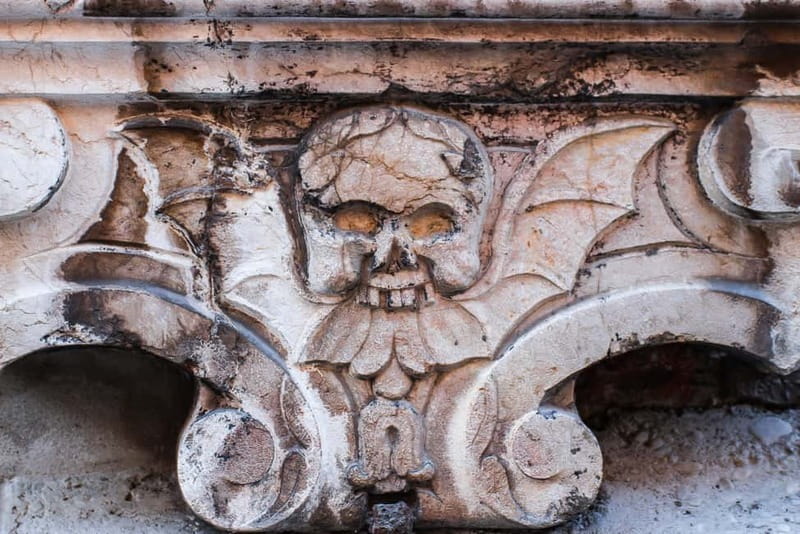
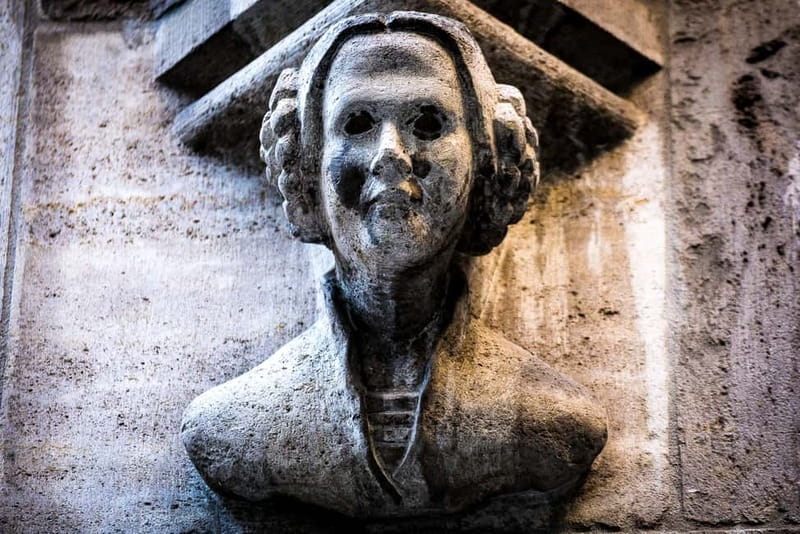
The Hofstatt area is a major highlight, and it’s where the tour leans hardest into the spooky cast: hangmen and executioners, witches, and other figures described as existing on the fringes. The theme is the social side of fear—who was condemned, who was used as a scapegoat, and who handled jobs that respectable people pretended didn’t exist.
I like the balance here. It’s not only about the supernatural. It also addresses how the Middle Ages handled punishment and stigma through roles tied to death and disorder. That makes the tour feel more grounded, even when the subject matter is dark.
And yes, you’ll hear words and themes that are meant to be uncomfortable. This is the point. The guide frames it as a time when death was part of everyday life, and when some jobs were treated like they came with moral contamination.
Grave-Digger, Ravens, and Hatchets: How the Tour Talks About Death as Daily Reality
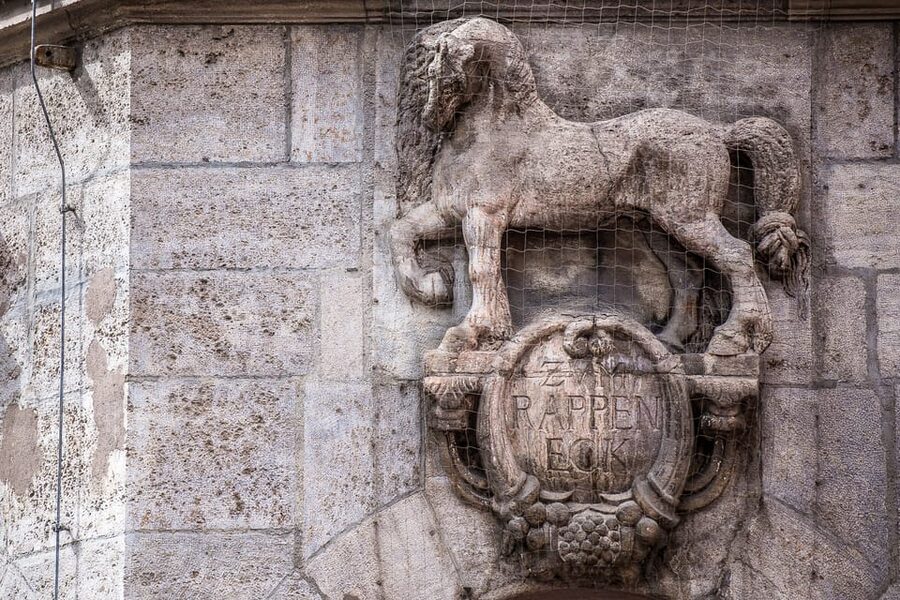
A standout feature of this tour is that it treats the grim jobs as part of the urban system. You’ll learn where the grave-digger shouldered his spade, where ravens circled, and where executioners whipped their hatchets. That kind of phrasing isn’t just for shock value. It’s a way of making you picture the city when punishment and death weren’t distant events.
This section is where the tour becomes more than a spooky walk. It helps you see how cities worked when survival and survival-risk shaped everything. If you’ve ever wondered how people lived knowing someone could be punished or harmed for wrongdoing—or even just blamed for it—this gives you the emotional background.
One practical note: because the tour leans on storytelling, your enjoyment will track with your attention. If you tune out mid-sentence, you’ll miss the threads that connect each grim job to the place you’re standing.
Unsafe Streets at Night: Rogue Rabble and the Fear of What Lurked Outside
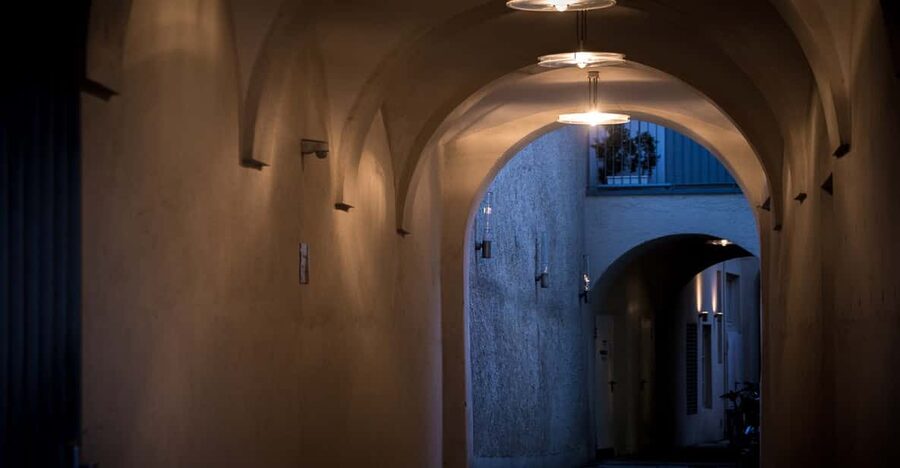
The tour also covers the idea that streets could become unsafe when night fell—and that some groups of people made life harder for the “good citizens.” You’ll hear about the rogue rabble that made certain areas feel threatening, and how the city’s safer routines depended on keeping those threats managed or contained.
This is a key theme because it changes the tone. It’s not just witches and executions as spooky entertainment. It’s the social logic behind why communities pushed some people out and why the remaining residents wanted distance.
As you walk, you get a sense of the city as a set of shifting zones: during the day it’s one thing, after dark it’s another. That feeling is hard to recreate without someone guiding you, because the modern city doesn’t announce those old rules with signs. The guide does.
From Frauenkirche to Sendlinger Tor: Following the Route Like a Story Map
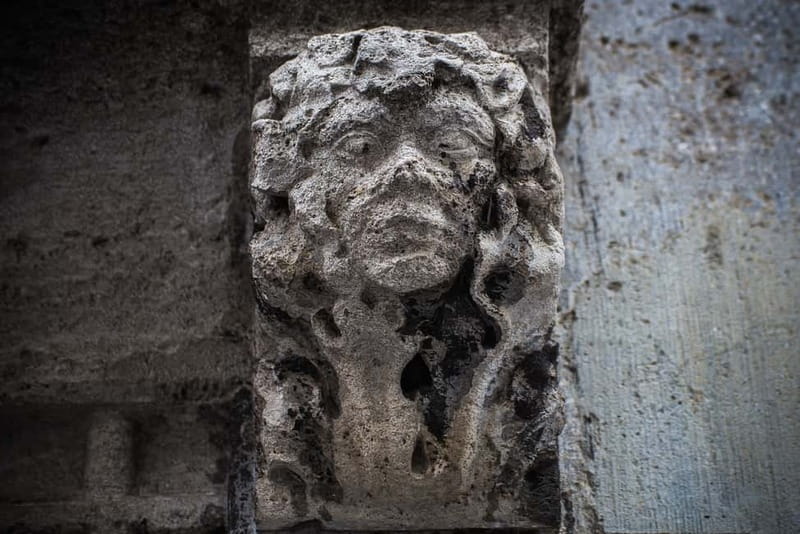
A big reason this tour works is the way it’s structured as a route rather than a sequence of random anecdotes. You’re walking from the Frauenkirche area and heading toward the Sendlinger Tor, crossing through the Hackenviertel area in the process.
That matters because you’ll remember the walk as a connected line. You don’t just hear about punishment; you hear it while standing where it would have been socially “near” in the historical imagination. The route also helps keep energy up. Even if the content is heavy, your feet keep you engaged.
If you’re cold (and Munich can be), the walking helps. Still, it’s a 1.75-hour outdoor activity with German storytelling, so dress for chilly weather and be ready to stand still at some stops.
Guides Who Tell It Well: Why Susanne and Patricia Keep Getting Praised
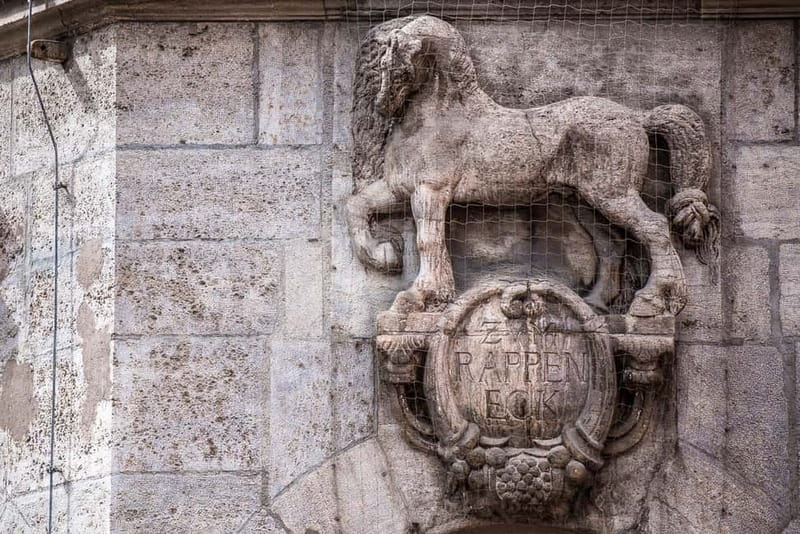
The tour’s biggest success factor isn’t the theme—it’s the storytelling. Multiple recent guide evaluations highlight that the guide knows the material well and tells it in a vivid, entertaining way. Names that pop up include Susanne and Patricia.
I pay attention to that because dark tours can go two ways: either they’re just shock-and-gimmicks, or they’re sharp storytelling that keeps you with the thread. The praise for humor and strong narration suggests you’re aiming for the second version—especially on winter evenings. One note from recent feedback even points out that the cold didn’t shut down the fun, which usually means the guide knows how to keep the group comfortable and engaged.
If you prefer history with a bit of theater, you’ll probably appreciate this. If you want strict academic delivery, you might find the style more “storytelling” than “lecture.”
Small Gifts, Big Mood: What Extras Actually Change

Included with the tour is a small gift. It’s not a deal-maker, but it signals that the experience is treated like an evening activity, not just a ticketed lecture. Those little extras can make a themed walk feel more complete.
Also, the overall package includes an experienced local guide (not just a voice recording) and a live tour environment. That matters for dark-themed storytelling because timing and tone are part of the craft. You can feel it when a guide adjusts the pace to the group.
And because this is wheelchair accessible, the logistics are simpler for many people than you’d expect from a themed walking tour. I’d still plan on steady outdoor walking and some standing, though.
Who Should Book This Witches and Executioners Tour (and Who Might Skip It)
This is best for you if you like:
- Munich’s older neighborhoods and you enjoy reading a city through people, not just buildings
- dark humor and social-history themes
- walking tours where the guide’s voice is the main attraction
It may not be the best fit if:
- you want light, kid-friendly content (it’s not suitable for children under 14)
- you’re not comfortable with German storytelling
- you dislike grim themes around death and punishment
In other words, it’s a solid choice for adults and teens who want something different from the usual sights-only routine.
What to Wear and How to Get the Most Out of 105 Minutes
This is a practical, outdoorsy evening. Wear layers and shoes you can walk in comfortably. Even when you’re having fun, cold air and long standing moments can take the edge off a “spooky” mood.
Bring a small layer for warmth and keep your phone battery for pictures if you want them between stops. Just don’t let the camera ruin the story. The best moments are when you’re standing with the guide, listening to how the location connects to the grim character being discussed.
Finally, if you want extra atmosphere, be the person who leans into it. A dark tour works best when you treat it like theater you’re walking through, not like a checklist.
Should You Book the Munich Witches and Executioners Guided Tour?
I’d book it if you want a Munich evening that feels human. The value is strong for the price because you’re paying for a focused narrative, not just a walk around central streets. The route—from Frauenkirche to Sendlinger Tor—keeps the story tied to a real map, and the Hackenviertel/Hofstatt spotlight gives the tour a clear center of gravity.
Skip it if you’re sensitive to grim historical themes or if German storytelling won’t work for you. And if you’re traveling with younger kids, this one isn’t designed for that age range.
If you want something slightly scary, a bit funny, and grounded in place, this tour is a smart bet.
FAQ
How long is the Munich Witches and Executioners guided tour?
It lasts about 105 minutes.
Where does the tour start?
Meet in front of the main entrance to the Frauenkirche on Frauenplatz, between the two towers.
What language is the tour in?
The tour is in German.
Is this tour wheelchair accessible?
Yes, it is listed as wheelchair accessible.
Is it suitable for children?
It’s not suitable for children under 14.
How much does the tour cost?
The price is listed as $26 per person.
More Ghosts and Legends of Munich




Just added to the Munich Explorer notebook


Ghosts, Legends & True Crime Walks, compared.
 ★ 5.0Munich Ghosts and Spirits Evening Walking TourFrom $601,900 reviews
 ★ 4.6Spooky Tour of Old Town in GermanFrom $261,112 reviews
 ★ 4.8Mystic Munich – Sagas and Legends of the Old TownFrom $26208 reviews
 ★ 4.7Munich – Illuminati & other Secret Societies, Tour in GermanFrom $29122 reviews
 ★ 5.0The Original True Crime Walking Tour of MunichFrom $4296 reviews
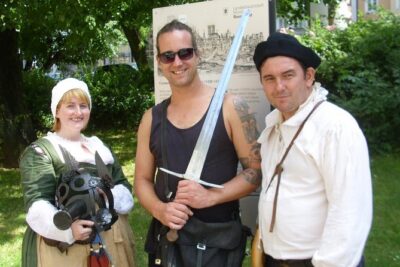 ★ 5.0Munich Macabre Group Walking TourFrom $4271 reviews
 ★ 4.7Scary Tour with actors in GERMANFrom $4659 reviews
 ★ 4.0Ghosts of Munich: The Haunted Apprentice Exploration GameFrom $719 reviews
Browse the lists this tour appears in