
Reviewed · GHOSTS, LEGENDS & TRUE CRIME WALKS
München: Stadtführung Henker, Huren, Hexen in GERMAN
This tour turns central Munich into a story map of cruelty, survival, and control. I like that it’s not just spooky for effect; you follow real places tied to executioners, prostitution, and witch hunts and see how power worked in the city. It’s also a very walkable length at 2 hours, so you get the point without losing half a day.
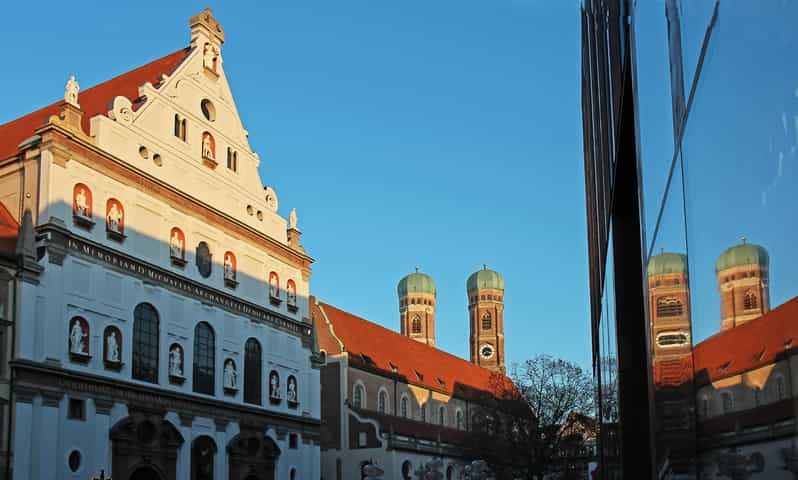
Two things I really like: you get to see the Frauenkirche area up close while your guide explains how Munich ran things behind the scenes, and you also pause at the Neuhauser Tor, where delinquents were led out for execution. One consideration: the theme is grim, and the tour moves through church-heavy parts of the center, so it can feel long if you’re mainly in Munich for pretty viewpoints.
In This Review
- What’s in the highlights (and why they matter)
- Key points before you go
- Munich’s Henker, Huren, Hexen route: a 2-hour “how power worked” walk
- Where you start: Neuhauser archway, big blue bag, and getting oriented fast
- Neuhauser Tor: the edge of the city where punishment left town
- St. Michael’s Church: where the story gets architectural and human
- Frauenkirche: famous building, darker explanation attached
- Alter Hof: Old Court of Munich as a “seat of power” moment
- “Salt road” to the former Jesuit college: witch hunts, organization, and reach
- The story thread: executioners, prostitution, witch hunts, and the overlap
- Shared or private tour: choose the pace that fits you
- Price and value: what you’re paying for at about $25
- What’s included, what’s not, and how to plan your day
- Weather, timing, and the “dark theme” reality check
- Who should book this Munich tour?
- The accessibility note you should take seriously
- Should you book München: Stadtführung Henker, Huren, Hexen?
- FAQ
- What is the duration of the tour?
- What language is the tour guide speaking?
- Where do I meet the guide?
- How do I recognize the guide?
- Is the tour rain or shine?
- Are entrance fees included?
- Is food and drink included?
- Are there actors or reenactments?
What’s in the highlights (and why they matter)
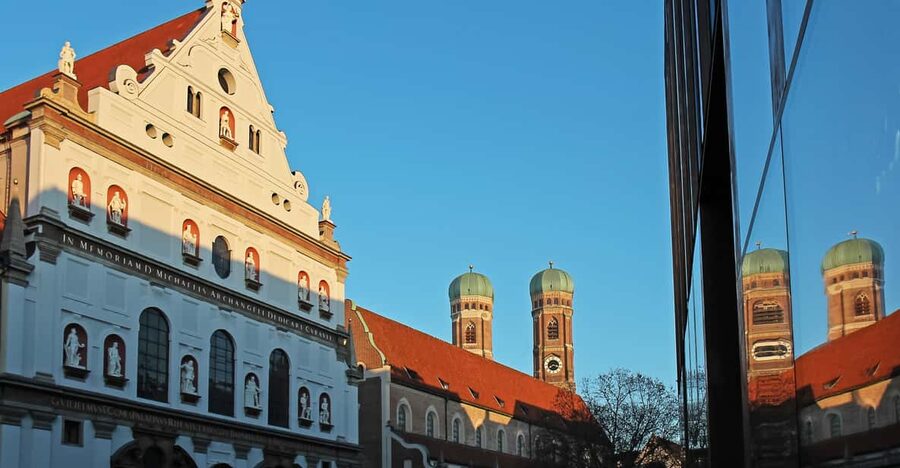
If you’re curious about how a city actually functioned—who held authority, who enforced it, and how rumors and fear were used—this route gives you a clear thread. You’ll also walk by major landmarks (St. Michael’s Church, Frauenkirche, Alter Hof), but each one is treated like evidence in the story.
That said, if you prefer lighter history or expect visual reenactments, this is not that. The experience has no actors or staged scenes, so you’re relying on your guide’s explanations and the atmosphere of the streets.
More of old Munich darker corners and legends
- Munich Ghosts and Spirits Evening Walking Tour★ 5.0 · 1,900 reviews
- Munich: Spooky Tour of Old Town in German★ 4.6 · 1,112 reviews
- Munich: Witches and Executioners Guided Tour★ 4.7 · 353 reviews
- Mystic Munich – Sagas and Legends of the Old Town★ 4.8 · 208 reviews
Key points before you go
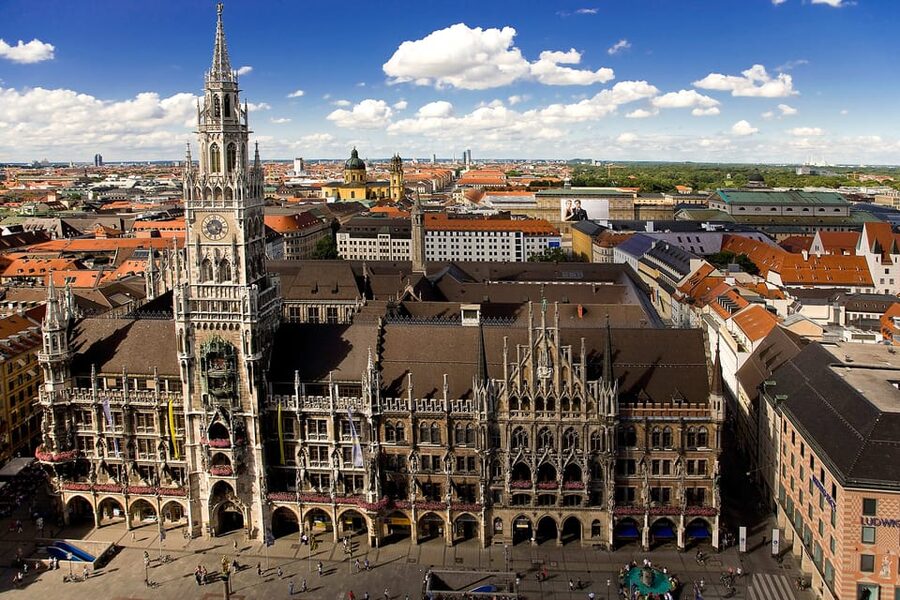
- Neuhauser Tor stop: the spot where delinquents were led out of the city for execution.
- Frauenkirche included: you connect the landmark to the darker systems described on the walk.
- Alter Hof (Old Court of Munich): you pass a seat of power while the guide explains who ran Munich.
- St. Michael’s Church: a strong anchor point for the story beats along the way.
- Salt road route segment: you follow part of the historic salt-road path to reach the Jesuit college area.
- German-only guide: the whole tour is live interpretation, so language matters for your comfort.
Munich’s Henker, Huren, Hexen route: a 2-hour “how power worked” walk
Think of this as Munich through a darker lens—still in the real city streets, still timed at a sane pace, but aimed at the uncomfortable corners of history. The tour is called something like Henker (executioners), Huren (prostitutes), and Hexen (witches), and that’s your map: the guide connects these worlds and shows you how they overlapped in practice.
You’re in Bavaria, in central Munich, and you’ll be walking from major landmark to major landmark. The stops you’re given aren’t random postcards. They’re the kind of locations where people once gathered, watched, feared, or enforced rules. If you like your sightseeing with a thesis, this one has a clear argument.
The tour length is 2 hours, and that’s important. It gives enough time to hit the key sites and still keep you from getting exhausted on benches, in crowds, or in church interiors. Still, it’s a walking tour, so start with comfortable shoes and expect some time outdoors.
Where you start: Neuhauser archway, big blue bag, and getting oriented fast
Your meeting point is simple and easy to find: you meet your guide under the Neuhauser archway. Your guide will be wearing a big blue bag with white text: Weis(s)er Stadtvogel. That visual cue matters, because Munich’s center has plenty of tour groups, and you want to connect with the right one quickly.
Once you’re together, you’ll start building the context immediately. The tour doesn’t wait until the end to explain its angle. Early on, you’re setting up why these stories are tied to specific locations and why the city’s structure mattered.
If you’re the type who likes to know what you’re looking at before you look, you’ll appreciate the early grounding. You’re not just moving from one famous building to another; you’re learning how to read the street layout like a timeline.
- From Munich: Neuschwanstein & Linderhof Castle Full-Day Trip
★ 4.6 · 14,646 reviews - Neuschwanstein & Linderhof Castle-Fairytale Day Tour from Munich
★ 4.5 · 7,275 reviews - Munich: Third Reich & WWII Walking Tour
★ 4.6 · 6,181 reviews
Neuhauser Tor: the edge of the city where punishment left town
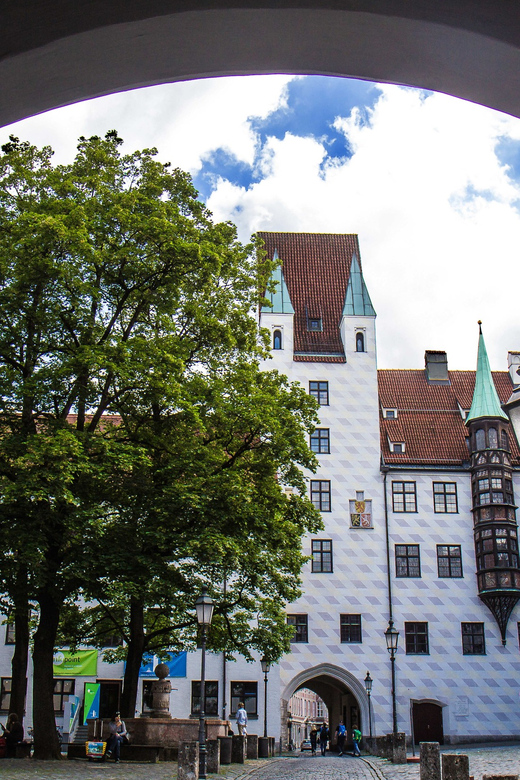
One of the most direct moments in the tour is the stop at the Neuhauser Tor. This is described as the place where delinquents were led out of the city to be executed. That makes the scene feel both historical and oddly close to everyday life, because you’re standing in an urban area where modern Munich now moves on.
What I like about this stop is that it clarifies the tour’s core idea: punishment wasn’t just about morality. It was about management. By staging exits and routes, a city could control who saw what—and who didn’t.
You’ll also hear how the guide ties the executioners’ roles to other forms of enforcement and exploitation. The tour framing includes the claim that Munich was run, in part, by people who carried out executions and also acted in functions tied to prostitution. That’s a heavy idea, and the tour keeps the connection explicit.
St. Michael’s Church: where the story gets architectural and human
From the “where punishment went” moment, the tour shifts into a more interpretive mode by bringing you to St. Michael’s Church. Even if you’re not a church architecture specialist, you can still get something out of this stop because your guide uses the setting to explain how public life and institutional power sat side by side.
Churches in city centers often functioned like landmarks and meeting points. On this tour, they’re treated as more than scenery. You get a sense of how religious structures and civic reality overlapped—especially when fear, accusations, and control were involved.
One practical note: since this is a walk-through of central Munich, you’ll want to pace yourself. If you’re mentally worn out by grim topics, church areas can make it feel more intense. Just remember: the tour is rain or shine, so plan for weather and keep breaks short and strategic.
Frauenkirche: famous building, darker explanation attached
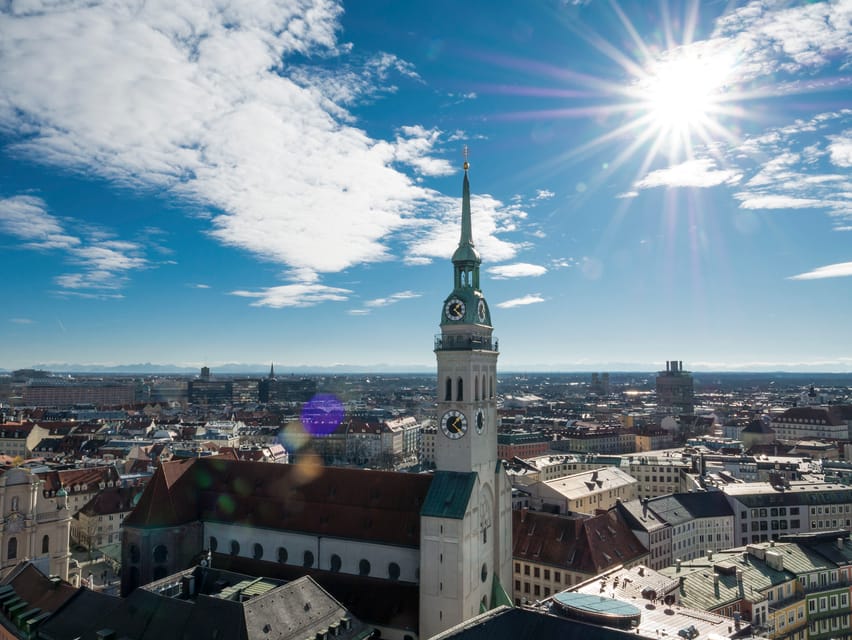
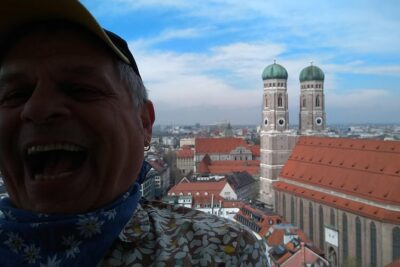
You’ll see the well-known Frauenkirche on this tour, and the point is not just recognition. The guide uses the area to connect what’s visible now to how Munich operated when fear and punishment were part of civic life.
This is also where the tour can feel like it’s at full intensity, because it’s a landmark that attracts attention and sound carries in the center. If your German is basic, you might still follow the shape of the narrative through the guide’s emphasis on place and cause-and-effect.
I’ll be honest about what to watch for. One visitor described a situation where they couldn’t understand much of the talk at least partly due to acoustics and the timing around the church bells. That doesn’t mean you’ll have the same experience, but it’s a good reminder: if you’re sensitive to noise or you rely on hearing every detail, choose a spot where you can hear well and don’t stand far back.
Alter Hof: Old Court of Munich as a “seat of power” moment
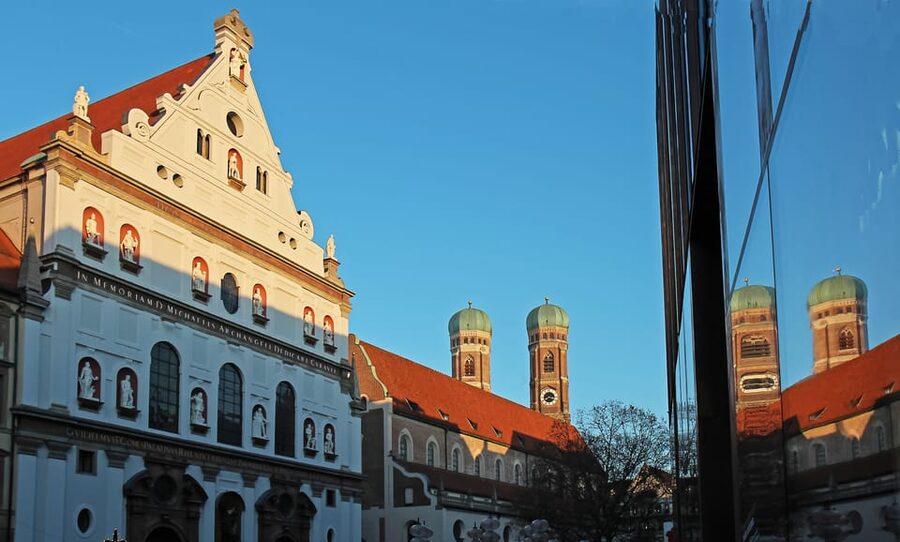
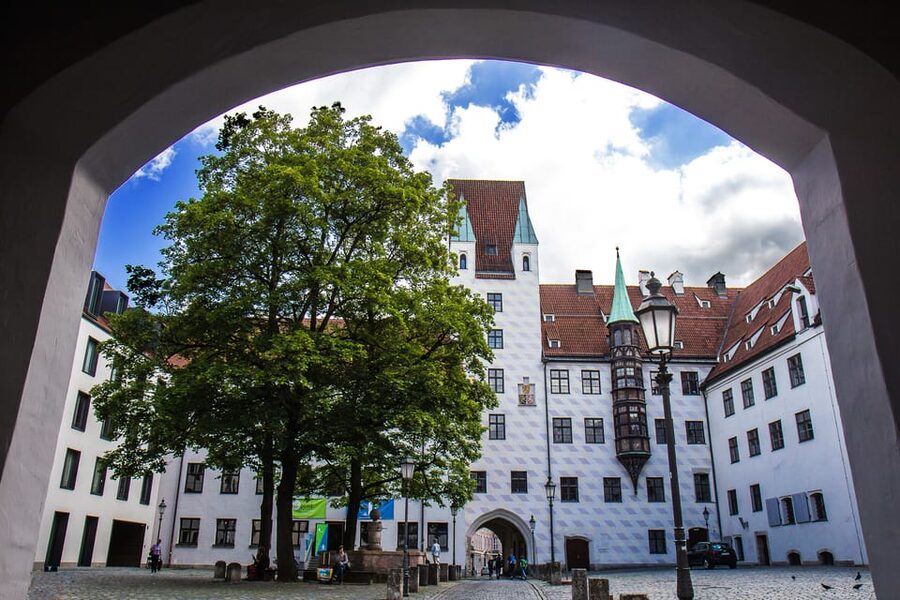
As you pass Alter Hof—the Old Court of Munich—you get a different flavor of history. This isn’t about the spectacle of punishment alone. It’s about the machinery around it: who had authority, where decisions were made, and how the city’s hierarchy shaped what happened to people on the lower end.
I like this stop because it helps you avoid turning the tour into pure shock value. You’re learning the “system,” not just the worst moments.
If you’re a traveler who likes political history but doesn’t want a lecture, this kind of landmark-as-evidence approach works well. You can glance at the surroundings and then link them instantly to the explanation you just heard.
“Salt road” to the former Jesuit college: witch hunts, organization, and reach
The tour then moves along the historic salt road and reaches the area of the former Jesuit college. This part matters because it shifts the theme from street-level punishment to institutional power—how witch hunts were organized, justified, and carried out.
The guide covers why certain headquarters or operations were outside the city. That’s a key historical detail because it changes how you think about fear and enforcement. If activity was positioned outside the city center, the city could appear orderly while the darker work happened at a distance.
At this stage, the tour also explains how witch hunts connected to the broader story. The framing ties accusations to systems of control, and prostitution to systems of exploitation and regulation. If you’ve ever wondered why “moral panic” isn’t just gossip—why it becomes policy—that’s where you’ll start to see the mechanics.
The story thread: executioners, prostitution, witch hunts, and the overlap
The name of the tour isn’t just clever. The experience is built around the idea that these roles and fears had overlap. You’ll hear how Munich’s history included executioners who weren’t only about sentencing, but also about other forms of control that intersected with prostitution.
You’ll also hear an end-point fact that I found especially interesting for modern context: the guide explains why prostitution ended in the 1970s. That kind of time jump is useful because it stops the story from being only medieval. You leave with a sense that cities change—not just through ideas, but through law, policy, and social shifts.
To keep the experience grounded, the tour avoids staged performances. It’s not actors, not reenactments, not “come closer for the scene.” It’s you, the guide, and the buildings and street lines that helped create the conditions for these events.
Shared or private tour: choose the pace that fits you
This tour offers a choice between a shared group or a private tour. For me, that’s not just a scheduling option; it affects how well you’ll absorb the story.
If you’re comfortable in group settings and you like the energy of other people asking questions, a shared tour can add momentum. If you want quieter focus—especially for a topic that’s heavy and explanation-driven—private can help you stay engaged without feeling rushed or lost in the group flow.
Either way, it’s guided by a live German-speaking tour guide, so your comfort with German matters. If German isn’t your strongest language, you might still enjoy the sights, but you’ll get less of the story’s details.
Price and value: what you’re paying for at about $25
The price is listed at $25 per person. For a two-hour guided walk in central Munich that hits major landmarks (Frauenkirche, St. Michael’s Church, Alter Hof) plus a narrative thread through execution, prostitution, and witch hunts, the value is mostly in the guide’s interpretation.
You’re not paying for museum rooms, not paying for entrances, and not paying for transportation. The included value is the live guide and the guided tour itself. That means you’re buying someone’s ability to connect places to themes—and that’s exactly what the tour’s structure depends on.
So if you enjoy history when it’s explained in plain human language rather than through exhibits, this is a fair deal. If you’re expecting a lot of indoor stops or paid attractions, you might feel the schedule is too “street level.” But for dark-history storytelling in Munich’s center, the time and price line up well.
What’s included, what’s not, and how to plan your day
What you get: a knowledgable guide and the guided tour. What you don’t get: food and drinks, pickup or drop-off, and entrance fees.
That means you should plan your day like a regular walking tour. Eat beforehand or after. Budget time to arrive early enough to find the correct guide under the Neuhauser archway. And don’t assume any church entrances are covered—entrance fees are not listed as included.
Because the tour runs rain or shine, pack for weather. And because it’s a story heavy walk, don’t schedule something demanding right after unless you know you handle intensity well.
Also note: it’s live guided in German. If you need help hearing clearly, stand where you can see and listen without straining.
Weather, timing, and the “dark theme” reality check
The tour takes place in rain or shine, and you should expect the experience to stay on track. That’s good for reliability, but it means you should dress for damp streets, slippery cobblestones, and colder air if the weather turns.
On the topic itself: executioners, prostitution, and witch hunts are inherently uncomfortable subjects. If you prefer light sightseeing, this may feel heavy. If you like learning how societies really worked—how institutions shaped lives and deaths—it’s exactly the kind of tour that gives context you can’t get from a guidebook in ten minutes.
There’s also a note that the tour includes no actors or reenactment, so you won’t get visual scenes. The guide’s words and the urban setting are the main ingredients.
Who should book this Munich tour?
You’ll likely enjoy it if:
- you like city walks where the guide teaches you how to read places
- you’re curious about Munich’s historical systems, not just its postcard sights
- you want a compact 2-hour option that still gives a clear narrative
You might want to skip it (or at least think carefully) if:
- you strongly dislike crime-adjacent or fear-based topics
- you want mostly relaxed, uplifting storytelling
- you have trouble with group listening in busy central spots
The accessibility note you should take seriously
The information provided lists the tour as wheelchair accessible, but it also says it’s not suitable for people with mobility impairments. That contradiction is worth addressing before you book.
If you use a wheelchair or have mobility limits, don’t just assume. Plan to ask the provider directly what the route and street surfaces are like and whether it’s truly workable for your needs.
Should you book München: Stadtführung Henker, Huren, Hexen?
I’d book it if you want Munich with a spine. The strongest reason is the structure: you connect Neuhauser Tor, major landmarks like Frauenkirche, and key route segments like the salt road to a single theme about how execution, exploitation, and witch hunts overlapped. At about $25 for 2 hours, you’re paying for guided interpretation, not for extra attractions.
I’d pass if you’re only looking for pretty sights and easy conversation. This tour is straightforward about dark subject matter, it’s German-only, and it relies heavily on what you can hear and follow while walking.
If your German is solid and you’re comfortable with heavy history, this is a strong choice. And if you want to learn why fear became policy in Munich, this tour gives you a route you can actually picture later.
FAQ
What is the duration of the tour?
The tour lasts 2 hours.
What language is the tour guide speaking?
The tour is guided in German.
Where do I meet the guide?
Meet your guide under the Neuhauser archway.
How do I recognize the guide?
The guide wears a BIG BLUE BAG with the white words Weis(s)er Stadtvogel on it.
Is the tour rain or shine?
Yes, it takes place rain or shine.
Are entrance fees included?
No, entrance fees are not included.
Is food and drink included?
No, food and drinks are not included.
Are there actors or reenactments?
No, this tour does not include actors or reenactment.
More Ghosts and Legends of Munich
Just added to the Munich Explorer notebook

Ghosts, Legends & True Crime Walks, compared.
 ★ 5.0Munich Ghosts and Spirits Evening Walking TourFrom $601,900 reviews
 ★ 4.6Spooky Tour of Old Town in GermanFrom $261,112 reviews
 ★ 4.7Witches and Executioners Guided TourFrom $26353 reviews
 ★ 4.8Mystic Munich – Sagas and Legends of the Old TownFrom $26208 reviews
 ★ 4.7Munich – Illuminati & other Secret Societies, Tour in GermanFrom $29122 reviews
 ★ 5.0The Original True Crime Walking Tour of MunichFrom $4296 reviews
 ★ 5.0Munich Macabre Group Walking TourFrom $4271 reviews
 ★ 4.7Scary Tour with actors in GERMANFrom $4659 reviews
Browse the lists this tour appears in