
Reviewed · OLD TOWN & MARIENPLATZ WALKS
Private Munich Old Town Walking Tour – with optional Breakfast
Old Town Munich feels easier with Sepp. This private 2-hour walk strings together Munich’s must-sees in the heart of the city, so you can ask questions as you go instead of studying a map. I love the way Sepp keeps the pace friendly for the whole group, and I love the clean hit-list of landmarks—Marienplatz, the Glockenspiel, and especially the Frauenkirche. One possible drawback: you’re moving quickly through several exterior stops, so if you’re hunting for long, sit-down interior time at every site, you’ll want to plan separate visits too.
If you add the optional breakfast, you can start with a classic Bavarian Weißwurst morning (with drinks). The tour also includes a surprising amount of refreshment—mineral water, soda, energy drink, juice, and even beer, wine, or prosecco. Do keep in mind that Viktualienmarkt is closed on Sundays, so market lovers should aim for another day.
In This Review
- Key highlights I think you’ll care about
- Starting at Marienplatz, the real Munich “center”
- Rathaus-Glockenspiel: short stop, big pay-off
- Viktualienmarkt: food culture stop that needs the right day
- Hofbräuhaus München and the beer-hall legend
- Platzl and Alter Hof: Munich’s historic backbone
- Maximilianstrasse: royal avenue energy and fashion street views
- Bayerische Staatsoper and Residenz: power, performance, and politics
- Feldherrnhalle and Theatinerkirche St. Kajetan: the ceremonial side
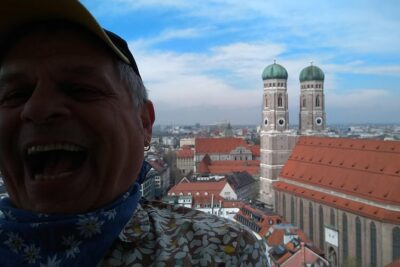
- The walk ends at Frauenkirche: why this church is a big deal
- Optional Weißwurst breakfast and the drink list that surprises people
- Private guiding with Sepp: what makes it feel worth it
- Value check: what $249 buys you in Munich terms
- How to make the most of the 2-hour loop
- Who this tour fits best
- Final decision: should you book Sepp’s Munich Old Town walk?
- FAQ
- How long is the Munich Old Town walking tour?
- Where does the tour start?
- How much does the private tour cost?
- Is the tour private?
- Are any attractions included with paid admission?
- What’s included in the tour besides the guide?
- Is breakfast available, and what is it?
Key highlights I think you’ll care about
- A true private setup: only your group with a guide you can question on the spot
- Sepp’s group-friendly style: he can keep things fun even with mixed ages and interests
- Major landmarks in one loop: Marienplatz, Glockenspiel, Frauenkirche, and the royal center
- Optional Bavarian breakfast: Weißwurst with drinks if you want the classic start
- Ticket-free stops listed: the stops are described as free to enter, so you’re not budgeting for add-ons
- Drinks included: everything from water and juice to beer, wine, and prosecco
More laps of the Altstadt and Marienplatz
- Munich: Third Reich & WWII Walking Tour★ 4.6 · 6,181 reviews
- Third Reich Walking Tour Munich★ 4.5 · 4,291 reviews
- Munich: Old Town & Viktualienmarkt City Walk in German★ 4.7 · 2,304 reviews
- Munich: Night Watchman Walking Tour★ 4.7 · 2,092 reviews
Starting at Marienplatz, the real Munich “center”
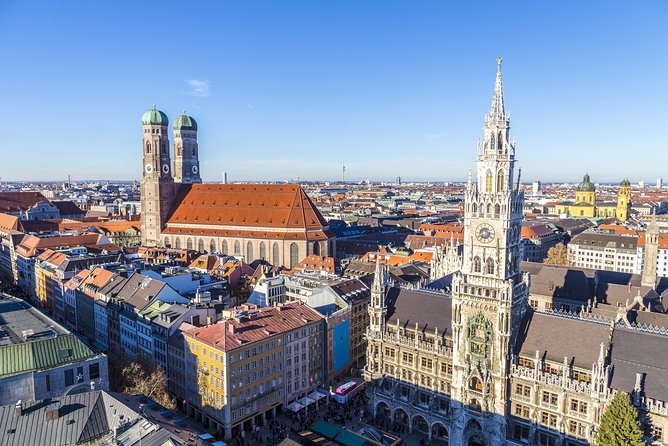
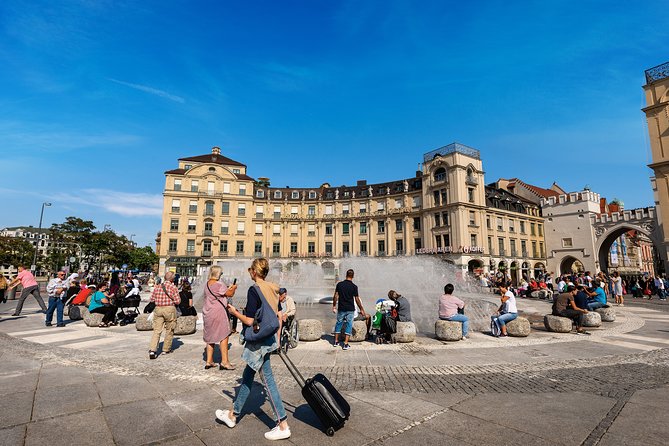
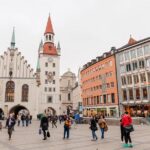
Your tour begins back at Marienplatz, Munich’s postcard-squared origin point. It’s the place where the city feels most official—an open square framed by landmark buildings, right where locals pass through every day.
This first stretch matters because it sets the rhythm. In about 10 minutes, you’re not just looking at pretty architecture; you’re getting oriented. A good guide explanation here turns later stops into a story you can follow. Without it, you’d just be collecting buildings. With it, you understand why the city grew where it did and why these spots still matter.
If you like photography, arrive with that mindset: you’ll want a couple of shots facing out over the square, because the rest of the walk pulls you into different angles and sightlines.
Rathaus-Glockenspiel: short stop, big pay-off
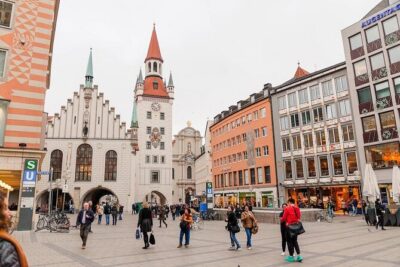
Next comes Rathaus-Glockenspiel, the famous carillon at the New Town Hall. Even if you’re not timing the show, you’re still at one of Munich’s best-known “event machines”—a place where the city’s self-image has been performed for centuries.
The stop is short (about 5 minutes), which is actually a smart use of time. Here, you’re learning what you’re seeing and what the moving scenes represent historically, so you can recognize details later when you pass similar civic clockworks in other cities.
Practical note: this is a spot where people gather. Keep your eyes on your guide, not only on the crowd. The value is in the explanation you get in the moment.
Viktualienmarkt: food culture stop that needs the right day
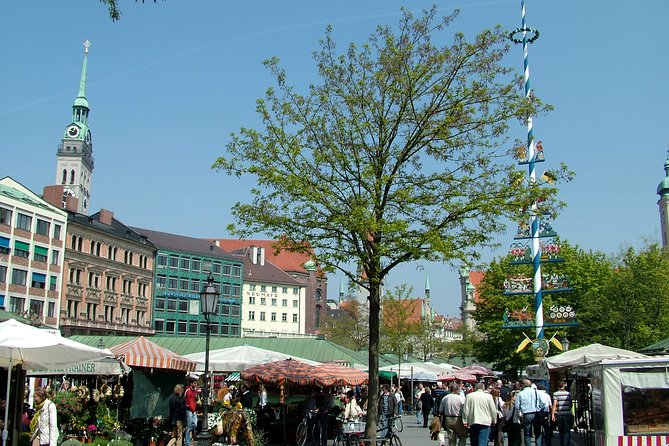
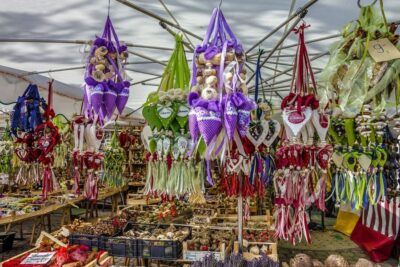
Then you’re walking to Viktualienmarkt, one of Munich’s best-known food markets. This is where the trip gains local texture. You’re not just learning history—you’re seeing the daily habits that keep old places alive.
Time-wise, plan on roughly 20 minutes. That gives you enough room to taste the atmosphere, spot the kinds of stalls you’d expect here, and understand why this market is more than a tourist stop.
The big drawback is day-of-week timing: the market is closed on Sundays. If your schedule puts you on a Sunday, don’t expect the market to be operating. You’ll still get the historical context and the sense of place, but your “market browse” time will be different.
- From Munich: Neuschwanstein & Linderhof Castle Full-Day Trip
★ 4.6 · 14,646 reviews - Neuschwanstein & Linderhof Castle-Fairytale Day Tour from Munich
★ 4.5 · 7,275 reviews - Munich: Third Reich & WWII Walking Tour
★ 4.6 · 6,181 reviews
Hofbräuhaus München and the beer-hall legend
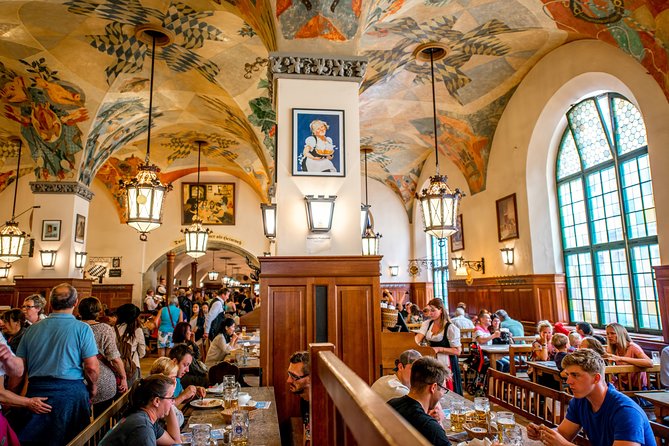
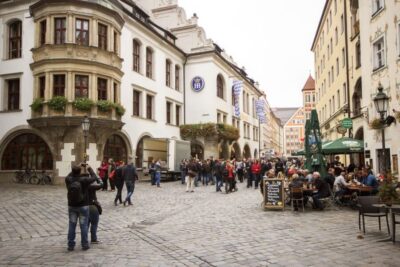
After the market, the walk turns toward Hofbräuhaus München—the beer hall that’s practically synonymous with Bavarian identity. This stop is brief (around 5 minutes), but it’s one of the most memorable because it connects food, politics, and community behavior through a single location.
A good guide here helps you separate the beer-hall myth from the real social function. You’ll get historical context and the kind of cultural details that make a place feel less like a theme park and more like a continuing tradition.
Quick expectation check: you’re not doing a long drink-and-food session on this stop. You’re collecting meaning. If you want a full beer-hall experience, you’ll likely follow up after the tour with your own time inside.
Platzl and Alter Hof: Munich’s historic backbone
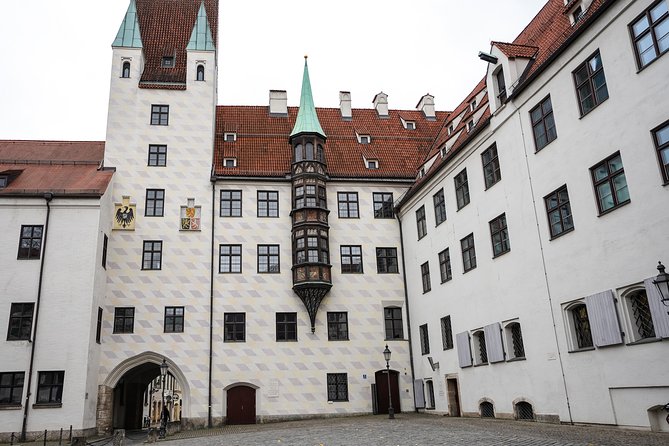
You’ll move through Platzl (a short stop) and then to Alter Hof, where the vibe shifts from civic squares to royal-era leftovers. The route includes time (about 10 minutes) for Alter Hof, described as part of Munich’s oldest structure story.
This is a key area for understanding how power shaped the city. The buildings here aren’t just “old.” They’re remnants of how Munich organized authority—through courts, residences, and the spaces around them.
One small practical tip: in this section, wear shoes that can handle cobblestones and slow walking. You’re covering enough ground to matter, but you’re also taking in corners and courtyards where the details are worth pausing for.
Maximilianstrasse: royal avenue energy and fashion street views
At some point, your walk transitions to Maximilianstrasse, one of Munich’s four royal avenues. The tour notes this area as famous for high-street fashion, so expect a different feel than the older medieval parts of town.
This stop works well even if you don’t care about shopping. Why? Because it shows how the city reinvented itself visually and economically. It’s Munich signaling: heritage in the center, modern life around it.
If you want to stretch your legs here, this is a good place to ask the guide what to shop for—or what to skip—based on what you actually like.
Bayerische Staatsoper and Residenz: power, performance, and politics
Next, you’ll reach Bayerische Staatsoper, the national theatre. The stop is short (about 5 minutes), but it’s anchored by scale—up to about 2,100 people—so you get the sense of Munich treating arts and public life as serious business.
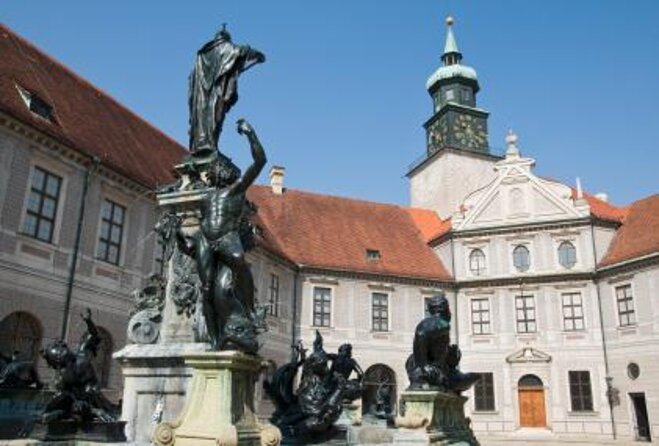
After that comes Residenz München, the former royal palace of the Wittelsbach family, with about 10 minutes on the site. This is where the tour helps you connect dots: the city’s governance, wealth, and cultural ambition all trace back to the royal household.
A fair expectation: you’re not touring rooms in-depth during a 2-hour walk. You’re getting the storyline, the layout logic, and what to notice if you decide to return later for a fuller palace visit.
Feldherrnhalle and Theatinerkirche St. Kajetan: the ceremonial side
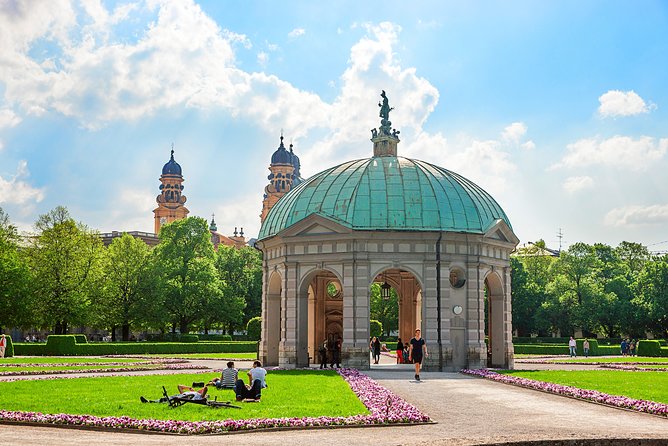
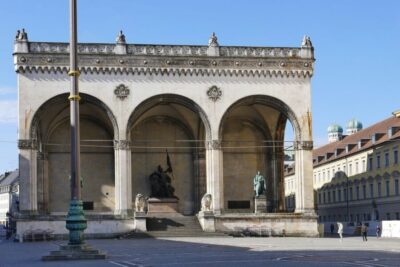
At Feldherrnhalle on Odeonsplatz, you’ll see a monumental loggia and hear what it represents (about 10 minutes). This kind of stop is great if you like symbolism. You learn how states use architecture to project authority and memory.
Then you’ll head to Theatinerkirche St. Kajetan, a church stop with about 5 minutes. It’s a quick hit, but churches in Munich are never only about worship. They’re also about art, patronage, and how the city expressed values over generations.
Tip for this portion: if you want more time inside a church, flag it to your guide during the tour. A private format means your route can often be adjusted a little on the fly.
The walk ends at Frauenkirche: why this church is a big deal
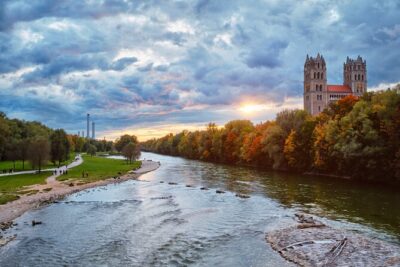
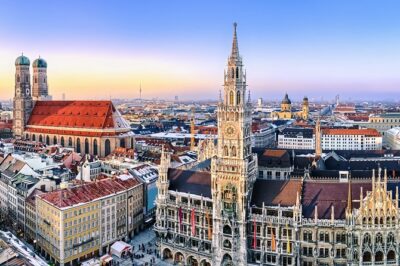
Finally, you reach Frauenkirche, with about 15 minutes. This is one of Munich’s signature churches, and the stop is designed to give you a “why it matters” moment, not just a standing-photo moment.
You’ll learn about the history behind the church, and you’ll also get enough time to look around without rushing. In a 2-hour format, that matters. You come away with a real understanding of what makes this building central to Munich’s identity.
After Frauenkirche, the route also includes a walk through the shopping street area—so your ending shifts from old-world monument to everyday city life.
Optional Weißwurst breakfast and the drink list that surprises people
If you choose the optional breakfast, expect a typical Bavarian Weißwurst setup with drinks of your choice. That’s a big part of the appeal for early-morning visitors: you’re not “starting with sightseeing.” You’re starting with a food tradition that locals still recognize as classic.
Even if you skip breakfast, the tour includes a lot of beverages: mineral water, soda, energy drink, juice, plus beer, wine, or even prosecco. That’s unusual in many walking tours, and it can really help if you’re walking in warmer months or you simply don’t want to break your budget every time you want a cold drink.
One practical consideration: if you don’t drink alcohol, you still have plenty of options. You can also treat this as a nice pacing tool—sip, snack if available, then keep moving.
Private guiding with Sepp: what makes it feel worth it
The most consistent praise centers on the guide: Sepp, The Bavarian Guide. The vibe is warm and engaging, and he’s described as able to make the experience work for different people in the same group—adults, kids, and mixed interests.
That matters more than it sounds. On a highlights walk, the “real” value isn’t the list of places. It’s what you learn while you’re standing in front of them. Sepp’s approach seems to be about finding what each person cares about—history, architecture, culture, or just enjoying the day—and then turning that into a guided story.
You also get private access to ask questions. And if you’re the kind of person who wants help with photos, several experiences highlight that he’ll take pictures for you. That’s a small service detail, but it changes how your day feels. You spend less time being stuck with your phone and more time actually enjoying the walk.
Also, one practical perk from real use: he can help you with practical planning at the end of the tour, like sorting out how to get back out of town by train.
Value check: what $249 buys you in Munich terms
At $249 per person for about 2 hours, this isn’t a budget “grab-and-go” tour. But it also isn’t priced like an all-day museum pass either. The value is in the format: private guiding, a tight route of major landmarks, and included beverages.
Here’s how I’d think about it:
- If you’re a couple, a small group, or a family that wants a low-stress introduction to central Munich, private guiding can be cheaper than hiring multiple separate paid helpers on your own.
- If you’re short on time—like you just landed or have a layover—two hours can be the difference between stumbling around aimlessly and walking away with a map you actually understand.
- If you want history without menu-like museum fatigue, this kind of stop-and-story structure is a strong match.
One more value factor: many of the stops are described as admission ticket free, which helps you avoid surprise entry costs during the walk. That keeps the trip feeling predictable.
For booking timing, it’s also useful to note this tour is commonly booked about 68 days in advance on average. If you’re traveling in a busy season or have limited dates, plan ahead.
How to make the most of the 2-hour loop
Because the pace is designed for covers-a-lot efficiency, you’ll get better results if you do a little pre-planning:
- Wear comfortable walking shoes and plan for cobblestone and turns.
- Bring a few questions you actually care about (history vs. everyday life vs. what to see next).
- If you’re taking photos, tell your guide when you want a quick pause so your “must-have shots” aren’t rushed.
If you’re coming from outside the center, consider using public transit rather than taxis. One review included a taxi cost example from about 35 km away that was very steep, and the takeaway was clear: trains can be cheaper and can even feel faster.
Who this tour fits best
This is a great fit if:
- You’re doing a first visit and want a guided highlights route without hunting down details.
- You’re traveling with kids or multi-generation groups and want a guide who can keep everyone engaged.
- You prefer private, question-friendly walking over museum time.
It may be less ideal if:
- You’re expecting deep interior tours at every stop in a single 2-hour window.
- You hate the idea of moving fairly constantly from site to site.
Final decision: should you book Sepp’s Munich Old Town walk?
If you want a fast, focused introduction to central Munich with a guide who feels personable and responsive, I’d book it. The combination of major landmarks, private guidance, and included drinks makes the experience feel like more than just a checklist.
I’d especially choose it if you’re on a tight schedule or you want your first-day walking to set you up for better planning afterward. If you’re coming through on a Sunday, just remember the market piece won’t be the same. Otherwise, this is the kind of tour that helps Munich click into place quickly—so your next walk around the city feels like you know what you’re looking at.
FAQ
How long is the Munich Old Town walking tour?
It lasts about 2 hours.
Where does the tour start?
The meeting point is Marienplatz, 80331 München-Altstadt-Lehel, Germany.
How much does the private tour cost?
The price is $249.00 per person.
Is the tour private?
Yes. This is a private tour/activity, and only your group participates.
Are any attractions included with paid admission?
The tour description lists admission tickets as free at the stops.
What’s included in the tour besides the guide?
Mineral water, soft drink, energy drink, juice, and also beer, wine, or prosecco are included, along with all fees and taxes.
Is breakfast available, and what is it?
There’s an optional Bavarian Weißwurst breakfast included with drinks of your choice.
More Altstadt and Marienplatz Walks
Just added to the Munich Explorer notebook
Old Town & Marienplatz Walks, compared.
 ★ 4.6Third Reich & WWII Walking TourFrom $316,181 reviews
 ★ 4.5Third Reich Walking Tour MunichFrom $454,291 reviews
 ★ 4.7Old Town & Viktualienmarkt City Walk in GermanFrom $232,304 reviews
 ★ 4.7Night Watchman Walking TourFrom $5302,092 reviews
 ★ 5.0Munich Ghosts and Spirits Evening Walking TourFrom $601,900 reviews
 ★ 4.5Munich Old Town Walking TourFrom $271,287 reviews
 ★ 4.6Spooky Tour of Old Town in GermanFrom $261,112 reviews
 ★ 4.7Walking Tour Old Town and ViktualienmarktFrom $282839 reviews
Browse the lists this tour appears in