
Reviewed · OLD TOWN & MARIENPLATZ WALKS
Munich: Old Town Culinary Tour
Munich tastes better with a guide. This Old Town culinary tour turns the big sights into food stories, with five tastings at five locations. I like the way the guide explains where Bavarian comfort food came from, and I also like the humor and legends that make places like Marienplatz feel more personal.
One thing to consider: the live tour guide is German-only, and drinks aren’t included—so you’ll want to pace your tastings and plan for water on the walk.
In This Review
- Key Things I’d Prioritize on This Tour
- Entering Munich’s Old Town With Food First
- Meeting Point: Marienplatz 8 and the Glockenspiel Entrance
- Stop 1 at Rosenstraße 7: A Quick Taste With the Route Set
- From Mariensäule to St. Peter’s: Legends You Can See
- Prälat-Zistl-Straße 10: Another Guided Bite on the Move
- Jüdisches Zentrum München: A Photo Stop With Context
- Gewürze der Welt: Spice Tasting as Real Education
- A Quirky Named Stop: Behindertenparkplatz and Another Bite
- Viktualienmarkt: The Best Place to Sit and Compare
- Dreifaltigkeitsplatz Finale: One More Tasting and a Clean Finish
- Price and Value: Is 51 Dollars a Good Deal?
- What the Guide Brings: Humor, Insider Tips, and a Relaxed Pace
- Who This Tour Suits Best
- Should You Book This Munich Old Town Culinary Tour?
- FAQ
- How long is the Munich Old Town Culinary Tour?
- What is included in the tour price?
- How many tastings are there, and how are they arranged?
- Where does the tour start?
- What sights are part of the route?
- Is the tour in English?
- Are drinks included?
- Is a guaranteed seat included?
- What is the cancellation policy?
- Can I book without paying right away?
Key Things I’d Prioritize on This Tour
- Five tastings across five Old Town stops so you’re not just sightsee-hopping
- Bavarian food origins plus funny legends tied directly to the streets and squares you see
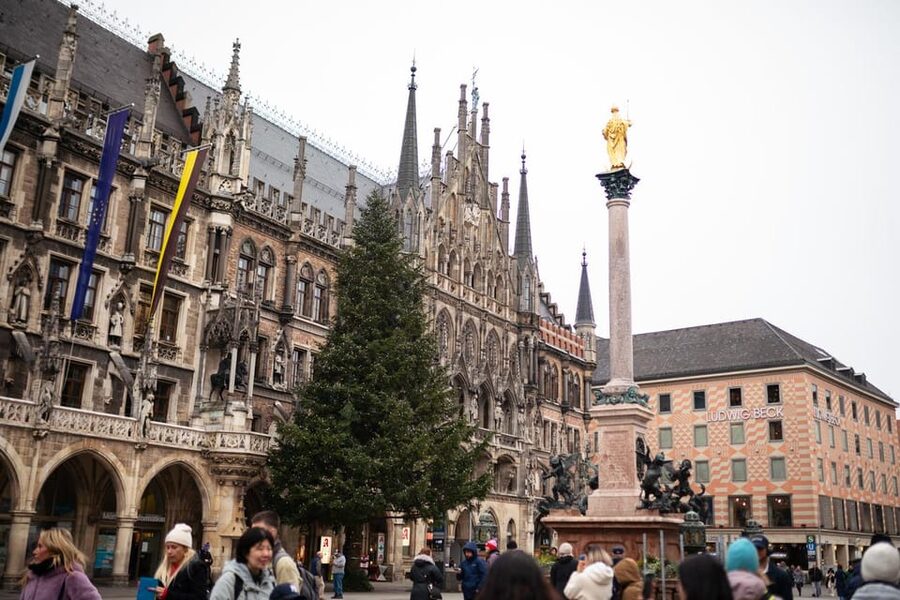
- Photo stops at major landmarks including St. Peter’s area and the Jewish Center
- A walk that keeps moving but stops often enough (about 3 hours total)
- Small-group feel in practice—you may end up with a more personal pace
- A mix of savory and sweet bites (from Leberkäse-style flavors to chocolate)
More laps of the Altstadt and Marienplatz
- Munich: Third Reich & WWII Walking Tour★ 4.6 · 6,181 reviews
- Third Reich Walking Tour Munich★ 4.5 · 4,291 reviews
- Munich: Old Town & Viktualienmarkt City Walk in German★ 4.7 · 2,304 reviews
- Munich: Night Watchman Walking Tour★ 4.7 · 2,092 reviews
Entering Munich’s Old Town With Food First
This is the kind of tour where you notice the city differently. Instead of treating Munich’s Old Town like a list of monuments, you treat it like a food map. You start in the center of everything—Marienplatz—and then the guide threads in the why behind what you’re eating.
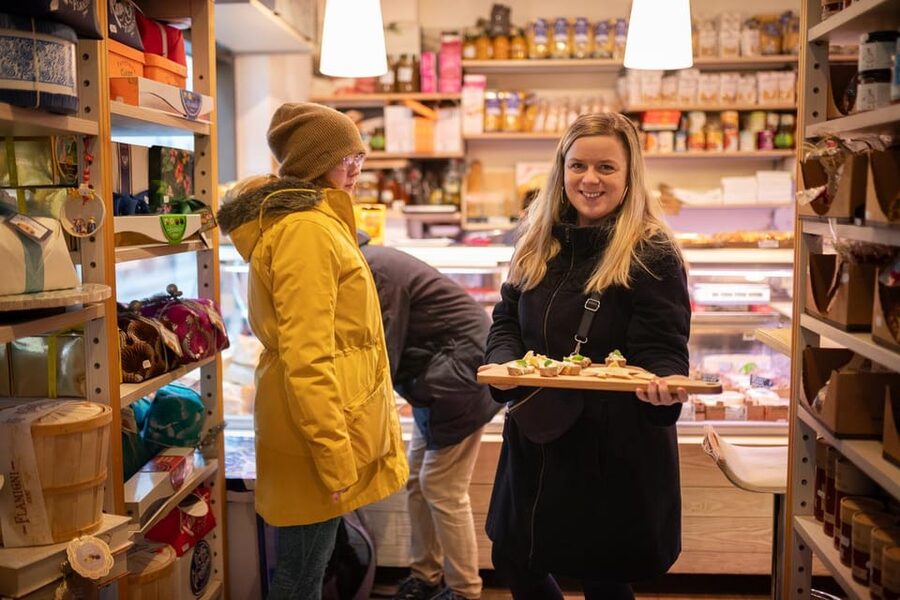
What makes this work is the balance: you get walking time and major sights, but the tastings keep the whole route grounded. And you’re not just sampling random snacks. The tour talks through Bavarian food culture—how classics like pretzels, Weisswurst, and Leberkäs are part of local identity, plus the sweet side with items like striezel and knieüchle. Even if you’ve visited Munich before, this angle makes the old streets feel like they have a reason.
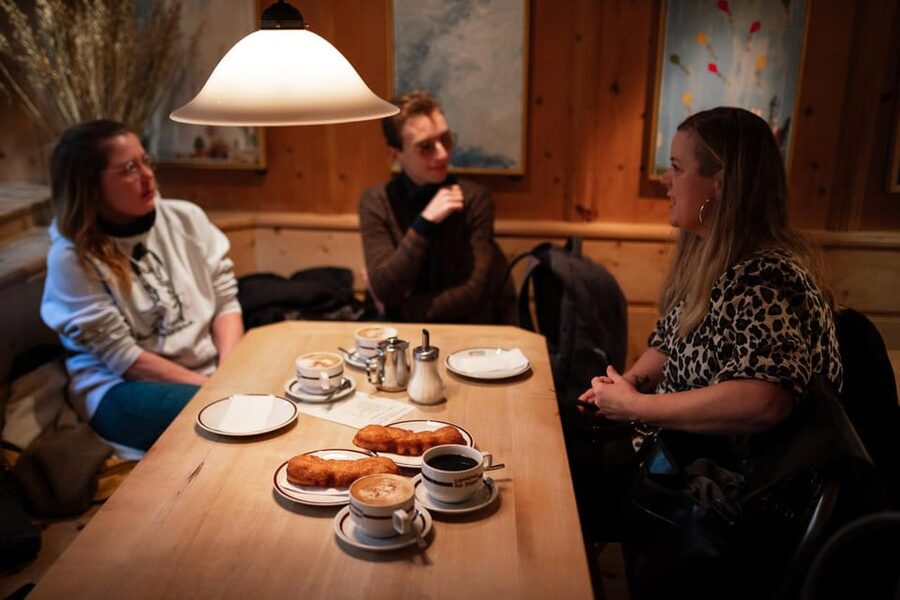
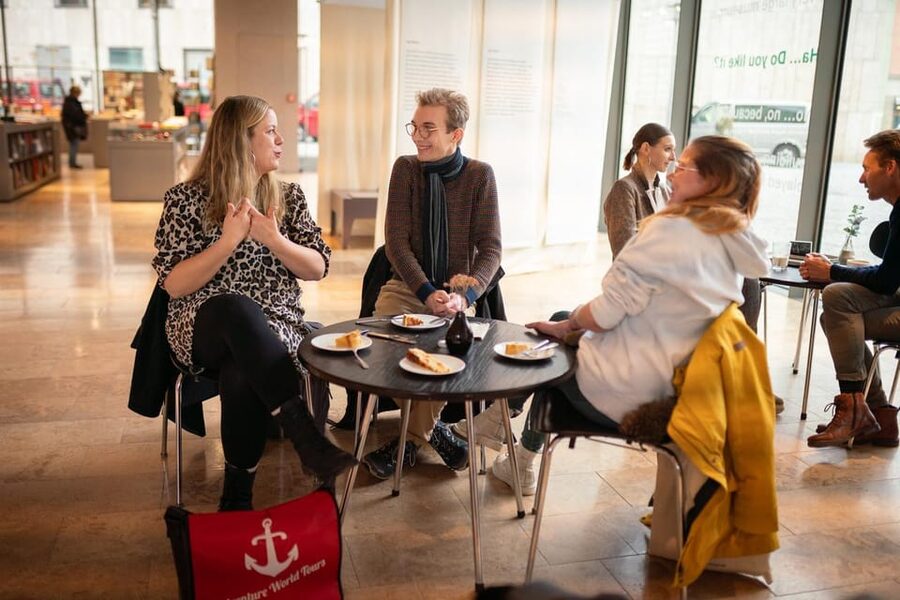
The group also tends to move at a human pace. One of the best parts is that stops feel like they’re chosen to match the conversation, not just the calendar. You’ll sit down for a cozy chat at some points, which is a nice change from constant standing and snapping photos.
Meeting Point: Marienplatz 8 and the Glockenspiel Entrance
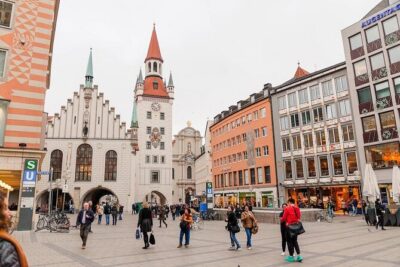
You’ll meet at Marienplatz 8, down at the entrance to the Glockenspielturm. If you’ve ever stood near the famous clock, you know it’s a magnet for attention—and that’s exactly why it’s a strong start. You’re right in the flow of the Old Town, and you’re set up for quick orientation.
Practical tip: arrive a few minutes early. The meeting point is busy, and you want to find the entrance without rushing. Once everyone’s together, the group moves out on a route that keeps sights close, with tastings inserted before you get too hungry or too tired.
Stop 1 at Rosenstraße 7: A Quick Taste With the Route Set
The first real stop is Rosenstraße 7, where you’ll get a guided segment plus a tasting for about 15 minutes. This early pace matters. You’re still fresh, your feet are less tired, and the guide can frame what you’re going to hear for the rest of the walk.
This is also where you start learning the Bavarian food logic: why certain items show up together, how traditions persist, and which ingredients locals talk about like family topics. Expect guided explanation rather than a hard sell. You’re meant to understand what you’re tasting, not just check off a bite.
Also, you’ll start spotting patterns in the city layout—main squares, churches, and market streets—because the guide uses them to tell stories about how food culture grew in place.
- From Munich: Neuschwanstein & Linderhof Castle Full-Day Trip
★ 4.6 · 14,646 reviews - Neuschwanstein & Linderhof Castle-Fairytale Day Tour from Munich
★ 4.5 · 7,275 reviews - Munich: Third Reich & WWII Walking Tour
★ 4.6 · 6,181 reviews
From Mariensäule to St. Peter’s: Legends You Can See
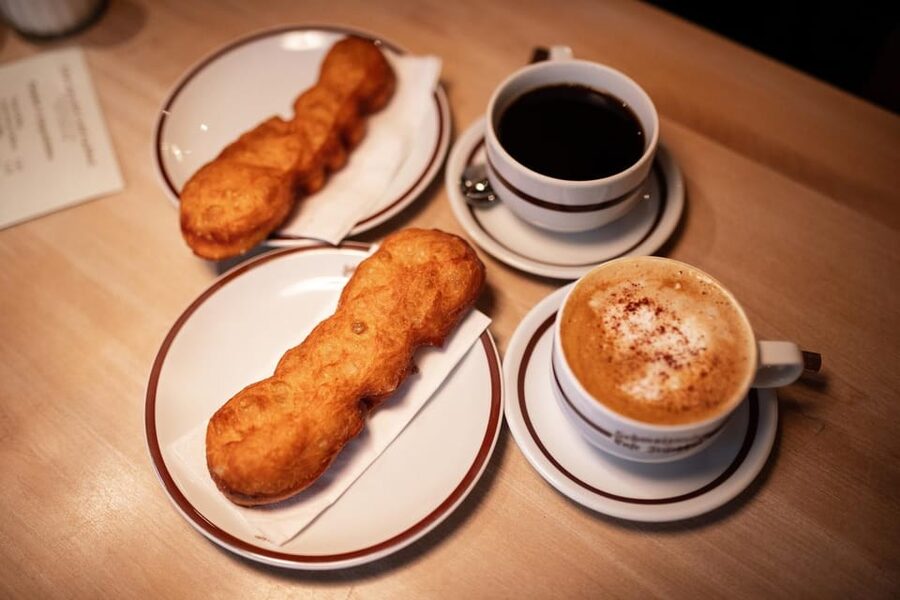
Next you’ll get a photo stop at Mariensäule Munich (around 25 minutes total time at that segment), followed by another photo stop at St. Peter’s Church (about 20 minutes). Even though these aren’t described as tasting stops, they matter a lot to the overall experience.
Why? Because the tour isn’t only about flavor. It’s about myths and persistence—stories that people repeat in Munich even when the origin is a little foggy. That tone shows up around the big landmarks: Marienplatz, the Frauenkirche, and old Peter. You’ll hear legends and “persistent myths” linked to these places, and the guide uses that to connect back to what Bavarians eat and when they eat it.
If you like taking photos, these stops are built for it. If you don’t, you can still benefit because the guide’s stories give you a way to look at the buildings without needing to memorize dates and names.
Prälat-Zistl-Straße 10: Another Guided Bite on the Move
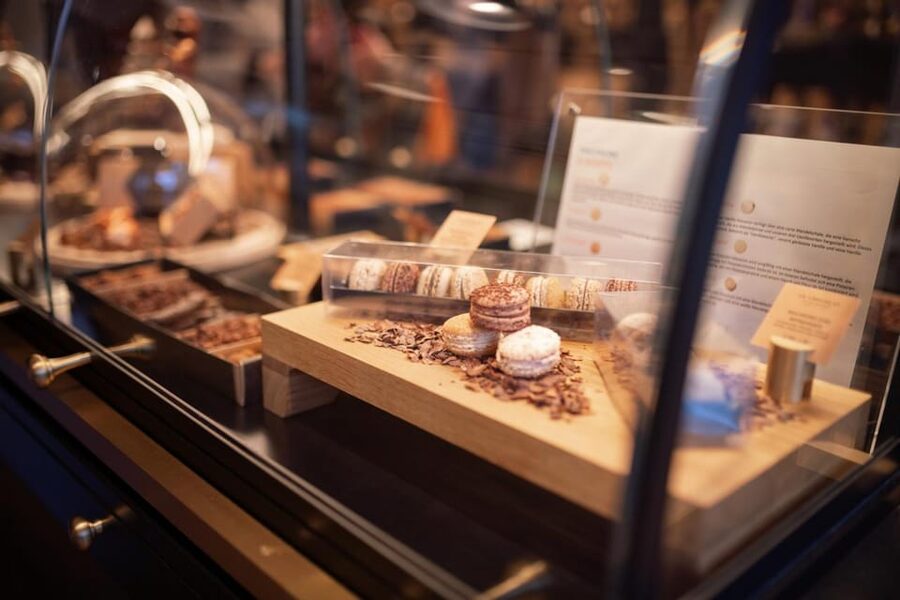
At Prälat-Zistl-Straße 10, you’ll have about 20 minutes that includes guided sightseeing and another tasting. This is a smart time to add a bite: you’re mid-tour, the route has already introduced you to a couple of landmarks, and now the food keeps your energy steady.
One of the highlights mentioned in past experiences is the variety. You might get flavors like Leberkäse-style tastes (the classic “meat loaf” vibe in Bavarian form) and other comforting snacks. If your idea of Bavarian food is mostly savory, this section helps broaden it—so the sweet choices later don’t feel random.
You also start to pick up how the guide talks about “why locals choose these.” It’s not lecture-heavy. It’s practical and story-driven, tied to the places you’re walking past.
Jüdisches Zentrum München: A Photo Stop With Context
The tour then includes a photo stop at Jüdisches Zentrum München and a walk segment of about 20 minutes. This is where the tour’s storytelling gets more than just light and funny. You’ll see how food culture and city history overlap, and the guide ties the route back into Munich’s wider identity.
Even if you don’t plan to spend extra time reading plaques, this kind of stop helps you avoid the “only churches, only clocks” version of a city walk. You learn that the Old Town is layered—culturally and historically—and you see that layering in how the guide frames the tastings.
If you’re the type who likes museums, you’ll appreciate that the tour gives context in a moving format. It doesn’t replace a longer history visit, but it gives you something useful and immediate.
Gewürze der Welt: Spice Tasting as Real Education
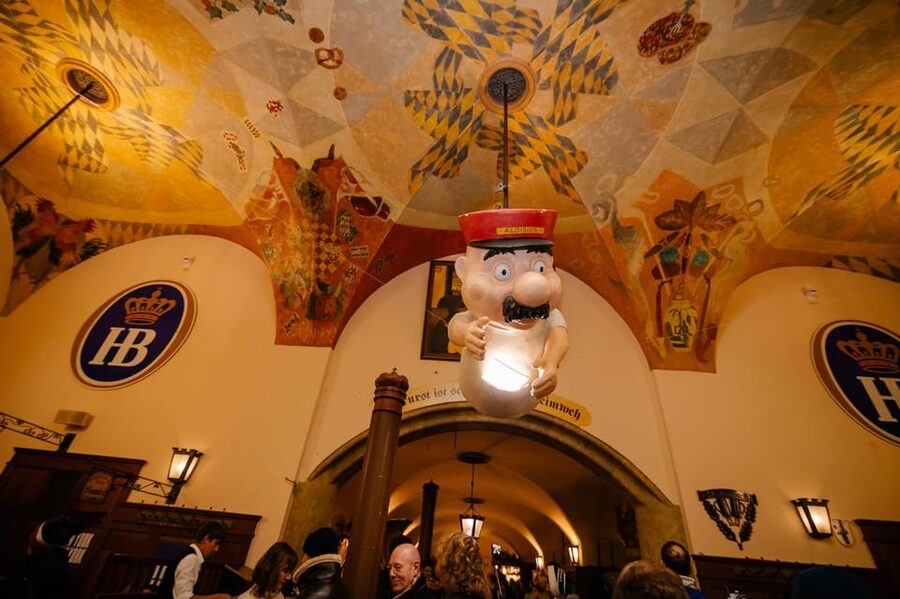
Next is Gewürze der Welt, with about 20 minutes for guided sightseeing and a tasting. This is one of the most memorable stops because it’s direct food learning. You don’t just eat; you taste in a way that makes you think about what you’re tasting and why it matters.
Spice tasting is also a great “adjustment” stop. After a few landmarks and more walking, your senses can get tired. Spice gives you a fresh reset. And since Munich’s food traditions can feel very comforting and savory, this helps balance the palate with something that’s more aromatic and expressive.
If you like learning through food rather than through facts on a page, this stop is a strong reason to book.
A Quirky Named Stop: Behindertenparkplatz and Another Bite
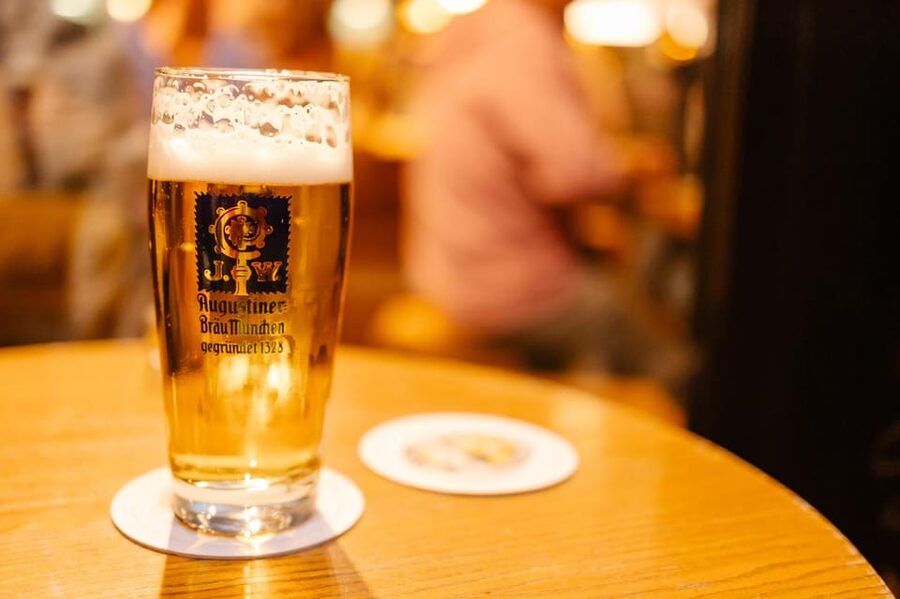
Then you’ll pass Behindertenparkplatz—yes, the name is unusual—and you’ll have guided sightseeing plus a tasting around 20 minutes. The exact location details aren’t the point; the point is that the tour keeps inserting food at the right moments.
This is the kind of stop that can surprise you. The guide uses it like a thread in the route—something that anchors the group before moving toward the more famous market energy ahead. You’ll get another taste and more story flavor, keeping the tour from feeling like a straight line from sight to sight.
If you’re the kind of traveler who hates “mystery stops” with no context, don’t worry. The guide ties it back into the food narrative quickly enough that you feel you know why it’s part of the walk.
Viktualienmarkt: The Best Place to Sit and Compare
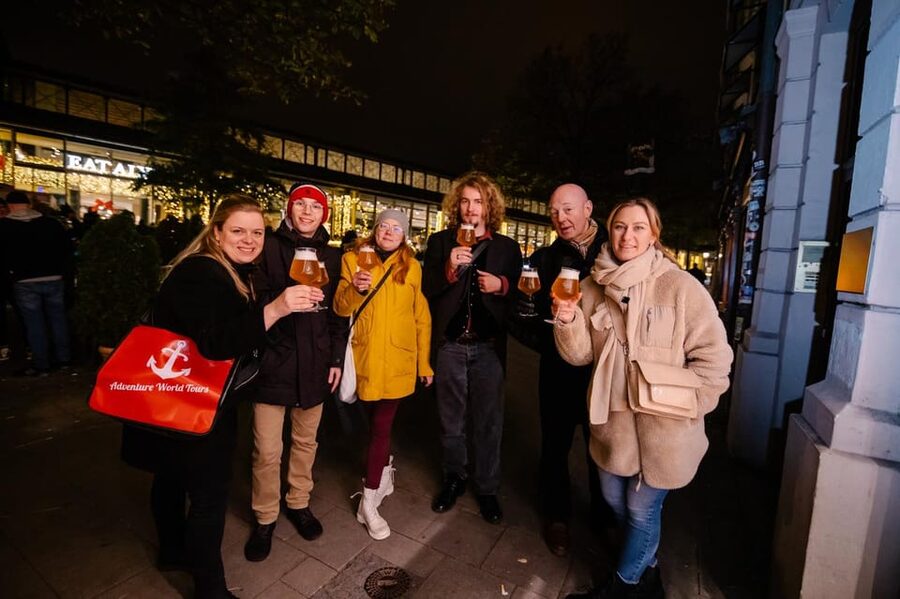
At Viktualienmarkt, you’ll spend about 25 minutes, including guided tour, sightseeing, and a tasting. This market area is a big deal in Munich, and it’s easy to see why. It’s lively, central, and it feels like the city’s food culture has a physical home here.
This stop also benefits from pacing. By the time you reach Viktualienmarkt, you’ve had several bites already, so you can actually notice differences between what you’ve tried. It’s no longer only about tasting—now it’s about comparing and understanding.
One useful detail from experiences of this tour: some sweet tastings (like a Schokopraline) can be good, but not everyone wants to linger on it afterward. In one case, the price around that sweet stop felt high enough that choosing not to buy more made sense. Use that as your cue: enjoy the included bite, but if you’re shopping, you may want to focus your money where it feels more aligned with your tastes—like Bavarian snacks you can also find around the market.
Dreifaltigkeitsplatz Finale: One More Tasting and a Clean Finish
Near the end you’ll have Dreifaltigkeitspl. 1A as a photo stop plus guided sightseeing and a tasting for about 30 minutes. Finally, the tour finishes at Dreifaltigkeitspl. 1, 80331 München.
This last stretch is where the guide’s stories tend to land the best. You’re already familiar with the route rhythm: landmarks for context, tastings for learning, humor for keeping it light. The ending gives you a sense of closure because you arrive at another recognizable square and the group can decompress after the walking.
If you like food tours that leave you with something practical—like what to order next time you’re in Munich—this finale helps. By now you’re not tasting blind. You know how the guide wants you to think: origins, traditions, and why locals keep reaching for these flavors.
Price and Value: Is 51 Dollars a Good Deal?
At $51 per person for 3 hours with five tastings at five locations, this tour is priced like a serious food experience, not a casual stroll. The key value is that your fee buys three things at once:
- A guided walk through major Old Town sights
- Five guided tastings at selected stops
- A guide trained for insider stories and humor
Drinks aren’t included, and there’s no guaranteed seat. That’s the main “watch-outs” side of the value equation. Still, if you’re there to eat, learn, and get your bearings fast without doing restaurant math yourself, this is solid value.
Also, since the guide includes both savory classics and sweet items, you get a more complete snapshot of Bavarian eating than you’d likely recreate on your own in just a few hours. You’d either spend time researching where to go, or you’d take a gamble on order choices. Here, the tour reduces that risk.
What the Guide Brings: Humor, Insider Tips, and a Relaxed Pace
A repeated theme from experiences with this tour is the guide’s delivery style. Eddy (Eddi) comes up as competent, very accommodating, and able to keep the group relaxed while still covering plenty of ground. That matters because it’s a walking tour—if the guide is stiff or rushed, you’ll feel it.
What you gain is a blend of information and entertainment:
- Food origins explained in a way you can remember
- Funny anecdotes tied to the streets and legends
- Insider guidance you can use after the tour for your remaining days
Even the small-group feel (including the possibility of being with just a couple people) can change the experience. You’re more likely to ask questions, and you often end up with a calmer flow at the tasting stops.
Who This Tour Suits Best
This tour is a strong fit if you:
- Want Old Town sights without turning the day into a museum sprint
- Like learning through food—why something exists, not just what it is
- Enjoy guided storytelling, including legends and myths tied to the landmarks
- Can handle a German-only guide and still enjoy the overall flow
It may be less ideal if you:
- Need a tour in a language other than German
- Prefer restaurants over walking segments (this is very much a walking format)
- Want included drinks (they’re not part of the deal)
For couples, solo travelers, and short-stay visitors, it’s especially useful because it compresses a lot into a manageable time block.
Should You Book This Munich Old Town Culinary Tour?
I’d book it if you want a practical mix: Old Town landmarks plus real Bavarian bites, guided by someone who knows how to turn food into stories you’ll actually remember. The five tasting stops make the price feel grounded, and the route is built around the center of Munich where you’d probably wander anyway.
Skip it only if German-only narration is a dealbreaker for you, or if you’d rather choose meals from your own research instead of tasting in a guided sequence.
If you’re aiming for a first-time Munich day that still feels personal, this tour is one of the cleanest ways to do it.
FAQ
How long is the Munich Old Town Culinary Tour?
It lasts 3 hours.
What is included in the tour price?
You get a 3-hour walking tour through Munich’s historic district, plus five tastings at selected culinary stops in the Old Town.
How many tastings are there, and how are they arranged?
There are five selected tastings at five different locations across Munich’s Old Town.
Where does the tour start?
The meeting point is Marienplatz 8, 80331 Munich, at the entrance to the Glockenspielturm.
What sights are part of the route?
The tour includes major Old Town sights and photo stops such as Marienplatz, the Frauenkirche, St. Peter’s Church, Viktualienmarkt, and the Jewish Center (Jüdisches Zentrum München).
Is the tour in English?
The live tour guide language is German.
Are drinks included?
No. Drinks are not included.
Is a guaranteed seat included?
No. Guaranteed seat is not included.
What is the cancellation policy?
You can cancel up to 24 hours in advance for a full refund.
Can I book without paying right away?
Yes. You can reserve now & pay later.
More Altstadt and Marienplatz Walks

Just added to the Munich Explorer notebook

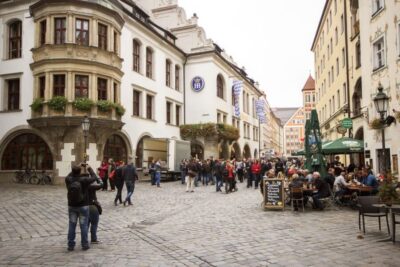
Old Town & Marienplatz Walks, compared.
 ★ 4.6Third Reich & WWII Walking TourFrom $316,181 reviews
 ★ 4.5Third Reich Walking Tour MunichFrom $454,291 reviews
 ★ 4.7Old Town & Viktualienmarkt City Walk in GermanFrom $232,304 reviews
 ★ 4.7Night Watchman Walking TourFrom $5302,092 reviews
 ★ 5.0Munich Ghosts and Spirits Evening Walking TourFrom $601,900 reviews
 ★ 4.5Munich Old Town Walking TourFrom $271,287 reviews
 ★ 4.6Spooky Tour of Old Town in GermanFrom $261,112 reviews
 ★ 4.7Walking Tour Old Town and ViktualienmarktFrom $282839 reviews
Browse the lists this tour appears in