
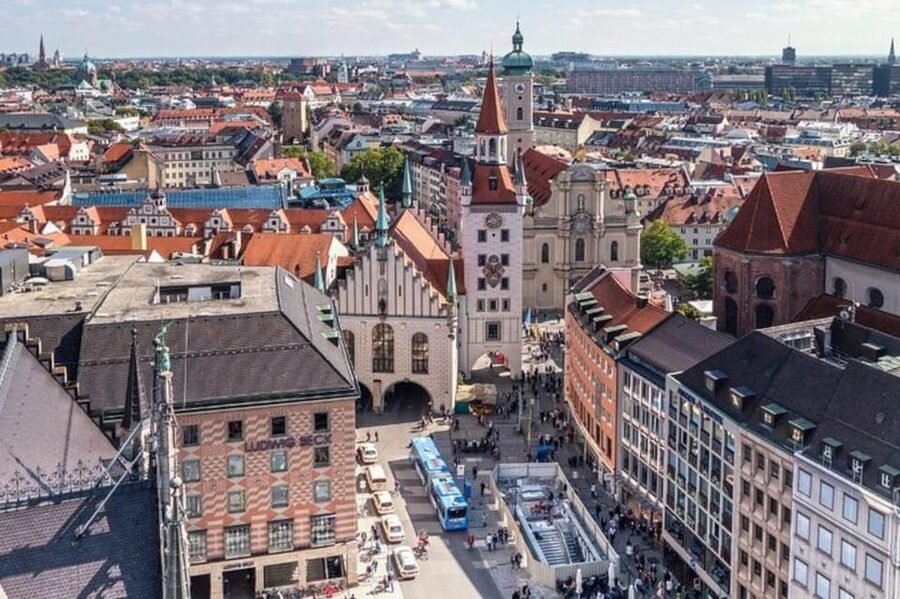
Reviewed · OLD TOWN & MARIENPLATZ WALKS
Munich: Highlights Walking Tour with a Guide
Munich feels like a living postcard at first glance, but this Munich Old Town walking tour helps you read what you’re seeing as you go. I like that you get a private, customizable route built around your interests, not a rigid script. I also like the practical payoff: you’ll hit the big sights you actually want, then walk away with extra ideas for what to do next. One thing to consider is that the balance can lean more toward churches and their wartime damage, so if you’re not into that angle, say so up front.
You start right in the heart of town, near the famous bells and squares, and the timing can make the whole walk click—especially if you’re there for the Glockenspiel shows. You’ll also get a guide’s context for the stuff people usually rush past, like the Hofbräuhaus and why Odeonsplatz matters historically. My advice: confirm how the guide plans to pace the stops so you don’t miss a performance window you care about.
In This Review
- Key highlights worth clocking before you go
- Getting oriented in Munich: starting at Marienplatz 15
- Marienplatz and the Glockenspiel: time your photos, not your patience
- Frauenkirche: the church stop that can make or break the vibe
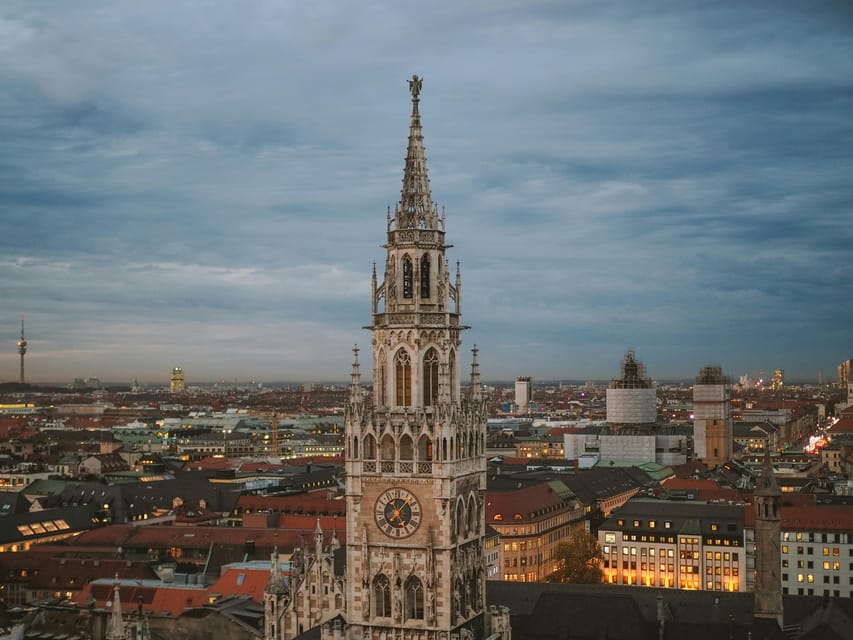
- Rathaus-Glockenspiel: more than a second bell tower
- Hofbräuhaus: history meets the living beer hall
- Odeonsplatz: beauty with a heavy historical footnote
- Residenz: the Wittelsbach palace that frames Munich’s elite past
- Viktualienmarkt: where the tour turns practical and local
- Price and value: is $53 for 3 hours a fair deal?
- Who this tour fits best (and who should adjust expectations)
- Should you book the Munich highlights walking tour?
- FAQ
- How long is the Munich highlights walking tour?
- Where do I meet the guide?
- What sights are included on the route?
- When can I see the Glockenspiel performances?
- What languages are available for the live guide?
- Is the tour wheelchair accessible, and are food or drinks included?
Key highlights worth clocking before you go
- Marienplatz start point near Marienplatz 15, easy to orient yourself from day one
- Glockenspiel viewing windows at 11:00, 12:00, and 5:00 from March to October
- Frauenkirche and Rathaus-Glockenspiel context so the buildings mean more than photos
- Hofbräuhaus stop with fun pointers tied to Munich beer culture and the beer purity law
- Odeonsplatz history explained beyond the postcard view
- Residenz + Viktualienmarkt to round out palace grandeur and real local food-market life
More laps of the Altstadt and Marienplatz
- Munich: Third Reich & WWII Walking Tour★ 4.6 · 6,181 reviews
- Third Reich Walking Tour Munich★ 4.5 · 4,291 reviews
- Munich: Old Town & Viktualienmarkt City Walk in German★ 4.7 · 2,304 reviews
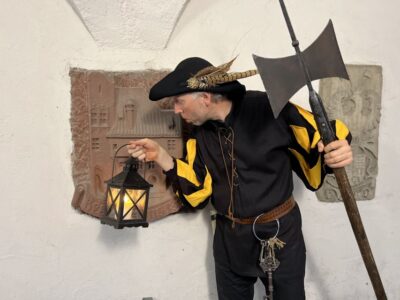
- Munich: Night Watchman Walking Tour★ 4.7 · 2,092 reviews
Getting oriented in Munich: starting at Marienplatz 15
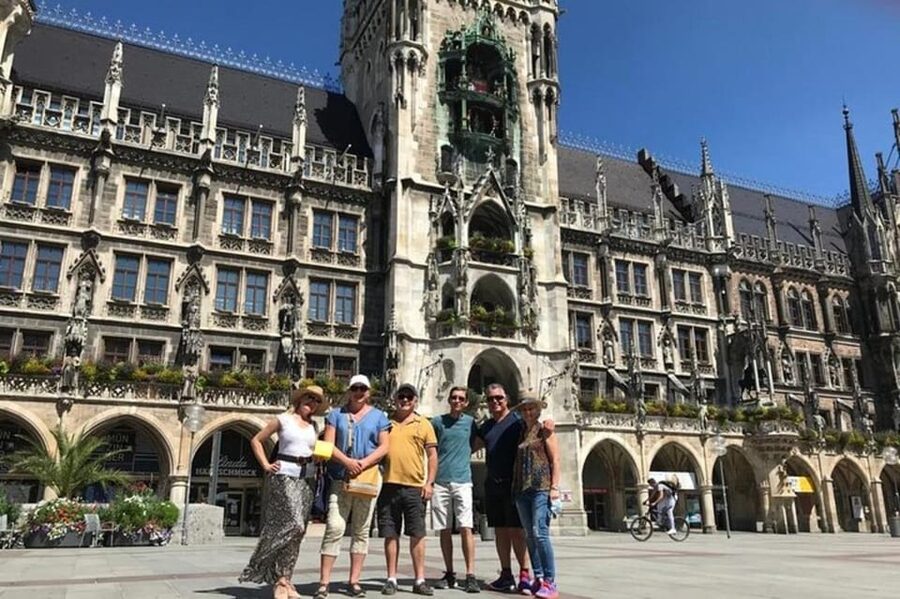
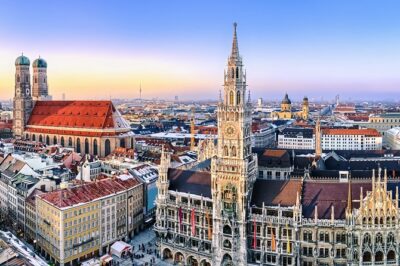
This tour is designed for your first or second day in Munich, when you’re still figuring out which direction everything is. You meet your guide in front of the Julia-Capulet-Statue at Marienplatz 15, which puts you in the thick of it immediately. From there, you’ll walk through Munich’s Old Town with someone who can connect the dots between streets, landmarks, and what happened there.
A big value here is that your guide can steer your time. The tour is described as private and customizable, which matters in a city where a standard group tour can end up feeling like you’re being herded between stops. You’re not just ticking boxes—you’re learning how to move through the area and what to notice once you’re on your own.
Practical note: it’s a walking tour with a total duration of 3 hours, so you’ll want to think about what you most want time for. If you’re hoping for lots of museum-style inside time, you might be disappointed because the emphasis is on seeing and learning as you move. If you want the “greatest hits” plus local recommendations, it fits well.
Marienplatz and the Glockenspiel: time your photos, not your patience
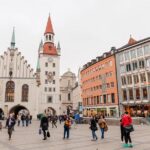
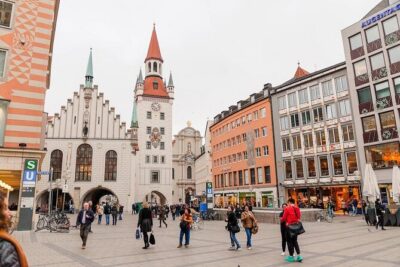
The walk naturally centers around Marienplatz, and this is where Munich shows off its talent for ceremony. If you’re visiting between March and October, the famous Glockenspiel performance happens at 11:00, 12:00, and 17:00 (5:00 pm). The tour includes time at Marienplatz so you can witness it when it’s operating.
Here’s the smart way to use this part of the day: decide which show you want, then treat the walk like a timed appointment. If the Glockenspiel matters to you, ask your guide how they’ll manage pacing so you’re not constantly rushing at the end. The most common mistake people make with attractions like this is assuming the tour schedule will magically line up with the show they care about. A good guide will plan it, but you still need to be clear about your priorities.
If you’re there outside the listed months, you’ll still benefit from the context. Marienplatz is more than a place to stop—it’s the town’s living reference point, so understanding what it represented historically makes your next streets feel less random.
Frauenkirche: the church stop that can make or break the vibe
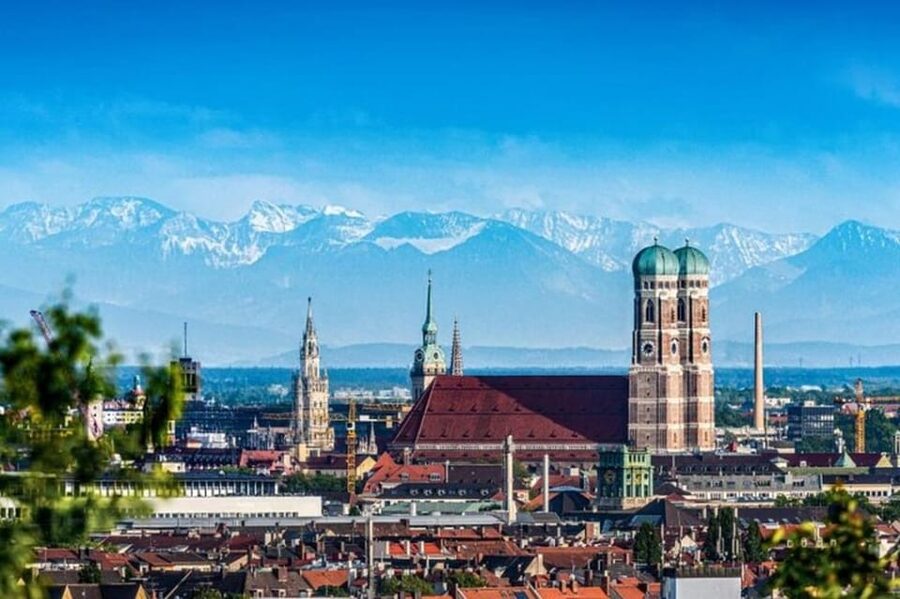
Next comes Frauenkirche, Munich’s largest church and a major cathedral. This is one of those sights where the exterior and the atmosphere hit hard even if you’re not religious. The guide will give you the key background, which helps you understand why locals treat it as a centerpiece.
That said, there’s an important consideration: the same guide strengths that make these landmarks memorable can also shift the tone toward architecture and wartime damage details. If you’d rather spend your energy on palace life, beer culture, or everyday Munich, tell the guide early. You’ll get the best experience when your guide knows what you want to avoid.
A balanced way to look at Frauenkirche is this: it’s a place to understand Munich’s survival and rebuilding story. Even if you care less about the war narrative, you’ll still come away with a better eye for the building itself once you know what to look for.
- From Munich: Neuschwanstein & Linderhof Castle Full-Day Trip
★ 4.6 · 14,646 reviews - Neuschwanstein & Linderhof Castle-Fairytale Day Tour from Munich
★ 4.5 · 7,275 reviews - Munich: Third Reich & WWII Walking Tour
★ 4.6 · 6,181 reviews
Rathaus-Glockenspiel: more than a second bell tower
The tour also includes the Rathaus-Glockenspiel, one of Munich’s most visited attractions. You’ll learn about its history and significance, which turns a quick look into something worth your attention. The Rathaus setting makes it feel more official and civic, while the bell performance gives it that theatrical, almost street-performer energy.
If you’re a first-time visitor, this is a key “aha” stop. It’s where Munich’s identity as a city of spectacle and civic pride becomes obvious. If you’re the kind of traveler who likes architecture but gets impatient with long speeches, you’ll probably still enjoy this because it’s anchored to something visual you can watch.
Again, pacing matters. This portion can get time-sensitive if your visit overlaps a show. Be ready to stand where the guide tells you and accept that photos and performances don’t always cooperate with slow strolling.
Hofbräuhaus: history meets the living beer hall
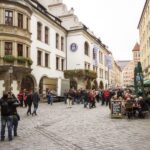
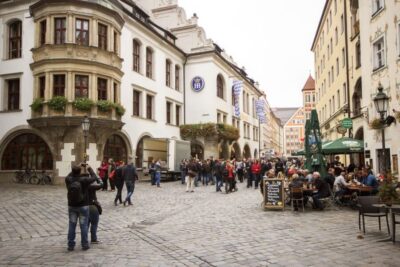
Then you’ll head to Staatliches Hofbräuhaus in München, the world-famous beer hall. This is one of the stops that makes the tour feel like more than sightseeing. Hofbräuhaus is a place where Munich’s beer culture isn’t a museum exhibit—it’s the real deal.
Your guide will also share fun facts tied to the beer purity law and Oktoberfest. Those details are more useful than they sound. They help you understand why Munich talks about beer with a seriousness that feels both traditional and oddly practical. It’s not just about drinking; it’s about how the city shaped production rules and built an event calendar around beer.
Even if you don’t plan to drink here (and drinks aren’t included), you’ll still get value from the explanation and the atmosphere. This stop is often where your guide’s local familiarity becomes most noticeable: what to look at, which parts are commonly misunderstood, and what feels important to locals versus tourists.
Odeonsplatz: beauty with a heavy historical footnote
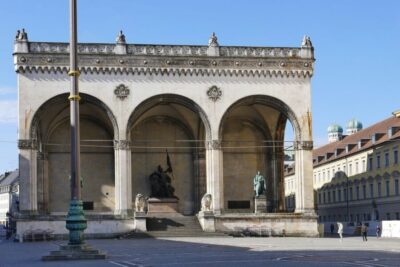
At Odeonsplatz, you get one of Munich’s most beautiful squares with a less comfortable backstory. Your guide will explain its use during Nazi rallies in the 1930s and 1940s. It’s the kind of context that changes how you read a place, because you start noticing how space can be used for power.
This isn’t the tour’s only historical stop, but it’s one where the contrast can feel sharp. If you want meaningful context without getting stuck in grim lectures, this is usually manageable because the location itself provides natural cues. You’ll likely see why people gather here today, while understanding what was exploited here in the past.
If you’d prefer to keep things lighter, this is still a good stop—but you can set expectations with your guide. A good guide will adapt the level of detail to your comfort.
Residenz: the Wittelsbach palace that frames Munich’s elite past
You’ll visit the Residenz, described as the largest inner-city palace in Germany and the ancestral home of the Wittelsbach Royal family of Bavaria. This is the stop that turns “Munich is pretty” into “Munich was powerful.”
The advantage of having a guide here is that you don’t just see grand rooms and hard stone. You also get the story of who lived there and why the palace mattered. Even if your time is limited, the guide’s framing helps you notice the palace’s scale and the way it reinforces Bavaria’s royal identity.
One practical caution: because the tour only runs 3 hours, there’s not unlimited time for everything. If the Residenz (or even just the exterior impression) is a must-do for you, it’s smart to tell your guide early so it stays on the schedule. There’s also a lesson from past experiences people had on tours like this: sometimes one stop can expand when a guide spends extra time on related topics. If you want the Residenz included properly, ask how they’re handling the time budget.
Viktualienmarkt: where the tour turns practical and local
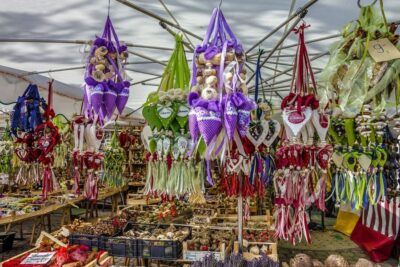
To end, you’ll pass by Viktualienmarkt, the largest inner-city fresh food market in Germany. This is a great “reset” stop because it feels more like what a local does between appointments: snacks, ingredients, and chatting while you browse.
Even if you don’t stop for food (drinks and food aren’t included), the market adds a real sense of daily life to the tour. It’s also useful for planning your own Munich time afterward. You’ll leave knowing where local energy lives, which helps if you want a casual lunch without eating the same tourist menu every day.
This is also the perfect place to ask your guide for recommendations. A good guide can point you toward what’s worth trying and where to go later, based on what you’ve liked so far.
Price and value: is $53 for 3 hours a fair deal?
At $53 per person for 3 hours, the math works out to roughly $18 per hour. For that price, you get a live guide, a walking tour, and the option for a private and exclusive tour if selected. You also get help from the team to book tickets for desired visits (tickets themselves aren’t included).
So what makes it feel like value? Two things:
First, you’re paying for interpretation. Munich’s landmarks are impressive, but they’re also easy to misunderstand if you don’t know what you’re looking at. A guide can turn “I saw a church and a palace” into “I understand why this matters and what to notice next.”
Second, you’re paying for time efficiency. The itinerary strings together major sights in a logical Old Town path, so you aren’t spending your first morning figuring out which stops are worth your energy.
The one case where value can slip is when your interests don’t match the guide’s approach. If you really don’t want church-focused content or detailed wartime damage narratives, you should communicate that at the start. The private format is there for a reason.
Who this tour fits best (and who should adjust expectations)
This walking tour is a strong fit if you want:
- A fast orientation to Munich’s Old Town
- A guide-led look at Marienplatz, Frauenkirche, and major squares
- Clear context for Hofbräuhaus, the beer purity law, and Oktoberfest
- A time-efficient route to important sites like Odeonsplatz and the Residenz
- Practical ideas for what to do next in the city, beyond the tour itself
It’s less ideal if:
- You want mostly palace interiors or long museum-style time (the tour is 3 hours and walking-centered)
- You strongly dislike church architecture discussions or wartime damage narratives. If that’s you, tell the guide. You’ll get a better match when the tour is truly customized.
Should you book the Munich highlights walking tour?
I’d book it if you’re the type of traveler who likes seeing the headline sights with context, then using that knowledge to wander confidently later. The start at Marienplatz is easy, the Glockenspiel timing can be a big win, and stops like Hofbräuhaus and Viktualienmarkt help keep the tour from feeling like only monuments.
But book with one smart checklist: before you meet the guide, decide which two things are non-negotiable for you (for many people it’s the Glockenspiel and the Residenz). When you meet, say them clearly, and also mention if you want less focus on church-war damage details. If the guide knows your preferences, this 3-hour loop becomes exactly what you want it to be: Munich, explained in time to enjoy the rest of your day.
FAQ
How long is the Munich highlights walking tour?
The tour lasts 3 hours.
Where do I meet the guide?
You meet your guide in front of the Julia-Capulet-Statue at Marienplatz 15.
What sights are included on the route?
You’ll visit or pass through Marienplatz, Munich Frauenkirche, the Rathaus-Glockenspiel, Staatliches Hofbräuhaus, Odeonsplatz, the Residenz, and Viktualienmarkt.
When can I see the Glockenspiel performances?
From March until October, the Glockenspiel performs at 11:00 am, 12:00 pm, and 5:00 pm.
What languages are available for the live guide?
The tour offers live guiding in English, French, Spanish, Italian, and German.
Is the tour wheelchair accessible, and are food or drinks included?
The tour is wheelchair accessible. Drinks and food are not included.
More Altstadt and Marienplatz Walks
Just added to the Munich Explorer notebook

Old Town & Marienplatz Walks, compared.
 ★ 4.6Third Reich & WWII Walking TourFrom $316,181 reviews
 ★ 4.5Third Reich Walking Tour MunichFrom $454,291 reviews
 ★ 4.7Old Town & Viktualienmarkt City Walk in GermanFrom $232,304 reviews
 ★ 4.7Night Watchman Walking TourFrom $5302,092 reviews
 ★ 5.0Munich Ghosts and Spirits Evening Walking TourFrom $601,900 reviews
 ★ 4.5Munich Old Town Walking TourFrom $271,287 reviews
 ★ 4.6Spooky Tour of Old Town in GermanFrom $261,112 reviews
 ★ 4.7Walking Tour Old Town and ViktualienmarktFrom $282839 reviews
Browse the lists this tour appears in