
Reviewed · OLD TOWN & MARIENPLATZ WALKS
Munich: Express Walk with a Local in 90 minutes
Munich can feel huge fast, but this walk keeps it manageable. In about 90 minutes to 2 hours, you’ll get the big sights (from Marienplatz to Viktualienmarkt) plus practical local pointers on beer gardens and where to sip and relax afterward. Two things I really like: the small group of up to 8 keeps the pace human, and the personalized recommendations help you turn a quick stop into real plans. The only real drawback to plan for is simple: it’s a walking tour, so it isn’t a fit if you have mobility impairments.
This tour works because it’s built to help you move through Munich with purpose, not guesswork. You meet at Café Frischhut, then follow a local’s lead with stories and “what to do next” tips as you go. In particular, I love that the route adapts to your interests and walking pace, so you’re not stuck watching someone else’s priorities. If you’re hoping for a long, museum-style day, consider it a focused sprint, not a full city takeover.
The guides (like Paul, Stefan, and Omar) are often praised for being friendly and fun, and for bringing plenty of real context to what you see. I’d call that the core value: you leave with a better sense of how Munich actually runs, not just photos to collect. If you’re very sensitive to crowds or weather, note that the stops can shift depending on conditions.
In This Review
- Key things to know before you go
- Why a 90-minute Munich walk is the smartest way to start
- Meeting at Café Frischhut: the easiest start point in Munich
- Marienplatz to Viktualienmarkt: where Munich’s everyday life shows up
- Marienplatz: the focal point you can actually orient around
- Viktualienmarkt: why markets are Munich in human scale
- Stops can vary, and that’s a good thing
- Beer gardens and bar tips: turning a quick walk into a great night plan
- Small group pacing: why up to 8 people changes the whole feel
- Price and value: what $116 gets you (and what it doesn’t)
- What to bring, and how to make the walk feel easy
- Should you book this express walk?
- FAQ
- How long is the Munich express walk with a Local?
- Where is the meeting point?
- How big is the group?
- What languages are the guides?
- What’s included in the price?
- Are entrance tickets included?
- What should I bring and how strenuous is it?
Key things to know before you go
- Small group (max 8): easier questions, less waiting, a calmer pace.
- Fast hit of top spots: Marienplatz and Viktualienmarkt show you the city’s center quickly.
- Local culture focus: beer-garden vibes and where locals go after the walk.
- Route adapts to you: your pace and interests can change what you see.
- Practical recommendations: bars, cafes, and restaurants you can use right away.
- Walking shoes matter: comfortable footwear is not optional on a 90-minute trek.
More laps of the Altstadt and Marienplatz
- Munich: Third Reich & WWII Walking Tour★ 4.6 · 6,181 reviews
- Third Reich Walking Tour Munich★ 4.5 · 4,291 reviews
- Munich: Old Town & Viktualienmarkt City Walk in German★ 4.7 · 2,304 reviews
- Munich: Night Watchman Walking Tour★ 4.7 · 2,092 reviews
Why a 90-minute Munich walk is the smartest way to start
Munich rewards people who understand flow. The streets aren’t hard to walk, but it’s easy to spend hours drifting—and still feel like you only scratched the surface. That’s why I like the format here: 90 minutes to 2 hours is short enough to keep energy high, yet long enough for a real guided circuit with context.
Think of it as a map you can walk. You start at a clear meeting place—Café Frischhut—then you’re guided through defining landmarks, plus the “in-between” culture that you’d normally miss if you’re just following signage. It’s not just sightseeing. It’s getting a local viewpoint on what matters in Munich: where people gather, how they eat and drink, and what the city’s everyday rhythm feels like.
Value-wise, the price (listed at $116 per person) makes sense when you look at what you get in the time you have. This isn’t an entry-ticket tour. It’s paid guidance and decision-making help: a local directs you toward the best kind of meal plan, the right bar energy for the moment, and the spots that fit your interests. If you’re only in town briefly, this kind of “you tell me where to go next” service can save you from wasting time on the wrong areas or repeating touristy stops.
One more reason it works: the itinerary is built to be flexible. Your walking pace and interests can shape stops, and the guide can adjust when weather changes. That means you’re less likely to end up with the typical walking tour problem: everyone trudging past the same landmarks with nobody caring.
Meeting at Café Frischhut: the easiest start point in Munich
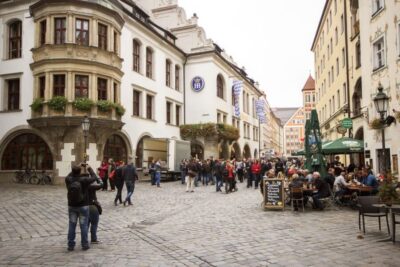
Meeting logistics can make or break a short tour, and this one starts simply: you meet at Café Frischhut. For a 90-minute plan, that’s key. You’re not hunting across multiple squares or guessing which train exit a guide chose.
Once you find the meeting point, the rest is straightforward: you’re paired with a live tour guide in English or German, and you’re moving as a small group (up to 8). That small size affects the whole experience. You’re not just listening through a headset. You can ask quick questions as you walk—like what to do later that day, where locals tend to go, or what kind of beer-garden atmosphere matches the mood you want.
It also helps that the experience is hosted by an independent local. In practice, that often means fewer generic talking points and more “here’s what this area is really like” guidance. In the guide feedback, Paul is described as friendly and full of facts, Stefan as easygoing and great to spend time with, and Omar as nice and well-informed. I don’t treat that as a guarantee—guides vary—but it’s a good signal that the tone tends to be relaxed and personal.
Practical tip from me: start the day with a clear goal. Before you meet, decide what you want more of—beer-garden culture, classic central sights, or food-and-drink planning. Since the route can adapt to your interests, having even one priority makes the tour feel instantly more tailored.
Marienplatz to Viktualienmarkt: where Munich’s everyday life shows up
The core of your walk runs from Marienplatz to Viktualienmarkt. These names matter because they represent the city’s center of gravity—where tourists wander, yes, but also where daily life happens.
- From Munich: Neuschwanstein & Linderhof Castle Full-Day Trip
★ 4.6 · 14,646 reviews - Neuschwanstein & Linderhof Castle-Fairytale Day Tour from Munich
★ 4.5 · 7,275 reviews - Munich: Third Reich & WWII Walking Tour
★ 4.6 · 6,181 reviews
Marienplatz: the focal point you can actually orient around
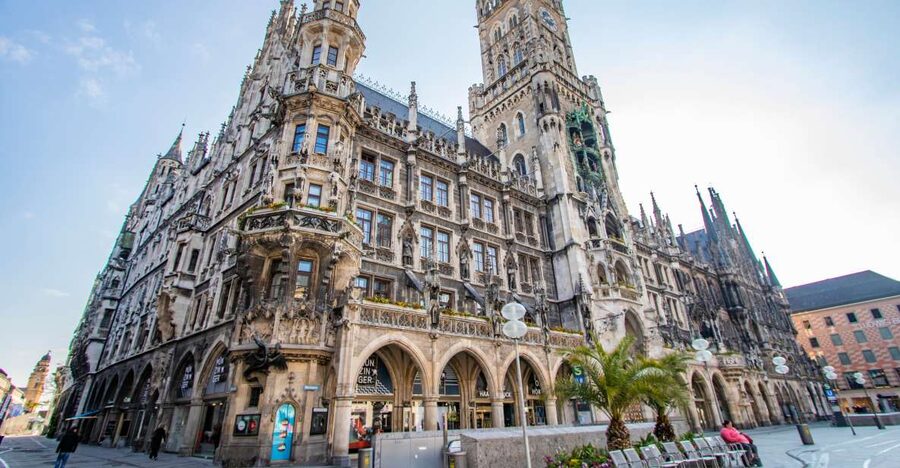
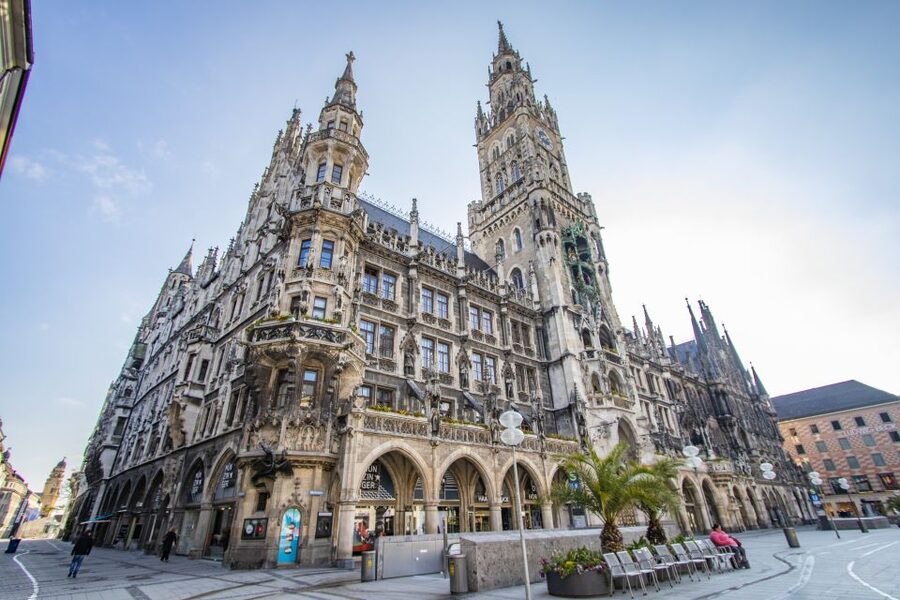
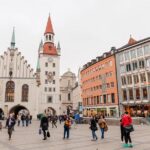
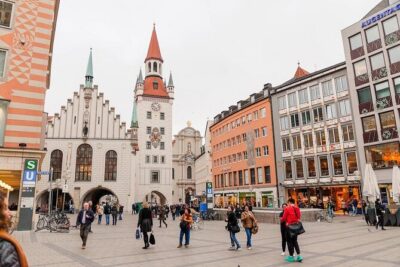
Marienplatz is the kind of place where Munich’s center becomes obvious. You’ll get oriented quickly—what the square represents, how it fits into the city’s layout, and why it’s a defining landmark. Even if you’ve seen photos, being there in person changes how you understand the space. A guided walk turns the square from a stop into a starting point.
What I like most about covering Marienplatz early in a short itinerary: it gives you bearings for the rest of the day. After this, you’ll likely feel more confident roaming on your own, because you know where you are and what direction to head.
Viktualienmarkt: why markets are Munich in human scale
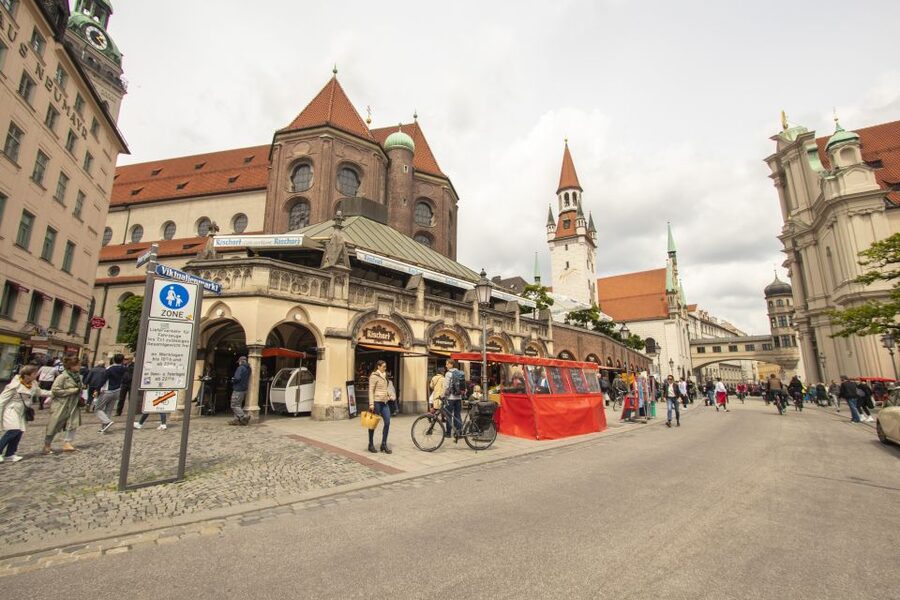
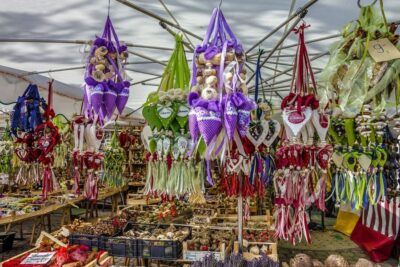
Then you move to Viktualienmarkt, a market area that’s about daily culture rather than one-time monuments. In a 90-minute format, it’s an efficient choice because markets naturally connect history, food, and local habits. You’ll get the key facts, but more importantly, you’ll see how locals think about food and gathering.
The tour description promises that your guide will share stories and point you toward the best local cuisine. That fits Viktualienmarkt perfectly: it’s the place where food isn’t just an attraction—it’s part of how the city functions. Even if you don’t buy anything (and you can keep it to a walk-and-observe day), the market context helps you make better food choices later.
Stops can vary, and that’s a good thing
One small thing to keep your expectations realistic: stops may vary depending on weather conditions, and the itinerary adapts to your interests and walking pace. That flexibility is a feature, not a bug. When the guide changes what you see, it usually means you’ll spend more time on the parts you care about and less time suffering through weather you didn’t ask for.
Beer gardens and bar tips: turning a quick walk into a great night plan
Munich has a reputation, and beer gardens are a big part of it. This walk doesn’t treat that like a marketing slogan. It’s about showing you the festive spirit and helping you understand what fits you.
During the walk, your local guide will point you toward lively beer-garden style moments and where you can sip and chill afterward in true Munich fashion. The exact places you’ll be recommended aren’t listed in the tour details, which is fine. The real value is the guidance itself: you’re getting local perspective on vibe, not just names.
Here’s how this helps you as a traveler: after a short tour, your biggest problem is usually decision fatigue. You stand in the city and stare at menus like they’re written in code. This experience is built to reduce that. You get personalized recommendations for bars, cafes, and restaurants to visit—so your evening plan is less random.
Also, your guide’s energy matters. In the reviews, Paul is praised for friendly, knowledgeable delivery, Stefan for being easygoing and outstanding, and Omar for being nice and well-informed. That matters because “good tips” come from a guide who can read your questions. If you ask whether you want a lively atmosphere or something calmer, you’re more likely to get suggestions that match your actual mood.
Practical note: the tour includes recommendations, but personal expenses are not included. You’ll still be paying for your own drinks and food. That’s normal for this style of experience, but it’s worth mentally budgeting so you’re not surprised at the checkout line.
Small group pacing: why up to 8 people changes the whole feel
A maximum group size of 8 travelers might sound like a minor detail, but it affects how the tour behaves in real life.
With a smaller group:
- You’re easier to hear and easier to question.
- You spend less time waiting for people to catch up.
- The guide can slow down or speed up without breaking the flow.
And since the itinerary adapts to your interests and walking pace, the group size makes that adaptation possible. In a larger group, flexibility often turns into compromise—either someone misses stops or the guide rushes to keep time. Here, you’re more likely to feel like the tour is responding to you rather than dragging you through a script.
If you’re the type who likes to ask “why is that here?” or “what should I do next?”, you’ll likely get more out of a small group than you would with a crowd-led tour.
The guide also speaks English and German, which gives you options depending on your comfort level. If you’re traveling with someone who prefers one language, you’ll at least know the guide can accommodate either.
One more thing: the experience is described as a small-group experience with intimacy. That’s not just marketing—when you’re walking with a guide long enough to ask questions, the tour becomes less like a lecture and more like a guided chat with the city.
Price and value: what $116 gets you (and what it doesn’t)
Let’s talk value in plain terms. $116 per person is not a bargain, especially for a tour that’s roughly 90 minutes. So you should ask: what exactly are you buying?
You’re buying:
- A knowledgeable local guide in the sense of real lived perspective and interpretation (not just facts).
- Personalized recommendations for where to eat and drink afterward.
- A small group format that makes questions and pace adjustments realistic.
- A focused route that covers defining landmarks like Marienplatz and Viktualienmarkt.
You’re not paying for:
- Museum or monument entry tickets (those are excluded).
- Transportation or transport-entry costs, if any arise (entry tickets for transportation, museums, and monuments are excluded).
- Your personal spending on food and drinks.
To me, this is worth it if you fall into one of these groups:
- You have limited time and want a fast orientation of Munich’s center.
- You want local guidance on beer gardens and nightlife rather than guesswork.
- You’d like your day planned with a few credible suggestions instead of endless wandering.
It’s less worth it if you’re already comfortable planning on your own and you don’t need help choosing what’s best for the day. In that case, you might enjoy doing parts of Marienplatz and Viktualienmarkt independently and saving the money for a meal.
What to bring, and how to make the walk feel easy
This one is simple, but don’t ignore it. The tour specifically suggests bringing:
- Comfortable shoes
- A charged smartphone
- Water
- Cash
Shoes: because 90 minutes turns into “longer than you think” once you include stop-and-start time, and because you want to keep your legs fresh for whatever you do afterward.
Smartphone: it’s listed as charged, which usually means you’ll want it for navigation, quick notes, and photos.
Water and cash: practical Berlin-style realism—drink water, and if the guide suggests small purchases or you decide to grab something on your own, cash can help.
Also keep in mind: this tour isn’t suitable for people with mobility impairments. If that’s relevant for you, it’s better to look for an option with minimal walking rather than hoping you can power through.
Should you book this express walk?
I think you should book if you want Munich to feel usable fast. This walk is built to get you oriented quickly, then give you a local toolkit: where to go for food, where to find beer-garden spirit, and where to sip and relax afterward. With a group capped at 8 and a guide who adjusts to your interests and pace, you’re less likely to leave feeling like you just collected photos.
I’d skip it if your priority is ticking off a long list of major attractions with lots of stops and indoor time. This is a focused, walk-first experience, so it won’t replace a full-day museum plan.
If you’re on the fence, here’s a smart way to decide: ask yourself whether you’ll actually use the recommendations. If you want help turning Munich into a plan—especially for food and nightlife—this is a good use of your time.
FAQ
How long is the Munich express walk with a Local?
The tour lasts 90 minutes to 2 hours.
Where is the meeting point?
You meet at Café Frischhut to start the walk.
How big is the group?
It’s a small group experience with a maximum of 8 travelers.
What languages are the guides?
The live tour guide is available in English and German.
What’s included in the price?
The experience includes a knowledgeable local guide, a small group experience, and personalized recommendations.
Are entrance tickets included?
No. Entry tickets for transportation, museums, and monuments are excluded.
What should I bring and how strenuous is it?
Bring comfortable shoes, a charged smartphone, water, and cash. It’s not suitable for people with mobility impairments, since it’s designed as a walking experience.
More Altstadt and Marienplatz Walks
Just added to the Munich Explorer notebook

Old Town & Marienplatz Walks, compared.
 ★ 4.6Third Reich & WWII Walking TourFrom $316,181 reviews
 ★ 4.5Third Reich Walking Tour MunichFrom $454,291 reviews
 ★ 4.7Old Town & Viktualienmarkt City Walk in GermanFrom $232,304 reviews
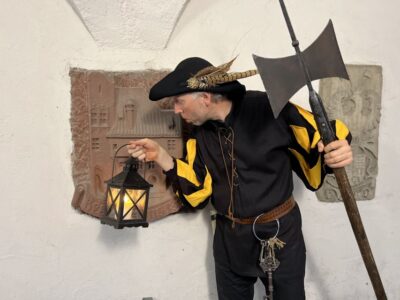 ★ 4.7Night Watchman Walking TourFrom $5302,092 reviews
 ★ 5.0Munich Ghosts and Spirits Evening Walking TourFrom $601,900 reviews
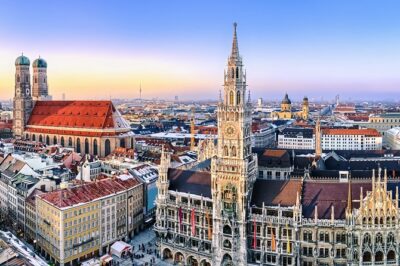 ★ 4.5Munich Old Town Walking TourFrom $271,287 reviews
 ★ 4.6Spooky Tour of Old Town in GermanFrom $261,112 reviews
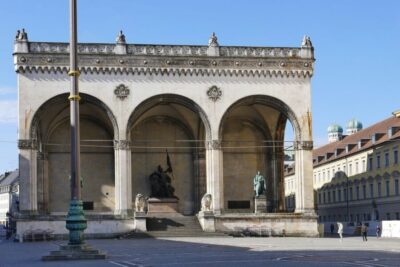 ★ 4.7Walking Tour Old Town and ViktualienmarktFrom $282839 reviews
Browse the lists this tour appears in