
Reviewed · DACHAU MEMORIAL SITE TOURS
Private Dachau Memorial Site Tour from Munich
Dachau demands context, not confusion. This private tour from Munich helps you make sense of a heavy place with an officially licensed expert guide and a clear timeline of how Dachau worked, from the early Nazi period through the post-war years.
I also like how the logistics are kept simple: you start in central Munich, then you’re on the way by train and bus, with optional hotel pickup and public transportation tickets included. You get about 3 hours on site, then return to Munich at an easy rhythm.
One consideration: this is a solemn visit, with strict rules and a subject that can be emotionally intense. It’s not suitable for children under 12, and you’ll need appropriate footwear and respect the no-photo/audio/video rules on site.
In This Review
- Key highlights you’ll feel right away
- Why Dachau Still Matters Once You’re Back in Munich
- The 5-Hour Plan That Keeps the Day Honest
- Meeting Your Licensed Guide: Mat and Markus Set a Serious Tone
- On-Site: How the Story Moves from Camp Origins to Liberation
- Rules That Keep the Visit Dignified (and Save You Stress)
- Price and Value: What You’re Paying For at $273 per Person
- Who This Tour Suits Best (and Who Might Want to Rethink It)
- Quick Practical Tips So You Don’t Feel Rushed
- Should You Book This Dachau Tour from Munich?
- FAQ
- How long is the Dachau Memorial Site private tour from Munich?
- What language is the guided tour in?
- How do you get from Munich to the memorial?
- What is included in the price?
- Are there restrictions on photos or filming?
- Is the tour suitable for kids or wheelchair users?
Key highlights you’ll feel right away
- Licensed, English-speaking guide who keeps the story clear and respectful
- Private group pace that gives you room to ask questions and process what you see
- About 3 hours on site for a full memorial visit without rushing
- Transport built in from Munich with tickets included and a straightforward schedule
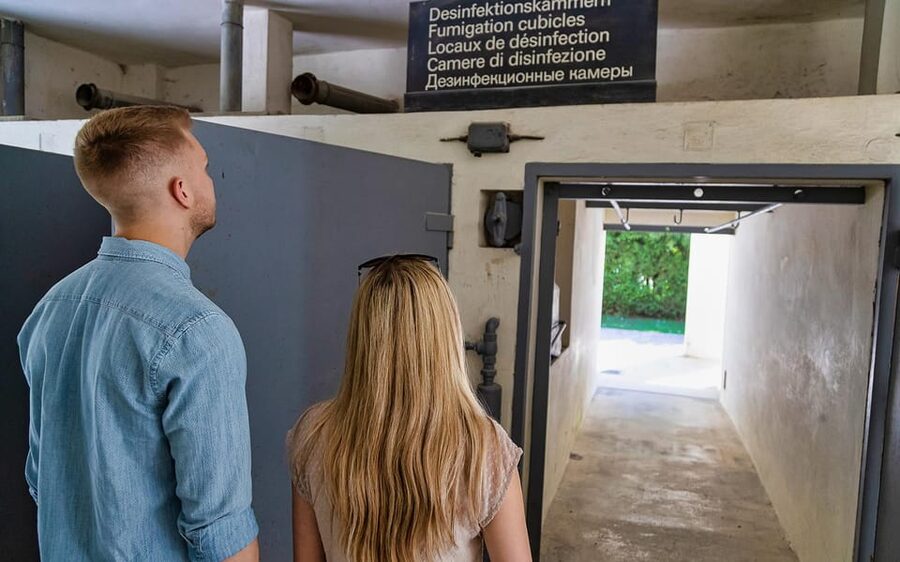
- Wide coverage of camp themes including daily life, punishment, medical experimentation, religion, and liberation
Other guided visits to the Dachau Memorial Site
- From Munich: Dachau Memorial Site Tour in Spanish★ 4.9 · 300 reviews
- Private Dachau Memorial Site Tour from Munich★ 5.0 · 10 reviews
- Munich: Dachau Concentration Camp Memorial Site Tour by Car★ 3.0 · 4 reviews
Why Dachau Still Matters Once You’re Back in Munich
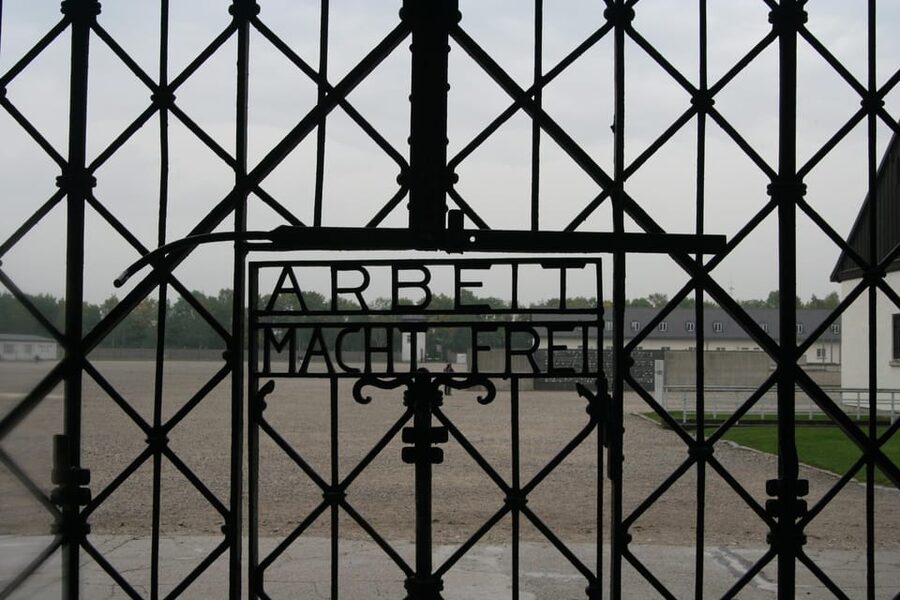
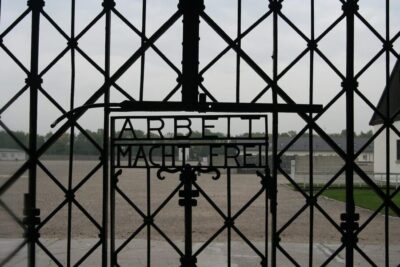
Dachau wasn’t just another camp. It was the first concentration camp to open in Germany, less than two months after Hitler came to power, and it stayed in operation for the full 12 years of Nazi tyranny. That makes it a crucial starting point if you want to understand how the system developed—fast, organized, and deliberately brutal.
This tour also frames Dachau as a “model” camp for others. It earned the name “school of terror,” in part because it housed the largest SS training facility within the Reich. In other words, Dachau wasn’t only where victims were imprisoned. It was also where the machinery of repression was taught and refined.
What you’ll likely appreciate most is that the guide doesn’t treat the memorial like a history worksheet. You get context about the political and economic climate of the 1930s—conditions that helped allow this tragedy to unfold. That matters because it connects the camp to the wider world that made it possible, not just the buildings in front of you.
The 5-Hour Plan That Keeps the Day Honest
This is a 5-hour experience with a simple, manageable rhythm. You meet in central Munich, then you head toward the memorial—typically taking no more than about 45 minutes to reach the site. You’ll spend around 3 hours on site with your licensed guide, and then you return to Munich the same way: train, bus/coach, and a straightforward finish back in the city.
That time split is a big deal. At Dachau, rushing feels wrong. Too short and you miss key explanations that help you interpret what you’re seeing. Too long and your attention starts to fray on a topic that demands focus. This schedule tries to land in the workable middle: enough time to absorb, and enough structure to keep you moving at a respectful pace.
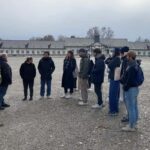
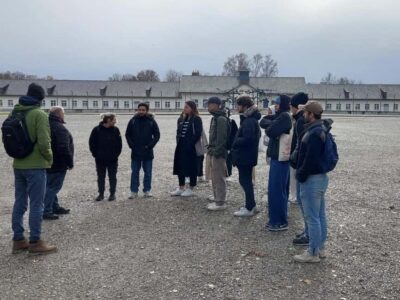
It’s also a private group, which changes the feel. You’re not stuck listening to a big scramble of voices. Instead, your guide can slow down when questions come up and can adjust explanations to match the group’s pace—something guides like Mat and Markus have been praised for, including being patient with older family members.
Meeting Your Licensed Guide: Mat and Markus Set a Serious Tone
The tour leans heavily on the quality of the guide, and that’s exactly where the value sits. You’ll be with an officially licensed expert guide speaking English, and the goal is perspective and clarity, not shock. The memorial is overwhelming enough on its own, so a good guide helps you understand why specific things happened and how different parts of the Nazi system worked.
The names Mat and Markus come up in guide feedback, and what stands out isn’t just information—it’s delivery. Mat is noted as on time, helpful with practical needs like train-station bags and train tickets, and sensitive while staying easy to follow. Markus is described as deeply informed and able to make the experience one you won’t forget.
That combination—empathy plus structure—is what you want at a place like Dachau. You’ll likely find the guide’s explanations make it easier to ask questions without feeling like you’re interrupting. And because it’s a private group, those exchanges can stay calm instead of becoming a loud free-for-all.
On-Site: How the Story Moves from Camp Origins to Liberation
The memorial tour covers Dachau across major stages, so you’re not just looking at a timeline—you’re learning how the system evolved. You’ll start with Dachau’s early role in Nazi Germany and its early purpose, then follow how it operated through the years of Nazi rule.
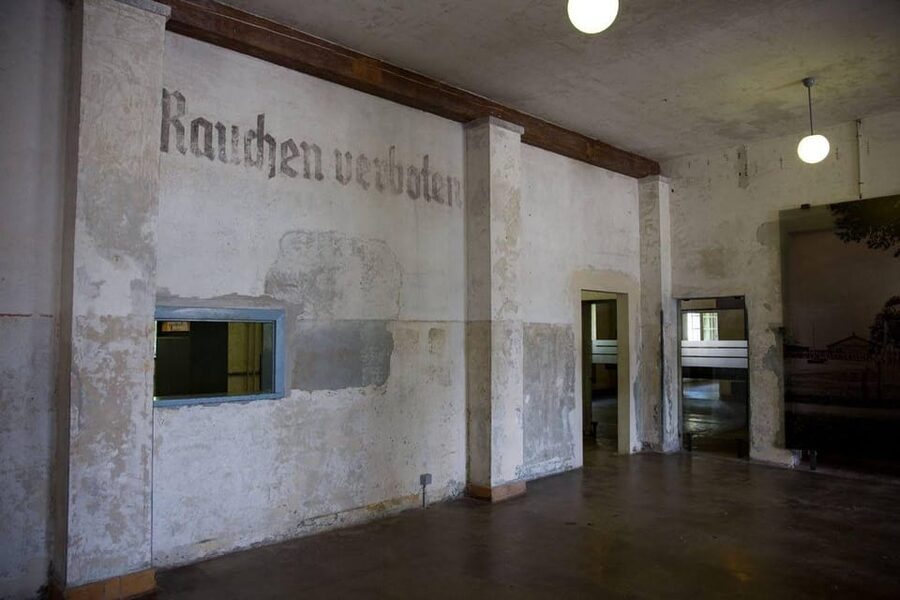
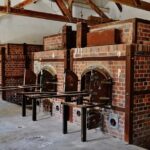
Your guide will explain what daily life could mean for prisoners, including punishment and how control was maintained. You’ll also get the darker details that many people find hardest to process, like medical experimentation and how prisoners were targeted in ways that went far beyond labor.
Religion and prisoner categorization are also part of the visit. The tour is set up to help clarify prisoner groups and the ways different individuals were handled within the camp system. That includes explanation of the religion camp aspect and how it fit into the larger logic of persecution.
Then the story turns to liberation. When U.S. liberators arrived on April 29, 1945, Dachau held about 206,000 people from 34 different nationalities, and in excess of 43,000 had been murdered. Even seeing these figures in context can be difficult, but a guide helps you understand what the numbers mean and why they’re not just statistics.
Finally, you’ll hear about Dachau’s use in the post-war years and its later recognition as an international memorial in 1965. That closing piece matters because it explains why the site exists as it does today: for remembrance, education, and the ongoing need to face what happened without looking away.
Rules That Keep the Visit Dignified (and Save You Stress)
Dachau is a working memorial, so you’ll notice clear boundaries. The tour rules prohibit things that would normally be fine at casual attractions, including smoking, drones, intoxication, alcohol and drugs, selfie sticks, and any form of video or audio recording.
Luggage and large bags are also not allowed. That’s worth planning for in Munich. Keep your day bag small, and be ready to travel light on the train and bus so you aren’t scrambling at the last minute.
If you wear the right shoes and keep your pack simple, you’ll spend less time thinking about logistics and more time absorbing the explanations. On a visit like this, that matters. The guide’s job is to give you context. Your job is to arrive ready to listen—and to move through the site without distractions.
Price and Value: What You’re Paying For at $273 per Person
At $273 per person for a 5-hour private tour, the price isn’t “cheap,” but it doesn’t look inflated for what you’re getting. The biggest value driver is the licensed expert guide and the structure of a private memorial visit.
With a guided format, you’re not piecing together meaning on your own. Instead, you’re getting explanations tied to Dachau’s role as the first camp to open, its function as a model camp, its “school of terror” reputation, and the categories of what happened inside. That kind of context can be hard to assemble accurately without someone guiding the chronology.
The transport part also helps. Public transportation tickets are included, and you can request hotel pickup when you’re staying in a centrally located hotel. That reduces friction, especially if you don’t want to figure out routes and timing after a long day in Munich.
For me, the real question isn’t only whether the price is high. It’s whether you’ll be able to handle the site with the right kind of attention. This tour is designed to help you do that—so the cost feels more like paying for care and clarity than paying for a bus ride.
Who This Tour Suits Best (and Who Might Want to Rethink It)
This tour fits best if you want a serious, respectful visit and you appreciate structured guidance. It’s private, it’s in English, and it’s designed for understanding and remembrance.
It’s also wheelchair accessible, which is important for a memorial visit where pathways and pacing can be challenging elsewhere. If you have mobility needs, the accessibility note means you can plan with more confidence than with tours that aren’t set up for it.
It’s not suitable for children under 12. If you’re traveling with kids, that age cutoff should guide your decision. For adults and older teens, a guided visit can be a better way to handle the emotional weight and the political history—especially if the guide is able to answer questions in a calm, patient way.
The guide tone matters too. The tour approach has been praised for being respectful yet sobering, and for working gently with elderly family members and those who need extra time to ask questions. If your group includes people who may struggle with long explanations, the private format helps keep things manageable.
Quick Practical Tips So You Don’t Feel Rushed
Bring appropriate footwear. You’ll be walking around the memorial, and the tour is built around a steady on-site visit of about 3 hours.
Also, keep your day simple. Since large bags aren’t allowed, travel light. Avoid anything that could complicate compliance with the rules—especially anything like selfie sticks or gear that could be mistaken for filming equipment.
Finally, mentally plan for the emotional impact. Dachau is not just about historical dates. It’s about what people endured and what a system of terror looked like in practice. Even with a thoughtful guide, you should expect it to feel heavy. If your goal is to understand, this format supports that. If your goal is a quick sightseeing loop, you’ll likely feel frustrated.
Should You Book This Dachau Tour from Munich?
I think you should book it if you want a private, English-guided visit with a licensed expert who can explain how Dachau operated across time—daily life, punishment, medical experimentation, religion, prisoner groups, liberation, and post-war meaning.
Skip it if you’re looking for a casual outing or if your group includes a child under 12. The memorial rules also make it less flexible than typical city tours, so travel light and respect the boundaries so the visit stays respectful.
If you’re staying in central Munich, this is also a convenient way to handle the day without stress—hotel pickup by request, public transport tickets included, and a clear timeframe that gives the memorial the attention it deserves.
FAQ
How long is the Dachau Memorial Site private tour from Munich?
The tour lasts about 5 hours total.
What language is the guided tour in?
The live tour guide speaks English.
How do you get from Munich to the memorial?
You’ll use public transportation, and the route typically includes about 25 minutes by train and a short bus/coach ride before arriving at Dachau.
What is included in the price?
Included items are the officially licensed expert guide, hotel pickup when requested, and public transportation tickets.
Are there restrictions on photos or filming?
Yes. Video recording and audio recording are not allowed, and selfie sticks are also not allowed.
Is the tour suitable for kids or wheelchair users?
It is wheelchair accessible, but it is not suitable for children under 12.
Visiting the Dachau Memorial Site
Just added to the Munich Explorer notebook
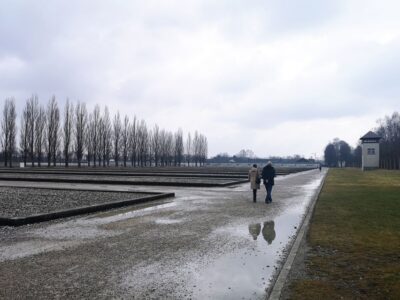
Dachau Memorial Site Tours, compared.
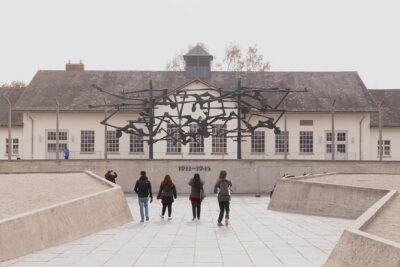 ★ 4.5Dachau Concentration Camp Memorial Site Tour from Munich by TrainFrom $645,637 reviews
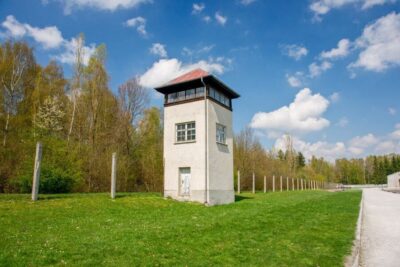 ★ 4.8Dachau Memorial Site Day TourFrom $492,723 reviews
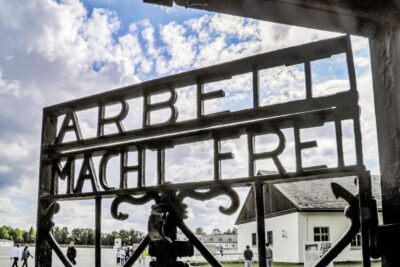 ★ 4.7Dachau Memorial Site Half-Day TripFrom $622,526 reviews
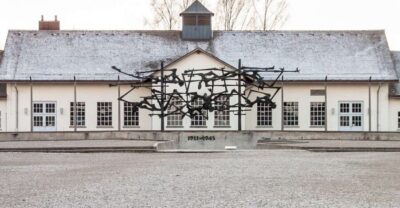 ★ 4.9Dachau Memorial Site Full-Day TourFrom $511,406 reviews
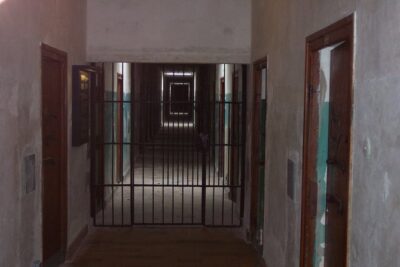 ★ 4.5Dachau Concentration Camp Memorial Tour with Train from MunichFrom $56955 reviews
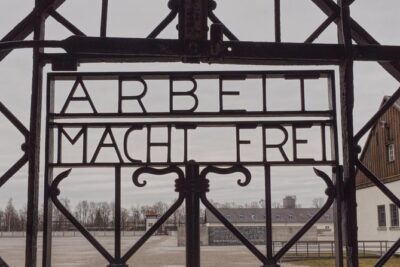 ★ 5.0Early-Start Dachau Memorial Half-Day Tour from MunichFrom $62942 reviews
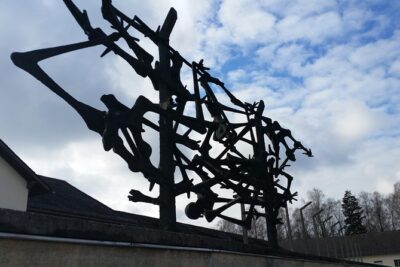 ★ 5.0Guided Dachau Concentration Camp Memorial Site Tour with Train from MunichFrom $90920 reviews
 ★ 5.0Full-Day Dachau Concentration Camp Memorial Site Tour from MunichFrom $48897 reviews
Browse the lists this tour appears in