
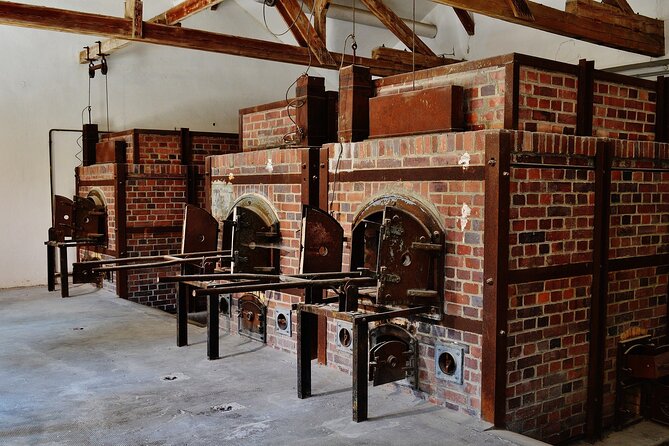
Reviewed · DACHAU MEMORIAL SITE TOURS
Dachau Memorial Public Tour
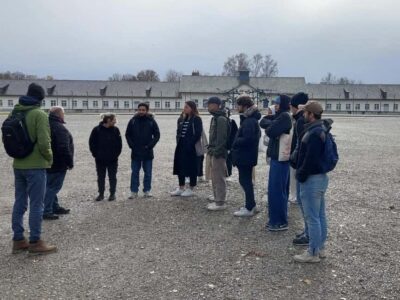
History here hits hard and fast. Dachau Memorial is not a casual sightseeing stop; it’s a guided, fact-based walk through the first Nazi concentration camp, where the details explain how horror became routine. A live English guide helps connect what you see on the grounds to what happened inside the system, including the camp’s evolution and the human cost.
I especially like two parts: the way the tour frames camp daily life, from guards and prisoner routines to the chilling mechanics of control, and the way it brings in survivor perspectives and victim stories so this isn’t just dates and uniforms. One possible drawback: at $126 for 5 hours, it only feels like good value if the tour starts cleanly and communication is clear, so I’d confirm meeting details ahead of time.
In This Review
- Key Points at a Glance
- Entering Dachau: What You’re Actually Visiting
- Munich Meeting Point and the Real Meaning of a 5-Hour Public Tour
- Seeing Camp Life Through Guard and Prisoner Dynamics
- The Crimes of Medical Experiments and Why the Guide’s Framing Matters
- Roma Victims: Remembering Stories Too Often Left Out
- Survivors, Resilience, and the Memorial’s Post-1945 Meaning
- Price and Value: Is $126 for Dachau Worth It?
- Who Should Book This Tour (and Who Should Think Twice)
- Practical Tips to Make Your Visit Work Better
- Should You Book This Dachau Memorial Public Tour?
- FAQ
- Where is the meeting point for the Dachau Memorial Public Tour?
- How long is the tour?
- How much does the tour cost?
- Is the tour guided in English?
- What’s included in the price?
- Is food and beverage included?
- Is there free cancellation?
- Can I reserve now and pay later?
- What was Dachau originally used for?
- When was Dachau liberated?
Key Points at a Glance
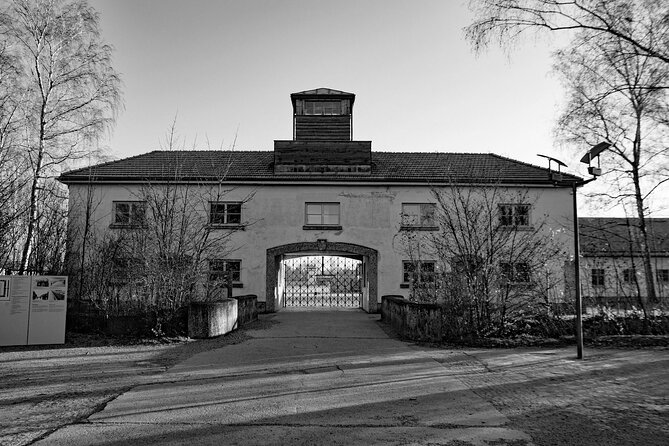
- First Nazi camp context: Dachau opened in 1933 and later expanded into forced labor.
- Daily-life focus: You’ll understand guard and prisoner dynamics, not just headlines.
- Medical experiments: The tour includes the crimes committed under the guise of medicine.
- Roma prisoners’ fates: The guide highlights victims who are too often left out.
- Survivor perspective: The story comes through resilience, survival, and liberation.
- Time matters: A 5-hour public format works best when you have a reliable start time.
Other guided visits to the Dachau Memorial Site
- From Munich: Dachau Memorial Site Tour in Spanish★ 4.9 · 300 reviews
- Private Dachau Memorial Site Tour from Munich★ 5.0 · 10 reviews
- Munich: Dachau Concentration Camp Memorial Site Tour by Car★ 3.0 · 4 reviews
Entering Dachau: What You’re Actually Visiting
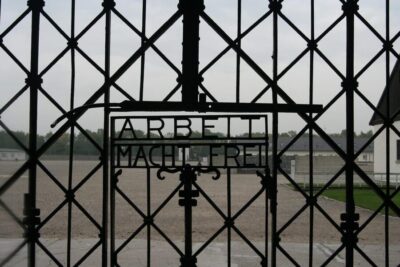
Dachau was the Nazis’ first concentration camp in Germany, and that matters for your understanding. When a site like this is the first in an unfolding system, it becomes a blueprint. Here, you’re not only learning about one place—you’re learning how a terror machine got built, tested, and then copied elsewhere.
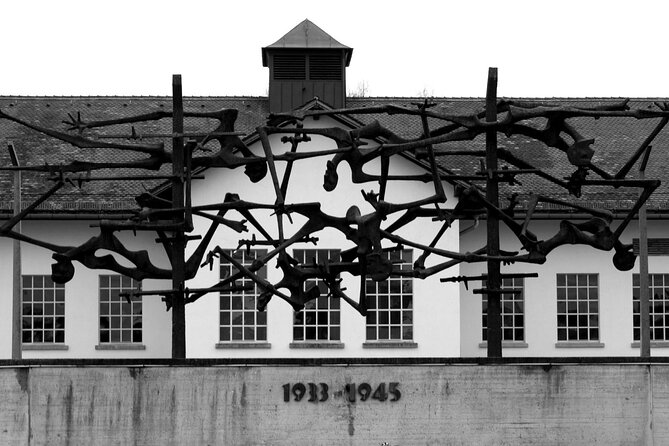
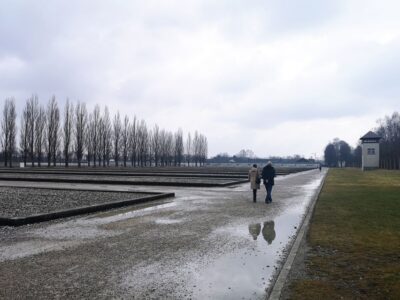
Over its roughly 12 years of operation, Dachau grew far beyond its early purpose. It began with the idea of holding political prisoners, but it later became a forced labor camp that held over 200,000 inmates. The memorial also notes that around 40,000 people were killed from 34 nations before liberation in 1945 by the American army. That scale can feel almost abstract at first—until your guide ties the numbers to what prisoners endured day after day.
The tour’s tone is serious and instructional. You should expect reminders that the camp functioned like an institution: there were rules, roles, schedules, and punishments. The point of going with a guide isn’t to make it easier; it’s to make it clearer.
Munich Meeting Point and the Real Meaning of a 5-Hour Public Tour
This tour is set up as a 5-hour public guided trip with English interpretation. You meet at the Fish Fountain, Marienplatz 8, 80331 München. That’s good because it’s in a central, easy-to-find spot in Munich, and it helps you avoid the typical headache of coordinating with a van that may or may not show up.
The structure matters because Dachau is outside the city. The included public transport ticket means you’re not on your own figuring out transit schedules while also trying to arrive mentally prepared. In a place like this, that’s not a small comfort. You’ll spend part of the time moving, then most of it on the memorial experience itself.
Food and beverage are not included. That’s another practical detail worth respecting. A memorial visit can leave you drained, and 5 hours is long enough that skipping a meal beforehand might backfire. I’d plan to eat before you go, or at least bring a simple snack so you’re not hunting for food while you’re trying to take things in.
Seeing Camp Life Through Guard and Prisoner Dynamics
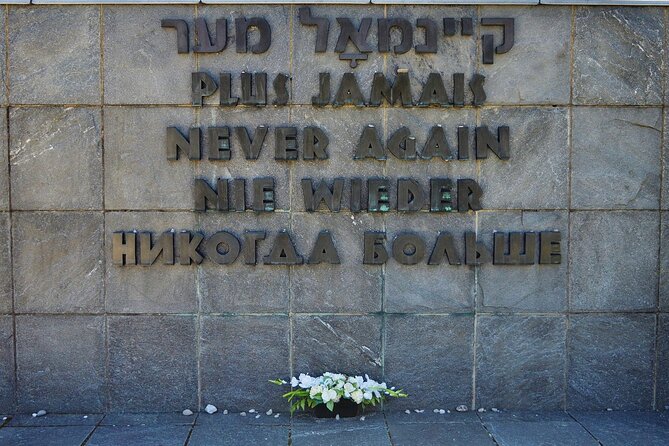
One of the best reasons to book a guided tour here is that you get a framework for what you’re looking at. Without guidance, it’s easy to turn a concentration camp into a list of locations. With guidance, it becomes a story of how daily life was controlled.
The tour focuses on the roles inside the camp—guards, prisoners, and the everyday systems that made cruelty “orderly.” That includes the rhythms of confinement and the constant threat behind routines. This is where a memorial tour earns its value: your guide turns visible remnants and preserved spaces into explanations of function, not just shock.
You should also be mentally ready for what that does to you emotionally. If you’re the type who needs everything to be uplifting, this is the wrong day trip. If you want understanding—clear, unflinching understanding—then the “camp dynamics” approach is exactly what you want. It helps you see that these were not random acts of violence; the atrocities were organized.
The Crimes of Medical Experiments and Why the Guide’s Framing Matters
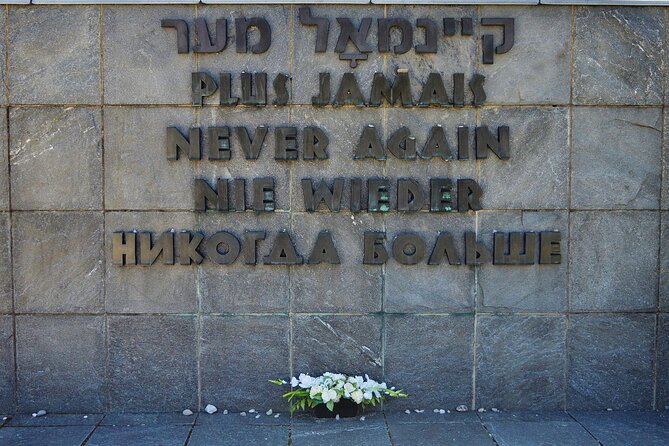
Dachau is also known in the memorial context for horrendous medical experiments carried out on helpless prisoners. Hearing that as a headline is one thing; learning how the camp environment enabled those crimes is another.
What you’ll gain from a guided explanation is structure: who the victims were, why the victims were targeted, and how the Nazi system justified its actions. The guide doesn’t just say the experiments happened. It places them inside the broader camp logic—where human beings were treated as material, not as people with rights or dignity.
This is also the part where pacing matters. The tour doesn’t make the topic safe, but it keeps it understandable. In my view, that’s the difference between a museum-style presentation and a guide-led interpretation: you can ask yourself what you’re seeing, rather than getting lost in the scale of the suffering.
Roma Victims: Remembering Stories Too Often Left Out
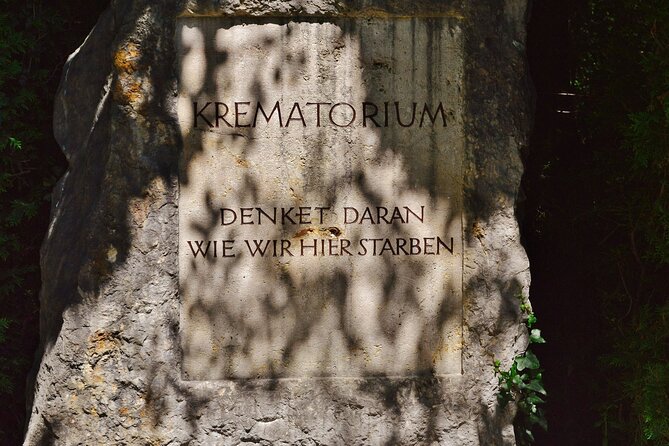
A strong highlight of this tour is that it doesn’t stop with the most commonly repeated victim categories. You’ll learn about the dreadful fates of Roma prisoners, including how persecution played out inside the camp system.
For you, this adds something important: it broadens the tragedy beyond a single narrative. Dachau did not only harm people connected to one political story. It targeted different groups in different ways, under a ideology that treated whole communities as disposable.
If you care about getting the full picture, this is one of the most meaningful parts of the experience. And it also changes how you remember what you saw. You’re less likely to walk away with a simplified mental checklist and more likely to keep the full range of victims in mind.
Survivors, Resilience, and the Memorial’s Post-1945 Meaning
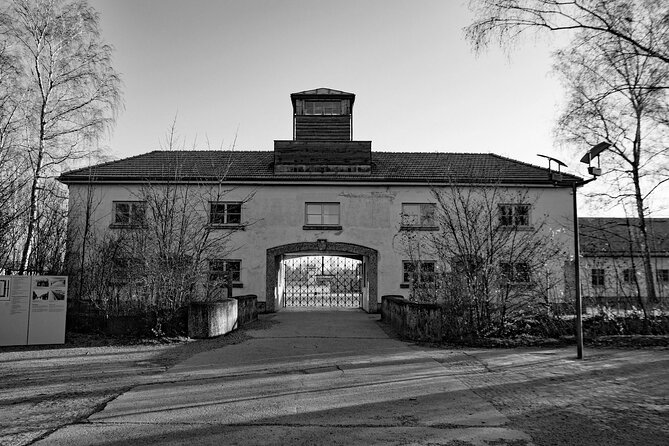
The tour experience aims to give you the human perspective behind the facts. It includes survivors’ gripping tales, with a focus on resilience and survival. That doesn’t erase what happened—it frames what resilience looked like in the aftermath and why liberation matters.
You’ll also hear how Dachau has been described as an “Academy of Terror.” That phrase is chilling, but it helps explain the wider historical role of the camp as a training ground of brutality. In other words: Dachau wasn’t only a site of murder; it was part of a system designed to teach cruelty.
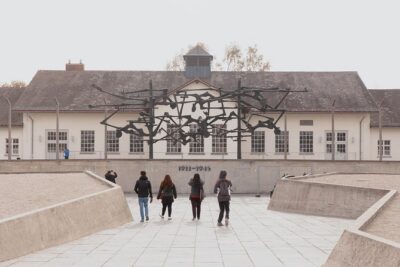
Liberation by the American army in 1945 is a key moment in the story. It’s part of why this memorial exists. The goal here isn’t to provide closure; it’s to preserve truth and prevent forgetting. When a guide ties survivor accounts to the broader history—like the 34 nations affected, the scale of imprisonment, and the long arc from 1933 onward—it turns remembrance into something active.
Price and Value: Is $126 for Dachau Worth It?
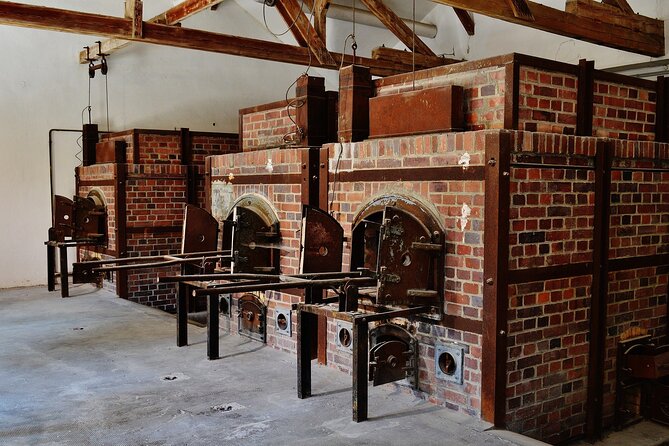
At $126 per person for a 5-hour English guided tour, you’re paying for three things that matter: a live local guide, the organized timing, and the included public transport ticket. You’re also paying for someone to translate complexity into understandable cause-and-effect, especially around the medical experiments and victim stories.
Is it “cheap”? No. But it can still be fair value if you care about interpretation. In a place like this, self-guided visits often depend on what you already know going in. A guide helps fill that gap. If you’re the kind of person who wants context and you want to avoid missing the key connections, the cost is easier to justify.
Now the caution: because it’s a public tour, start-time and meeting clarity directly affect the value. If you arrive and things are confusing, the $126 feels a lot less reasonable. One reason I’m a little strict about planning here: the provider behind this experience is Travmonde OÜ, and you should treat your confirmation message like a must-read, not a suggestion.
Who Should Book This Tour (and Who Should Think Twice)
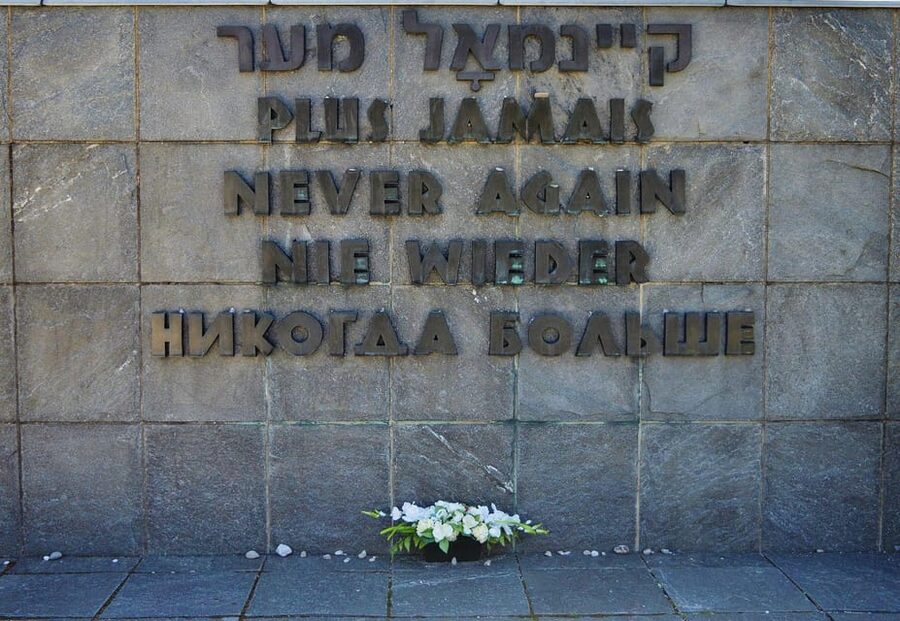
This is a good fit if you want:
- English interpretation with a live guide
- A structure that covers camp life, crimes, Roma victims, and survivor perspectives
- A single, organized day trip that handles transport planning via included transit
It’s also the right choice if you’re uncomfortable with the idea of walking around a site like Dachau without a human guide helping you understand what you’re seeing.
You might think twice if you:
- Want a light or casual sightseeing pace (this is not that)
- Struggle with emotionally heavy topics like medical experiments and mass persecution
- Prefer to control every detail yourself, because this tour is built around a set route and timing
The good news is that the memorial’s seriousness is also what makes guided interpretation valuable. You’re not meant to “cheer up” here—you’re meant to understand.
Practical Tips to Make Your Visit Work Better
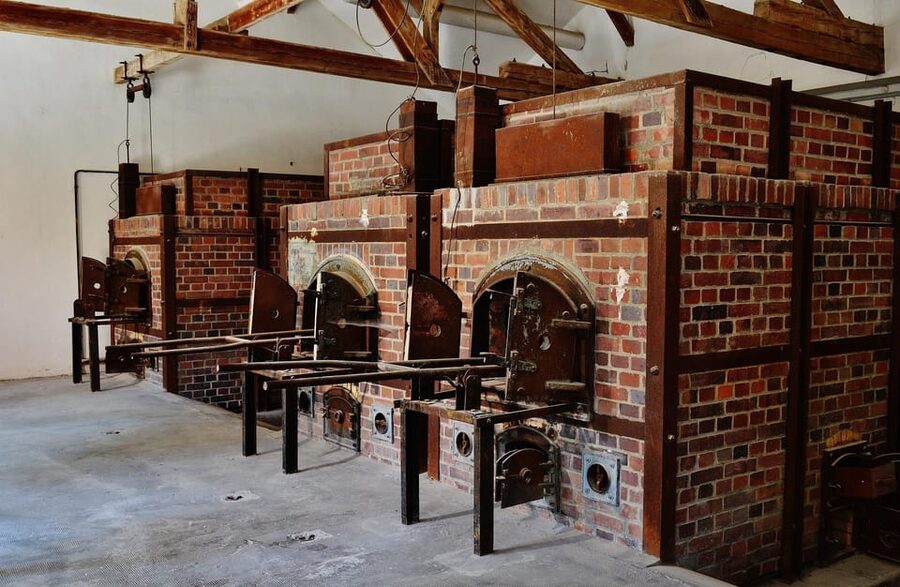
A few small decisions can make a big difference in how you experience Dachau:
- Plan food ahead since food and beverage aren’t included.
- Give yourself extra time to reach the Fish Fountain at Marienplatz so you’re not rushing in a serious moment.
- Wear comfortable shoes and expect a long, reflective walk. A memorial visit can involve standing and moving longer than you expect.
- Mentally set expectations. You’re there to learn about organized terror and survival—not to turn your brain off.
If you’re traveling with a tight schedule, treat this as a priority booking. A 5-hour format is manageable, but you don’t want to stack it with other must-do plans right afterward.
Should You Book This Dachau Memorial Public Tour?
I’d book this tour if you want an English guided experience that covers the most difficult parts of Dachau’s story with clear context: camp daily life, medical experiments, Roma prisoners, and survivor resilience. The included public transport ticket and local guide make it easier to do right, without turning your day into logistics.
I’d also book it with a little extra care. At $126, you should expect reliability. Before you go, double-check the meeting details for your exact start time and keep your confirmation info handy in case anything feels unclear the day of.
If you want a guided, structured understanding of one of the Nazis’ first concentration camps—this is a sensible way to get it.
FAQ
Where is the meeting point for the Dachau Memorial Public Tour?
You meet at the Fish Fountain, Marienplatz 8, 80331 München, Germany.
How long is the tour?
The duration is 5 hours.
How much does the tour cost?
The price is $126 per person.
Is the tour guided in English?
Yes, the live tour guide is English.
What’s included in the price?
The ticket includes a local professional guide on the public guided tour and a ticket for public transport, plus an online payment processing fee.
Is food and beverage included?
No, food and beverage are not included.
Is there free cancellation?
Yes. You can cancel up to 24 hours in advance for a full refund.
Can I reserve now and pay later?
Yes. You can reserve now and pay later.
What was Dachau originally used for?
It was the first Nazi concentration camp opened in 1933 in Germany, originally intended to hold political prisoners only.
When was Dachau liberated?
It was liberated in 1945 by the American army.
Visiting the Dachau Memorial Site

Just added to the Munich Explorer notebook
Dachau Memorial Site Tours, compared.
 ★ 4.5Dachau Concentration Camp Memorial Site Tour from Munich by TrainFrom $645,637 reviews
 ★ 4.8Dachau Memorial Site Day TourFrom $492,723 reviews
 ★ 4.7Dachau Memorial Site Half-Day TripFrom $622,526 reviews
 ★ 4.9Dachau Memorial Site Full-Day TourFrom $511,406 reviews
 ★ 4.5Dachau Concentration Camp Memorial Tour with Train from MunichFrom $56955 reviews
 ★ 5.0Early-Start Dachau Memorial Half-Day Tour from MunichFrom $62942 reviews
 ★ 5.0Guided Dachau Concentration Camp Memorial Site Tour with Train from MunichFrom $90920 reviews
 ★ 5.0Full-Day Dachau Concentration Camp Memorial Site Tour from MunichFrom $48897 reviews
Browse the lists this tour appears in