
Reviewed · DACHAU MEMORIAL SITE TOURS
Munich: Dachau Concentration Camp Memorial Site Tour by Car
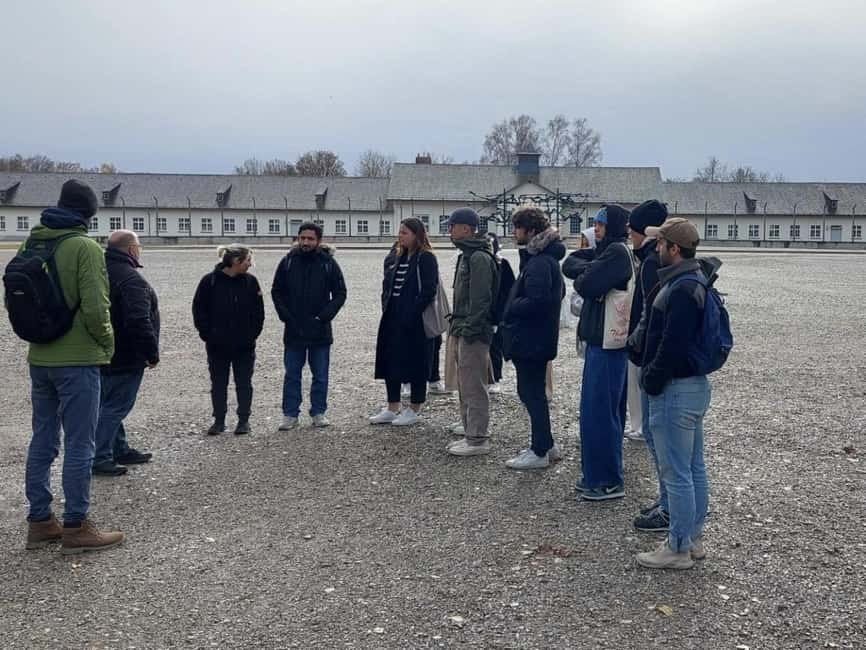
Dachau hits hard, even before you enter. This Munich day trip is interesting because you get a small group ride and a guided, dignified walkthrough of the former camp with Markus, plus time to absorb what you see on your own.
I like that the pacing is built for understanding: Munich pickup, a focused 3-hour visit, and then the drive back, with a guide who explains the system of terror behind the sights. One drawback to weigh is that pickup reliability can be an issue in rare cases, so I’d confirm your pickup details in advance.
In This Review
- Key things to know before you go
- Munich to Dachau by car: how the day is paced
- Entering the Memorial grounds: what you should expect to see
- The guided storytelling that makes the camp legible
- Dachau as the first Nazi concentration camp—and a model others copied
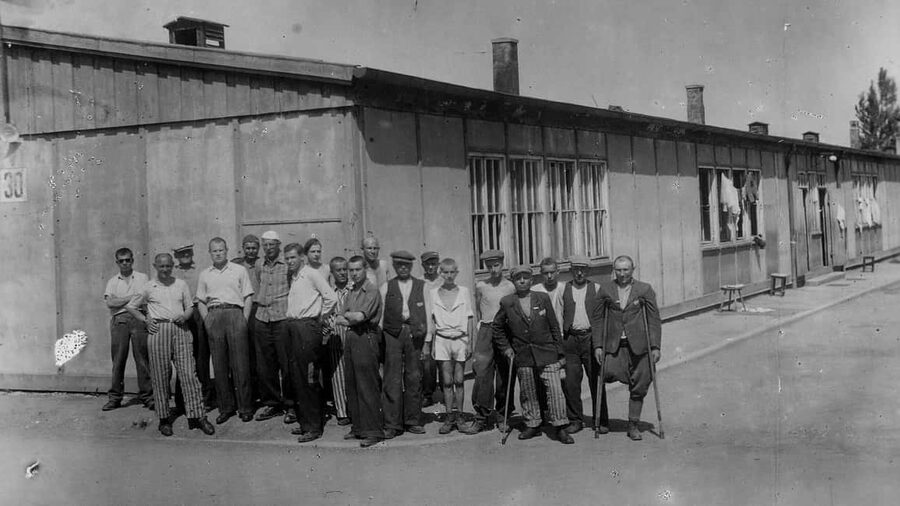
- Roll-call, barracks, bunkers: how to understand daily cruelty
- Medical experiments, torture, and executions: why the guide’s tone matters
- Liberation and the Memorial: why 1965 matters
- Practical comfort: what to wear, what to bring, and what to plan around
- Price and value: what $371 per person is buying you
- Who this tour fits best (and who might want another plan)
- Things to double-check: pickup, timing, and expectations
- Should you book this Munich to Dachau tour?
Key things to know before you go
- Private SUV ride from Munich keeps the logistics simple and the day calm
- A 3-hour guided visit plus some self-guided time at the Memorial
- Small group (max 4) means more chances to ask questions
- You’ll walk a lot outdoors, and parts of the site are not built for lingering comfort
- No food on the grounds and you should bring water
- English live guide (also Spanish) plus an audio guide option
Other guided visits to the Dachau Memorial Site
- From Munich: Dachau Memorial Site Tour in Spanish★ 4.9 · 300 reviews
- Private Dachau Memorial Site Tour from Munich★ 5.0 · 10 reviews
- Munich: Dachau Concentration Camp Memorial Site Tour by Car★ 3.0 · 4 reviews
Munich to Dachau by car: how the day is paced
This is one of those trips where the structure helps. You start with hotel pickup in Munich, then you’re in a Jeep / SUV for about 30 minutes to reach Dachau. The drive matters because it sets a tone: you’re not trying to “figure it out” mid-day, and you arrive with time to settle in before you start looking closely.
The tour then gives you a straightforward rhythm: 3 hours at the Memorial and then about 30 minutes back to Munich. For a place like Dachau, that timing is practical. Too short and you only skim. Too long and you spend the day numb, not thoughtful. This length usually lands in the workable middle.
You’ll be out on foot for a large part of the visit. That’s not a “nice to have” detail—it affects your experience. Bring shoes you can trust and clothing that won’t fight the weather.
Entering the Memorial grounds: what you should expect to see
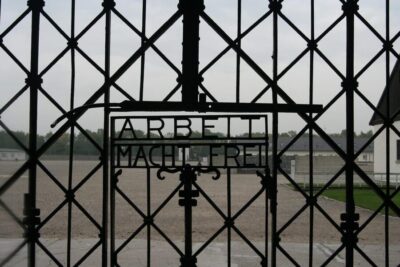
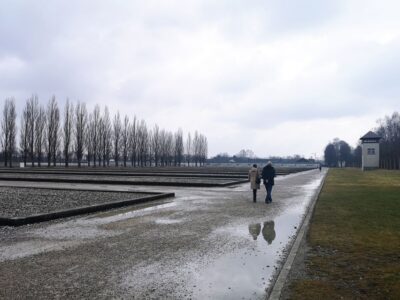
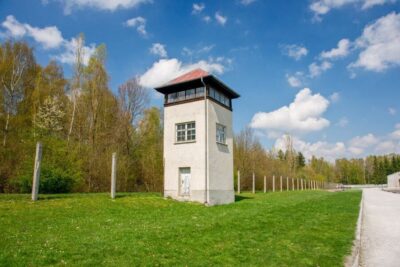
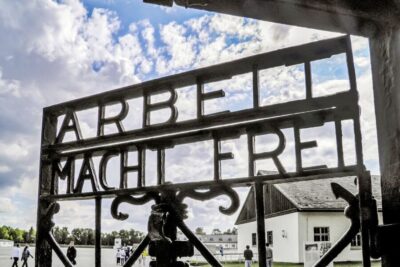
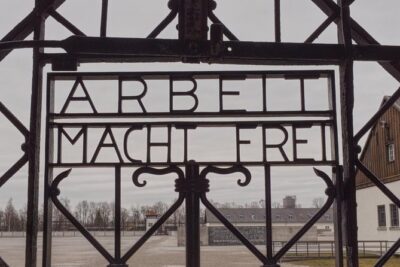
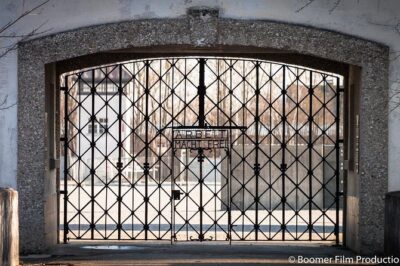
At Dachau, the site is not arranged to entertain you. It’s designed to document what happened and to keep the memory of victims clear. That means you’ll spend time looking at original buildings that remain and also at reconstructions where the camp layout needs to be understood.
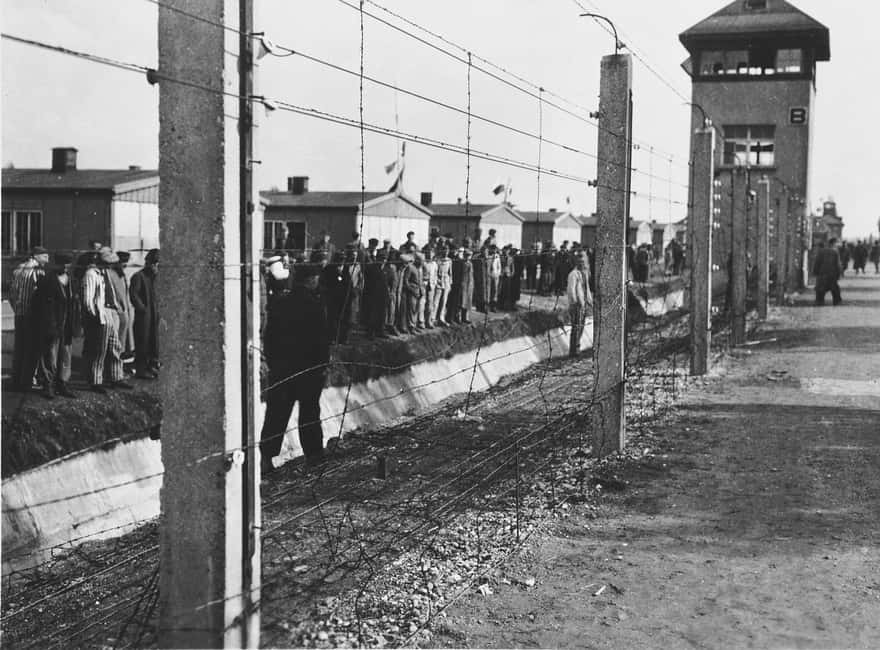
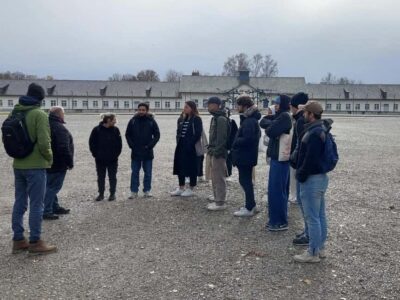
Expect a guided tour that points you toward the right features so you understand what you’re seeing. During the visit, you’ll cover major camp locations tied to daily life and to the camp’s machinery of cruelty—things like the roll-call area, bunkers, barracks, and the camp street.
You’ll also reach the area connected to the camp’s processing and extermination system, including the crematorium. It’s the kind of stop where your guide’s tone becomes important. You’re looking at death, and the tour format is built to keep the conversation respectful and factual rather than sensational.
There’s also an element of self-guided time. That matters more than it sounds. A guided narrative can give you anchors, dates, and context, but you still need a few minutes where your mind can do its own work. Use that time to slow down at the spots that stick with you, not to “complete” the checklist.
The guided storytelling that makes the camp legible
The standout value here is the live guide. You’re not just walking through ruins and plaques. A trained guide explains what the Nazi camp system was doing and how Dachau fit into it.
In my opinion, that interpretive layer is what turns a visit into understanding. Without guidance, you might see structures but miss the logic tying them together: how prisoners were controlled, processed, and punished; how routines were enforced; how violence became policy.
And if you get Markus, you’re in good hands. In the feedback I received, Markus is singled out for delivering detailed information and moving people through the exhibits with clarity. People also noted that the small group format helped them absorb more than they likely would on their own.
The tour is in English live, with Spanish also offered. There’s also an audio guide available. Even if you’re comfortable with English, I like having the option of an audio guide as a backup when you want to reread the emphasis in your own time.
Dachau as the first Nazi concentration camp—and a model others copied
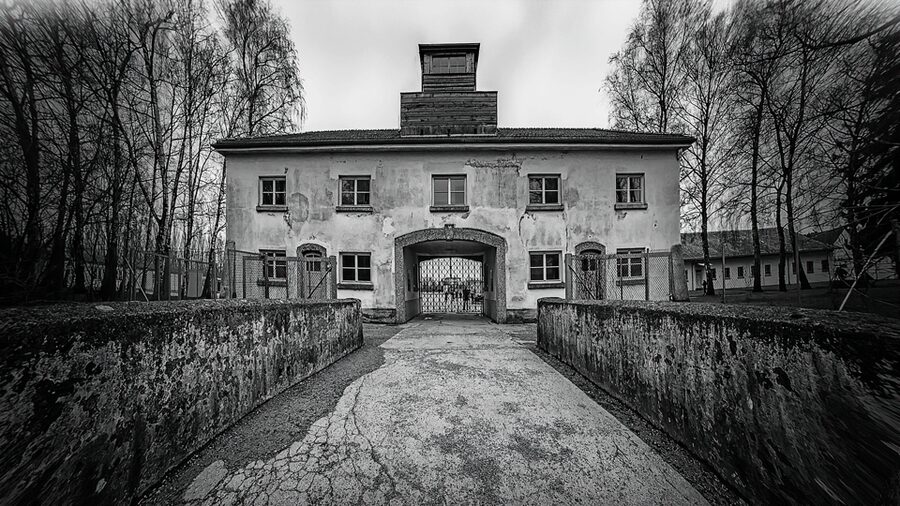
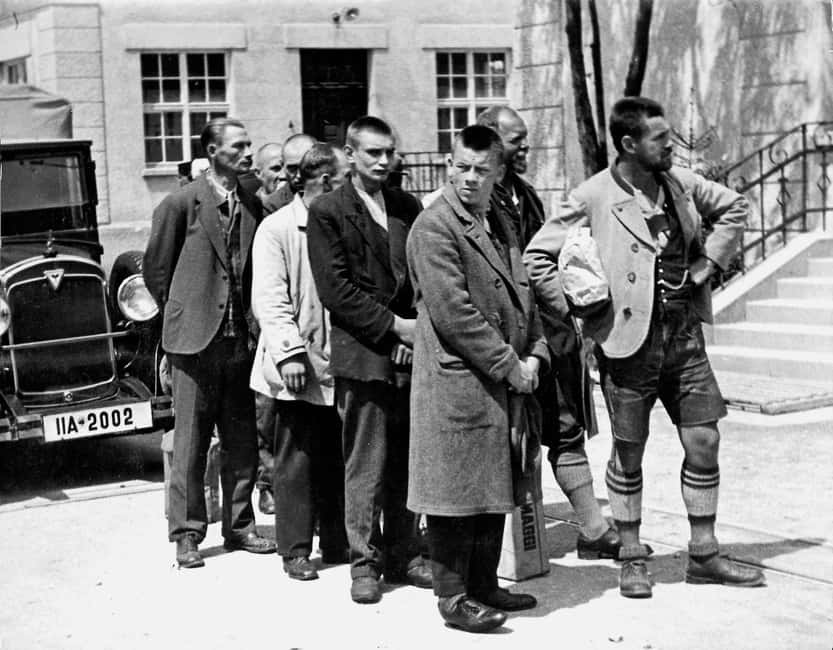
Dachau opened in 1933, shortly after Adolf Hitler became chancellor. That timing is key. Dachau wasn’t a later experiment; it was early and it became a template.
The Memorial tour covers this idea directly: Dachau began northeast of Dachau and was initially planned for political prisoners. Over time, it expanded into a broader system of terror. It also served as a training ground for the SS, sometimes described as a school of violence, where brutality was refined and taught.
Here’s what I think you should keep in mind while you’re standing on the site: camps weren’t just holding pens. They were institutions for breaking people and testing methods of control. Dachau grew into a system of nearly 100 sub-camps, which helps explain why this place matters far beyond its walls.
You’ll also learn who was imprisoned. Prisoners included political prisoners at first, then people such as Jews, Romani, and homosexuals, along with artists and intellectuals. That range matters because it shows the Nazi regime’s reach: oppression wasn’t limited to one group.
Roll-call, barracks, bunkers: how to understand daily cruelty
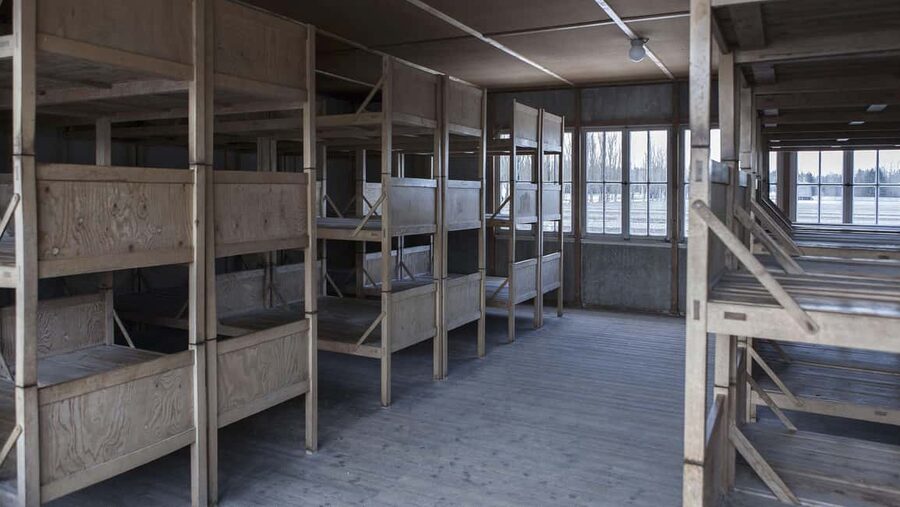
The most important thing about the physical stops is that each one reflects a different part of the camp’s control system.
- Roll-call shows how prisoners were forced into exhausting routines, where time itself became a weapon.
- Barracks are tied to overcrowding and the attempt to reduce people to numbers.
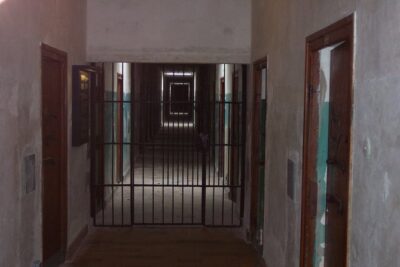
- Bunkers are where punishment became more than discipline—it became terror.
Your guide connects the dots so you don’t just memorize locations. You learn how the camp worked as a system. That’s why the tour’s structure helps: you see a place, then you get the explanation that makes it meaningful.
You’ll also hear about the human cost: thousands of Jews died from malnutrition, disease, and overwork, or were executed. The camp’s scale was enormous for a single site and even bigger once you include sub-camps.
In its 12 years of existence, more than 200,000 people were imprisoned across the system, with an estimated 41,500 deaths. Those numbers can feel abstract until you stand in front of the layout and realize these were the spaces where life was constrained.
Medical experiments, torture, and executions: why the guide’s tone matters
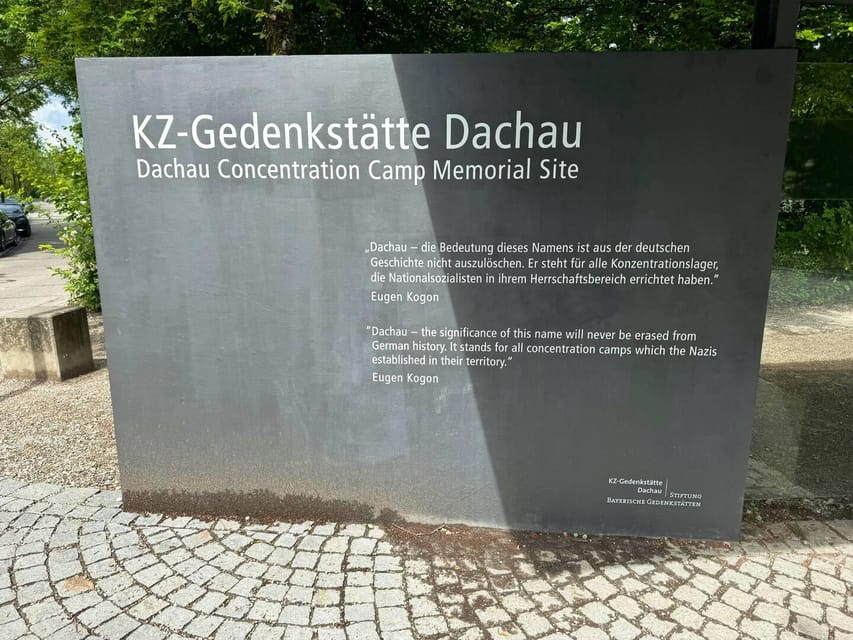
Dachau is often discussed in terms of horror, but the most useful way to process it is through specific policies and practices—not just emotion.
During the tour, you’ll learn about medical experiments, torture, and mass executions. You might find that hearing these described factually, with dignity, is easier than walking in blind. It also helps you understand why Dachau became so infamous and why its structure influenced other camps.
This is also where the tone of the guide becomes part of the experience. The goal isn’t shock. It’s clarity and respect. A sensitive, trained guide keeps the focus on victims and on how the system functioned, not on graphic details for their own sake.
If you’ve visited other historic sites in Europe, you’ll notice the style here is different. Dachau asks you to pay attention more slowly.
Liberation and the Memorial: why 1965 matters
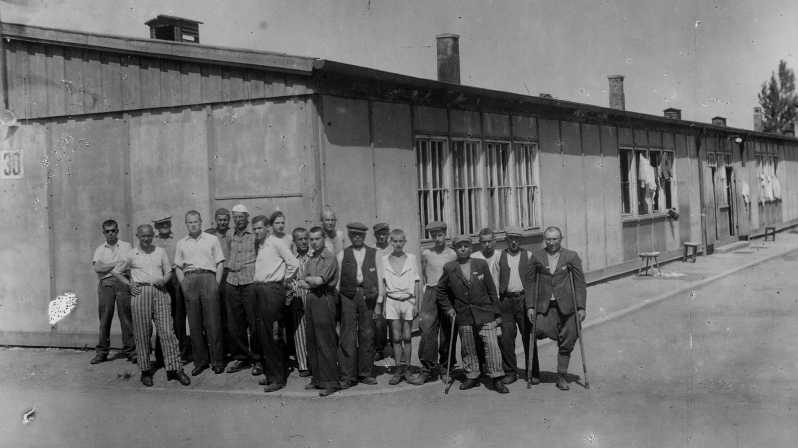
On April 29, 1945, U.S. forces liberated the main camp in Dachau. That moment matters because it marks an end to more than a decade of atrocities and brutality.
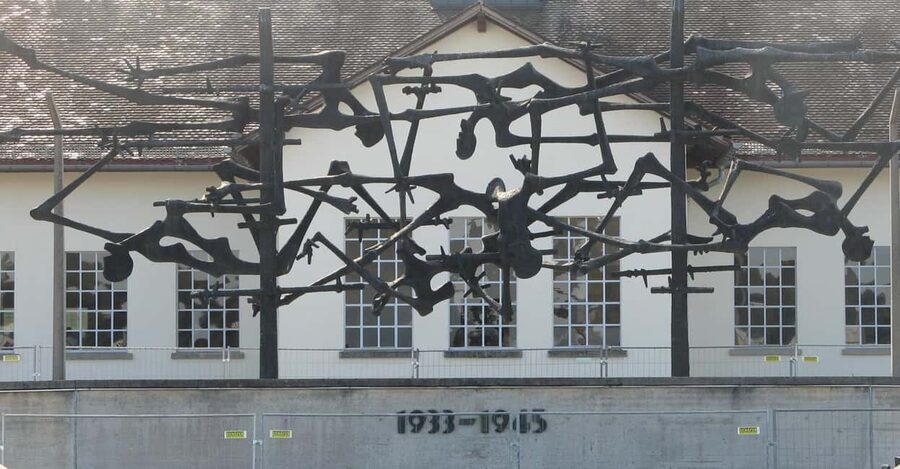
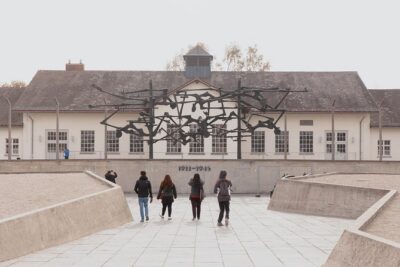
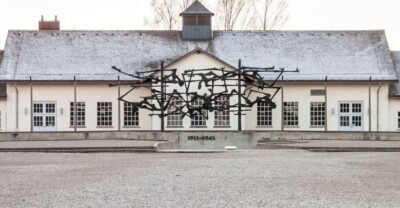
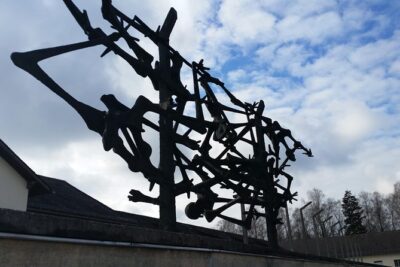
But the story doesn’t stop at liberation. The Memorial itself was built in 1965 on the site of the former camp, driven by the initiative of concentration camp survivors. That detail is important because it frames the Memorial as an effort to preserve truth, not just tourism history.
The Memorial draws enormous attention: nearly 800,000 people visit each year. That can sound like a stat, but standing there you’ll understand why. Dachau functions as a warning and a reminder, with visitors returning to learn and to remember.
Practical comfort: what to wear, what to bring, and what to plan around
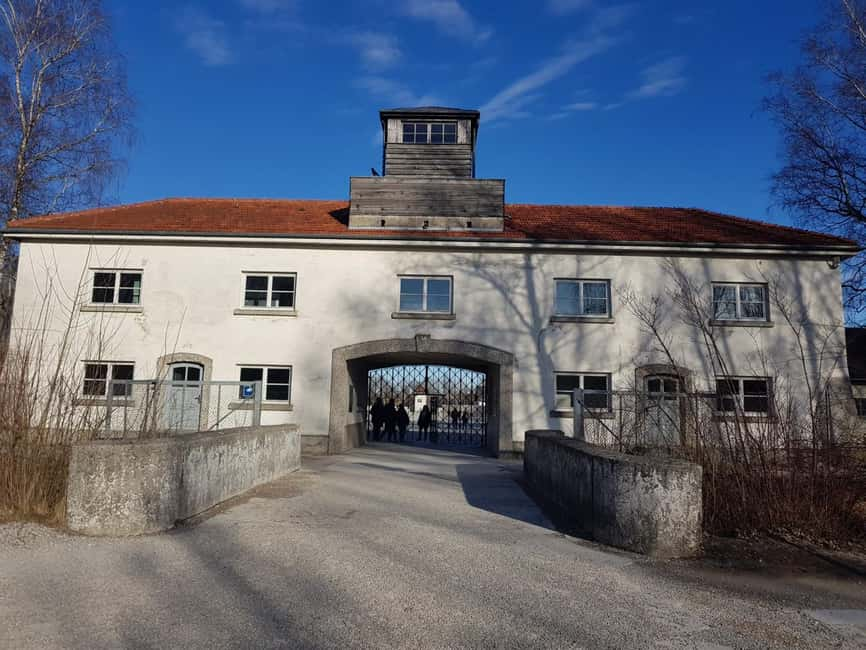
This tour is heavily walking outdoors, so comfort is part of respect. You don’t want to stop halfway because your feet hurt or you’re cold.
Bring:
- Water (you’re advised to bring it)
- Weather-appropriate clothing
- Solid footwear
Food is handled strictly. You won’t be able to purchase or consume food on the grounds of the Memorial, so don’t plan to snack there during the visit. If you need food, plan it before you arrive or keep it outside the site.
There’s also a clear age rule: the tour is not suitable for children under 14. That’s consistent with how solemn and intense the site is, and it keeps the experience appropriate for the setting.
One more small etiquette detail: tips are accepted if you’re satisfied with the tour, but don’t tip while within the Memorial grounds.
Price and value: what $371 per person is buying you
At $371 per person for about 5 hours, this is not a cheap outing. So you should ask: what are you paying for?
You’re paying for a private, controlled day. That includes:
- Private transportation by Jeep / SUV
- Hotel pickup and drop-off in Munich
- A guided tour that lasts 3 hours
- A small group capped at 4 participants
- Drinks and water
- Live guide in English (also Spanish), plus an audio guide option
If you were trying to DIY the trip, you’d be stitching together transport and timing. Here, the value is that you show up, step into a structured visit, and don’t worry about transit timing while you’re processing what you’re seeing. For me, that’s worth something when the experience is intense and the schedule matters.
It also matters that the tour is in English, and you’re not relying solely on signage. Dachau is heavy and the explanations help you connect the physical site to what happened there.
Who this tour fits best (and who might want another plan)
This tour fits best if you want:
- A guided understanding of Dachau, not just self-walking
- A small-group setting where you can actually follow along
- Simple logistics from Munich with pickup and private transport
It’s less ideal if:
- You don’t want a guided format and prefer to wander independently without structured stops
- You need a child-friendly pacing (the tour excludes under 14)
If you’re traveling as a couple or as a small group, the max-4 size can be a real benefit. The tour time doesn’t get diluted by a huge group.
Things to double-check: pickup, timing, and expectations
The only real operational caution I’d give is pickup reliability. One booking note I saw stated that the driver never showed up. That doesn’t mean it happens all the time, but it’s enough for me to recommend a simple step: confirm pickup details before the day-of and keep your contact info handy.
Timing-wise, the tour’s schedule is compact. You’re looking at about 30 minutes each way and then 3 hours at the Memorial. If you’re the type of traveler who needs long breaks between activities, you might find the day emotionally and physically full.
Also, mentally prepare for how direct the content is. The tour covers concentration camp operations and includes topics like medical experiments, torture, and mass executions. This is not a casual history stop.
Should you book this Munich to Dachau tour?
Yes, if you want a guided, small-group day trip with private car logistics and a structured walkthrough of the key Dachau site features. The guide component is the main reason to choose this format, especially when you want the camp layout connected to what happened there.
Think twice if you’re very concerned about operational certainty or if you’re traveling with young kids. And do your part for a smoother experience: bring water, wear good shoes, and confirm pickup details so you’re not starting the day stressed.
If you’re ready for a serious, respectful visit and you value guidance over wandering, this tour is a solid way to make your Dachau day from Munich count.
Visiting the Dachau Memorial Site

Just added to the Munich Explorer notebook
Dachau Memorial Site Tours, compared.
 ★ 4.5Dachau Concentration Camp Memorial Site Tour from Munich by TrainFrom $645,637 reviews
 ★ 4.8Dachau Memorial Site Day TourFrom $492,723 reviews
 ★ 4.7Dachau Memorial Site Half-Day TripFrom $622,526 reviews
 ★ 4.9Dachau Memorial Site Full-Day TourFrom $511,406 reviews
 ★ 4.5Dachau Concentration Camp Memorial Tour with Train from MunichFrom $56955 reviews
 ★ 5.0Early-Start Dachau Memorial Half-Day Tour from MunichFrom $62942 reviews
 ★ 5.0Guided Dachau Concentration Camp Memorial Site Tour with Train from MunichFrom $90920 reviews
 ★ 5.0Full-Day Dachau Concentration Camp Memorial Site Tour from MunichFrom $48897 reviews
Browse the lists this tour appears in