
Reviewed · SELF-GUIDED TOURS
Munich: Scavenger Hunt Self-Guided Tour for Children
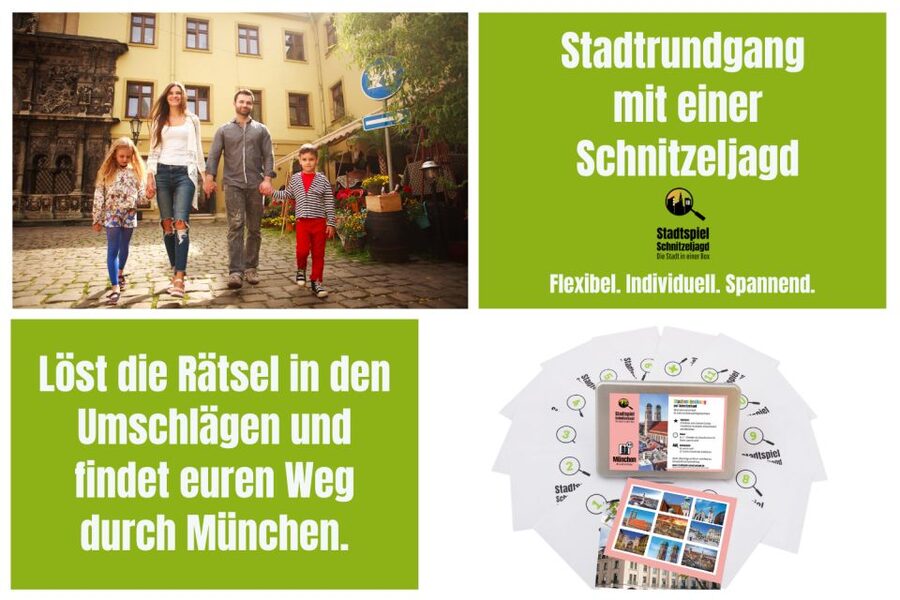
Munich becomes a game when you swap maps for numbered envelopes. This self-guided scavenger hunt in Bavaria’s capital sends you between top landmarks at a family pace, with puzzles, kid-friendly facts, and built-in breaks you control. You start in the center at Stachus and work through the historic old town to sights like the Frauenkirche, Marienplatz, and the Viktualienmarkt.
What I like most is how the activity combines sightseeing with a reason to slow down and look. You’re not just walking past places, you’re solving clues that guide your attention, and you get information along the way that makes the city feel more understandable. My second favorite part is the flexibility: you can pause any time for photos or a breather and still stay on track.
One consideration: the puzzles skew easy for some kids. If you’re bringing children closer to 10 to 12 (or especially if they like hard challenges), you may wish for tougher riddles than what the materials provide.
In This Review
- Key things to know before you start
- The “game first” way to see Munich with kids
- Starting at Stachus: getting oriented fast
- Frauenkirche: turning Munich’s symbol into a clue
- Marienplatz and the town halls: old Rathaus meets new Rathaus
- Viktualienmarkt: a market stop that feels like play
- How the envelope system keeps families moving
- Time and pace: 150 minutes that you can stretch
- Price and value: $47 per group up to 10
- Who this fits best (and who might want a tougher challenge)
- Practical tips to make the hunt feel easy
- Should you book this Munich scavenger hunt?
- FAQ
- How long is the Munich scavenger hunt?
- Is there a guide on the tour?
- Where does the hunt start?
- How do we know where to go next?
- What sights are included?
- What’s included in the price?
- What is not included?
- How do we get the materials?
- Can we start at any time?
Key things to know before you start
- Self-paced route: You decide the pace and can stop for photos without falling behind.
- Numbered-envelope clues: Directions and kid-friendly facts come packed in the envelopes.
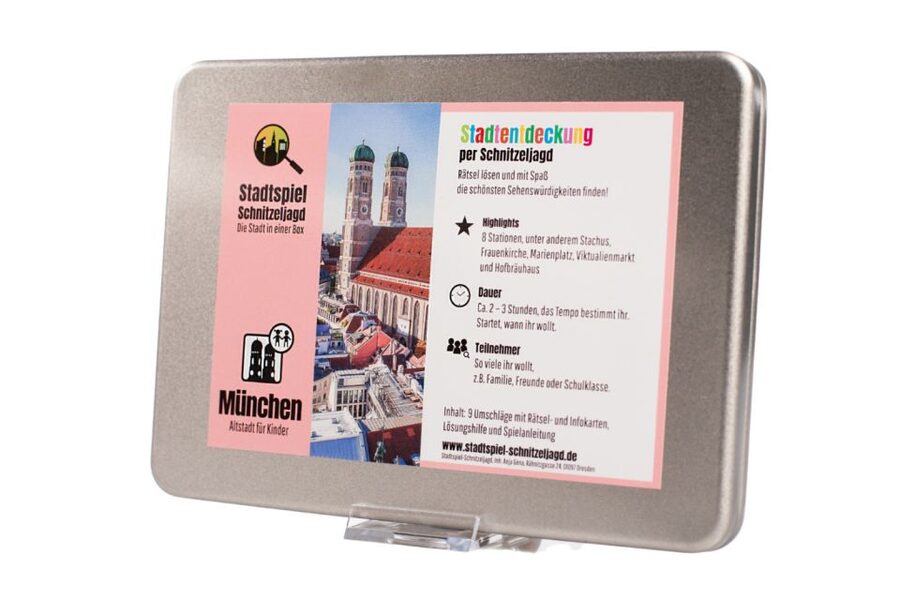
- Major old-town sights: Stachus, Frauenkirche, Marienplatz (old and new town halls), and Viktualienmarkt.
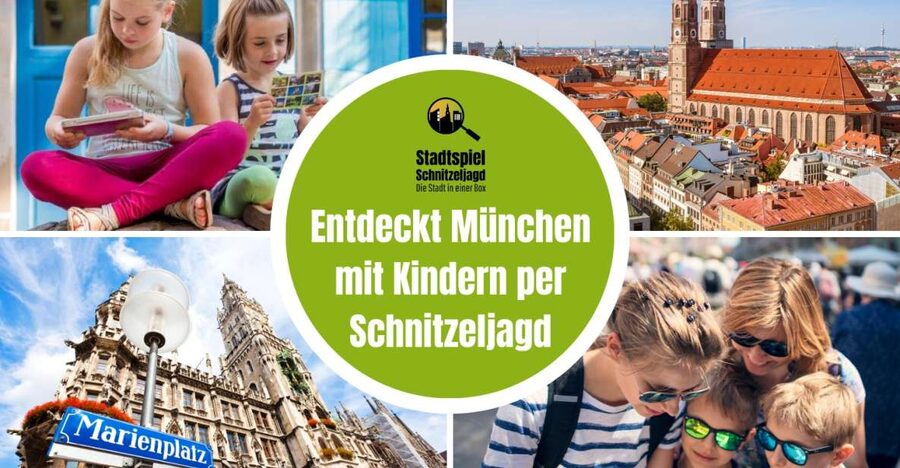
- Made for families: Best fit is children ages 6 to 12.
- Emergency solutions included: An emergency envelope provides answers if you get stuck.
More self-guided routes through Munich
- Munich: Scavenger Hunt Self-Guided Tour for Children★ 4.5 · 101 reviews
- Ghosts of Munich: The Haunted Apprentice Exploration Game★ 4.0 · 19 reviews
- 800 Years of History: A Munich GPS Audio Tour★ 4.5 · 12 reviews
- Munich Scavenger Hunt and Sights Self-Guided Tour★ 4.5 · 8 reviews
The “game first” way to see Munich with kids
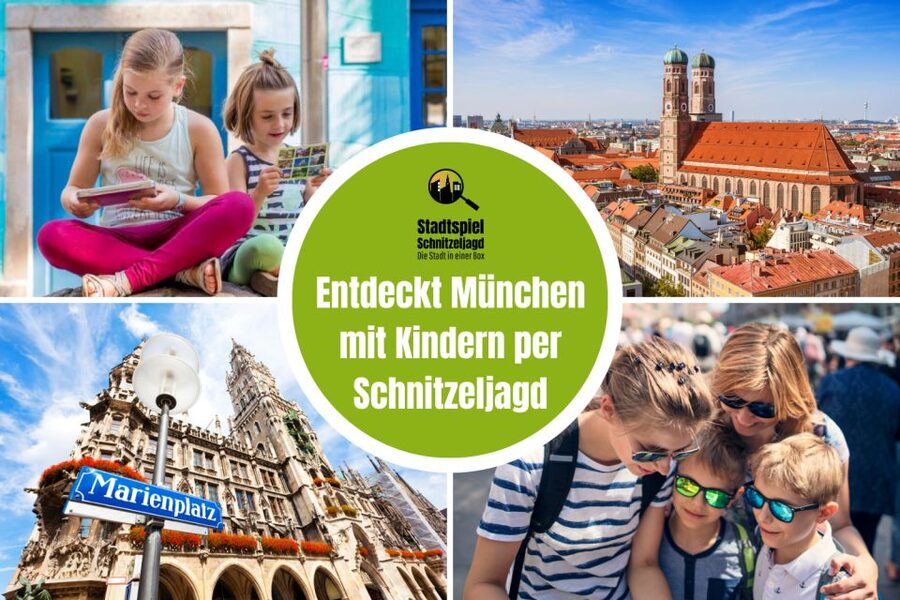
I like Munich for many reasons, but with kids, the usual sight-hopping can turn into a shuffle. This scavenger hunt avoids that problem by turning the walk into a series of mini missions. You’re always doing something. Kids get the fun, adults get the context.
The structure is simple. You’ll use puzzle and clue content from the eight numbered envelopes to move sight to sight through Munich’s historic center. Each envelope includes riddles, directions, and information, plus kid-friendly facts meant to keep attention where it belongs. The result is a city walk that feels purposeful instead of repetitive.
The best part is that you’re not tied to a strict group schedule. You can start at your chosen time window on your chosen date, and you can pause as needed. When you travel with children, that matters more than people admit. A small delay for a snack or bathroom break doesn’t break the plan.
Starting at Stachus: getting oriented fast
Your hunt begins at Stachus, the large central square in Munich. This is a smart choice for families. It’s a natural starting hub, so you’re not hunting for a remote meeting spot while everyone is hungry and impatient.
There’s also no guide waiting at the start. That might sound intimidating, but it actually helps you relax. You’re basically launching your own family adventure: open the first envelope, read the directions, and start moving.
If you want this to feel smooth, treat the first 10 minutes like a warm-up. Get everyone in comfortable shoes. Open only what you need right away. Have one adult handle the envelope reading, if that’s easier, and let the kids take turns solving parts of the riddle. You’ll find that role-sharing keeps momentum.
One practical tip: build in a little buffer for your first transition. The hunt is self-guided, so you’ll get the best experience when you let the first envelope do its job—helping you get your bearings in the center before you speed up.
Wheelchair accessibility is listed for this activity, which is good to know. Since your route is walking-based and self-paced, you can move at the pace that works for your group.
Frauenkirche: turning Munich’s symbol into a clue
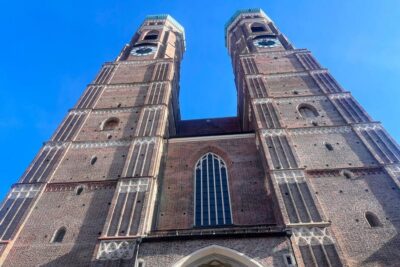
One of the anchor sights is the Frauenkirche, described in the hunt materials as the symbol of Munich. That alone tells you what kind of stop this is. It’s not a random landmark. It’s the kind of place that helps kids understand the idea of identity—how a city can be represented by one recognizable landmark.
What makes it work in this format is the way the hunt cues your attention. You don’t just arrive and wander. You solve a riddle and get directions and information tied to that stop. So when you’re standing there, the clues act like a flashlight: they point your eyes toward what matters for that particular leg.
A drawback to expect here is also simple. Since the hunt is puzzle-driven, kids may want to read and solve longer than adults expect. That’s usually a good thing. But if you’re hoping for a quick photo stop and move-on speed, plan for some time spent “thinking in place.”
Still, this stop has a win for everyone. Adults get a structured way to learn what the materials want you to know about Munich’s symbol. Kids get the satisfaction of feeling like they’re discovering something, not being told something.
- From Munich: Neuschwanstein & Linderhof Castle Full-Day Trip
★ 4.6 · 14,646 reviews - Neuschwanstein & Linderhof Castle-Fairytale Day Tour from Munich
★ 4.5 · 7,275 reviews - Munich: Third Reich & WWII Walking Tour
★ 4.6 · 6,181 reviews
Marienplatz and the town halls: old Rathaus meets new Rathaus
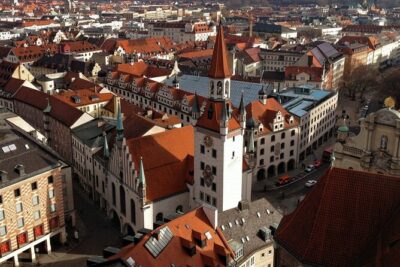
Next you’ll head to Marienplatz, where both the old (Altes Rathaus) and new town halls (Neues Rathaus) are located. Having those two together is perfect for a scavenger hunt, because it naturally sets up contrast. Even without complicated explanation, the names do some teaching for you: old versus new, and how civic buildings can anchor a city’s story.
In practice, you’ll use additional envelope clues to navigate between your “missions” around this area. Expect the content to mix directions with information and kid-friendly facts. That combination is valuable because it prevents the common “sightseeing sandwich” problem: kids get bored if it’s all looking, and adults get frustrated if it’s all guessing. Here, the puzzle and the learning are tied together.
If you’re traveling with mixed ages, Marienplatz is a strong choice. One adult can read the riddle, but kids can still participate by solving logic bits or choosing among options. A review score around the idea that a wide age range found the experience interesting makes sense here. This kind of central landmark area supports that.
Time-wise, Marienplatz also works well because it gives you space to pause. The hunt specifically allows you to stop at any time for photos and breaks. So if your group needs a reset, this is a reasonable place to do it without losing the storyline.
Viktualienmarkt: a market stop that feels like play

The hunt includes a stop at the Viktualienmarkt, described as a popular gourmet food market. This is a smart addition to a kid-focused city game. After enough puzzles, kids often need a sensory change—something visual, something lively, something where they can naturally ask questions.
Here’s how the hunt structure helps: you’ll move into the market area with directions and riddles from the envelope system, so you’re not just wandering. You have a reason to look around and pay attention, while still being in a place that invites curiosity.
It’s also practical because the hunt doesn’t require you to buy food as part of the activity. Food and beverages aren’t included, so you can decide what makes sense for your family. If you want to grab something, you can. If you don’t, you’re still doing a sightseeing walk with a meaningful final (or near-final) stop.
One more consideration: market areas can be busy, depending on the time of day. Because this is self-paced, you can slow down or pause as needed. That’s one of the best design choices of this tour style.
How the envelope system keeps families moving
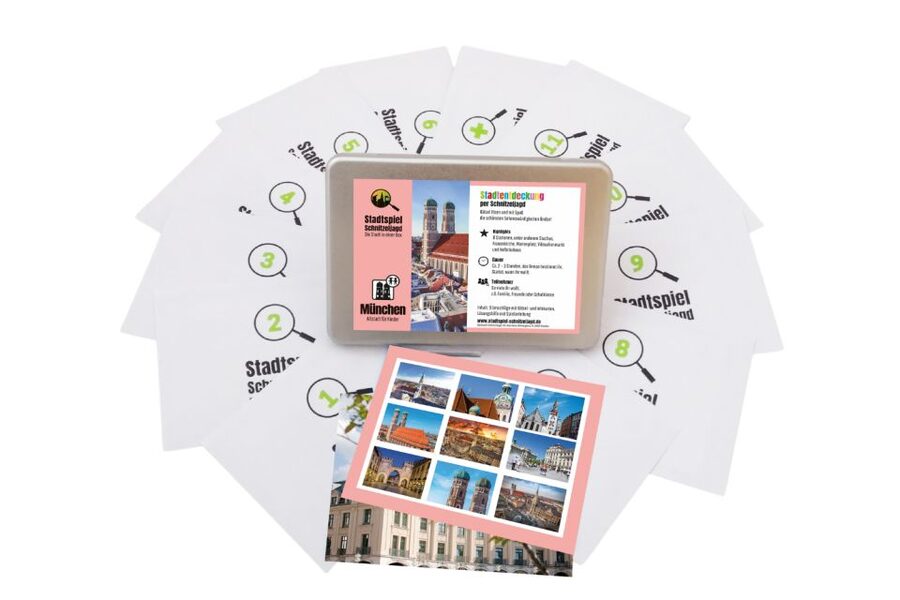
The core of the experience is the box you receive by mail: a scavenger hunt box that includes shipping, with the materials needed for the day. Inside you’ll find eight envelopes containing riddles, directions, information, and kid-friendly facts. There’s also an emergency envelope with all solutions.
That “emergency envelope” is more than just a safety net. It changes the experience from stressful to manageable. With a traditional self-guided route, getting stuck usually means backtracking or giving up. Here, if the group can’t make progress, you’re able to keep moving and finish the hunt. It keeps the adventure from turning into an argument over one clue.
The hunt format also naturally creates checkpoints. Each envelope is a new “chapter,” which helps kids stay engaged. Adults benefit too, because it prevents the common problem of wandering without a plan. Even if you’re not a big puzzle person, you’ll still follow the route because the next envelope tells you where to go and what to do next.
Also, because there’s no guide included, the success of the day depends on how you run the game at your pace. I recommend treating one person as the clue manager and giving kids the freedom to solve. It keeps the energy positive.
Time and pace: 150 minutes that you can stretch
The total duration listed is 150 minutes. That’s a helpful target, but the bigger value is that you can slow down. The hunt specifically gives you the option to pause the game at any time to take a break or take photos.
For families, this is key. Kids don’t move linearly through time. They stop. They ask. They need water. A flexible structure turns the schedule into a guide rather than a rule.
If you have younger kids or a slower group, plan on using those pauses intentionally. Build in a break around one of the central landmark areas—Stachus for a quick reset early, Marienplatz for a mid-route breather, and Viktualienmarkt when everyone needs a sensory change.
If your group is older and puzzle-friendly, you can keep a steady rhythm. You’ll still appreciate the envelope checkpoints, but you won’t feel forced to linger at every stop.
Price and value: $47 per group up to 10

At $47 per group (up to 10 people), this is priced like a family activity rather than a per-person tour. That matters because families are often the ones who feel priced out when costs add up. Here, you pay for the hunt experience and the materials, not for every adult and child separately.
Value comes from two places:
First, you get a structured sightseeing route to multiple major landmarks—Frauenkirche, Marienplatz, and Viktualienmarkt—plus the in-between guidance so you’re not improvising your own plan.
Second, you get the hunt box shipped to you, including shipping in the price. That’s a real convenience factor because you don’t have to print anything or assemble materials on the fly.
One more value point: there’s no guide fee included, which keeps the price down. You’re paying for the design of the experience, not a person’s time. If you’re comfortable with self-guided travel, this setup makes the hunt feel like good money for your day.
Who this fits best (and who might want a tougher challenge)
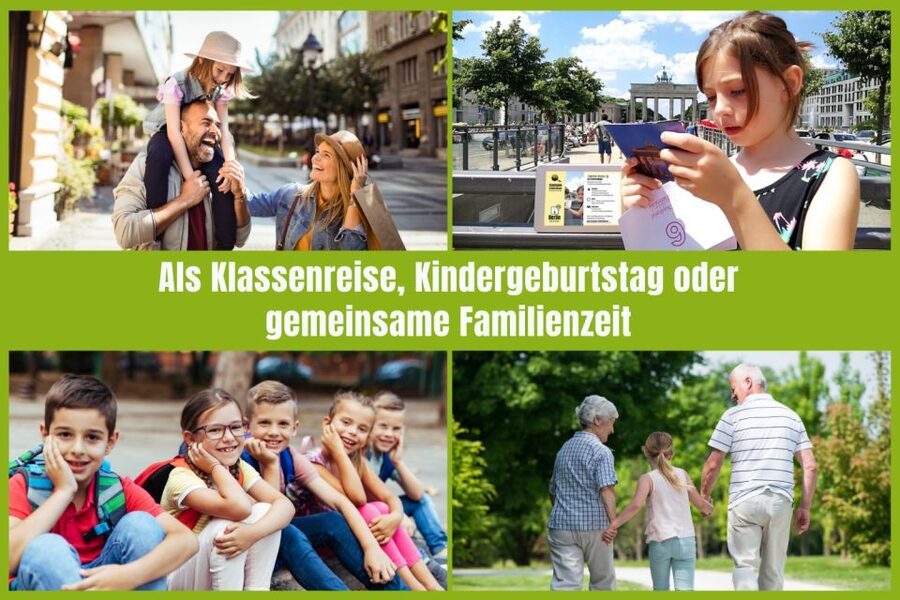
The activity is described as perfect for families with children between 6 and 12. That age range lines up with the way the puzzles are likely intended: enough to be fun and rewarding, not so hard that kids get stuck for long stretches.
This is where real-world feedback can help you decide. In one case, a group with children and adults spanning ages 7 to 58 found it engaging for everyone. That suggests the experience isn’t just for kids—it can be a shared activity that keeps adults interested too.
Another review raised a valid consideration: if your children are around 10 to 12, the riddles may feel a bit light. That doesn’t mean it won’t be enjoyable. It means the puzzle difficulty might not satisfy kids who love brain-bending challenges.
A third review highlighted success with kids ages 10 and 13, who loved the mix of information, play, and sightseeing. So the outcome seems to depend on your child’s personality: puzzle-curious kids tend to have fun, while puzzle-hardened kids might wish for harder riddles.
My practical suggestion: if your kids are average puzzle solvers and enjoy exploring, book it. If you have very competitive puzzle kids who finish escape-room style challenges quickly, you might still enjoy it for the sightseeing structure, but expect more of a guided scavenger game than a tough brain workout.
Practical tips to make the hunt feel easy
This tour is simple on paper, but you’ll have a better day with a few small choices.
Bring comfortable shoes. You’re walking a route through central Munich, and 150 minutes adds up faster than you think.
Bring the game box. You’ll need the mailed scavenger hunt materials with you. There’s no guide to hand you anything at the meeting point.
Plan for photo stops. The hunt is designed so you can pause at any time for photos. That means you don’t have to choose between puzzle time and camera time. Just be deliberate: pause, snap, then get back to the next envelope mission.
Use an adult clue-reading system. Since envelopes contain riddles and directions, one person can read aloud while kids solve parts. You’ll avoid the common family friction of too many people talking at once about the same clue.
And if you get stuck, use the emergency envelope rather than turning the hunt into a long debate. The emergency solutions are there to keep you moving and to protect the fun.
Should you book this Munich scavenger hunt?
I’d book it if you want a family day that feels like sightseeing plus play, not sightseeing plus whining. The envelope system turns major sights—Frauenkirche, Marienplatz with Altes Rathaus and Neues Rathaus, and Viktualienmarkt—into a sequence of achievable missions. The self-paced nature is a huge win for families because you can pause for photos and breaks without losing the plot.
I would think twice if your kids are puzzle-maxed and need serious challenge. The hunt is designed for ages 6 to 12, and some children around 10 to 12 may find the riddles easier than expected. You’ll still get value from the structure and sights, but it may not feel like a “big brain” activity.
If you’re traveling with a mixed-age group, though, this kind of shared mission works well. It can keep adults learning and kids engaged at the same time.
If that matches your family style, this is a practical, good-value way to experience Munich’s old town on your own schedule.
FAQ
How long is the Munich scavenger hunt?
The duration is listed as 150 minutes.
Is there a guide on the tour?
No. There is no guide at the meeting point. You start on your own using the scavenger hunt box.
Where does the hunt start?
It begins at Stachus, the large square in the center of Munich.
How do we know where to go next?
You follow instructions inside numbered envelopes. Each envelope includes riddles, directions, and information.
What sights are included?
The hunt includes the Frauenkirche, Marienplatz (including Altes Rathaus and Neues Rathaus), and the Viktualienmarkt, plus the route through Munich’s historic center starting from Stachus.
What’s included in the price?
You receive a scavenger hunt box (including shipping) with 8 envelopes containing riddles and directions, plus an emergency envelope with solutions.
What is not included?
A guide, food and beverages, entrance fees, and transportation tickets are not included.
How do we get the materials?
The scavenger hunt box is shipped to you by mail. Shipping within Germany can take up to 4 working days, and it’s shipped at the earliest 2 weeks before your selected date.
Can we start at any time?
Yes. You can start on any date and at any time you wish, as long as you have received the box.
More Self-Guided Routes in Munich





Just added to the Munich Explorer notebook




Self-Guided Tours, compared.
 ★ 4.4Neuschwanstein Castle Skip-the-Line Ticket with Audio GuideFrom $511,388 reviews
 ★ 3.9Füssen: Neuschwanstein Castle Express Ticket and Audio GuideFrom $50788 reviews
 ★ 3.5Neuschwanstein Castle Ticket With Audio Guided TourFrom $54473 reviews
 ★ 4.0Ghosts of Munich: The Haunted Apprentice Exploration GameFrom $719 reviews
 ★ 4.5800 Years of History: A Munich GPS Audio TourFrom $912 reviews
 ★ 4.5Munich Scavenger Hunt and Sights Self-Guided TourFrom $138 reviews
 ★ 4.5Legendary Breweries of Munich: Self-Guided Puzzle WalkFrom $77 reviews
 ★ 4.2Self-guided sightseeing scavenger hunt for familiesFrom $476 reviews
Browse the lists this tour appears in