
Reviewed · OPEN-TOP SIGHTSEEING BUSES
Munich: Official City Card for Public Transport & Discounts
Munich is easy when tickets are pre-sorted. This card bundles public transport coverage with a digital ticket you get by email, plus discounts up to 70% at a long list of sights. One thing to keep in mind: at some attractions, staff may not apply the discount as smoothly as you’d expect, so you should be ready to show the card and confirm.
The value here is simple: if you’re planning to ride transit often and you want museum-and-palace type stops, you can move around without constant ticket-buying. You’ll also choose how much ground you cover, since the pass comes in options for Munich’s inner area or the broader M-6 zone.
If your plan is only one or two casual stops, this kind of pass can feel like paying for rides you don’t fully use. Still, for active sightseers, it’s a practical way to keep Munich logistics under control.
In This Review
- Key things to know before you use your Munich City Card
- What the Munich City Card actually gets you
- Price and value: when $19 makes sense
- City vs M-6: decide how far your days reach
- A practical way to plan your sightseeing days
- Discounts that can change the math at major Munich stops
- Deutsche Museum
- Lenbachhaus
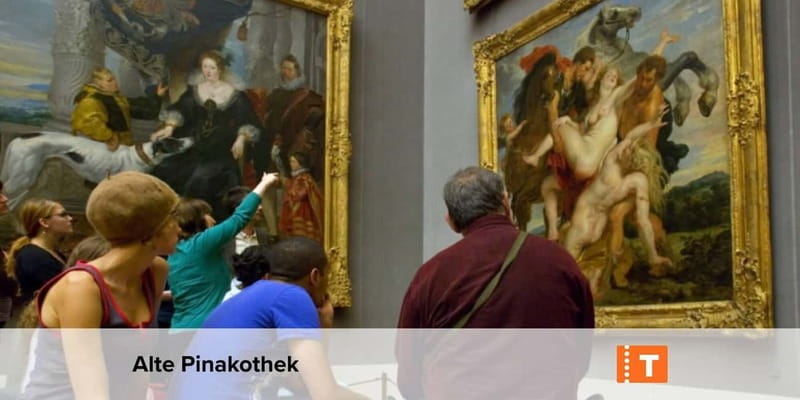
- Pinakothek der Moderne
- Residence museum
- Münchner Stadtmuseum
- Lustheim castle
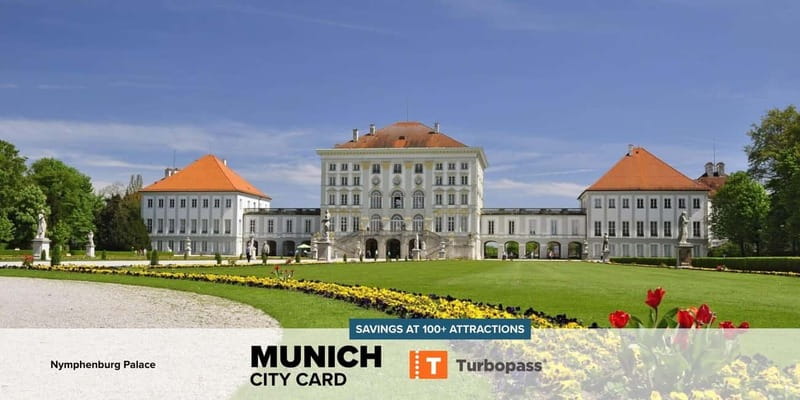
- Nymphenburg Palace
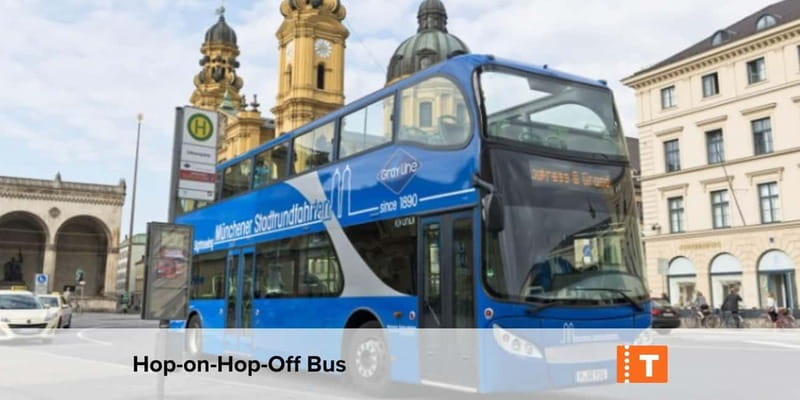
- Hop on Hop Off bus
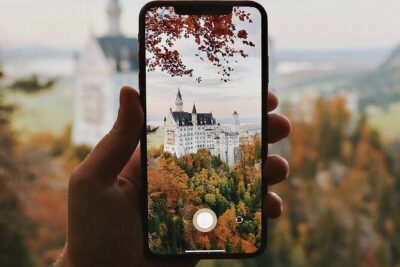
- Castle Neuschwanstein tour
- Getting the card: digital on purpose, but be ready
- Using a group ticket without getting caught by the fine print
- What could go wrong (and how I’d prevent it)
- Who this pass fits best
- Should you book the Munich City Card?
- FAQ
- How long is the Munich City Card valid?
- Which areas does the transportation ticket cover?
- What public transport can I use with the City Card?
- Do I need to meet someone to get the City Card?
- Is the City Card digital or paper?
- Are children allowed for free?
- Can I use group tickets, and are there rules?
Key things to know before you use your Munich City Card

- Transit options are broad: S-Bahn, subway, bus, tram, and regional trains are covered with your card.
- You choose the right coverage: pick Munich inner area or the M-6 area (includes the airport, Starnberger Lake, and Dachau).
- Validity is flexible: buy a ticket for 1, 2, 3, 4, or 5 days.
- Discounts apply across lots of sights: you can use the pass for attractions including the Castle Neuschwanstein tour, Deutsche Museum, and Nymphenburg Palace.
- It’s digital, so charge your phone: the City Card and transport ticket arrive by email.
- Group rules matter: group tickets are for named people, and the pass has specific child/age counting rules.
More open-top loops around the sights
- Munich Hop-On Hop-Off Tour: 1-Day or 2-Day Ticket★ 4.3 · 4,161 reviews
- Munich: Old Town & Viktualienmarkt City Walk in German★ 4.7 · 2,304 reviews
- Munich: City Bus Tour & FC Bayern Munich Allianz Arena Tour★ 4.5 · 2,071 reviews
- Munich City Hop-on Hop-off Tour★ 3.5 · 1,233 reviews
What the Munich City Card actually gets you
This isn’t just a discount voucher. You’re getting two things in one: a public transportation ticket plus discount access for up to 100 attractions.
For transit, the City Card works on Munich’s main rail and surface systems: S-Bahn, subway, bus, and tram, plus regional trains. That means you can mix-and-match how you get around, instead of forcing yourself into one route style.
On the discount side, you’re looking at offers said to reach up to 70%. The important practical point is not the maximum number—it’s that the list includes major museum and palace-style destinations, so there’s a good chance you’ll have at least a few stops where the discount offsets your pass cost.
Price and value: when $19 makes sense
The listing price shown is $19 per person, and that’s where you should do the quick math based on your plan. If your trip involves frequent rides plus multiple paid attractions, this card can pay off fast because it covers transport and gives you discounts at more than a handful of places.
Where it can fall short is if you mostly walk, do one museum, and call it a day. Since the transport component is a core part of the deal, a light-use itinerary tends to dilute the value.
The upside is you don’t have to over-commit on day one. You can pick a 1–5 day ticket length that matches your actual schedule, rather than buying something for a longer stay.
Also, this pass is rated 4.3 out of 5 based on 184 reviews. That’s not magic, but it suggests a lot of people find it useful, especially for convenience.
City vs M-6: decide how far your days reach
One of the smarter choices in this pass is the coverage area. You can pick either:
- Munich inner area, or
- M-6 area, which includes the airport, Starnberger Lake, and Dachau.
This matters because your “best day” in Munich can stretch beyond the city center. If you plan to use transit to reach the airport area, head toward Dachau, or make time for the Starnberger Lake area, the M-6 option is the one that keeps you from piecing together extra tickets.
If your itinerary stays central—museum days, palace days, and shorter hops—Munich inner area can be the cleaner fit. The key is choosing early, because it affects what your pass can cover on the days you go out.
- From Munich: Neuschwanstein & Linderhof Castle Full-Day Trip
★ 4.6 · 14,646 reviews - Neuschwanstein & Linderhof Castle-Fairytale Day Tour from Munich
★ 4.5 · 7,275 reviews - Munich: Third Reich & WWII Walking Tour
★ 4.6 · 6,181 reviews
A practical way to plan your sightseeing days

This card doesn’t hand you a fixed tour schedule. Instead, it gives you the freedom to build your own days around places that are on the discount list—and around transit rides that the pass already supports.
Here’s a practical approach I’d use:
Morning: pick a cluster. In Munich, that often means museums on the same broad run of sightseeing. With your card, you can take the subway/S-Bahn or surface lines without stopping to buy separate tickets.
Midday: switch to something larger-ticket where a discount helps you feel the pass was worth it—think one of the big named museums or a palace stop.
Afternoon: keep moving with the tram or bus if that gets you closer to your next spot. The pass is designed for that “ride, stop, ride again” rhythm.
If you want a day trip, build it around the one big item on your list that’s explicitly called out: the Castle Neuschwanstein tour. Use your discount there and then structure the rest of your day around staying flexible.
Discounts that can change the math at major Munich stops

The pass lists discounts for a set of attractions that cover a mix of interests. The goal isn’t to hit every one—it’s to choose the ones you’d actually pay for.
Here are the specific attractions named in the discount list, and the practical reason each one matters for your planning:
Deutsche Museum
This is the kind of paid attraction that can take a chunk out of a budget. Having it on the discount list means you can justify a longer visit without feeling like you’re racking up costs at every stop.
Practical tip: if a discount isn’t applied at checkout, don’t guess your way through it. Show the card clearly and ask the staff to check it on their side.
Lenbachhaus
Museums are perfect matches for a transit-and-discount pass because they’re usually easier to group into a day. With your card covering rides on tram/subway/S-Bahn, you can move between museums without separate ticket purchases.
Pinakothek der Moderne
Another museum option on the list. I like having multiple museum choices under one pass because it gives you backup plans if you get tired, change weather plans, or shift your pacing.
Residence museum
If you’re aiming for a “palace meets history” day type of itinerary, this one is part of the discount set. It’s also the sort of stop where you’ll likely pay an admission fee, which is where the pass can actually lower your total.
Münchner Stadtmuseum
This adds another museum anchor to your day-building. The value here is timing flexibility: you can choose which museum slot feels best once you’re on the ground, since your transport is already handled.
Lustheim castle
This is one more named option that fits well if you want your itinerary to include something beyond the core museum block. Since the card includes transport coverage, you can focus on getting there efficiently rather than managing multiple tickets.
Nymphenburg Palace
This palace stop is explicitly listed as a discount option. For many people, a palace visit is a main event, so it’s worth checking that the discount works at the ticket desk the way you expect.
Hop on Hop Off bus
This is a nice match for travelers who want a less concentrated routing day. Since it’s on the discount list, you can consider it as a way to see more while keeping your feet less busy.
Castle Neuschwanstein tour
This is the big out-of-town named item in the discount set. If you’re set on doing Neuschwanstein during your stay, the pass gives you a way to apply the discount to the tour itself.
The main consideration: tours can come with timing constraints, so don’t build a schedule that leaves zero wiggle room. Keep your other sightseeing flexible so one change doesn’t throw the whole day off.
Getting the card: digital on purpose, but be ready
There’s no meeting point. You’ll receive your digital City Card and public transportation ticket via email.
That’s great for convenience, and it also means you need basic prep. You should arrive with a charged smartphone, because you’ll use the digital card for access and ticket use.
If you’re the type who waits until the last minute to charge devices, this is your reminder to fix that habit before you head out.
Using a group ticket without getting caught by the fine print

If you travel with others, the pass has specific group rules. Group tickets are for groups of up to 5 adults, and the child math is unusual: two children ages 6–14 count as one adult for group ticket pricing.
Most important: if you select a group ticket, you need to travel with the people who are named on the public transportation group ticket. If you don’t, you can run into trouble.
So if you’re traveling with friends or a mixed-family group, do yourself a favor: make sure names and ages are correct before you depart.
What could go wrong (and how I’d prevent it)
The most common frustration risk isn’t the pass itself—it’s human process at individual attractions.
One review issue pointed out that some attraction staff either didn’t know about the discount or didn’t apply it. That means you should treat discount use like customer service work, not magic.
My simple approach:
- Have your City Card accessible on your phone.
- Be ready to show it right at ticket time.
- If it doesn’t apply automatically, ask politely if they can apply the discount.
It’s also smart to keep expectations realistic. Not every venue will run like a machine, even if the discount is listed.
Who this pass fits best

This City Card is strongest for people who:
- plan to use public transport multiple times a day,
- want to visit several named museums or palace-type attractions,
- like the freedom to build your own days instead of booking every single ticket separately,
- want an easy way to handle transit in central Munich and possibly the wider M-6 region.
It’s less ideal if you’re staying put in one neighborhood and walking everywhere. If you won’t ride transit much, the “transport ticket” portion becomes less valuable.
It also works well for wheelchair-accessible travel because the pass is labeled wheelchair accessible—but always remember that venue access can vary by location.
Should you book the Munich City Card?
Book it if your trip includes several paid sights from the discount list (think museums and palace days) and you expect to ride transit enough that buying single tickets would get annoying fast. The digital setup by email is also a big plus once you arrive with a charged phone.
Skip it or rethink your coverage choice if you’re mostly doing free sights, walking short distances, or only planning one museum stop. In those cases, the transport and discount math likely won’t feel worth it.
If you do book it, your best strategy is simple: pick the right coverage area (Munich inner vs M-6), choose a ticket length that matches your real days, and be proactive at attractions when discounts don’t apply automatically. With that approach, the pass earns its keep fast.
FAQ
How long is the Munich City Card valid?
It’s valid for 1 to 5 days, depending on the ticket option you choose.
Which areas does the transportation ticket cover?
You can choose either Munich inner area or the M-6 area, which includes the airport, Starnberger Lake, and Dachau.
What public transport can I use with the City Card?
You can use the card on S-Bahn, subway, bus, tram, and regional train services.
Do I need to meet someone to get the City Card?
No. There is no meeting point. You receive your digital City Card and transport ticket via email.
Is the City Card digital or paper?
It’s digital. You’ll need a charged smartphone to access it.
Are children allowed for free?
Yes. Kids younger than 6 can travel for free on public transportation.
Can I use group tickets, and are there rules?
Yes. Group tickets are for groups of up to 5 adults, and the pass includes specific child counting rules (two children ages 6–14 count as one adult). If you buy a group ticket, you need to travel with the people named on the group ticket.
More Hop-On Hop-Off Loops in Munich





Just added to the Munich Explorer notebook





Open-Top Sightseeing Buses, compared.
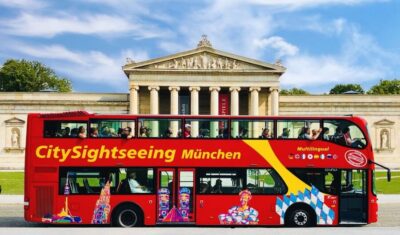 ★ 4.3Munich Hop-On Hop-Off Tour: 1-Day or 2-Day TicketFrom $274,161 reviews
 ★ 4.7Old Town & Viktualienmarkt City Walk in GermanFrom $232,304 reviews
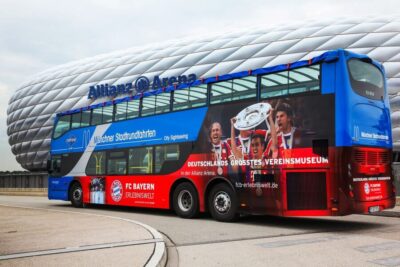 ★ 4.5City Bus Tour & FC Bayern Munich Allianz Arena TourFrom $602,071 reviews
 ★ 3.5Munich City Hop-on Hop-off TourFrom $311,233 reviews
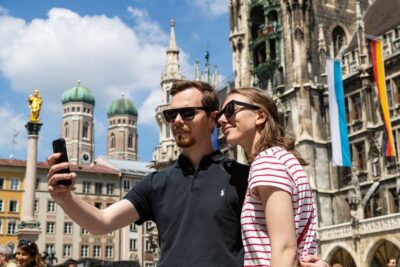 ★ 4.0Big Bus Hop-On Hop-Off Tour by Open-Top BusFrom $271,110 reviews
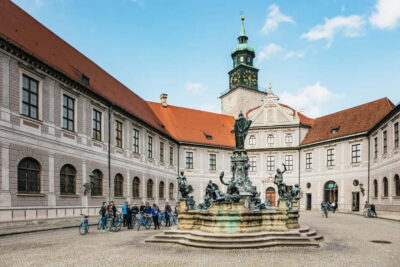 ★ 4.7Guided City Tour by Bike with Beer Garden StopFrom $53604 reviews
 ★ 5.0Munich City Walking Tour, includes Third Reich & ViktualienmarktFrom $31458 reviews
 ★ 4.0Hop-On Hop-Off Tour CitySightseeing MunichFrom $28309 reviews
Browse the lists this tour appears in