
Reviewed · OPEN-TOP SIGHTSEEING BUSES
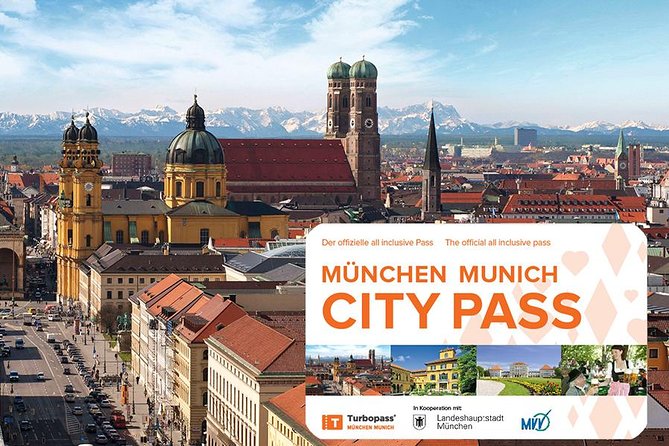
Munich City Pass: Admission to 45 activities and Public Transport
Forty-five sights for one price. I like how this Munich City Pass gives you choice across 1 to 5 days, with public transport to stitch everything together. I also enjoy that it cuts the hassle of ticket lines at big-name museums. One watch-out: you still need to plan, because a few guided or timed add-ons may require you to book in advance yourself.
I’m a big fan of “pick your own day” travel. This pass works that way, with a mix of art, palaces, science, history, and a couple of fun extras like a giant observation wheel. It’s offered in English, and the experience is kept to a maximum group size of 15 for any parts that run as a group.
In This Review
- Key points that matter before you buy
- Price and pass math: when $48 makes sense in Munich
- Getting around Munich with included S-Bahn/U-Bahn access and the 7-stop loop
- Art and museum power: from Alte Pinakothek to the Pinakothek der Moderne
- Alte Pinakothek
- Bavarian National Museum
- Glyptothek
- Haus der Kunst
- Kunsthalle Munich
- Lenbachhaus
- Sammlung Schack
- Neue Pinakothek (listed as closed for renovations)
- Pinakothek der Moderne
- Museum Brandhorst
- Museum Villa Stuck
- Valentin-Karlstadt-Musäum
- Munchner Stadtmuseum
- Jewish Museum Munich
- Palaces, parks, and Nymphenburg: where the pass feels like a day out
- Schloss Schleissheim
- Botanischer Garten München-Nymphenburg
- Marstallmuseum
- Amalienburg, Pagodenburg, and Badenburg Palace (the park castles)
- Nymphenburg Palace
- Residenz Museum
- Lustheim Palace (Meissen porcelain)
- Ruhmeshalle and Bavaria
- Science and aviation at Deutsches Museum and beyond
- Deutsches Museum
- Deutsches Museum Verkehrszentrum
- Flugwerft Schleissheim
- Deutsches Theatermuseum
- Culture and meaning: history museums, world collections, and Egyptian art
- NS-Dokumentationszentrum München
- Munich’s Egyptian Museum
- Museum Fünf Kontinente
- Museum Mensch und Natur
- Museum Reich der Kristalle
- Staatliche Münzsammlung München (coins)
- City icons, towers, and classic Munich theater moments
- Cuvilliestheater
- New Town Hall (Neues Rathaus)
- Olympiapark, including the Park Railway
- SEA LIFE Munich
- Umadum das Munchner Riesenrad
- FC Bayern Museum
- Bavaria Filmstadt
- A quick guide to building smart days (so you don’t burn out)
- Should you book the Munich City Pass?
- FAQ
- How many attractions does the Munich City Pass include?
- How long is the pass valid?
- What is the price of the pass?
- Is the pass available in English?
- Does it include public transport in Munich?
- Is Deutsche Museum included?
- Are there hop-on-hop-off transport options included?
- Do I need to book anything in advance?
- What is the cancellation policy?
Key points that matter before you buy
- Pick 1–5 days to match your schedule instead of paying for a longer stretch you might not use.
- Public transport included (inner or entire area M-6, depending on the option you select), so museum-hopping doesn’t turn into a taxi budget.
- 45+ admissions spread across centuries of art, major institutions, and a few quirky stops.
- Hop-on-Hop-off Express Circle (7 stops) is included for quick orientation and smoother transfers.
- Good mix of classics and variety: European painting, Greek vases, natural history, coins, space and aviation—plus FC Bayern.
- One notable snag: Neue Pinakothek is listed as closed for renovations until 2025.
More open-top loops around the sights
- Munich Hop-On Hop-Off Tour: 1-Day or 2-Day Ticket★ 4.3 · 4,161 reviews
- Munich: Old Town & Viktualienmarkt City Walk in German★ 4.7 · 2,304 reviews
- Munich: City Bus Tour & FC Bayern Munich Allianz Arena Tour★ 4.5 · 2,071 reviews
- Munich City Hop-on Hop-off Tour★ 3.5 · 1,233 reviews
Price and pass math: when $48 makes sense in Munich
The price here is $48 per person, with a pass duration you can choose from 1 to 5 days (about). The “win” is that you’re not paying $48 for one museum. You’re paying for admission to a large stack of places, plus transport help. That’s why this can work even if you’re not a hardcore museum person.
To judge value fast, I use a simple test: if you plan to hit at least a few paid attractions during your time in Munich—and you’ll ride the transit more than once—this kind of pass usually earns its keep. The reviews back that up, including the idea that it can save money on both admissions and getting around.
Also, this pass is especially useful if you like to rearrange plans day-to-day. Munich days can change fast, depending on weather or your energy level. A flexible pass keeps you from feeling locked into one itinerary.
Getting around Munich with included S-Bahn/U-Bahn access and the 7-stop loop
Munich is very rideable. This pass includes free public transport for the inner or entire area (M-6), if you pick that option. In plain terms: you can hop between neighborhoods without constantly thinking about fares.
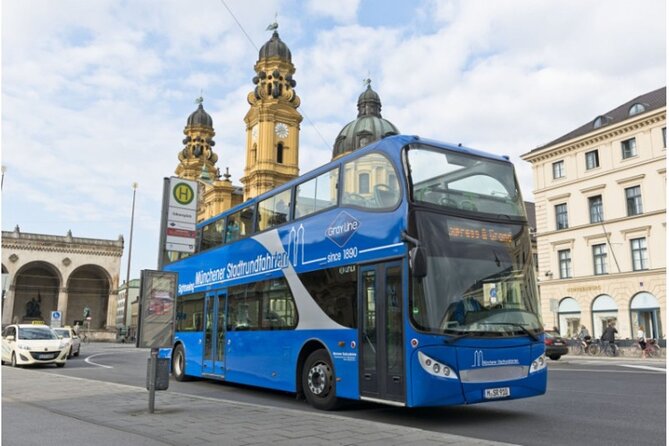
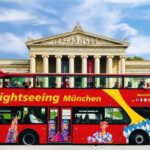
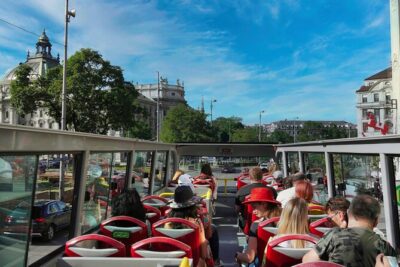
It also includes a 24-hour Hop-on-Hop-off Express Circle with 7 stops. I like these loops because they help you get your bearings quickly. Think of it as a transport shortcut plus a built-in “where things are” map—without you having to figure everything out on your first day.
One practical tip: use the transport days strategically. Put the far-flung stops on the days you’ll be moving around anyway, and save the dense museum clusters for slower mornings. That way you don’t waste your energy sprinting across town.
Art and museum power: from Alte Pinakothek to the Pinakothek der Moderne
Munich does old-master art well, and this pass lets you sample multiple heavy hitters.
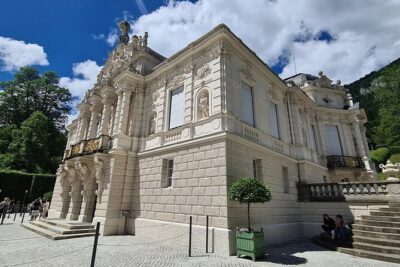
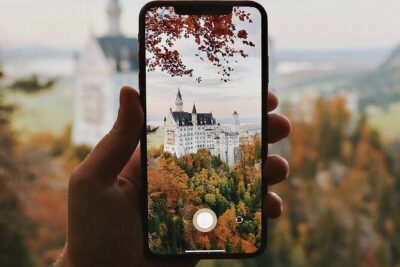
- From Munich: Neuschwanstein & Linderhof Castle Full-Day Trip
★ 4.6 · 14,646 reviews - Neuschwanstein & Linderhof Castle-Fairytale Day Tour from Munich
★ 4.5 · 7,275 reviews - Munich: Third Reich & WWII Walking Tour
★ 4.6 · 6,181 reviews
Alte Pinakothek
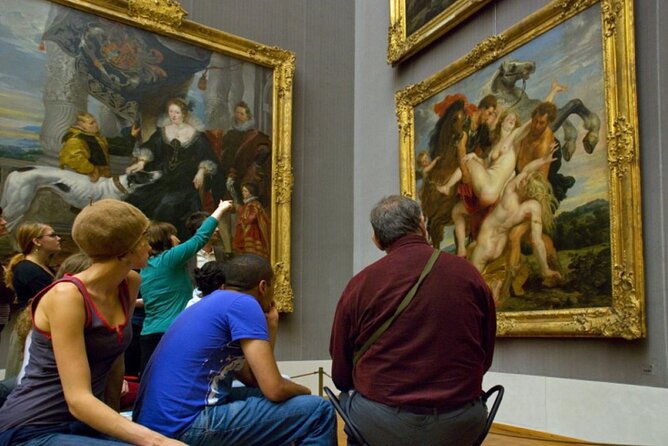
Start with Alte Pinakothek, built around European painting from the 14th to the 18th centuries. It’s the kind of museum where you can spend time just choosing a few rooms and going deep. The drawback is also familiar: it’s easy to get museum-fatigue if you try to cover too much in one day.
Bavarian National Museum
Next, the Bavarian National Museum is huge and wide-ranging. It’s described as appealing to almost every art lover because the collections cover different tastes, so it’s a solid pick if your group has mixed interests. The downside is size—go with a plan, or you’ll drift.
Glyptothek
At the Glyptothek, you’re looking at ancient art, with a standout Greek vase collection. If ceramics and sculpture are your thing, you’ll feel rewarded quickly. If you’re less into ancient material culture, pair it with a more contemporary stop later so the pacing doesn’t feel heavy.
Haus der Kunst
Haus der Kunst focuses on contemporary art. That makes it a good contrast to the older-school museum stops. If you’re sensitive to modern art that’s more conceptual than craft-based, treat this as a “see what’s on” stop, not a must-master plan for every visitor.
Kunsthalle Munich
Kunsthalle Munich is another art house with a range stretching from antiquity to the immediate present. It can work well as a breather between long museum days, because you can pick the sections you want. The trade-off: the broad scope means you might not connect with every wing.
Lenbachhaus
At Lenbachhaus, one theme is front and center: the blue riders. It’s described as the worldwide largest collection of that movement. If you like expressionism-era energy, this can be a highlight. If you don’t, use it as a “one strong wing” stop and move on.
Sammlung Schack
Sammlung Schack is smaller and centered on paintings by Franz von Lenbach. This kind of focused collection can be a relief after big institutions. The catch is that it may feel narrower in variety compared with the big galleries.
Neue Pinakothek (listed as closed for renovations)
The Neue Pinakothek is listed as closed for renovation works from January 1st 2019 until 2025. If your dates fall outside that window, you should treat this as a “check first” stop. Even if you plan around it, keep one alternate museum ready.
Pinakothek der Moderne
The Pinakothek der Moderne covers modern art and is described as one of Europe’s largest collection houses for that era. This is a strong pick if you want more scale and variety in contemporary formats. The downside is the same: it’s a lot of rooms, so don’t try to do everything unless you’re staying for multiple days.
Museum Brandhorst
Museum Brandhorst is known for a dramatic facade and a modern/contemporary mix. It’s a good choice when you want art that feels more current than the classic halls. Give yourself enough time to reset your eyes—modern art often needs a slower pace.
Museum Villa Stuck
Museum Villa Stuck is tied to Franz von Stuck, and the setting matters because it’s the house of one of Europe’s important artists. I’d use this as a “museum plus place” stop, since the building style and personal context can shape how you see the work.
Valentin-Karlstadt-Musäum
If you want a different tone, Valentin-Karlstadt-Musäum is quirky and original. Humor and odd corners often make a long pass feel more human. The only downside: it’s not everyone’s cup of tea, so treat it as a fun add-on, not a replacement for the major art blocks.
Munchner Stadtmuseum
Munchner Stadtmuseum near Viktualienmarkt is your Munich history snapshot. It’s a smart way to anchor all the museum time with a sense of how the city changed. The limitation: it won’t replace a full city history deep dive, so use it to contextualize the rest.
Jewish Museum Munich
Jewish Museum Munich takes a Jewish perspective on the city’s history. This can be a moving stop, and it also helps balance the art-heavy agenda. Plan emotional pacing—history museums are mentally heavier than galleries of painting.
Palaces, parks, and Nymphenburg: where the pass feels like a day out
Munich’s royal era isn’t just indoors. This pass also delivers gardens and palace complexes, especially around Nymphenburg.
Schloss Schleissheim
Schloss Schleissheim is split into two exhibition areas: the Ecumenical Collection of Gertrud Weinhold and Prussia’s Cultural History Collection. That combination of themes makes it more interesting than a standard palace tour. If you’re hoping for one single “palace vibe,” you might wish there were more consistent focus—but the exhibition variety helps.
Botanischer Garten München-Nymphenburg
At the Botanical Garden of Munich-Nymphenburg, expect fairytale flower fullness. This is the reset button after art galleries. The only caution: botanical gardens can eat time fast, especially when you start stopping for photos or lingering in sections.
Marstallmuseum
Marstallmuseum in Nymphenburg Palace focuses on carriages from the end of the 17th century to the end of the 19th century. It also includes exhibits from Germany, France, and England. If you enjoy design and engineering history, you’ll probably stick around. Otherwise, it may feel slow compared with a painting museum.
Amalienburg, Pagodenburg, and Badenburg Palace (the park castles)
These three—Amalienburg, Pagodenburg, and Badenburg—are grouped as park castles inside the Nymphenburg area. They’re ideal when you want variety without changing locations too much. The drawback is simple: you’ll need clear time slots, because you can burn an hour just moving between them plus taking in the setting.
Nymphenburg Palace
Nymphenburg Palace is the big anchor: a court refuge in Munich’s history. This is a “walk and look” stop where the atmosphere matters as much as the objects. If you rush, you’ll miss the palace scale—so don’t pair it with two other heavy indoor museums unless you’re prepared.
Residenz Museum
The Residenz Museum focuses on the treasury of the Munich Residence. That makes it a classic for visitors who like a high-end, objects-and-regalia vibe. Plan for a steady pace—treasure rooms can feel repetitive if you’re already museum tired.
Lustheim Palace (Meissen porcelain)
Lustheim Palace includes the Meissen porcelain collection. If you like fine craftsmanship, the variety of Meissen products is the point. The downside is that porcelain-focused collections can be visually similar, so break it up with a garden walk nearby.
Ruhmeshalle and Bavaria
The Ruhmeshalle area includes an 18-meter tall statue of Bavaria in front of the hall of fame. This is outdoors and photo-friendly, which helps you balance indoor museum days. The catch: it’s weather dependent. If it rains hard, you’ll want a backup indoor slot.
Science and aviation at Deutsches Museum and beyond
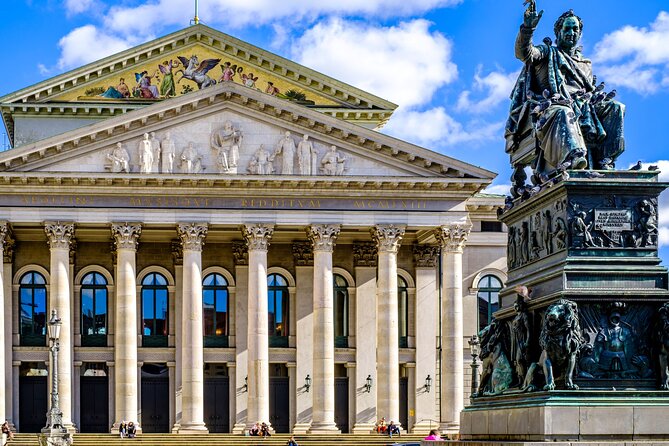
Munich earns its reputation with science museums, and this pass gives you more than one.
Deutsches Museum
The Deutsches Museum is described as one of the most traditional and largest science and technology museums in the world. That’s both a strength and a warning label. It can easily take a full day if you follow your curiosity. If you only have a couple hours, pick your themes in advance.
Deutsches Museum Verkehrszentrum
Deutsches Museum Verkehrszentrum brings you land vehicles and a unique collection focused on transportation. This is a great pairing with the main Deutsches Museum visit, especially if you like how machines connect to society. If you’re more “space and aviation” than “cars and trains,” you might want to prioritize Flugwerft instead.
Flugwerft Schleissheim
At Flugwerft Schleissheim, you’re in an aerospace setting: nearly 70 different exhibits over 8,000 m². It’s the sort of place where you can enjoy aircraft history without needing deep prior knowledge. The drawback is scale—like the bigger science museums, you can lose time quickly.
Deutsches Theatermuseum
The Deutsches Theatermuseum has special exhibitions regularly, but it doesn’t run a permanent display due to space restrictions. That means what you see depends on timing. If you hate uncertainty, check the schedule ahead of time once you have your dates.
Culture and meaning: history museums, world collections, and Egyptian art
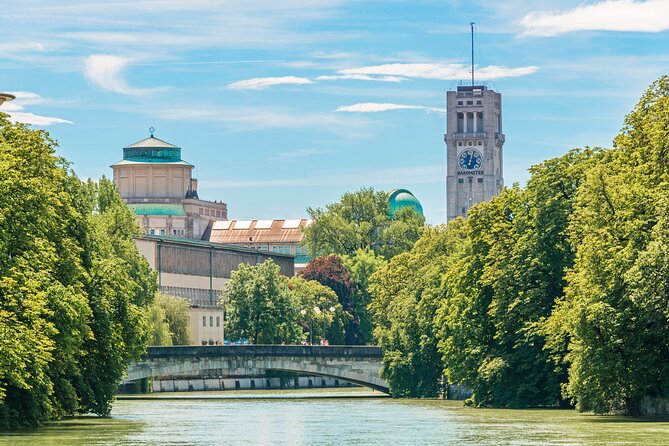
This part of the pass keeps things human and broad.
NS-Dokumentationszentrum München
The NS-Dokumentationszentrum München is a learning and remembrance space tied to Munich’s history and the consequences of Nazism and dictatorship. It’s an important stop, but it’s also emotionally serious. I suggest you pair it with lighter art afterward—or plan a calm evening so the message doesn’t follow you into sleep.
Munich’s Egyptian Museum
The Munich Museum of Egyptian Art covers 5,000 years of Egyptian culture and art. It’s a strong choice if you want a clear time-span and a structured museum experience. The limitation is time: Egyptian collections are deep, so two hours can feel like a sprint.
Museum Fünf Kontinente
Museum Fünf Kontinente is built around cultural riches from around the world. If you like global perspectives presented in museum format, this is a good anchor. The potential drawback is that a world-culture museum can feel broad, so focus on what you most want to learn rather than trying to cover everything.
Museum Mensch und Natur
The Museum Mensch und Natur is natural history. It’s the right kind of science break—more observational than technical. If you’re traveling with kids or you just want hands-on curiosity, this can fit nicely into your schedule.
Museum Reich der Kristalle
The Museum Reich der Kristalle (Realm of Crystals) is all about minerals—diamonds, emeralds, gemstones, and more. This is a “wow” stop because the subject is visually immediate. The trade-off is that it can be short on time if you don’t like close-focus display cases. Still, it’s a good palette cleanser between bigger museums.
Staatliche Münzsammlung München (coins)
The State Coin Collection of Munich includes more than 3,000 objects, with the oldest dating back to the third millennium BC. That’s a fascinating range, and it works well for travelers who enjoy design and objects with long timelines. The drawback: coin collections require a bit of attention to fully click.
City icons, towers, and classic Munich theater moments
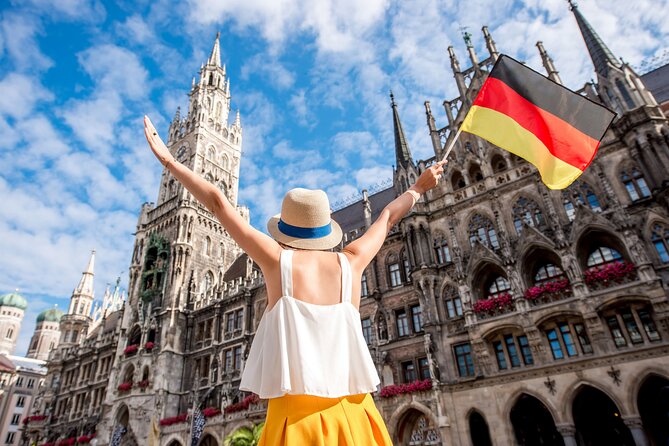
Now for the stops that help you feel the city.
Cuvilliestheater
The Cuvilliestheater is described as the most beautiful Rococo theater in Germany, with the note that Napoleon was already here to visit. This is one of those places where beauty is the whole point. If you only skim it, you’ll miss the charm, so give it your full focus for the time block.
New Town Hall (Neues Rathaus)
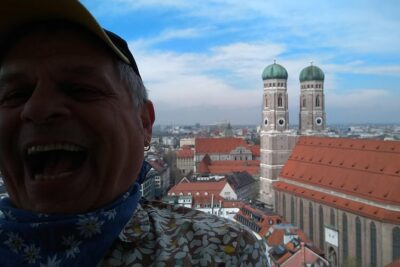
From the tower of the Neues Rathaus, you get breathtaking views over Munich. This is an easy win if you want photos and orientation. The only consideration: views depend on conditions and timing, so plan it for a time you can actually enjoy the skyline.
Olympiapark, including the Park Railway
Olympiapark includes the Park Railway. It’s a fun way to see the area without walking every step, and it breaks up the museum-heavy schedule. Pair this with a different kind of museum nearby so you don’t end up doing only “rides and roads” all day.
SEA LIFE Munich
SEA LIFE Munich is an aquarium in Olympiapark. It’s straightforward family-friendly fun, but adults often enjoy it too as a slow, relaxing pause. The downside is limited time: aquariums can be calming, so you might want a plan for how it fits with other major stops.
Umadum das Munchner Riesenrad
Take a ride on Umadum das Munchner Riesenrad, described as the biggest transportable giant observation wheel in the world. From above, it’s a classic way to get a bird’s-eye view without committing to a long hike. It works best when you time it for clearer light.
FC Bayern Museum
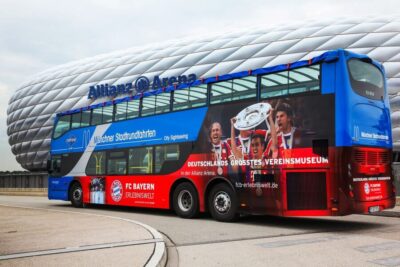
The FC Bayern Erlebniswelt at the Allianz Arena is Munich sports culture at full volume. It’s described as Germany’s biggest club museum, so even if you’re not a diehard, you’ll probably enjoy the scale. The trade-off is obvious: fans will love it more, while non-fans may treat it as a fun afternoon stop.
Bavaria Filmstadt
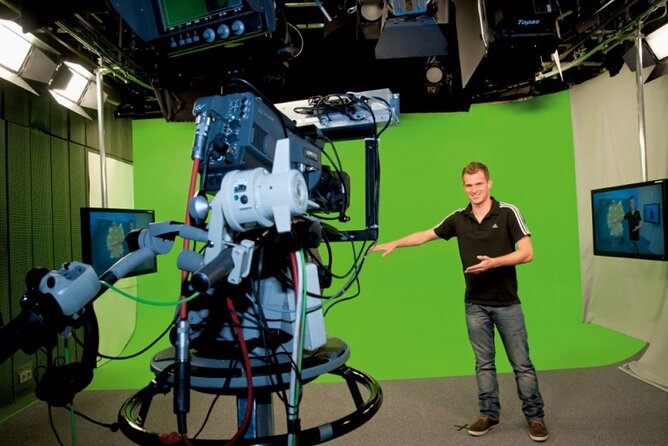
At Bavaria Filmstadt, you can see original scenes from big movies and famous TV highlights. It’s a good pick if your day needs entertainment energy rather than quiet museum time. If you prefer strictly historical content, you might find it lighter than the rest of the pass. Still, it’s a nice change of pace.
A quick guide to building smart days (so you don’t burn out)
With 45+ choices, the biggest risk isn’t missing a stop. It’s doing too much in too little time.
Here’s the rhythm I’d use:
- Start with a big anchor (one major museum or palace) early.
- Add one “special interest” stop later (crystals, coins, carriages, theater).
- Keep one evening flexible for views, wandering, or whatever feels right.
This approach matches the pass strength: you can pick what fits your energy without paying extra each time. And since parts may be booked in advance by you (for guided tours or specific activities), it’s smart to leave a little time to sort those details.
Should you book the Munich City Pass?
I think this pass is a strong buy if you want to pack real variety into a short Munich stay and you plan to use transit often. The combination of museum admissions, palace-and-garden stops, and the included transport makes it easier to create a good schedule without constantly calculating ticket prices.
I’d skip or reconsider if you’re the type who wants only one or two museums and spends most of your days roaming lightly. In that case, you might pay for more than you use. Also, pay attention to Neue Pinakothek being listed as closed for renovations until 2025, and plan a swap.
If you enjoy mixing art, history, and science—plus a little fun like the giant wheel or FC Bayern—you’ll likely get your money’s worth quickly.
FAQ
How many attractions does the Munich City Pass include?
The pass provides admission to more than 45 Munich attractions and activities.
How long is the pass valid?
You can choose a pass valid for 1 to 5 days, depending on your schedule and budget.
What is the price of the pass?
The price is listed as $48.00 per person.
Is the pass available in English?
Yes, it is offered in English.
Does it include public transport in Munich?
Yes. It includes free public transport for the inner or entire area (M-6), if that option is selected.
Is Deutsche Museum included?
Yes, free access to the Deutsche Museum is included.
Are there hop-on-hop-off transport options included?
Yes. It includes a 24-hour Hop-on-Hop-off Express Circle with 7 stops.
Do I need to book anything in advance?
Some attractions, such as guided tours, must be booked in advance by you. The instructions in your digital City Pass explain what to do.
What is the cancellation policy?
Free cancellation is available if you cancel up to 24 hours in advance for a full refund.
More Hop-On Hop-Off Loops in Munich


Just added to the Munich Explorer notebook


Open-Top Sightseeing Buses, compared.
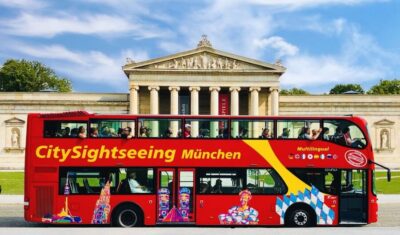 ★ 4.3Munich Hop-On Hop-Off Tour: 1-Day or 2-Day TicketFrom $274,161 reviews
 ★ 4.7Old Town & Viktualienmarkt City Walk in GermanFrom $232,304 reviews
 ★ 4.5City Bus Tour & FC Bayern Munich Allianz Arena TourFrom $602,071 reviews
 ★ 3.5Munich City Hop-on Hop-off TourFrom $311,233 reviews
 ★ 4.0Big Bus Hop-On Hop-Off Tour by Open-Top BusFrom $271,110 reviews
 ★ 4.7Guided City Tour by Bike with Beer Garden StopFrom $53604 reviews
 ★ 5.0Munich City Walking Tour, includes Third Reich & ViktualienmarktFrom $31458 reviews
 ★ 4.0Hop-On Hop-Off Tour CitySightseeing MunichFrom $28309 reviews
Browse the lists this tour appears in