
Reviewed · DACHAU MEMORIAL SITE TOURS
Dachau Small-Group Half-Day Tour from Munich By Train
Five hours, and the past feels close. This small-group Dachau memorial tour from Munich gives you round-trip rail plus an English guide who helps you make sense of what you’re seeing—without turning it into a checklist.
I love how the tour keeps a steady pace while still making room for questions. I also like the travel-side help: in reviews, guides such as James and Samuel are praised for steering the group through the train and transfer steps so you spend less time waiting and more time learning.
One thing to consider: the setting is emotionally intense, and the tour mixes outdoor areas and indoor exhibits. Also, you may find the museum-style reading time a bit tight if you like to linger with labels and documents at your own speed.
In This Review
- Key things to know before you go
- Dachau in 5 hours: what this half-day format really gives you
- Marienplatz start and train transfers: less guessing, more time on site
- Arriving at the memorial: how the tour frames what you’re about to see
- Inside the grounds: the story told through key Dachau areas
- The main gate and SS training: details that change how you understand the site
- Liberation, aftermath, and 1965: why the story doesn’t end in 1945
- Prisoner registration and categories: the mechanism you can’t unsee
- How much time you get to read, and where you should slow down
- Practical stuff that matters: shoes, weather, and pacing
- Price and value: why $60.46 is more than a transit ticket
- Who this tour suits best (and who might want a different approach)
- Should you book this Dachau tour from Munich?
- FAQ
- What time does the tour leave from Munich?
- Where is the meeting point?
- How long is the tour?
- Is the tour in English?
- What’s included in the price?
- Is food included?
- Are children allowed?
- How big is the group?
- Can I bring a service animal?
- What if I booked and need to cancel?
- Do students get a youth price?
Key things to know before you go
- Small group (max 20): easier listening and smoother movement through the memorial.
- Train-first from Marienplatz: fewer logistics headaches than going fully DIY.
- Licensed guide with strong group control: keeps everyone together and helps you avoid crowd pinch points.
- A guided route through the public areas: you’ll cover the rise of the Nazi party through Dachau’s role and the aftermath.
- Specific themes, not vague stops: SS training, the main gate building, liberation, and the 1938 Kristallnacht prisoner influx.
- No food provided on the tour: plan snacks outside the scheduled time.
Other guided visits to the Dachau Memorial Site
- Dachau Concentration Camp Memorial Site Tour from Munich by Train★ 4.5 · 5,637 reviews
- From Munich: Dachau Memorial Site Day Tour★ 4.8 · 2,723 reviews
- From Munich: Dachau Memorial Site Half-Day Trip★ 4.7 · 2,526 reviews
- From Munich: Dachau Memorial Site Full-Day Tour★ 4.9 · 1,406 reviews
Dachau in 5 hours: what this half-day format really gives you
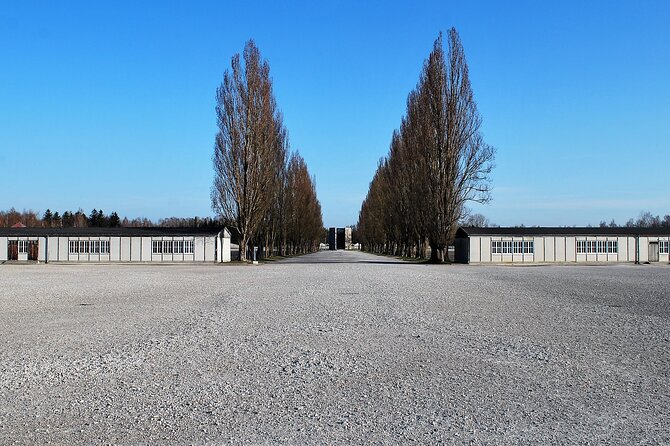
A half-day tour can feel like too little time for something this heavy. But the structure here is the point: you’re not trying to “cover everything,” you’re following the main story lines across the parts of the site accessible to the public.
You’ll walk a route that connects events in Germany to what Dachau became. The guide focuses on the timeline and the purpose of the camp system, so the grounds start to make more sense than if you just wander.
And yes, it’s somber in a way photos can’t copy. You’ll feel it the moment you pass through the memorial’s gate spaces and start hearing the day-to-day mechanisms of persecution.
Marienplatz start and train transfers: less guessing, more time on site
Your day starts at Marienplatz 15 at 9:00 am. The tour leaves on the dot, and you’re advised to arrive by 8:45 am for check-in, so build in a buffer and don’t treat this like a flexible morning stroll.
Round-trip public transport is included, and the route is designed for real people. You’ll travel by train with your authorized guide, and then you’ll use a local transfer to reach the memorial site.
Here’s what makes this worthwhile: guides named in reviews, like James and Samuel, are praised for practical “how to work the system” leadership. That includes knowing where to stand on platforms and how to handle short waits without losing the thread of the history while the group is moving between legs.
Arriving at the memorial: how the tour frames what you’re about to see
Once you get to Dachau, the guide’s role shifts from logistics to meaning. You’re not just looking at buildings and pathways; you’re learning what those places were used for and how they fit into the broader Nazi camp system.
The tour is designed to help you read the site in context. Instead of random stops, you’ll get a historical backbone—how the Nazi party rose, how concentration camps formed, and how Dachau functioned as an early model.
Also, you’ll hear about how the memorial developed over time. The guide includes what happened after liberation in 1945 and how the site’s purpose and presentation evolved up to the Documentation Center’s unveiling in 1965.
More rail journeys from Munich
- From Munich: Salzburg Day Trip by Train
★ 4.7 · 1,547 reviews - Guided Dachau Concentration Camp Memorial Site Tour with Train from Munich
★ 5.0 · 920 reviews - Dachau Small-Group Half-Day Tour from Munich By Train
★ 5.0 · 811 reviews
Inside the grounds: the story told through key Dachau areas
The tour focuses on all areas accessible to the public during your visit. That matters, because Dachau isn’t just a single viewpoint you can “do” quickly; it’s a set of spaces that need explanation to connect the dots.
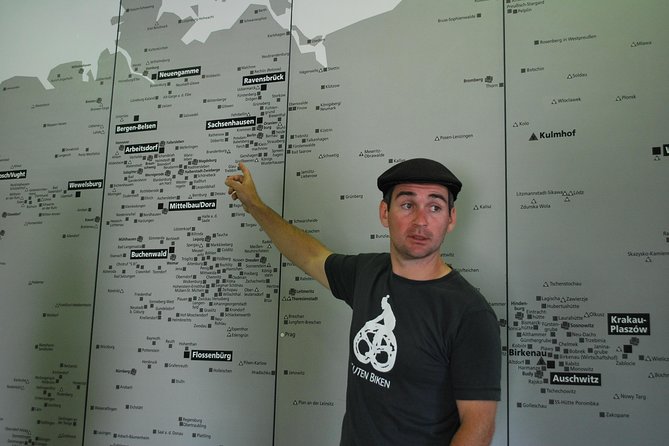
You’ll start with the rise of the Nazi Party—covering developments in the 1920s and the path to Hitler’s appointment as Chancellor in 1933. From there, the tour moves into the turn toward state violence, including the burning of the Reichstag and the early formation of concentration camps.
Then comes one of the most important conceptual pieces: Dachau’s role as a model camp for other camps. The guide uses that as a thread to show how systems spread and how policies became machinery.
You’ll also hear about Dachau through its three major phases in the camp system. That structure helps you understand why certain buildings and arrangements matter, even when you’re seeing them out of sequence compared to how the story unfolded.
The main gate and SS training: details that change how you understand the site
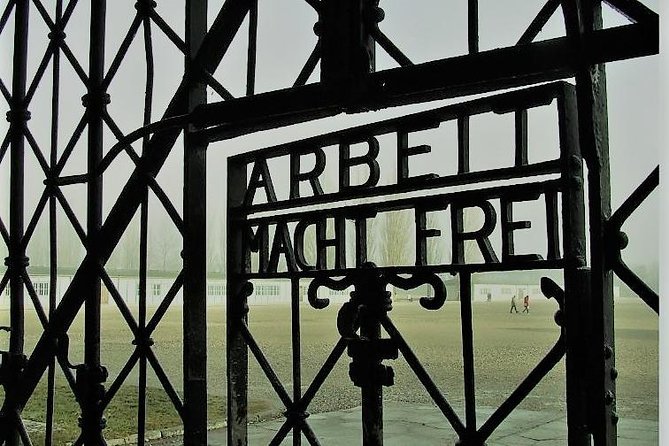
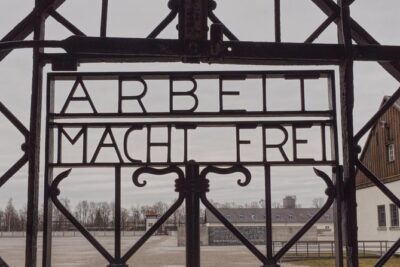
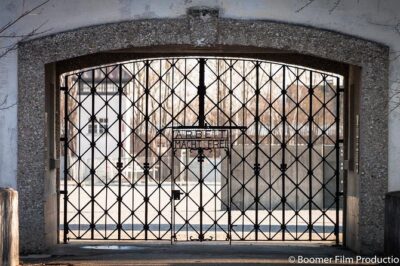
Some locations hit harder because they’re specific and explained well. For example, the tour includes the Jourhaus (main gate house) and the infamous slogan ARBEIT MACHT FREI.
Hearing that phrase in context is different than seeing it on a wall. The guide ties it to the camp’s purpose—forcing labor, controlling prisoners, and turning human beings into units of a system.
The tour also covers an SS training facility. That’s a key piece for understanding that the camp wasn’t only a place where victims suffered; it was also part of how the perpetrators were trained and shaped into operators of violence.
And because the guide keeps the narrative moving, these details don’t feel like isolated facts. They connect to how Dachau became part of a larger network, including the way the concentration camp system related to ghettos and extermination camps.
Liberation, aftermath, and 1965: why the story doesn’t end in 1945
One reason this tour resonates is that it doesn’t stop at liberation. You’ll hear about what happened during the aftermath and how the site was handled between 1945 and 1965.
That period is important because it shapes how societies remember and present atrocities. By including the Documentation Center’s unveiling timeline, the tour helps you understand that memory is not automatic—it’s built, curated, argued over, and institutionalized over time.
In practice, this means you’ll leave with a stronger sense of what the memorial is trying to do today. It’s not just a historical stop; it’s a public space built to keep the record from fading.
Prisoner registration and categories: the mechanism you can’t unsee
A lot of Holocaust and camp education focuses on big events. This tour also highlights how the system worked at the human level—how prisoners were registered and categorized.
You’ll learn about the different categories used and how prisoners were identified. The guide also covers Kristallnacht in 1938 and the role it played in bringing a major influx of Jewish prisoners to Dachau.
That topic can be emotionally hard, but it’s also clarifying. Once you understand the categories and how arrivals changed over time, the site feels less like a set of ruins and more like an organized system.
How much time you get to read, and where you should slow down
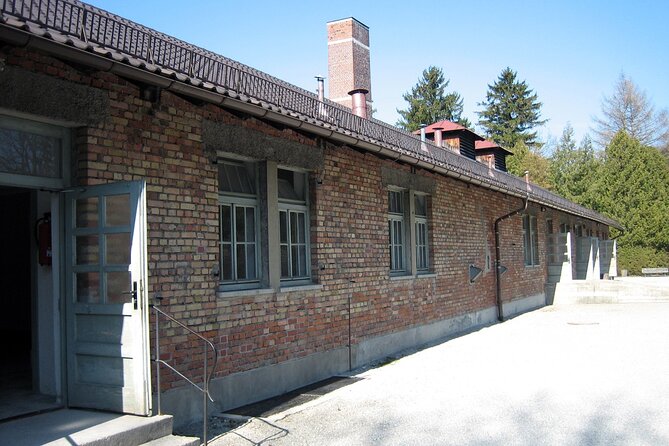
This tour is paced for a group of up to 20. That’s a sweet spot for listening, but it also means you won’t have unlimited time in every indoor exhibit.
One review-style concern that comes up in feedback: some people want a little more time to read inside museums and documentation spaces. If that’s your style, aim to treat the guided explanation as your main information, then use any short free moments to skim labels that stand out.
Also, remember: the tour is a mix of indoor and outdoor walking. Even when you’re inside, you’ll be moving with the group, so bring a “read-what-you-can” mindset.
Practical stuff that matters: shoes, weather, and pacing
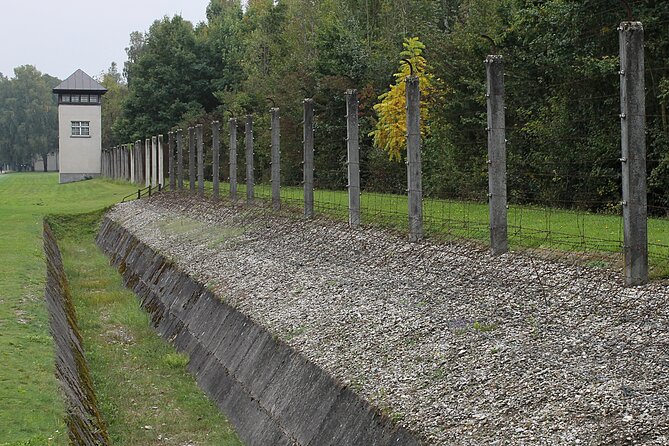
Comfort isn’t trivial here. The memorial involves walking on gravel and cement, and the site can be crowded with other groups depending on the day.
Bring comfortable shoes you can trust on uneven ground. On a freezing or rainy day, you’ll still be outdoors at times, so check weather before you go and dress in layers.
There’s also no food service during the tour. Refreshments and snacks aren’t available during the scheduled time, though you can purchase them at several locations at or near the meeting area before you leave.
Finally, there’s an important age rule: children under 14 can’t join guided tours at the memorial. If you’re traveling with kids, double-check plans early so you’re not stuck scrambling on the morning of your trip.
Price and value: why $60.46 is more than a transit ticket
At about $60.46 per person for roughly 5 hours, you’re paying for more than getting out of Munich. You’re buying:
- a fully licensed professional guide
- round-trip public transport between Marienplatz and Dachau
- a structured, story-driven walk through the public areas
A DIY trip can be cheaper on paper, but it often turns into guesswork: where to stand, what to prioritize, and how to connect events across time without getting lost in details. The guide is what turns the grounds into a coherent lesson.
And the small-group size is part of that value. With a cap of 20 travelers, it’s easier to hear the guide clearly and keep questions from getting swallowed by crowd noise.
Who this tour suits best (and who might want a different approach)
You’ll probably love this tour if you want a guided route that explains the camp system clearly, with real attention to respectful delivery. It’s also a good fit if you like historical context tied to specific places—like the main gate building and how registration worked.
This is not a casual outing. The experience is intentionally heavy, and you should come prepared for a day that may feel intense and reflective.
If you’re visiting with teens, it can work well if they’re ready for the subject matter. If you’re hoping for long “wander and read” time with no group movement, you may feel the pacing is a bit fast in indoor areas.
Should you book this Dachau tour from Munich?
Book it if you want the easiest way to do Dachau with context and less stress. The combination of train access from Marienplatz, a licensed guide, and a guided route through the memorial’s public areas is strong value for a short visit window.
Skip it only if you’re unable to handle emotionally intense history, or if your ideal style is slow, unstructured time inside exhibits. For most people coming from Munich, this is one of the most practical ways to see Dachau without turning the day into logistics.
FAQ
What time does the tour leave from Munich?
The tour departs at 9:00 am from the meeting point at Marienplatz 15, and you should arrive by 8:45 am for check-in since the tour leaves on time.
Where is the meeting point?
The meeting point is Marienplatz 15, 80331 München, Germany.
How long is the tour?
The duration is about 5 hours.
Is the tour in English?
Yes, the tour is offered in English.
What’s included in the price?
You get a fully licensed professional guide and the public transport costs to and from the memorial site.
Is food included?
No. Food and drinks are not included, and refreshments and snacks aren’t available during the tour.
Are children allowed?
The memorial site will not allow children under age 14 to join guided tours.
How big is the group?
The maximum group size is 20 travelers.
Can I bring a service animal?
Service animals are allowed.
What if I booked and need to cancel?
You can cancel for a full refund if you cancel at least 24 hours before the experience’s start time.
Do students get a youth price?
Students can select the youth price category, but you must present a valid ID card on the day of the tour.
More Rail Journeys from Munich

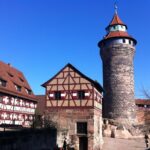
Visiting the Dachau Memorial Site
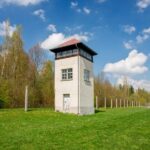

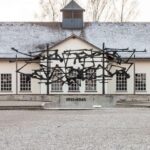
Just added to the Munich Explorer notebook

Dachau Memorial Site Tours, compared.
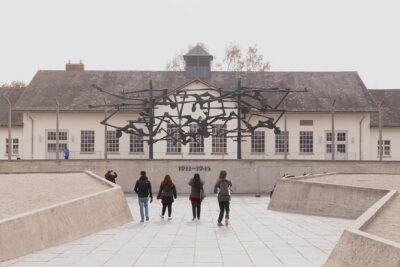 ★ 4.5Dachau Concentration Camp Memorial Site Tour from Munich by TrainFrom $645,637 reviews
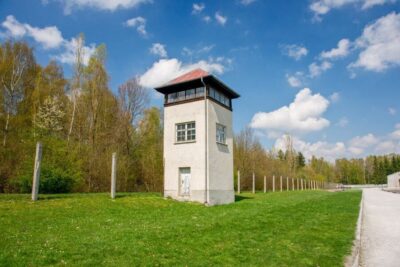 ★ 4.8Dachau Memorial Site Day TourFrom $492,723 reviews
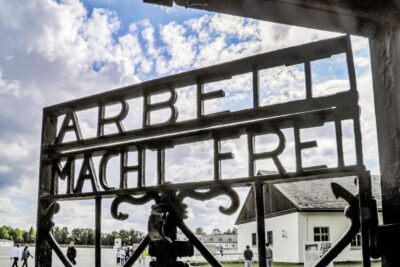 ★ 4.7Dachau Memorial Site Half-Day TripFrom $622,526 reviews
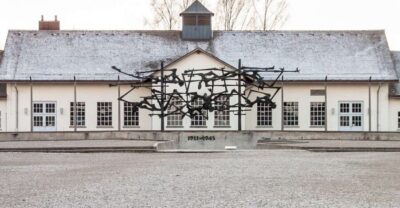 ★ 4.9Dachau Memorial Site Full-Day TourFrom $511,406 reviews
 ★ 4.5Dachau Concentration Camp Memorial Tour with Train from MunichFrom $56955 reviews
 ★ 5.0Early-Start Dachau Memorial Half-Day Tour from MunichFrom $62942 reviews
 ★ 5.0Guided Dachau Concentration Camp Memorial Site Tour with Train from MunichFrom $90920 reviews
 ★ 5.0Full-Day Dachau Concentration Camp Memorial Site Tour from MunichFrom $48897 reviews
Browse the lists this tour appears in