
Reviewed · BAVARIAN FOOD & DELICACY TOURS
South Tyrolean specialties and wine tasting
One bite and one sip at Aunt Alma, and South Tyrol suddenly feels close, even though you’re in Bavaria. I like how the tasting walks you through South Tyrolean grape varieties you can taste right away, and I also like the hands-on pairing with a traditional Marende snack spread that keeps things relaxed. One thing to keep in mind: it’s an adults-only experience (no one under 18), so it’s best if you want a calmer, grown-up evening.
Because the group is small and the host speaks German, Italian, and English, you can actually ask questions and get straight answers while you taste. The main drawback is time: in 90 minutes, you’ll taste a focused set, not a long wine education marathon, so plan to order more only if you’re already sure what you’ll like.
In This Review
- Key things that make this tasting work
- South Tyrol in Bavaria: why this tasting is a smart start
- Your 90-minute flight: what you actually taste
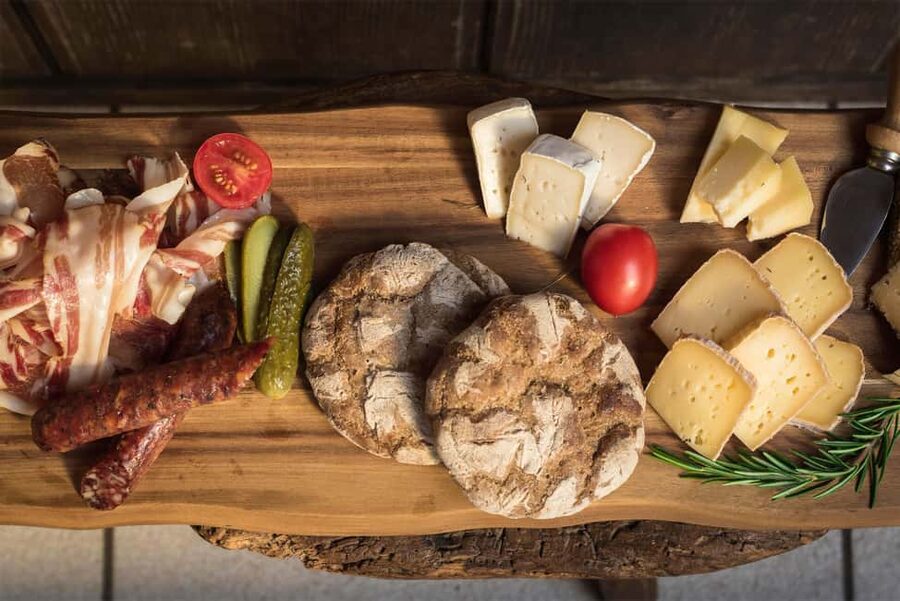
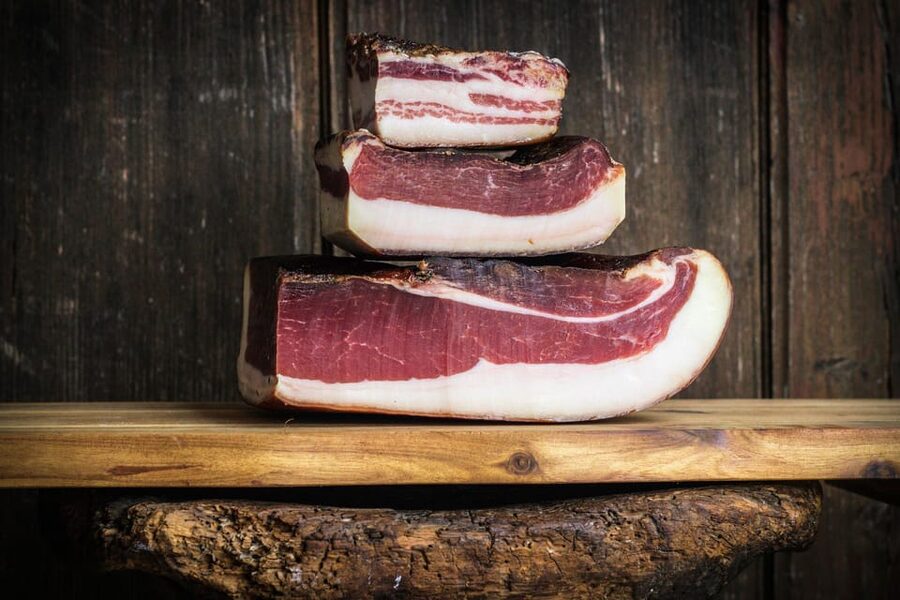
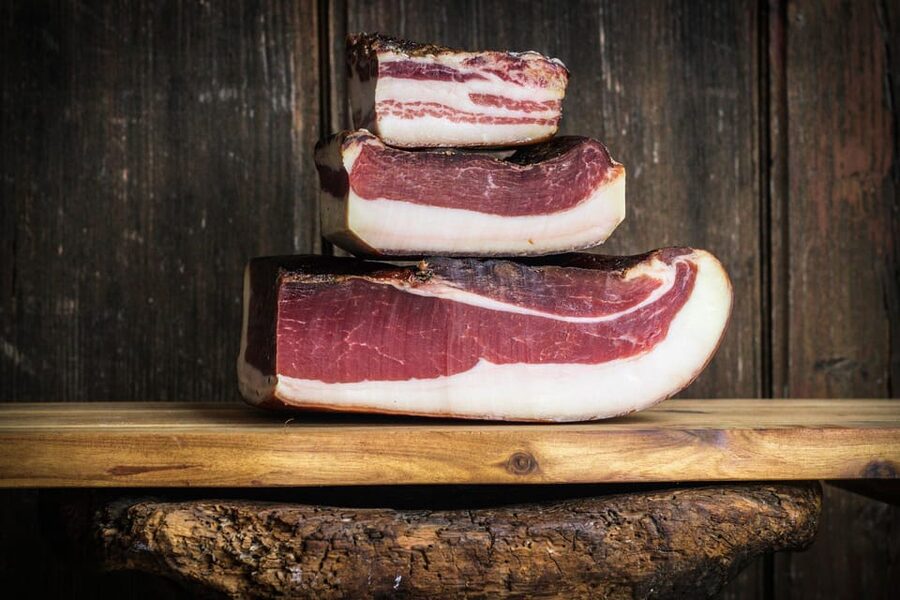
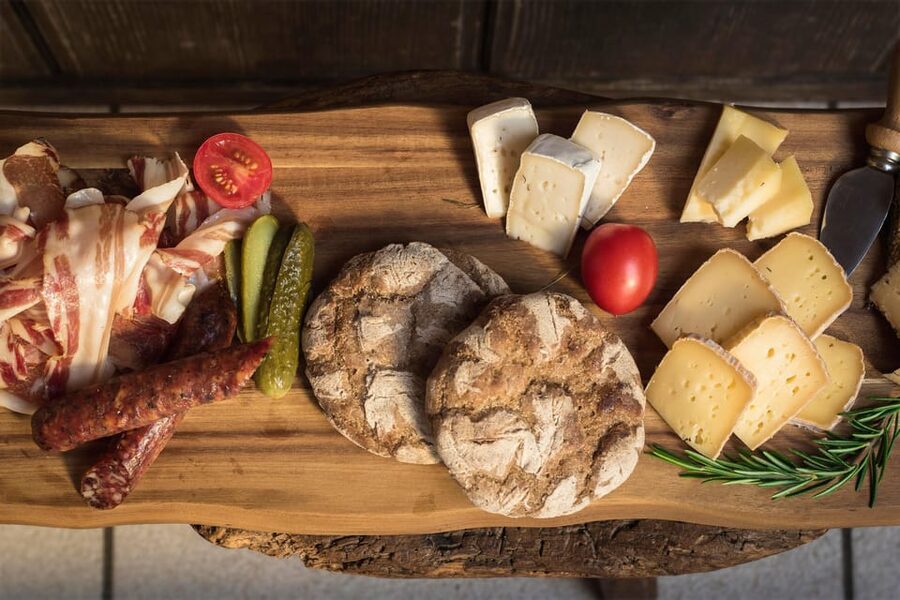
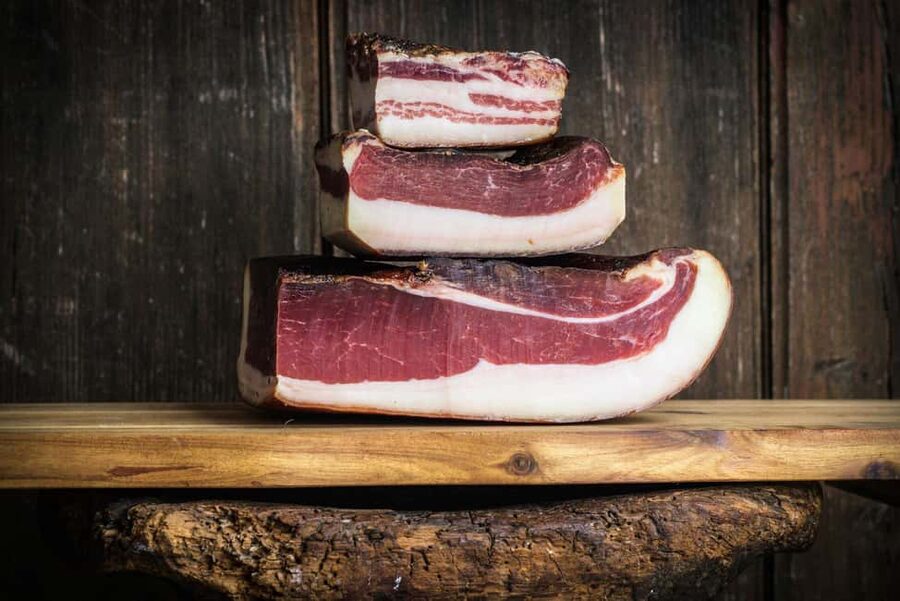
- Marende with wine: bacon, cheese, Kaminwurzen, and Schüttelbrot
- How the Alpine terroir shows up in Gewürztraminer and Lagrein
- Getting answers in German, Italian, or English
- Group size, timing, and the pace of the evening
- Price and value: is $57 per person a fair deal?
- Where this fits best: who should book it
- Practical tips before you go
- Should you book Aunt Alma’s South Tyrolean wine tasting?
- FAQ
- How long is the South Tyrolean wine tasting?
- Where does the tasting take place?
- What wines are included?
- What food is included with the wine?
- Do you speak English?
- Is the group small?
- Is it wheelchair accessible?
- Are children allowed?
- Are soft drinks or extra snacks included?
Key things that make this tasting work
- Real South Tyrolean grape lineup: Gewürztraminer, Pinot Blanc, Lagrein, and Vernatsch (plus an optional rose).
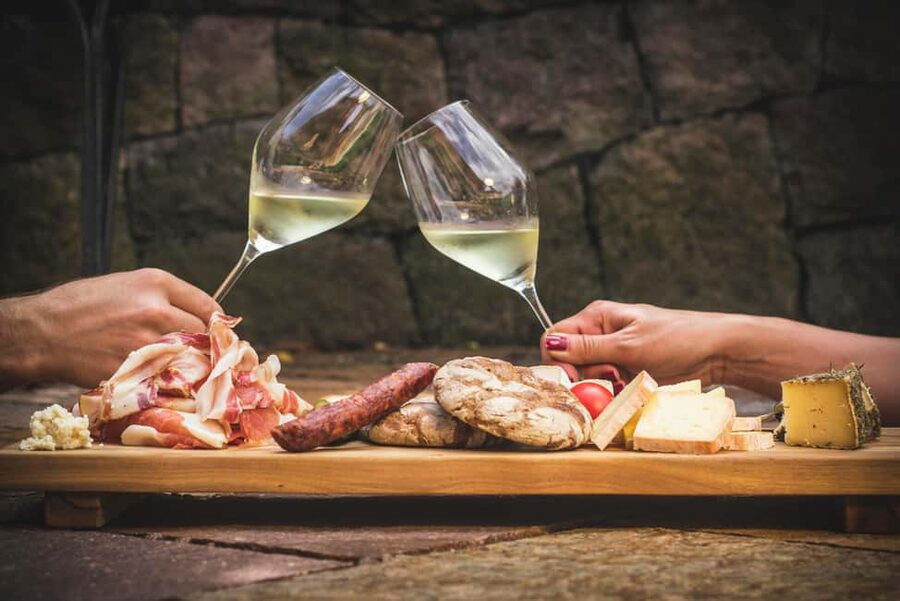
- Food built for wine: bacon, cheese, Kaminwurzen, and Schüttelbrot come with the tasting as your Marende.
- 90 minutes, small group (max 10): enough time to compare glasses without feeling rushed.
- No language stress: German, Italian, and English are handled by the host.
- Shop-meets-tasting setting: you’re at Tante Alma, South Tyrolean specialties, not a formal banquet hall.
More Bavarian plates, pretzels and Brotzeit boards
- Bavarian Beer and Food Evening Tour in Munich★ 4.5 · 1,575 reviews
- Classic Mike’s Bike Tour daily @ 11.30 incl Beer Garden & Surfers★ 5.0 · 1,246 reviews
- Munich: Viktualienmarkt Food Tour★ 4.5 · 1,127 reviews
- Munich: Beer and Food Tour with Dinner & Oktoberfest Museum★ 4.7 · 1,086 reviews
South Tyrol in Bavaria: why this tasting is a smart start
If you’re the type who likes to understand wine by taste first, not by lectures, this format is a good fit. You get a structured tasting—three (or four if you choose the optional rose) pours—paired with a traditional South Tyrolean snack. That combination matters, because wine can taste very different when your palate is dry versus when it has salt, fat, and bread to work with.
I also like that the experience stays grounded in what makes South Tyrol itself distinct. The tasting isn’t just about naming bottles. It points you toward the Alpine reality behind the flavors: a cooler mountain climate and soils with a mineral component can make wines feel crisp, precise, and slightly stony on the finish. You may not measure terroir with a lab tool, but you can notice it in how the wine holds its shape after a bite.
Finally, this is a practical evening. The whole thing is designed to be finished in 90 minutes, with a small group so conversations don’t get swallowed. If you want an easy add-on to a night out in Bavaria, it’s the kind of stop that doesn’t eat your whole evening.
Your 90-minute flight: what you actually taste
The included lineup is clear and intentional. You’ll taste:
- 1 white wine
- 1 rose (optional red wine is included instead, depending on what you choose)
- 1 red wine
- plus the Marende snack spread
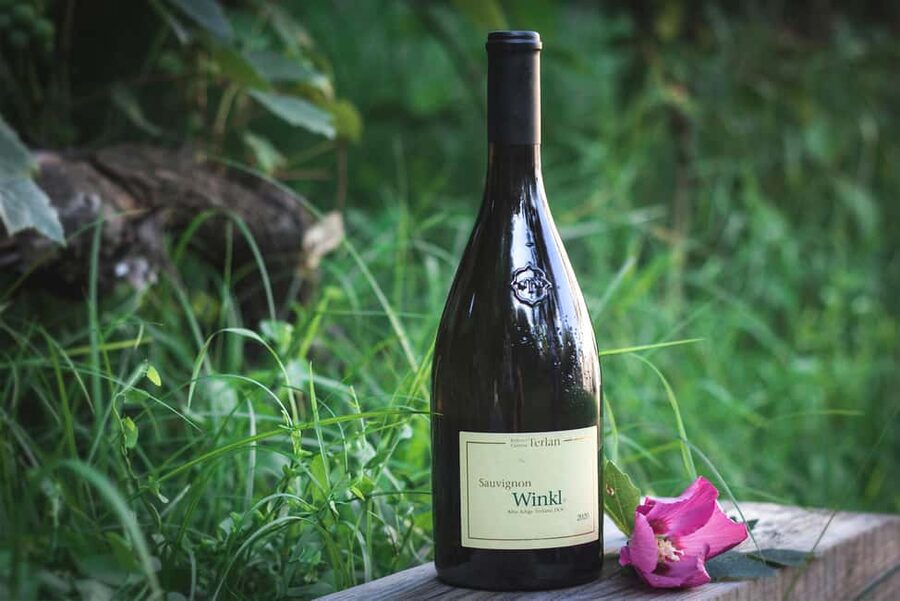
On the flavor side, the tasting focuses on classic South Tyrolean grapes. For whites, you’re looking at aromatic and crisp styles like Gewürztraminer and Pinot Blanc. For reds, expect Lagrein and Vernatsch—two grapes that represent how South Tyrol can do both depth and lift.
Here’s how I’d approach tasting these, so you get more out of each pour:
Start with aroma, not flavor. Gewürztraminer is often all about scent—spice, floral notes, and a slightly round impression on the nose. If you go straight to taste without smelling, you can miss what makes it identifiable.
Then compare structure. Pinot Blanc tends to feel clean and steady, with acidity that keeps it from feeling heavy. When you move from white to red, you’ll likely notice how the mouthfeel shifts: reds like Lagrein and Vernatsch can feel more grainy or juicy depending on the style you’re tasting that night.
Finally, read the pairing. Since you’ll have food with bacon, cheese, and local cured items, the wine will change as you eat. That’s not a flaw—it’s the point. If a wine tastes sharper before the bite and smoother after it, you’ve learned something real about how it behaves with food.
One more detail that helps: the host speaks German (and also Italian and English). That means you can ask what you’re tasting for—acidity, fruit character, or food pairing—without needing a dictionary.
Marende with wine: bacon, cheese, Kaminwurzen, and Schüttelbrot
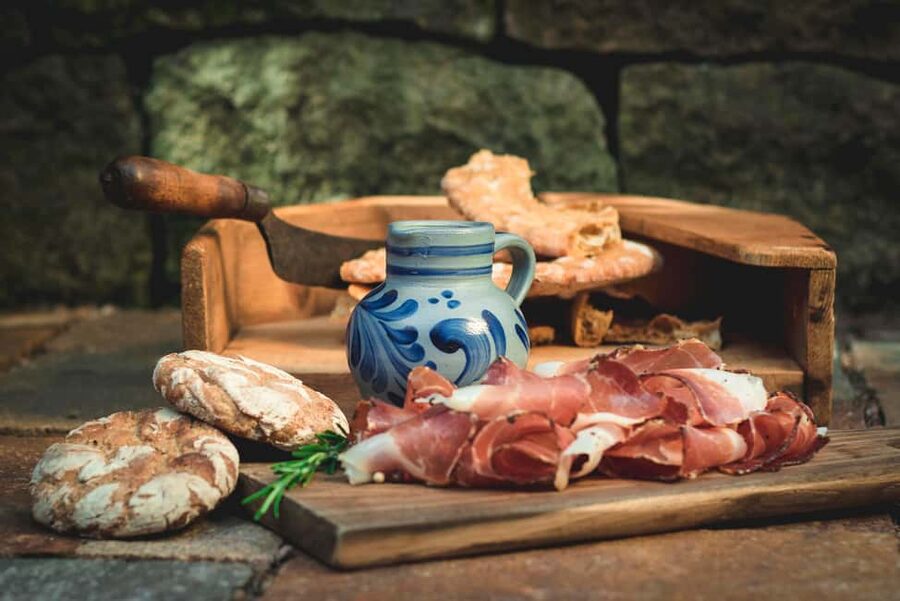
Wine tastings are often “show up, sip, leave.” This one gives you the meal logic. The Marende is traditional South Tyrolean snack food, and it’s built to match wine.
You’ll have:
- bacon
- cheese
- Kaminwurzen
- Schüttelbrot
That last pairing—Kaminwurzen and Schüttelbrot—matters more than it sounds. Kaminwurzen is a smoked sausage-style specialty, and Schüttelbrot is a rustic, dry bread made to last. Together, they give you salt, smoke, and texture. That combination can make whites feel brighter and reds feel more satisfying, because the flavors have something to “stick” to.
Here’s a practical way to enjoy the food without overthinking it:
Take bites between pours. Don’t clear your plate in one go. Let the bread and cured meats reset your palate so each wine has a fair chance.
Start with the milder foods if you’re new to smoked flavors. If you’re sensitive to smoke, begin with cheese and then work toward Kaminwurzen. You’ll still taste the smoke, but it won’t hit you before you’ve identified the wine’s baseline character.
Use the bacon as a bridge. Bacon fat and salt often make wines taste rounder. If a wine seems tight at first, it may open up once you’ve had a bite.
Also, remember that the included Marende is what you get with the tasting. If you want extra food, you can order and pay on site for soft drinks and a small selection of additional South Tyrolean specialties.
More wine tastings near Munich
- Original Munich Christmas Market Tour with Festive Wine and Food
★ 5.0 · 85 reviews - South Tyrolean specialties and wine tasting
★ 5.0 · 7 reviews - Private VIP Oktoberfest, Table, 3-Course-Menu, Beer & Champagne
★ 5.0 · 6 reviews
How the Alpine terroir shows up in Gewürztraminer and Lagrein
South Tyrol’s reputation isn’t just marketing. The region’s alpine climate and mineral-rich soils are the reason the wines often feel clear and focused, even when the flavor is bold. In this tasting, you’ll feel that in two ways: aroma definition in the whites and mouthfeel balance in the reds.
With Gewürztraminer, look for how the wine’s aroma stays present even after a bite. Spicy and floral notes can come forward. After you eat, the wine often feels less intense and more rounded—especially with salty cured items.
With Pinot Blanc, I like how it tends to act as a “calibration glass.” It can show you what crisp acidity feels like when it’s not overwhelmed by heavy spice. If you’re learning your palate, Pinot Blanc is a great measurement tool.
Then reds: Lagrein and Vernatsch give you two different answers to the same question—what does South Tyrol do with red grapes? Lagrein often comes across with weight and color; Vernatsch can feel more light-footed and food-friendly. In a tasting set like this, the goal is to taste those differences directly, not to memorize wine geek descriptions.
If you want to get the most from the terroir angle, do this simple trick: notice how each wine tastes before you eat and after you eat. Alpine wines often show a kind of back-and-forth tension—freshness versus flavor intensity—and the food helps you see both.
Getting answers in German, Italian, or English
One of the best things about a small tasting is that the host can actually talk to you. Here, the host or greeter speaks German, and you can also expect Italian and English support. That’s a big deal if you don’t want to nod politely while thinking, I have no idea what I just tasted.
In practice, you’ll likely get more value by asking simple questions like:
- what to notice in the aroma for the next pour
- which foods the wine is meant to match
- what style makes Lagrein different from Vernatsch
And because the group is limited to 10 participants, conversation doesn’t get stuck in a one-way lecture. You’re more likely to feel like you’re part of the room instead of a spectator.
Group size, timing, and the pace of the evening
This is a 90-minute experience with a small group, so it’s not trying to be a whole wine course. That’s a good thing. You get enough time to taste, eat, and compare, but you don’t end up mentally exhausted.
I also appreciate the “no time pressure” feel. When a host keeps the pacing comfortable, you can linger over a glass long enough to notice subtle changes—like how a wine tastes after a bite of bread versus straight from the pour.
For your planning: if you like a full night with other stops, this makes an excellent mid-evening or early-evening anchor. If your schedule is tight, you won’t feel trapped for hours.
Price and value: is $57 per person a fair deal?
At $57 per person for a 90-minute tasting in a small group, the key value question is what you’re getting for that price. Here’s what’s included:
- 1 white wine
- 1 rose (optional choice situation depending on what you select)
- 1 red wine
- South Tyrolean Marende snack (bacon, cheese, Kaminwurzen, Schüttelbrot)
You’re not paying for vague ambiance. You’re paying for a focused tasting plus a real food pairing. That food portion matters because it’s what turns wine into a full sensory experience rather than a quick sip test.
If you compare this to wine tastings that give you tiny sips with no substantial pairing, the inclusion of a traditional snack spread makes the price feel more balanced. If you’re a casual wine drinker, you’ll likely feel satisfied. If you’re a serious collector, you might want more pours and bottles—but that’s not what this format is trying to do.
Where this fits best: who should book it
This tasting is best for you if:
- you want a quick, high-impact intro to South Tyrolean grapes and flavors
- you enjoy food-and-wine pairings that actually change how you taste
- you like small group evenings where you can ask questions
- you’re comfortable with an adults-only setting
It may not be the best pick if:
- you’re looking for a long guided history tour
- you want children included
- you want a massive range of wines beyond the included set
Also, since the host is multilingual and the group is small, it’s a solid choice even if you’re not traveling with friends who know wine terms. The experience is built to be understandable.
Practical tips before you go
A few small things will help you enjoy the full evening:
- Eat something light beforehand if you’re hungry, because the snack spread will be part of the experience.
- Taste with pauses. Give each wine a moment with and without food so you can detect changes.
- Decide in advance if you want rose. Since the tasting includes rose and an optional red choice, thinking ahead can help you avoid decision stress mid-course.
- Consider ordering extras only if you already like the style. Soft drinks and additional specialties are available to order on site, but it’s smart to wait until you’ve tasted what you love.
Should you book Aunt Alma’s South Tyrolean wine tasting?
If you want a focused, food-paired introduction to South Tyrol wines, I’d say book it. For $57 and 90 minutes, you get a real lineup—Gewürztraminer/Pinot Blanc style whites and Lagrein/Vernatsch style reds—paired with a traditional Marende that includes bacon, cheese, Kaminwurzen, and Schüttelbrot. That combination makes it more than just sipping.
The only reason not to book is if you’re expecting a long wine tour or bringing children. For everyone else who likes wine, snacks, and a small-room atmosphere, this is the kind of stop that can turn a regular evening into a memorable taste of the Alps.
FAQ
How long is the South Tyrolean wine tasting?
The experience lasts 90 minutes.
Where does the tasting take place?
The meeting point is Aunt Alma, South Tyrolean specialties.
What wines are included?
The tasting includes 1 white wine, 1 rose (optional), and 1 red wine.
What food is included with the wine?
You’ll get South Tyrolean Marende with bacon, cheese, Kaminwurzen, and Schüttelbrot.
Do you speak English?
Yes. The host or greeter speaks German, Italian, and English.
Is the group small?
Yes. It’s limited to a maximum of 10 participants.
Is it wheelchair accessible?
Yes, wheelchair accessibility is listed.
Are children allowed?
No, it’s not suitable for children under 18.
Are soft drinks or extra snacks included?
Soft drinks, snacks, and a small selection of additional South Tyrolean specialties are not included. You can order and pay on site.
If you’d like, tell me your travel dates (and where in Bavaria you’re staying). I can suggest a realistic way to slot this tasting into your evening.
More Wine Tastings near Munich
More Bavarian Plates in Munich


Just added to the Munich Explorer notebook





Bavarian Food & Delicacy Tours, compared.
 ★ 4.5Bavarian Beer and Food Evening Tour in MunichFrom $871,575 reviews
 ★ 5.0Classic Mike’s Bike Tour daily @ 11.30 incl Beer Garden & SurfersFrom $421,246 reviews
 ★ 4.5Viktualienmarkt Food TourFrom $501,127 reviews
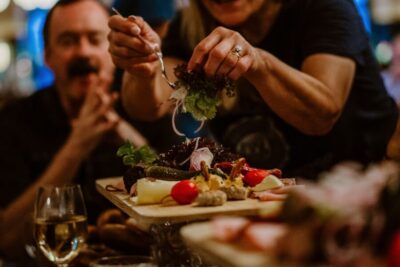 ★ 4.7Beer and Food Tour with Dinner & Oktoberfest MuseumFrom $841,086 reviews
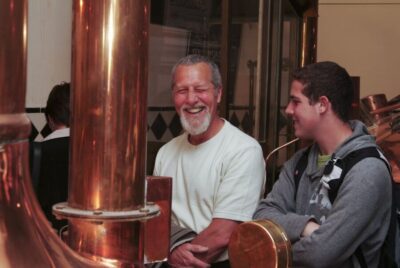 ★ 4.6Munich’s Beer Halls and Breweries: 3-Hour Guided TourFrom $50928 reviews
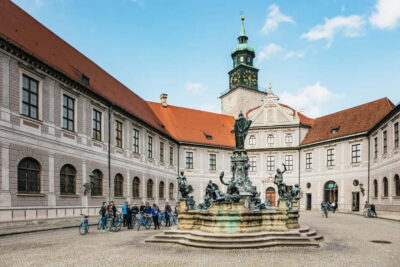 ★ 4.7Guided City Tour by Bike with Beer Garden StopFrom $53604 reviews
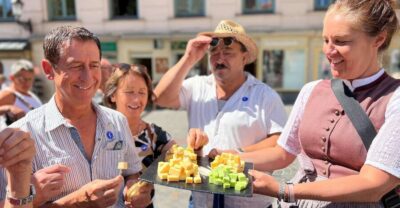 ★ 4.7Viktualienmarkt & Altstadt Food TourFrom $671481 reviews
 ★ 5.0Lunch Like a Local: Munich’s ORIGINAL Viktualienmarkt Food TourFrom $163416 reviews
Browse the lists this tour appears in