
Reviewed · DACHAU MEMORIAL SITE TOURS
From Munich to Dachau: Guided tour of the Dachau Concentration Camp
Dachau hits hard, and the pacing matters. This official guided tour takes you to the former site of Germany’s first Nazi concentration camp—about half an hour from Munich—so you can focus on what you’re seeing instead of logistics. I like that you get an accredited guide and a structured route through the most important areas, and I also like that the transport ticket is included in the price. One drawback: it’s serious material, and it’s not suitable for children under 14.
You’ll spend about 5 hours moving through the memorial with a Spanish-speaking guide, with some portions shown in their original language. In recent feedback, guides such as Julieta were praised for being clear, detailed, and respectful all the way through. If you’re sensitive to heavy history, come with a plan to slow down and take breaks when you need them.
In This Review
- Key highlights to expect
- Dachau from Munich: why a 5-hour tour hits the right balance
- Meeting at Marienplatz and getting there smoothly with the included ticket
- An official, Spanish-language guide makes the memorial easier to follow
- Transport room and bathrooms: understanding control at the camp’s entry
- The bunker prison: how confinement becomes a lesson you can’t ignore
- Old barracks and testimonies: what daily life looked like
- Crematorium and religious memorial area: remembrance with weight
- Price and value: what $37 gives you (and why it’s not just a cheap day trip)
- Who should book this tour (and who should skip it)
- Should you book the Dachau guided tour from Munich?
- FAQ
- How long is the Dachau guided tour from Munich?
- What is the price per person?
- Where do I meet the guide in Munich?
- What language is the live tour guide?
- What does the tour include?
- What areas of the memorial will I visit?
- Is it wheelchair accessible?
- Is it suitable for children?
- Is there free cancellation?
Key highlights to expect
- Official, accredited guidance tied to the memorial’s own standards and context
- Transport room and bathroom facilities that explain the camp’s intake and control system
- The bunker (old camp prison) for a close look at confinement and punishment
- Old barracks with prisoners’ testimonies, designed to be listened to, not rushed
- Crematorium and religious memorial area, where the site links suffering to remembrance and reflection
Other guided visits to the Dachau Memorial Site
- Dachau Concentration Camp Memorial Site Tour from Munich by Train★ 4.5 · 5,637 reviews
- From Munich: Dachau Memorial Site Day Tour★ 4.8 · 2,723 reviews
- From Munich: Dachau Memorial Site Half-Day Trip★ 4.7 · 2,526 reviews
- From Munich: Dachau Memorial Site Full-Day Tour★ 4.9 · 1,406 reviews
Dachau from Munich: why a 5-hour tour hits the right balance
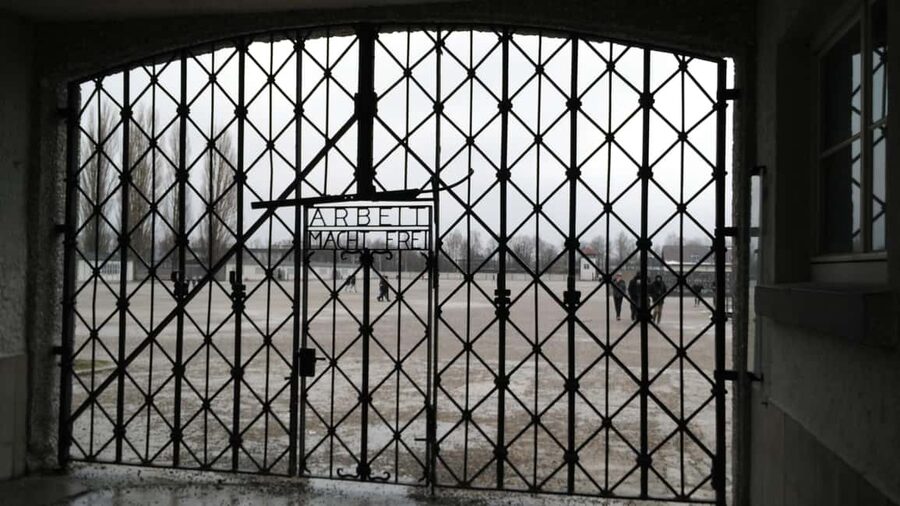
Dachau isn’t far from Munich, but it doesn’t feel easy to reach emotionally. That’s the key advantage of this format: you’re not cobbling together transit, tickets, and timing on your own. For a memorial visit, that matters. You want time to look, read, and absorb without the clock adding pressure.
This tour is built around a full guided experience, lasting 5 hours. You’ll see major parts of the former camp, including areas tied to imprisonment, daily life, punishment, and the aftermath. I also like the clear focus on education and remembrance. There’s less of the usual sightseeing fluff, and more structure for understanding what you’re walking through.
The price is positioned as a real memorial visit, not a discount day trip. That leads to the practical question: will the guide and included access justify the cost? In my view, yes, if you care about getting context and not just snapshots.
Meeting at Marienplatz and getting there smoothly with the included ticket
Your guide meets you with a green umbrella next to the Fischbrunnen (Fish Fountain) in Marienplatz. That’s a helpful detail because Munich can be busy, and a clear landmark reduces stress before you start a visit like this.
One standout value point: the public transport ticket is included. You’re not paying extra or figuring out routes while your brain is already preparing for what Dachau represents. It also means the tour is designed for real travel from the city, not just a “get yourself there” setup.
The timing is another reason this works. Dachau is described as about 30 minutes from Munich, which keeps your day from stretching too long. You get a focused half-day that fits well with a Munich stay.
An official, Spanish-language guide makes the memorial easier to follow
You’ll be traveling with an official, accredited guide. The memorial’s credibility matters here, because this isn’t about trivia. It’s about history, responsibility, and how to interpret what’s still on the grounds.
The tour runs with a live Spanish guide. You should expect that Spanish will be the main language you hear, while some content is shown in its original language. If Spanish is your comfort zone, you’ll likely feel less strain and stay with the message. If not, you might rely more on the pace and visual cues, but the tour still provides key structure.
Based on feedback about guides like Julieta, the explanations are praised for being clear and detailed and delivered with respect. That’s exactly what you want in a place like this: calm guidance that helps you understand without turning the visit into something you just endure.
- From Munich: Neuschwanstein & Linderhof Castle Full-Day Trip
★ 4.6 · 14,646 reviews - Neuschwanstein & Linderhof Castle-Fairytale Day Tour from Munich
★ 4.5 · 7,275 reviews - Munich: Third Reich & WWII Walking Tour
★ 4.6 · 6,181 reviews
Transport room and bathrooms: understanding control at the camp’s entry
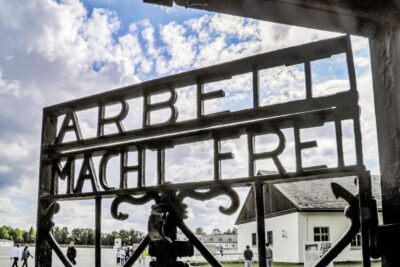
The route starts by grounding you in the mechanics of the camp system. Seeing the transport room and bathrooms is more than a check-the-box stop. These parts help you understand how the camp controlled people from the moment they arrived.
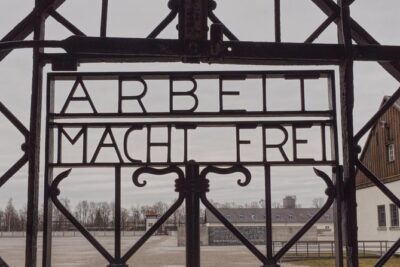
This matters because Dachau began as a tool of repression shortly after Hitler became Chancellor—opened on March 22, 1933. Over time, it became a model and training center for other concentration camps in the Third Reich. When you stand near facilities tied to intake and processing, you’re not just seeing buildings. You’re seeing part of how a system turned human beings into inventory.
The bathrooms and related spaces also show how the camp’s routine and surveillance worked at a practical level. It’s uncomfortable to look at, but that discomfort is part of comprehension. You’ll likely understand that the cruelty wasn’t random. It was organized.
The bunker prison: how confinement becomes a lesson you can’t ignore
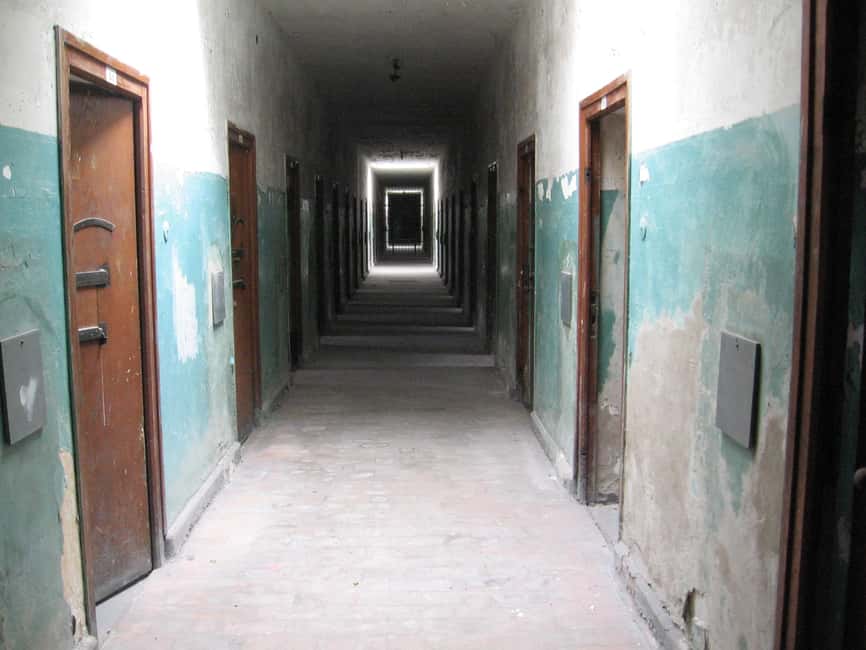
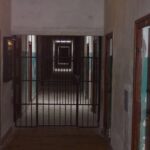
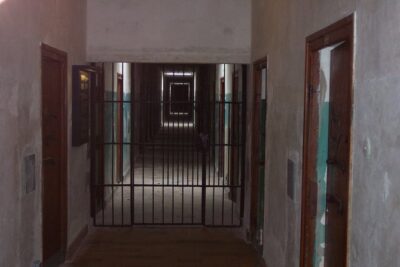
Then you reach the bunker, often described as the old camp prison. This is one of those places where the setting does a lot of the work. Even without extra commentary, the space communicates what confinement was meant to do: limit movement, break normal life patterns, and punish resistance in the broadest sense.
Dachau held huge numbers of prisoners over its operation—more than 200,000 people were imprisoned and tortured, and over 40,000 were killed (with thousands of victims across many categories). Political opponents, priests, Jews, Roma, homosexuals, Jehovah’s Witnesses, and prisoners of war are included in the historical framing of the camp’s victims.
A guided stop here helps you connect the physical reality of the bunker to the broader system. The goal isn’t to sensationalize the site. It’s to understand the machinery of repression.
Practical tip: if you’re prone to rushing through intense spaces, slow down here. Let your eyes rest. Read what you can, and follow the guide’s order rather than trying to “beat” the emotion.
Old barracks and testimonies: what daily life looked like
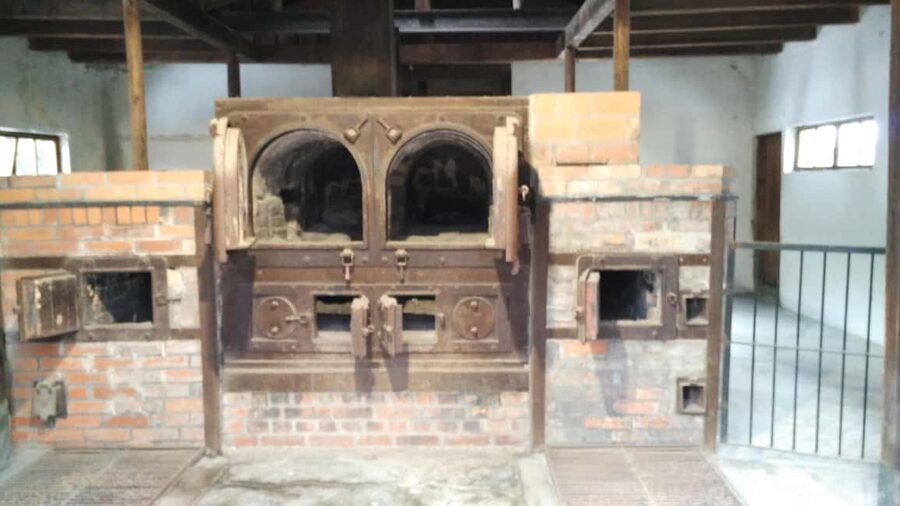
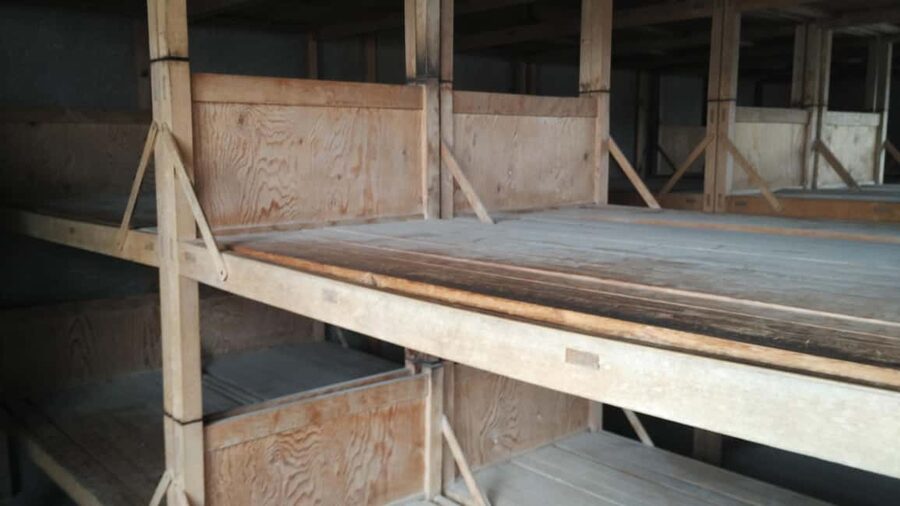
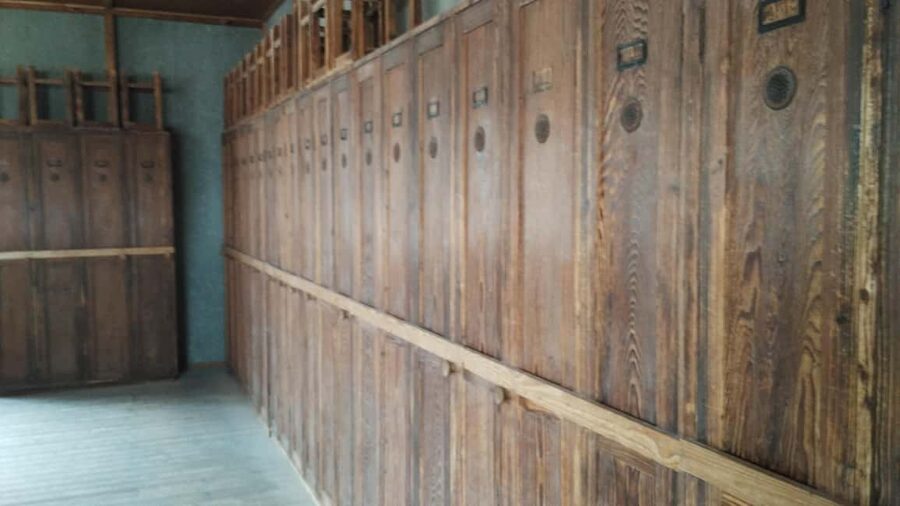
From the bunker, the tour moves into the old barracks. This is where the story expands beyond punishment and into everyday life inside the camp—how people were housed, how they were reduced to routine, and what it meant to survive under brutal constraints.
What I find valuable is that you don’t just look at structures. The tour includes prisoners’ testimonies. That’s an important distinction. Barracks can become just architecture if the narrative doesn’t anchor them. Testimonies keep the meaning human.
This part of the camp visit also connects to liberation and aftermath. On April 29, 1945, American troops liberated Dachau and found about 32,000 survivors in extreme conditions. The site holds onto those facts, because remembrance without specifics becomes vague.
If you prefer to process slowly, this segment gives you time to do it. You’ll likely want to step aside at certain points, take a breath, and then rejoin the group when you’re ready.
Crematorium and religious memorial area: remembrance with weight
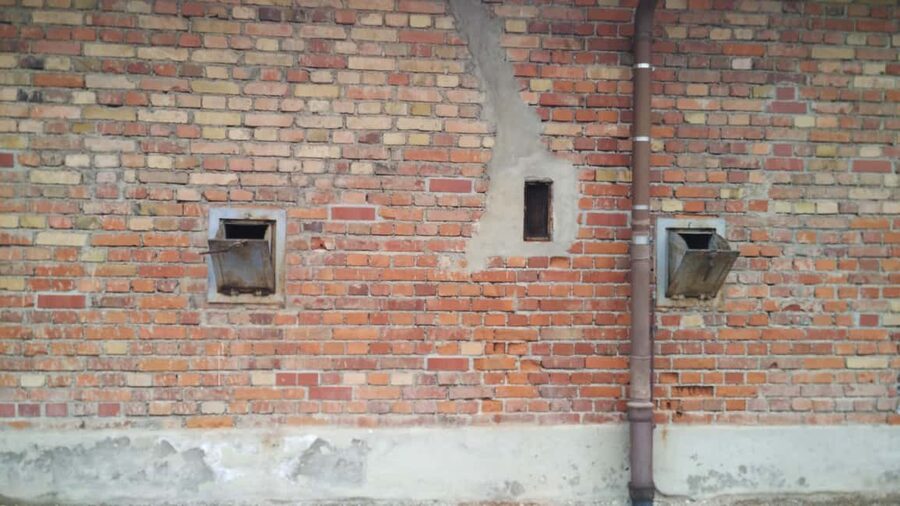
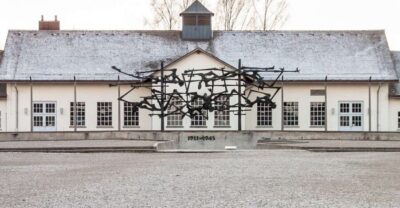
The final stretches deal with what came after imprisonment: the crematorium and the religious memorial area. This is where the visit shifts from camp mechanics to moral reckoning.
Seeing the crematorium site forces you to confront the scale and cruelty of the system. The numbers—over 40,000 deaths, with thousands more affected through torture and forced labor—are not abstract once you’re standing where suffering reached its final stages.
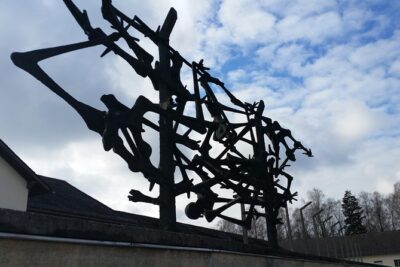
Then the religious memorial area adds another layer: remembrance tied to reflection. It’s not about turning tragedy into spectacle. It’s about acknowledging loss and refusing to let history become background noise.
You may find this section the hardest, which is normal. The memorial context is built for contemplation, not for photo stops. Keep your phone away during parts of it if you can. Let the meaning land.
Price and value: what $37 gives you (and why it’s not just a cheap day trip)
At about $37 per person for a 5-hour official guided experience, the value mostly comes from what’s included.
Here’s what you’re paying for:
- An official, accredited guide
- Memorial admission
- A public transport ticket
That combination is the real bargain. Memorial access and a guided route cost money on their own when you piece things together. Plus, the guide’s role matters here. You’re not just going to a site; you’re being helped to interpret it with context and care.
Food and drinks are not included, so plan to eat before or after. That’s common for this kind of half-day tour, but it’s worth thinking about because you may not want to hunt for a meal right after you’ve finished a heavy visit.
If you want the memorial with minimal hassle and strong interpretive support, this price looks fair.
Who should book this tour (and who should skip it)
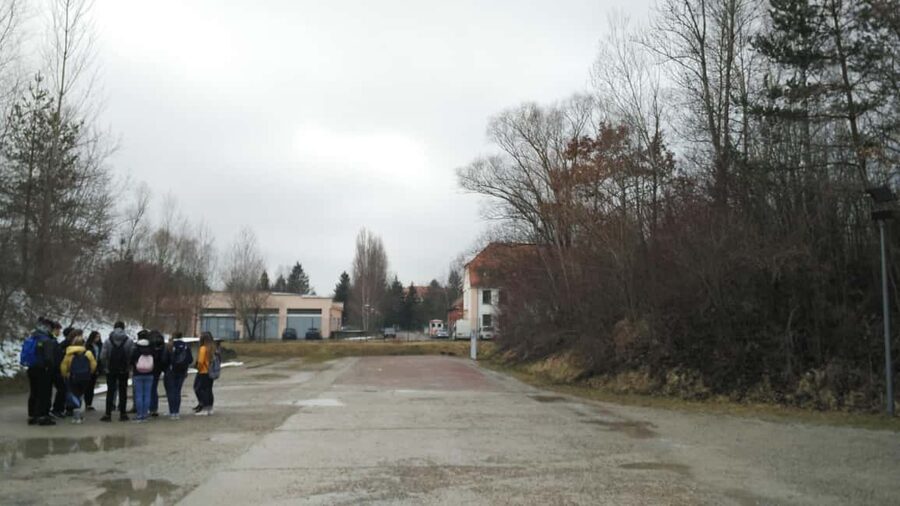
This tour is a strong fit if you:
- want an official guide rather than an audio-only visit
- speak Spanish and want clear explanations during the walk
- prefer a structured route that covers key areas like the bunker and crematorium
- care about learning the historical framework, including Dachau’s role as an early model camp
It’s not a match if:
- you’re traveling with children under 14 (it’s explicitly not suitable)
- you’re uncomfortable with intense content and need a very light day
- you’re expecting a casual sightseeing vibe—this is education and remembrance first
Wheelchair access is mentioned, so it can work for visitors who need that kind of support. Just keep in mind that the memorial is still a place of preserved and significant spaces, so you may want to go slowly and follow your guide’s guidance.
Should you book the Dachau guided tour from Munich?
Yes—if you want a guided memorial visit that focuses on key areas and context, with admission and transport handled for you. The strongest reasons to book are the accredited guide, the full guided circuit through major sections of the former camp, and the fact that transport from Munich is included.
Skip it only if you know you can’t handle this level of historical weight right now, or if the age suitability rule doesn’t fit your group. Otherwise, treat it as a serious part of your Germany trip—not a side quest. You’ll come away with a clearer understanding of how the system worked, why it started when it did, and what remembrance is trying to protect us from repeating.
FAQ
How long is the Dachau guided tour from Munich?
The tour lasts 5 hours.
What is the price per person?
The price is $37 per person.
Where do I meet the guide in Munich?
Meet your guide next to the Fischbrunnen (Fish Fountain) in Marienplatz, where the guide is waiting with a green umbrella.
What language is the live tour guide?
The live tour guide speaks Spanish.
What does the tour include?
It includes an official, accredited guide, memorial admission, and a public transport ticket.
What areas of the memorial will I visit?
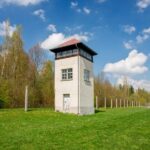
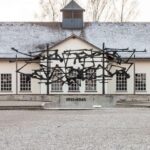
You’ll visit the former site of the concentration camp and see the transport room and bathrooms, the bunker (old camp prison), the old barracks with prisoners’ testimonies, and the crematorium and religious memorial area.
Is it wheelchair accessible?
Yes, the tour is wheelchair accessible.
Is it suitable for children?
No. It is not suitable for children under 14.
Is there free cancellation?
Yes, free cancellation is available up to 24 hours in advance for a full refund.
Visiting the Dachau Memorial Site
Just added to the Munich Explorer notebook
Dachau Memorial Site Tours, compared.
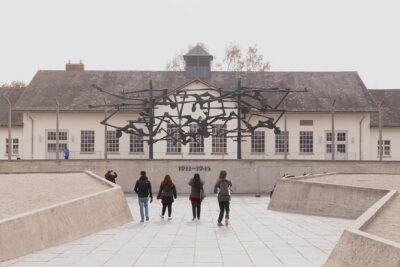 ★ 4.5Dachau Concentration Camp Memorial Site Tour from Munich by TrainFrom $645,637 reviews
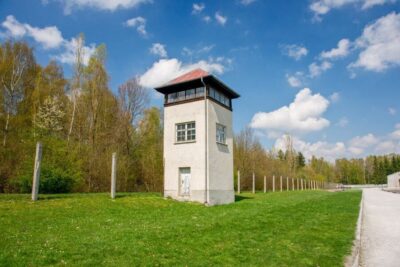 ★ 4.8Dachau Memorial Site Day TourFrom $492,723 reviews
 ★ 4.7Dachau Memorial Site Half-Day TripFrom $622,526 reviews
 ★ 4.9Dachau Memorial Site Full-Day TourFrom $511,406 reviews
 ★ 4.5Dachau Concentration Camp Memorial Tour with Train from MunichFrom $56955 reviews
 ★ 5.0Early-Start Dachau Memorial Half-Day Tour from MunichFrom $62942 reviews
 ★ 5.0Guided Dachau Concentration Camp Memorial Site Tour with Train from MunichFrom $90920 reviews
 ★ 5.0Full-Day Dachau Concentration Camp Memorial Site Tour from MunichFrom $48897 reviews
Browse the lists this tour appears in