
Reviewed · BERCHTESGADEN & EAGLE'S NEST TOURS
From Munich: Berchtesgaden Foothills and Obersalzberg
An Alps view with a dark history lesson. I love how this day trip pairs Obersalzberg viewpoints with WWII context, so the scenery comes with real meaning. If the top can’t be reached, you get a strong backup plan in the salt mines instead, not a disappointing shrug of a change.
Two things I really like: first, the comfort and organization of the luxury bus from Munich, which matters when you’re doing a long day. Second, the option to visit the Nazi Documentation Center Museum and then see either the Kehlsteinhaus (Eagle’s Nest) area or the salt mines, depending on conditions.
One consideration: you’re on the clock for a full 10 hours, and the Eagle’s Nest visit requires an extra special-transport add-on. Also, it’s not a good fit if you have mobility limits or claustrophobia, since parts of the route involve enclosed spaces and an underground elevator.
In This Review
- Key things I’d plan around
- Munich to the Bavarian Alps: how the day starts
- Obersalzberg viewpoints: where the story and the view meet
- Getting up to Kehlsteinhaus: what the Eagle’s Nest visit really involves
- Nazi Documentation Center Museum: why the optional stop is often worth your time
- Bad weather is not failure: Berchtesgaden salt mines as the Plan B
- Price and value: what $80 really gets you (and what to budget extra)
- Timing, comfort, and small practical tips that matter
- Who should book this Obersalzberg day trip
- Final verdict: should you book it?
- FAQ
- How long is the tour from Munich?
- What’s included in the price?
- Is travel to Eagle’s Nest included?
- What happens if the weather is bad?
- Can I visit the Nazi Documentation Center Museum?
- Where do I meet the tour?
- What should I bring?
- Who is this tour not suitable for?
- What’s the cancellation policy?
Key things I’d plan around
- Obersalzberg viewpoints first: the big picture arrives early, so even partial days still feel worth it
- Kehlsteinhaus access needs extra transport: the special bus cost isn’t included in the base price
- A real bad-weather pivot: fog or snow can reroute you to Berchtesgaden’s salt mines
- Nazi Documentation Center Museum: optional, but it helps you connect the dots fast
- Guide-led timing: good logistics keep the group moving through heavy tourist flow
- Comfort matters: bring comfortable shoes for uneven steps and long days of walking
More runs out to Berchtesgaden and the Eagle's Nest
- Berchtesgaden and Eagle’s Nest Day Trip from Munich★ 4.5 · 797 reviews
- From Munich: Berchtesgaden Foothills and Obersalzberg★ 4.6 · 419 reviews
- From Munich: Guided Group Tour to Eagle’s Nest★ 4.8 · 303 reviews
- Private TOUR Munich > Eagle Nest > Königssee > Salzburg > Munich★ 4.5 · 32 reviews
Munich to the Bavarian Alps: how the day starts
This tour is built around one simple idea: you leave Munich and return the same day, but you’re not stuck in one city block. You’ll ride out through the Bavarian Alps region and up the foothills via the Deutsche Alpenstraße (German Alpine Way), known for its winding drive through valleys toward Berchtesgaden.
That drive is a big part of the experience, and it’s exactly why this tour is packaged as a bus day. It’s not just travel time—it’s part of how the scenery gradually changes. One of the most useful things you get from a guided day like this is structure: your guide keeps the group moving, so you’re not trying to figure out which viewpoint has the best angles, or how to time museum visits around tour crowds.
It’s also a long day. Multiple guides in the same tour line up—names like Ursula and Elisabeth show up often—are known for keeping information flowing and the day on track. That matters because you’ll likely spend a good chunk of the day in transit, with stops for photo breaks and opportunities to pick up quick essentials.
Obersalzberg viewpoints: where the story and the view meet
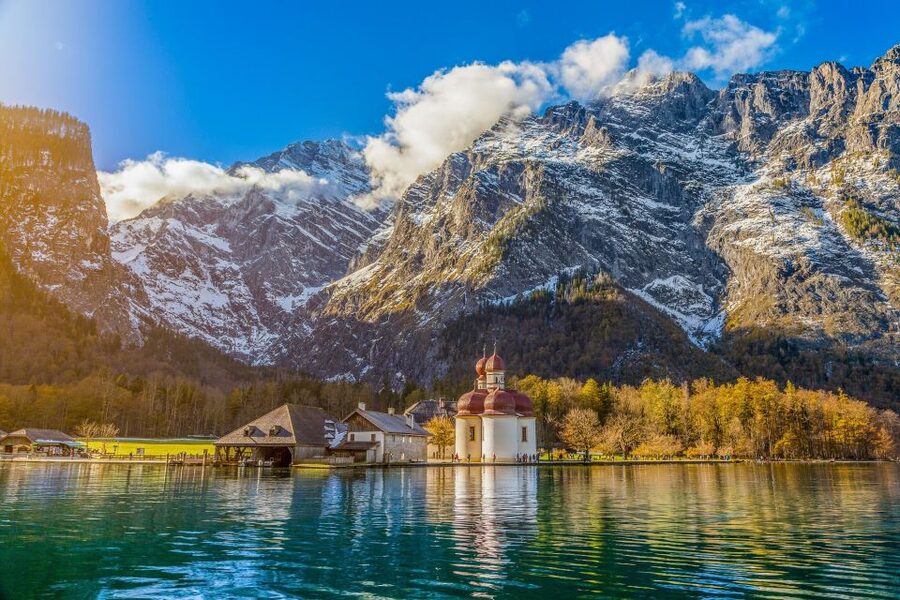
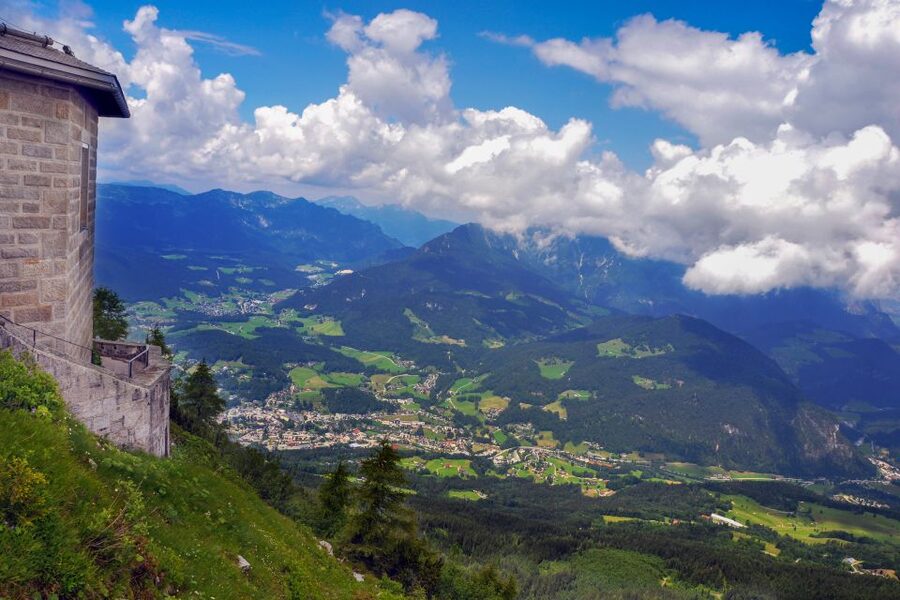
Obersalzberg is the heart of the tour. From here, you get those wide, high-altitude views that make the Berchtesgaden area famous—mountains, valleys, and lakes far below. It’s easy to see why powerful people wanted the place, but it’s equally easy to understand why the site still feels heavy.
Here’s the smart way to use your time at the viewpoint(s): don’t treat it like a quick photo stop. Instead, think of it as your orientation moment. Once you’ve seen the terrain and the scale, the later stops (the museum and the Eagle’s Nest area, if accessible) click into place faster.
Even when weather isn’t perfect, the design of the day still works. If visibility is reduced, the day doesn’t collapse into nothingness—you still get the Obersalzberg experience, and then you pivot to what’s workable (often the salt mine option). That “keep moving” approach is a real value on tours like this.
Getting up to Kehlsteinhaus: what the Eagle’s Nest visit really involves
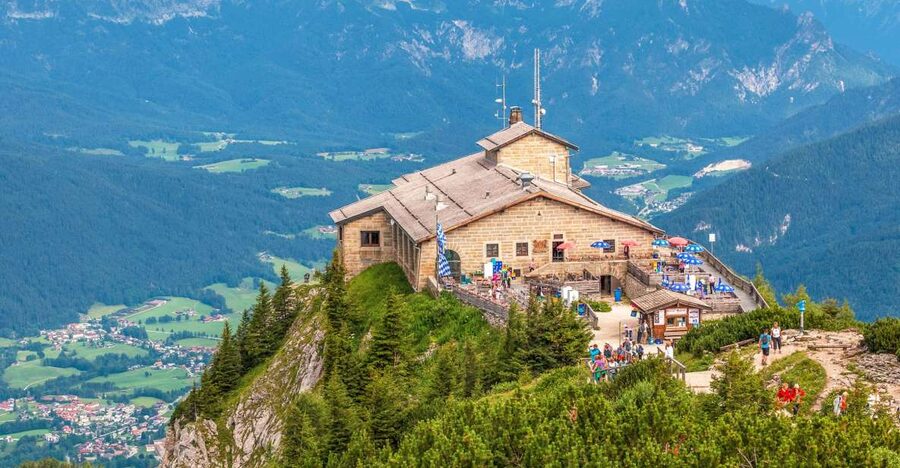
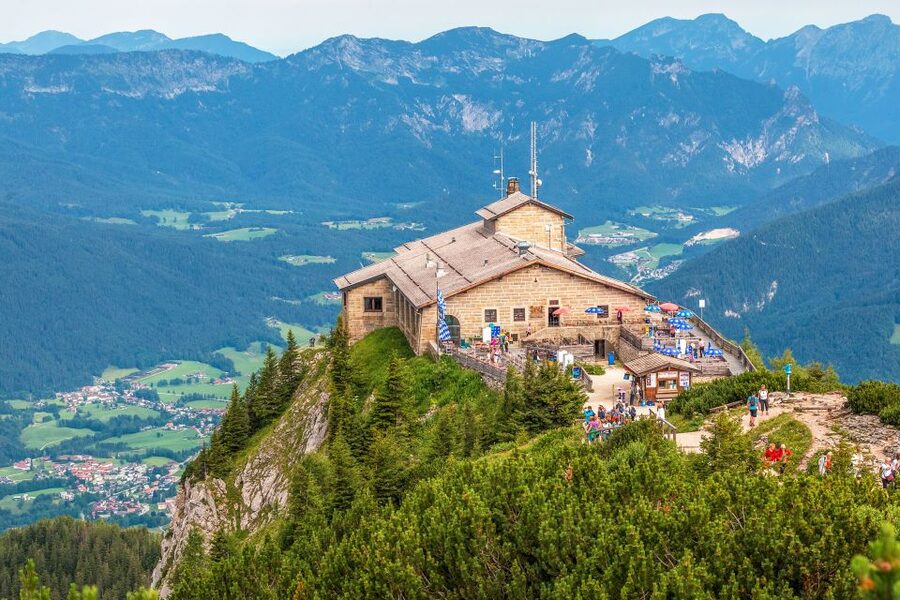
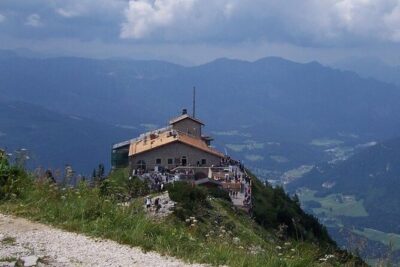
If conditions allow, you’ll aim for Kehlsteinhaus—the Eagle’s Nest retreat—built into the mountain. The big practical detail: the base tour price covers the main guided day, but travel to the Eagle’s Nest with a special bus service costs an additional €35.
That extra transport fee is not a small detail to ignore. It changes your budget and your plan, because the Eagle’s Nest experience is tied to that climb and access system.
Once you’re at the top approach, the experience becomes very “mechanical” in the best way: you transfer onward and go up via an underground elevator (and tunnel route inside the mountain) to reach the viewing area. This is one reason some people find the experience challenging. If you’re sensitive to enclosed spaces, plan for that reality. Also, it’s worth knowing that this part can feel time-efficient but physically intense—short distances, lots of steps or standing, and quick transitions.
Two extra tips I’d follow:
- Have small money as a backup. Some guidance from past participants suggests Eagle’s Nest on-site payment can be touchy, with advice to bring cash even if you’re paying most things by card.
- Don’t wait to take your photos. When the group is moving, the best light can happen during your scheduled window, not after.
The view itself is the payoff. People talk about it in the “wow” language because it truly is a panoramic payoff. But you should also expect a careful tone from your guide: this is a technical feat of engineering paired with a morally complicated past. A good guide (names like Ursula and Andrew’s group mention come up repeatedly) keeps the focus on what the place was used for and how the region was shaped by that era.
- From Munich: Neuschwanstein & Linderhof Castle Full-Day Trip
★ 4.6 · 14,646 reviews - Neuschwanstein & Linderhof Castle-Fairytale Day Tour from Munich
★ 4.5 · 7,275 reviews - Munich: Third Reich & WWII Walking Tour
★ 4.6 · 6,181 reviews
Nazi Documentation Center Museum: why the optional stop is often worth your time
The tour includes an option to visit the Nazi Documentation Center Museum at Obersalzberg. Even though it’s optional on paper, I treat it like a high-value add-on for most visitors because it adds clarity when you’re standing in the landscape where events unfolded.
Without context, Eagle’s Nest can feel like a strange mix of mountain architecture and tourist fun. With the museum, it becomes a coherent lesson: it explains why the area mattered, what was built there, and how the site fits into the wider story.
If you’re a history-focused traveler, this is the stop that most improves your understanding per minute. And even if you’re not, it helps you avoid the trap of turning everything into “just a view.” You’ll leave with better context and fewer blank spots.
Guides in this tour line (for example Elisabeth, Beatrix, and Lotte are recurring names) tend to explain the logistics and what you’re looking at as you move between areas. That’s important at sites where people want to rush. A guided museum visit turns the time into something you’ll actually remember.
Bad weather is not failure: Berchtesgaden salt mines as the Plan B
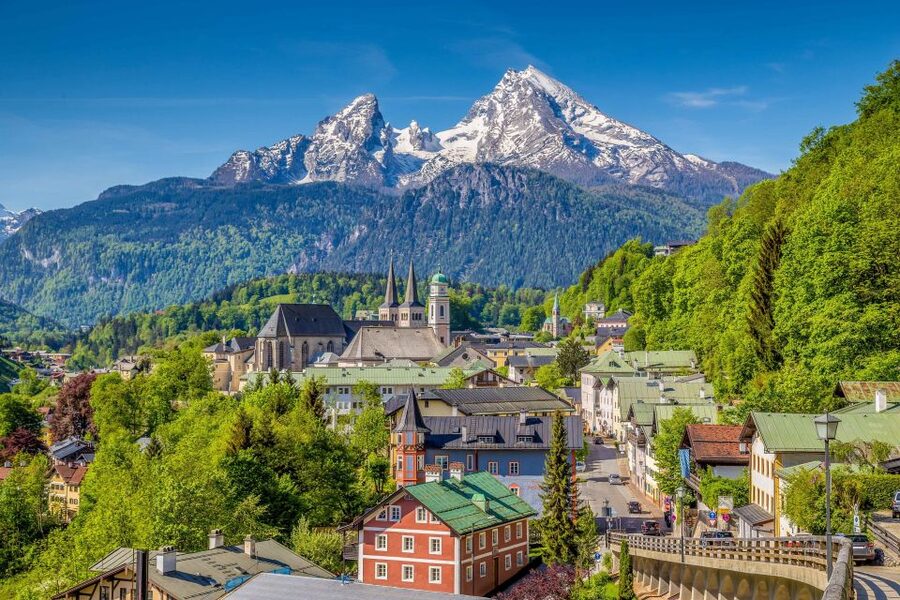
The tour has a clear weather-based switch: when the higher peaks are covered in snow and ice—or when conditions like fog or snow make the top difficult—the itinerary replaces the Eagle’s Nest visit with the salt mines of Berchtesgaden.
This is more than a consolation prize. Salt mines connect you to why this region became famous in the first place. They also give you a different kind of history—less about mansions and more about labor, industry, and what the mountains provided.
Why this alternative works for your day:
- It keeps the tour moving even if the views get blocked
- It adds a physical activity component (underground exploration) that feels like a “real experience,” not just waiting for weather to improve
- It changes the emotional tone—still serious, but grounded in the region’s economic life
One caution: salt mines involve underground spaces, which can be a bad match if you’re claustrophobic. That same “not suitable” warning shows up for the tour overall, so if you’re unsure, take it seriously.
Price and value: what $80 really gets you (and what to budget extra)
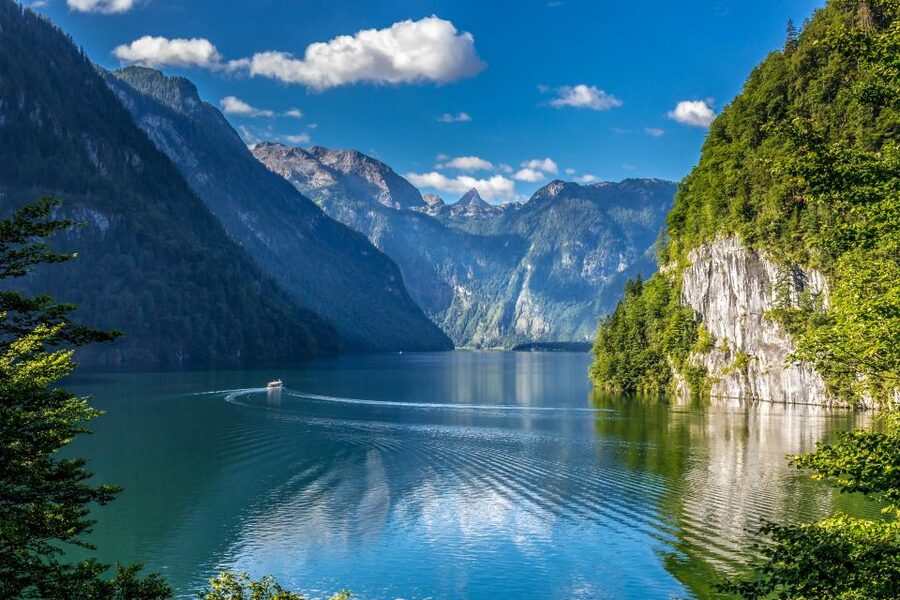
The headline price is listed around $80 per person, and the included basics are straightforward: travel in a luxury tour bus and a tour guide.
For value, here’s how I’d think about it:
- If you’re not renting a car, you’re paying for transport out of Munich and back, plus expert scheduling.
- You’re also paying for time savings. The tour mentions skip-the-ticket-line, which usually matters at high-demand stops.
- The guide’s role isn’t just talking. It’s coordinating timing across the day so you don’t lose half your day to confusion.
Now the key “do the math” part: Eagle’s Nest access requires an additional €35 special-bus fee, and that’s only if conditions allow. So your total day cost could end up closer to “base price + €35,” plus any museum or meals you choose along the way.
Food is a real variable. One review notes that the restaurant was average, and that’s exactly what you should expect in a tourist zone where convenience is the priority. If meals matter to you, plan for flexibility: keep your expectations realistic, and use viewpoints and museum time as your main event.
Also consider that you’re spending a long day away from Munich. That’s good value if you want a curated, no-car solution, but it’s less value if you only want one short attraction and you like exploring independently.
Timing, comfort, and small practical tips that matter
This is a 10-hour tour, and the departure timing matters. Be at the departure stop at least 20 minutes early so the group can load smoothly.
What to bring is simple and important:
- Passport or ID card
- Comfortable shoes (you’ll be standing and walking more than you think)
Also, bring layers. Even in comfortable months, the higher areas can feel cooler than Munich, and weather shifts fast in the Alps.
Comfort details from past experience snapshots show the range you should plan for:
- Some buses have strong air conditioning and feel very comfortable.
- On a hot day, a few participants note AC wasn’t perfect. That doesn’t mean the tour is unreliable, but it does mean you should dress like you’ll be in a vehicle that might run warm at times.
Finally, think about what type of day you want. This tour is structured and guided. It’s not a free-roam day where you can wander for hours without meeting points and transitions.
Who should book this Obersalzberg day trip
This tour is a strong fit if you want:
- A one-day way to see Obersalzberg and either Kehlsteinhaus or salt mines
- Organized transit from Munich with a guided history focus
- A guide-led pace that reduces waiting and confusion
It’s probably not your match if:
- You have mobility impairments (the tour is explicitly not suitable)
- You have claustrophobia (underground elevator and enclosed sections are part of the Eagle’s Nest access and salt mine option)
- You only want a quick stop and don’t enjoy longer days and scheduled transitions
If you’re traveling with older family members or anyone with anxiety around tight spaces, I’d take the suitability warning seriously rather than treating it as a formality.
Final verdict: should you book it?
I’d book this tour if you want a guided, efficient day from Munich that connects dramatic Alpine views with a place that still carries real historical weight. The big reason to choose it is the smart weather fallback: if Kehlsteinhaus can’t be reached, you still get a worthwhile, thematic experience via the Berchtesgaden salt mines.
I’d be cautious about booking if you’re sensitive to enclosed spaces, or if you hate paying extra once you arrive (because €35 for the Eagle’s Nest transport add-on is the most important “surprise cost” to plan for). If you can handle that, you’ll likely find this is a good value way to see a famous corner of Bavaria without the stress of driving and timing.
FAQ
How long is the tour from Munich?
The tour duration is 10 hours.
What’s included in the price?
The price includes travel in a luxury tour bus and a tour guide.
Is travel to Eagle’s Nest included?
No. Travel to the Eagle’s Nest with a special bus service costs an additional €35, payable by credit or debit card only.
What happens if the weather is bad?
In fog or snow (or similar bad weather conditions), the tour will visit the salt mine Berchtesgaden instead of going to the Eagle’s Nest.
Can I visit the Nazi Documentation Center Museum?
Yes, there is the option to visit the Nazi Documentation Center Museum.
Where do I meet the tour?
Meet at Karlsplatz 21–24 in the Gray Line, AutobusOberbayern bus lane.
What should I bring?
Bring your passport or ID card and comfortable shoes.
Who is this tour not suitable for?
The tour is listed as not suitable for people with mobility impairments and people with claustrophobia.
What’s the cancellation policy?
You can cancel up to 24 hours in advance for a full refund.
More Berchtesgaden and Eagle's Nest Trips
Just added to the Munich Explorer notebook

Berchtesgaden & Eagle's Nest Tours, compared.
 ★ 4.0Berchtesgaden and Eagle’s Nest Day Tour from MunichFrom $761,077 reviews
 ★ 4.5Berchtesgaden and Eagle’s Nest Day Trip from MunichFrom $78797 reviews
 ★ 4.8Guided Group Tour to Eagle’s NestFrom $176303 reviews
 ★ 5.0Eagle’s Nest Hiking TourFrom $240133 reviews
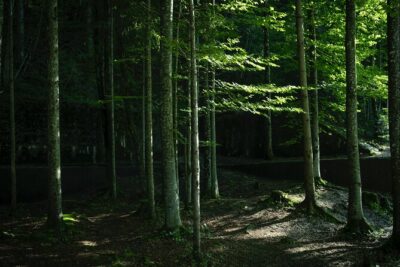 ★ 5.0Eagle’s Nest-Berchtesgaden-Obersalzberg Private Half Day WWII Historical TourFrom $59164 reviews
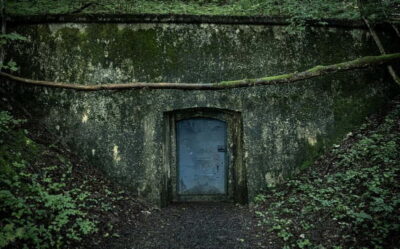 ★ 5.0Berchtesgaden: Private Eagle’s Nest & Obersalzberg WWII TourFrom $57732 reviews
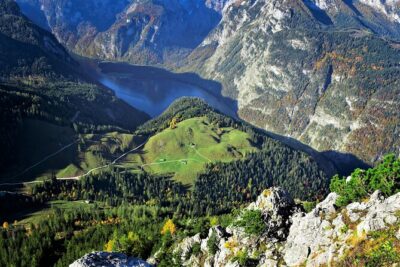 ★ 4.5Private TOUR Munich > Eagle Nest > Königssee > Salzburg > MunichFrom $51032 reviews
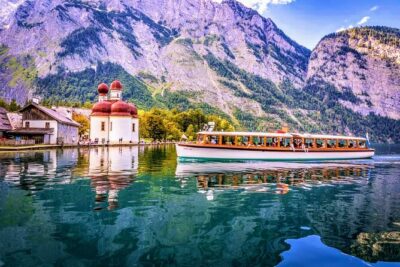 ★ 5.0Eagle’s Nest, Lake Königssee and ‘Fuehrer Headquarters’ Private Tour from MunichFrom $92127 reviews
Browse the lists this tour appears in