
Reviewed · RICKSHAW & PEDICAB TOURS
Exploring Munich in a Rikscha
Munich by rickshaw feels like a shortcut through history. I love the mix of old-town landmarks and English Garden calm, all while you’re being coached by a real guide who knows how Munich thinks. It’s a private ride where the stories can run from the city’s early days to the Second World War and what life looks like today.
My favorite part is how the pace stays human. You get close views, short stops with guidance, and a driver/guide who keeps things feeling safe and smooth, like it’s meant for sightseeing (not just transportation). The main drawback is that the rickshaw is simple in design, so if you expect a fancy carriage look, adjust your expectations. In bad weather, you’ll also want to plan for rain comfort.
In This Review
- Key highlights at a glance
- Riding a modern Munich rikscha: what makes it work
- Starting at Burgstraße 2: your meeting point reality check
- How the one-hour rhythm feels in the street
- Marienplatz charm: why the tour starts here
- Max-Joseph-Platz and the city’s “in-between” moments
- Munich Residenz: seeing big landmark areas without the museum grind
- Odeonsplatz: where the ride adds atmosphere
- English Garden (20 minutes): the best break in the schedule
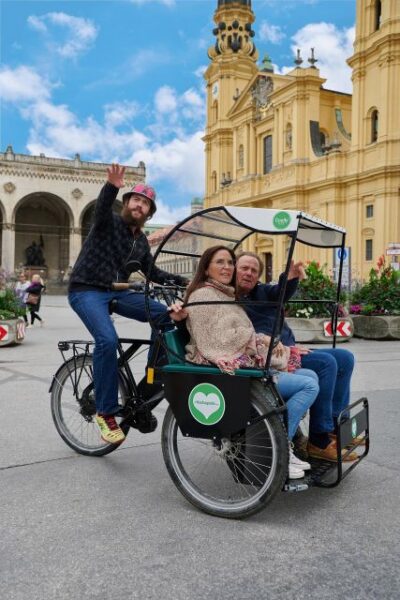
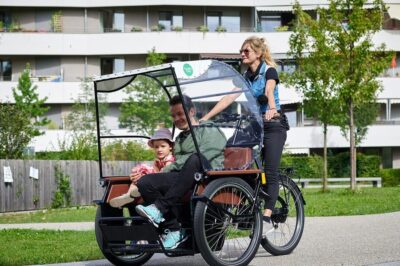
- The rickshaw itself: comfort and the real expectations
- Price and value: $116 for a private rickshaw group
- Who this tour suits best (and who might not)
- Tips to get more out of your hour
- Should you book the Munich rickshaw with Pablo Catalan?
- FAQ
- Where is the meeting point for the Munich rickshaw tour?
- How long is the tour?
- Which places are included in the route?
- How many people can ride in one rickshaw?
- What languages are available for the live tour guide?
- Is the tour wheelchair accessible?
- What does the tour cost?
- Can I cancel and get a full refund?
Key highlights at a glance
- Marienplatz first: you start in the heart of Munich, with an easy orientation that makes the rest click
- English Garden time (20 minutes): a needed breather after city squares and building-lined streets
- Local history storytelling: you’ll connect what you see to Munich’s past and present, stop by stop
- Private group comfort: the rickshaw setup is made for small parties, including up to 1 child with adults
- Guided in multiple languages: Spanish, German, or English depending on your booking
More pedicab spins through the city centre
- Munich: City Highlights Rickshaw Tour★ 4.9 · 150 reviews
- Private Munich Rickshaw City Tour and English Garden★ 5.0 · 49 reviews
- Private and full rickshaw tour in the English Garden★ 4.5 · 10 reviews
- Exploring Munich by Pedicab: Premium Two Hour Tour★ 5.0 · 10 reviews
Riding a modern Munich rikscha: what makes it work
This tour is built for people who want to see a lot without running on fumes. The rickshaw format lets you travel through key areas at street level, with the guide talking as you go. That matters in Munich, where the center can feel compact but still full of details you’d miss walking fast or taking a bus.
What you’re really buying is a mix of close viewing and guided context. The ride brings you near the most recognizable spots, and the storytelling ties them together. You don’t need to be a history expert. You just need curiosity and a willingness to look around as you move.
And yes, it’s eco-friendly transportation, which is a welcome bonus in a city where you’ll otherwise spend time hunting for the right transit option.
Starting at Burgstraße 2: your meeting point reality check
You meet at Burgstraße 2, right in front of the Garibaldi wine shop, just a few steps from Marienplatz. That location is convenient because it drops you into the action immediately—no long preamble needed.
Here’s the practical way to think about the timing: you’re not in for a long “sit and listen” tour. You’re in for short guided segments at each stop, plus the ride between them. If you’re the type who likes to get your bearings fast, this start helps a lot.
One more note: the guide can offer the tour in Spanish, German, or English, so you’ll want to confirm the language you booked if that detail is important for your group.
How the one-hour rhythm feels in the street
The experience runs about 1 hour, with a schedule broken into quick, focused stops. The stops listed are tightly organized:
- Marienplatz (10 minutes)
- Max-Joseph-Platz (10 minutes)
- Munich Residenz (10 minutes)
- Odeonsplatz (10 minutes)
- English Garden (20 minutes)
In real life, that means you’ll spend most of your time alternating between riding and short pauses for the guide to point things out. It’s a smart format if you’re sightseeing with limited time. You won’t feel stretched thin like you might on a longer walking tour.
At the same time, it’s not a “slow, linger, take photos for 30 minutes” kind of tour. If you love long photo stops, plan to add extra time on your own after the tour ends.
- From Munich: Neuschwanstein & Linderhof Castle Full-Day Trip
★ 4.6 · 14,646 reviews - Neuschwanstein & Linderhof Castle-Fairytale Day Tour from Munich
★ 4.5 · 7,275 reviews - Munich: Third Reich & WWII Walking Tour
★ 4.6 · 6,181 reviews
Marienplatz charm: why the tour starts here
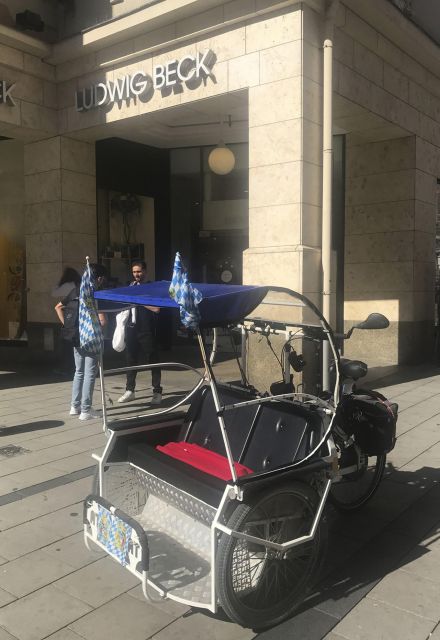
You begin at Marienplatz, one of the most iconic starting points in central Munich. Starting here is clever because it gives you a quick mental map of the city center. You’re not guessing where things are—you’re oriented right away.
During the guided time (10 minutes), the guide sets the tone for the themes you’ll hear throughout: Munich’s development over time, and how the city has changed from its foundation through major modern turning points to today’s Munich. The way it’s presented tends to be practical—less textbook, more “this is why that spot matters.”
What I like about this stop for first-timers is that Marienplatz is the kind of place where you can immediately understand why locals care. Even if you’re not a repeat visitor, you walk away feeling like you’ve entered the real center.
Max-Joseph-Platz and the city’s “in-between” moments
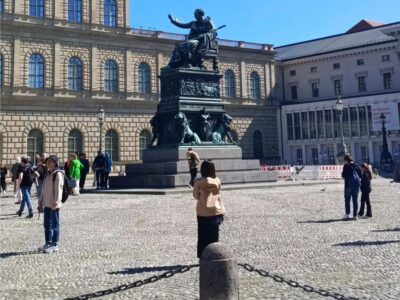
Next up is Max-Joseph-Platz (10 minutes). This stop is one of those locations that often gets overlooked if you only chase big attractions. It works well inside this tour because the guide keeps momentum—so you see the square, but you also get the context that makes squares feel like more than open space.
This is also a good moment for the guide to connect earlier story themes to what’s around you now. If you’re the kind of person who likes to understand why a city looks the way it does, you’ll probably find this stop helpful.
If you’re disappointed by anything, it might be this: it’s a shorter stop. You won’t leave with a deep, detailed “only this square matters” explanation. You’ll leave with a clearer sense of how different parts of central Munich relate.
Munich Residenz: seeing big landmark areas without the museum grind

You’ll then spend time around the Munich Residenz area (10 minutes). The value here isn’t that you’re doing a full museum experience—it’s that you get a guided “street view” understanding while you’re riding through the old-city core.
This works for people who want to say they saw it, not people trying to tick every internal room off a checklist. If you want the deeper history or architecture study, you can treat this as your orientation stop—and then plan your own follow-up later.
I also like that the stop length matches the tour format. You’re less likely to feel trapped in long explanations. Instead, you get just enough direction to make your own exploring easier after you’re back on your feet.
Odeonsplatz: where the ride adds atmosphere
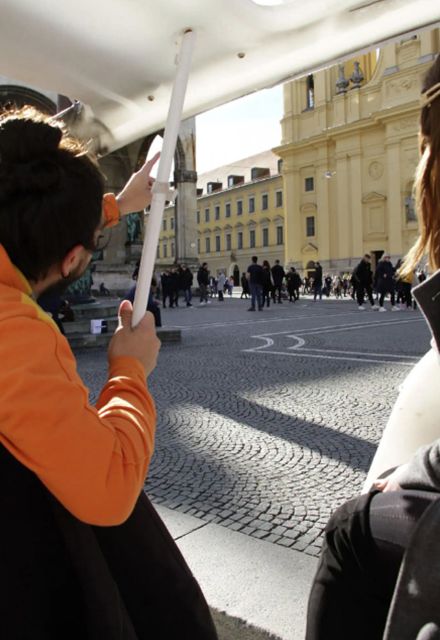
At Odeonsplatz (10 minutes), the tour keeps you moving through classic city scenery. This part of the route is where the experience starts to feel more like “Munich as a place” rather than “Munich as a list of sites.”
Because the guide is combining what you see with what Munich has been through, this stop can land emotionally—especially if you pay attention to the way the city’s story is framed. The tour doesn’t just point at buildings. It connects them to the broader arc of Munich’s past.
A practical tip: if you’re planning to take photos, have your camera ready during the stop windows. There’s enough time to capture the moment, but the pace is still designed for efficiency.
English Garden (20 minutes): the best break in the schedule
Then you head to the English Garden for the longest single segment (20 minutes). This stop is a big reason the tour feels worth it even if you’ve already seen some central Munich sights from the outside.
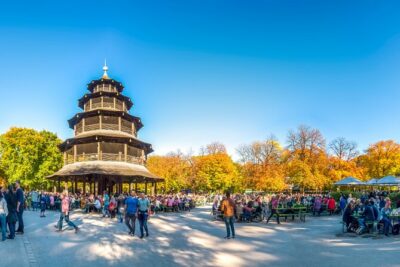
Why? Because it gives you a change of pace. You trade intense city-street energy for a calmer, more open environment. The guide’s comments here help you notice more than just scenery—you start to understand the garden as a living part of Munich, not a postcard background.
In my view, the garden time is the “balancing act” of the tour. Without it, you’d have a pure old-town loop. With it, you get contrast: history and movement up front, then a calmer stretch where you can reset your senses.
The rickshaw itself: comfort and the real expectations
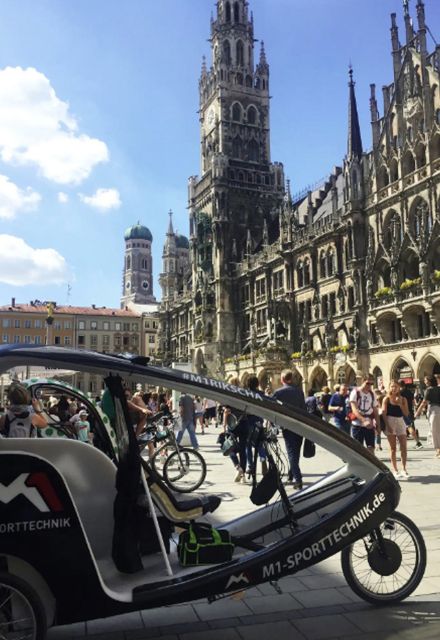
The rickshaw is a modern, eco-friendly ride, and the experience is guided by Pablo Catalan, with over 10 years of conducting tours in Munich. In practice, that shows in how smoothly things run and how confident the driver/guide feels.
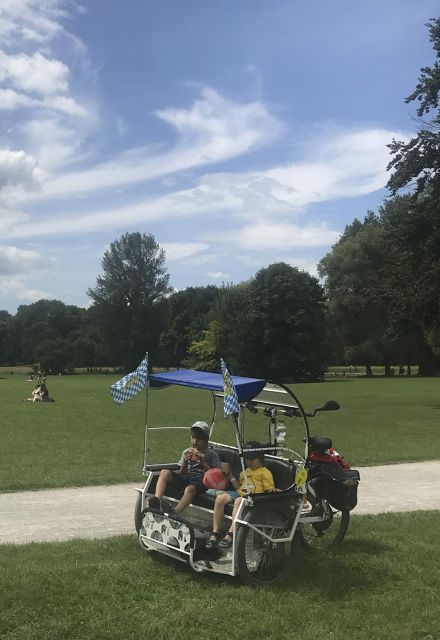
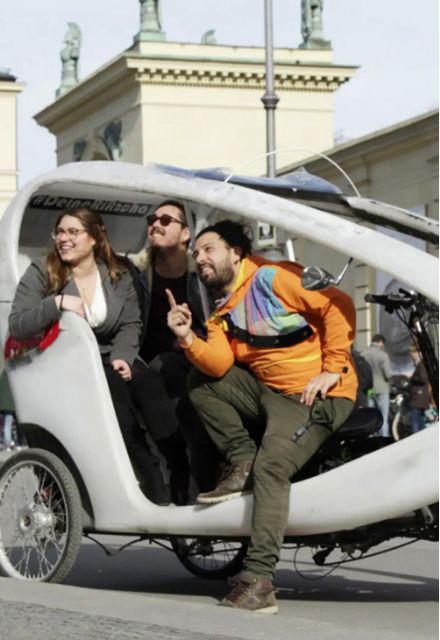
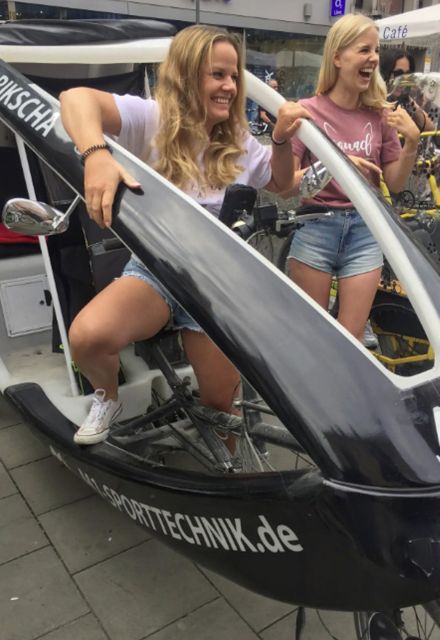
Comfort-wise, this is important: the rickshaw is not a luxury vehicle. One note you should keep in mind is that the setup can look simpler than the photos might suggest—more like a bike-style vehicle with a seat bench. That doesn’t automatically make it uncomfortable, but it does affect how you should imagine the experience.
Weather matters too. If you’re touring in rain, consider bringing a light rain layer. One experience noted the ride could be better in rain, which is exactly the kind of thing you can plan around now rather than regret later.
Also, it’s not suitable for wheelchair users, so if anyone in your group needs that kind of accessibility, you’ll want a different option.
Price and value: $116 for a private rickshaw group
The price is listed as $116 per group up to 2 for about 1 hour. That pricing can feel high if you’re thinking like a budget bus rider. But if you’re comparing it to what you actually get—your own private rickshaw, guide commentary, and a tight route across top areas—its value becomes clearer.
This is especially good for:
- Couples who want an easy, guided first pass through Munich
- Small groups who don’t want to merge with strangers
- Families traveling with a child (since the rickshaw allows up to 2 adults and 1 child)
One caution: the price is described as per group up to 2, but the vehicle also allows an extra child. If you’re traveling with a child, double-check how the pricing applies to your exact booking setup.
For families, the big value is time and comfort. Instead of walking long distances with a child, you get an experience that keeps you moving without turning it into a full-day endurance event.
Who this tour suits best (and who might not)
This tour fits best if you want:
- A guided orientation to central Munich
- A quick route that includes Marienplatz through key squares and ends at the English Garden
- Storytelling that covers Munich’s major historical arc, from foundation through WWII to the present
It might not be ideal if you:
- Need a wheelchair-accessible vehicle
- Expect a highly polished luxury rickshaw style
- Want a very long stop-by-stop exploration at each location
Still, the overall rating of the experience is very strong, and a standout theme from real feedback is that the guide/driving feels fun, safe, and history-smart. That combination is what makes a short tour feel like more than its clock time.
Tips to get more out of your hour
A few small choices can make this ride more satisfying:
- Wear comfortable shoes anyway. You’ll be getting on/off and walking a bit at stops.
- Bring a light layer if the weather shifts. Short pauses and outdoor garden time can catch you.
- If you care about language, pick Spanish, German, or English intentionally. It changes how quickly you can connect with the stories.
- Use the tour as a “first pass.” After the ride, you’ll know what areas you’d want to return to on your own.
Also, take the guide up on the local recommendations. The operator mentions they’ll share additional suggestions for other places and activities, and that’s often where the real Munich magic happens—because it’s tailored to what you like.
Should you book the Munich rickshaw with Pablo Catalan?
If you want a smart, private way to see major Munich highlights in about an hour, I think it’s a great call. The route covers the core of central Munich and includes the English Garden as a real pause, not just a quick glance. Add in a guide like Pablo Catalan, with long experience and multilingual options, and you’ve got a format that works well for first-timers and time-crunched visitors.
Book it if you’re excited by street-level sightseeing and you like history explained in an easy, human way. Pass on it if you need wheelchair accessibility or you’re expecting a fancier rickshaw ride than what a simple, bench-style vehicle provides.
FAQ
Where is the meeting point for the Munich rickshaw tour?
The meeting point is at Burgstraße 2, in front of the Garibaldi wine shop, just a few steps from Marienplatz.
How long is the tour?
The experience is listed as 1 hour.
Which places are included in the route?
The tour includes guided stops at Marienplatz, Max-Joseph-Platz, Munich Residenz, Odeonsplatz, and the English Garden.
How many people can ride in one rickshaw?
Each rickshaw accommodates a maximum of 2 adults and 1 child.
What languages are available for the live tour guide?
The live tour guide is available in Spanish, German, and English.
Is the tour wheelchair accessible?
No. It is listed as not suitable for wheelchair users.
What does the tour cost?
The price is listed as $116 per group up to 2.
Can I cancel and get a full refund?
Yes. The tour offers free cancellation up to 24 hours in advance for a full refund.
More Pedicab Rides in Munich




Just added to the Munich Explorer notebook

Rickshaw & Pedicab Tours, compared.
 ★ 4.9City Highlights Rickshaw TourFrom $117150 reviews
 ★ 5.0Private Munich Rickshaw City Tour and English GardenFrom $13049 reviews
 ★ 5.0Exploring Munich by Pedicab: Premium Two Hour TourFrom $15910 reviews
 ★ 4.5Private and full rickshaw tour in the English GardenFrom $15510 reviews
 ★ 5.0Day-rent rickshaw and explore Munich yourselfFrom $1598 reviews
 ★ 5.0Knowing Munich in a RikschaFrom $1187 reviews
Browse the lists this tour appears in