
Reviewed · BERCHTESGADEN & EAGLE'S NEST TOURS
Berchtesgaden: Via Ferrata Beginner Tour of Schützensteig
First rungs, big Bavarian views, and steady coaching. This via ferrata beginner tour on Schützensteig in Berchtesgaden pairs hands-on technique with soaring alpine panorama over Berchtesgadener Land. I like that you feel the rock up close while your guide keeps everything calm and teachable, but do note it’s not a good fit if you’re truly afraid of heights.
You’ll spend about 4 hours learning the core skills: how to belay, how to climb through the fixed sections, and how to rest safely. The tour runs with German or English instruction, and the coaching style comes through in the reviews—people mention guides like Lukas, Christoph, Helmut, and Willi turning nerves into progress, even when there’s initial hesitation.
In This Review
- Key points before you climb Schützensteig
- Schützensteig above Berchtesgaden: why this beginner course works
- Your 4-hour plan: from harness fitting to moving on the course
- Belaying, resting, and climbing: the skills that make your next via ferrata easier
- The views over Berchtesgadener Land: your payoff, not just a bonus
- Guides in the driver’s seat: how coaching shows up on Schützensteig
- Price and value: what $104 buys (and what you still need to cover)
- What to bring for comfort on the rungs
- Who should book this Schützensteig beginner tour?
- Should you book the Berchtesgaden via ferrata beginner tour of Schützensteig?
- FAQ
- How long is the Berchtesgaden Schützensteig via ferrata beginner tour?
- What’s included in the $104 per person price?
- What language(s) will the instructor use?
- Where do we meet, and is there parking?
- What should I bring with me?
- Is the tour suitable for kids or people afraid of heights?
Key points before you climb Schützensteig
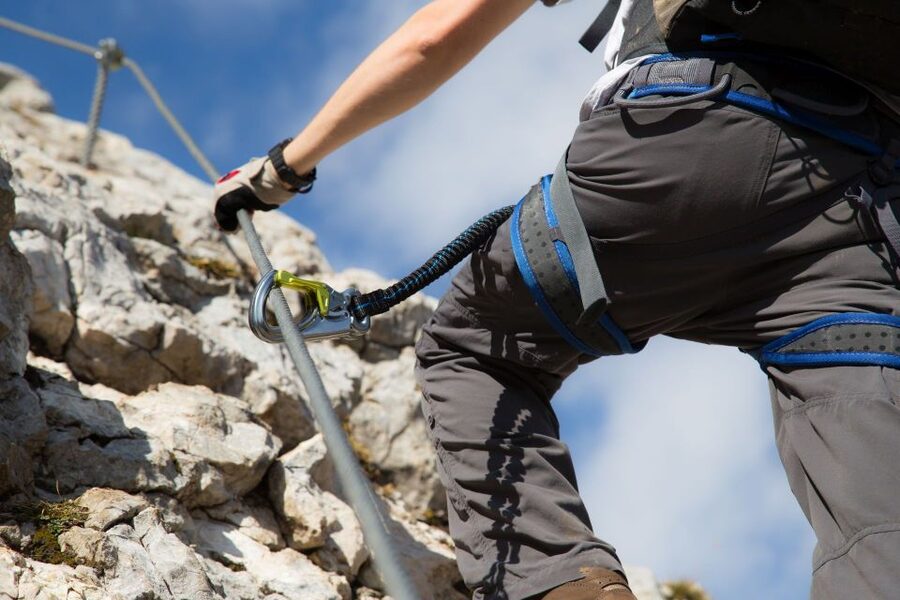
- Beginner route with real structure: You train on Schützensteig with difficulty that can run A/B to B, depending on level.
- Gear is included: You get a harness, helmet, gloves, and a via ferrata kit, so you can travel light.
- You learn belaying and resting: This isn’t just climbing for photos; it’s technique you can reuse next time.
- Big scenery payoff: Rolling green hills, snow-capped peaks, and blue lakes show up from above.
- Guides adapt to you: Reviews highlight calm reassurance and translation between German and English.
- Plan for effort: This is an active mountain activity; you’ll want hiking shoes and weather-ready clothes.
More runs out to Berchtesgaden and the Eagle's Nest
- Eagle’s Nest-Berchtesgaden-Obersalzberg Private Half Day WWII Historical Tour★ 5.0 · 64 reviews
- Berchtesgaden: Private Eagle’s Nest & Obersalzberg WWII Tour★ 5.0 · 32 reviews
- Berchtesgaden-Obersalzberg Private Half Day WWII Historical Tour★ 5.0 · 17 reviews
- Berchtesgaden: Via Ferrata Beginner Tour of Schützensteig★ 4.7 · 15 reviews
Schützensteig above Berchtesgaden: why this beginner course works
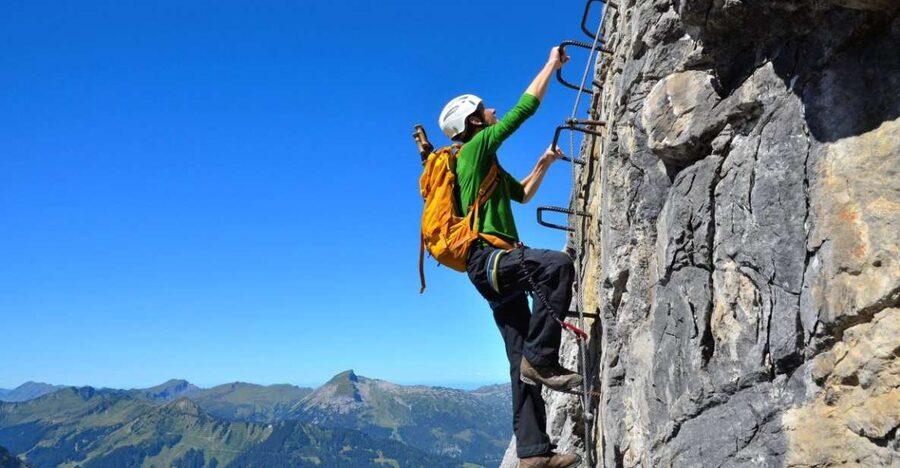
Schützensteig is one of those “first via ferrata, not a stunt” routes. The Schützensteig course is designed so beginners can get on the rock, use the metal aids, and still learn how to move with confidence instead of forcing it.
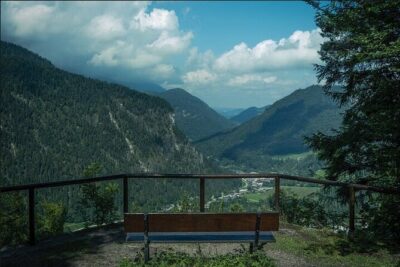
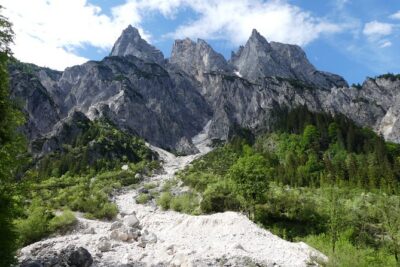
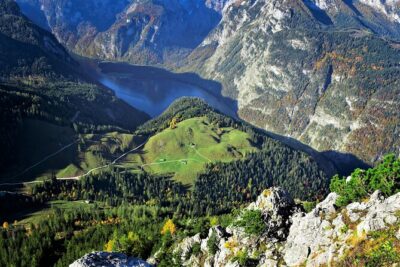
The best part for most people is the combination of hands-on climbing and a real mountain setting. You’re up among the Bavarian peaks long enough to feel like you left the village behind. From the fixed route and viewpoints, you’ll take in a mix of green plains and hills, snow-capped peaks, and blue lakes—the kind of variety that makes the work feel worth it.
One thing to keep straight: even “beginner” via ferrata can include sections that feel exposed. The difficulty range is given as A/B and B depending on your level, so you should go in thinking of this as skill-building with some nerve-factor, not a gentle stroll.
Your 4-hour plan: from harness fitting to moving on the course
This tour is built around a simple flow: gear up, learn the basics, then spend time on the mountain. You meet your guide at the beginning of the tour, and there’s parking in the large parking lot (with a fee).
Here’s what your time on the clock likely feels like, based on what the tour focuses on:
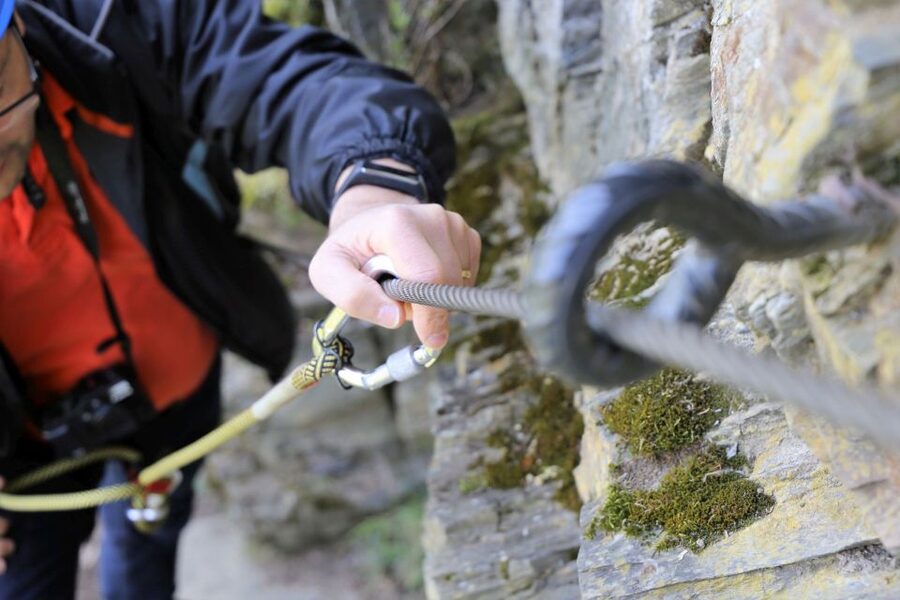
- Gear and safety basics: You’ll be fitted with your harness and you’ll go over how the via ferrata kit works.
- Technique lesson: You practice or at least walk through the motions of belaying, climbing rhythm, and how to pause/recover safely.
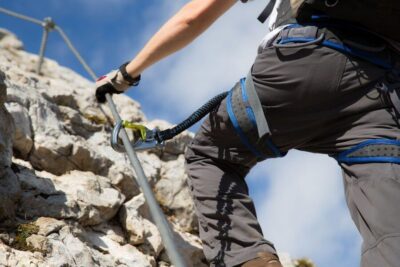
- On-route time: Then you actually move through the Schützensteig track, using the fixed cables, rungs, and holds.
- Guided control: Your guide stays with you so you can learn “what good looks like” and adjust when you feel stuck.
The duration matters because via ferrata isn’t only about reaching a top. In about four hours, you can learn the basics and still get enough climbing reps to feel like you earned the views.
If you show up underprepared, the four hours can feel longer. Bring food and drinks (listed as not included) so you’re not forced to power through tired and hungry.
Belaying, resting, and climbing: the skills that make your next via ferrata easier
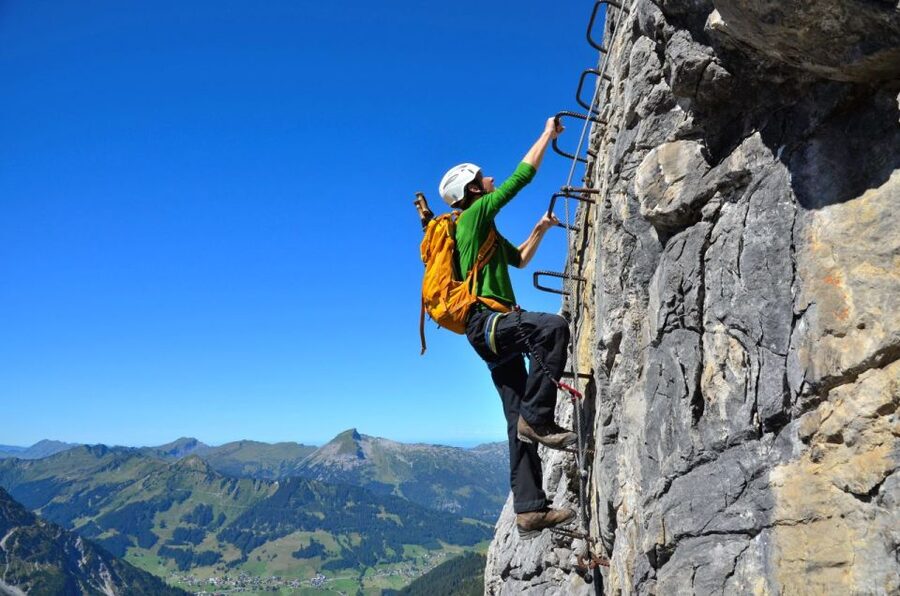
Many first-timers think via ferrata is just grabbing holds and going up. The guide-led part is what changes everything. This tour explicitly covers three things:
- Belaying basics
- Climbing technique
- Resting methods
The practical value is huge. Belaying isn’t just jargon—it’s how you stay safer and move smoother when conditions or your nerves change. Even if you never plan to “self-guide” later, learning why things are done a certain way helps you climb with better control.
Resting is the underrated skill. If you’ve never climbed on fixed lines, you might assume you must keep moving. The course teaches you how to pause appropriately so you can reset your balance and breathing instead of burning energy.
Climbing technique is also where your confidence grows fastest. When you learn where to place hands and feet, and how to keep your body stable on the cable system, you stop feeling like you’re wrestling the route. One review notes the feeling of the rock with your fingertips—exactly what you should expect as part of the “real climbing” experience, not just a cable walk.
- Eagle’s Nest Berchtesgaden Private Full Day WWII Historical Tour
★ 5.0 · 15 reviews
The views over Berchtesgadener Land: your payoff, not just a bonus
Yes, the scenery is famous, but the bigger point is how it changes the vibe of the climb. You’re not just climbing for bragging rights. You get a steady stream of outlook moments where you can see farther than you can from typical hiking trails.
The tour’s description calls out:
- rolling green plains and hills
- snow-capped peaks
- blue lakes
That variety helps you mentally stay with the route. When you’re on a via ferrata section that tests your nerves, it helps to know there will be a breather point and a view waiting. And since the tour includes resting practice, those outlook pauses aren’t random—they’re part of your learning and recovery.
If you’re someone who enjoys mountain photography, this is good. If you’re someone who hates cameras and just wants fresh air and movement, it’s still good. Either way, you’ll come away with the feeling that you experienced the mountains from a different angle.
Guides in the driver’s seat: how coaching shows up on Schützensteig
On a beginner via ferrata, the guide can be the difference between a fun win and a stressful slog. This is where the reviews are strong.
People specifically mention guides such as Lukas and Christoph having helpful conversations on the way to the climbing sections, including encouraging you to say you’re not ready rather than following group pressure. That matters because via ferrata is as much about managing fear and decision-making as it is about strength.
Another review highlights Helmut giving clear instructions, including translating from German to English when needed. Translation isn’t a small detail out here. It affects your safety choices and your ability to understand how to belay, climb, and rest.
Then there’s Willi, described as knowledgeable, empathetic, and funny. The humor and empathy angle is practical: it keeps tension down and helps you focus on technique.
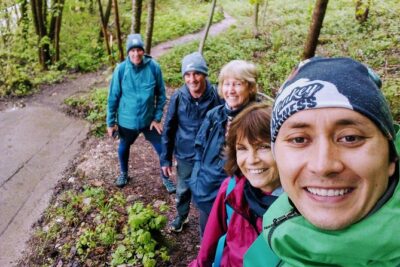
One reviewer also notes the group was small—five participants, which led to more personal guidance. Small group size isn’t guaranteed by the facts given, but it’s a common sign that your guide will have time for corrections and questions rather than rushing the entire crew.
Price and value: what $104 buys (and what you still need to cover)
At $104 per person, the value is pretty straightforward: the tour includes the gear and the guide time, and it gives you a structured introduction to an alpine skill.
Included items:
- via ferrata kit
- helmet
- gloves
- harness
- mountain guide
- via ferrata course
That matters because renting or buying a proper setup can be expensive once you add up harness, helmet, and the kit. Here, you’re not expected to bring your own equipment.
Not included:
- food and drinks
- cable car tickets
So plan on bringing snacks or a simple meal. If you rely on buying something nearby, your experience could get choppy, especially if weather shifts and your start time changes. Also, don’t assume a cable car is part of the package—you may need to pay separately if your route includes it.
There’s also a parking fee in the large parking lot. It’s minor, but it’s better to budget for it than be surprised.
Finally, the free cancellation window is listed as up to 7 days in advance for a full refund. That’s a nice buffer when you’re dealing with mountain weather.
What to bring for comfort on the rungs
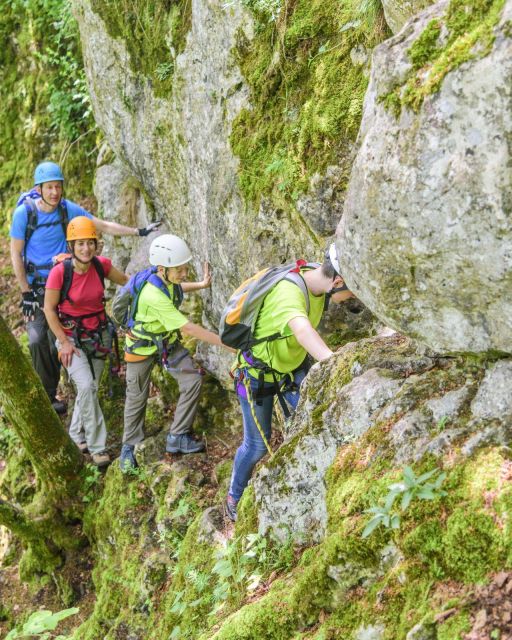
This is a “small planning, big comfort” tour. Bring:
- food and drinks
- hiking shoes
- weather-appropriate clothing
Hiking shoes are the key line. Via ferrata shoes are ideal, but if you’re not bringing special footwear, then at least make sure your shoes grip well and feel stable on rocky surfaces. You’ll be stepping on holds and moving with purpose, so sloppy footwear turns the climb into work.
For clothing, think layers plus rain readiness. You’ll be active for about four hours, and alpine conditions can change quickly.
What not to bring:
- alcohol and drugs
That one is simple, and for safety reasons it makes sense.
Also, this tour is not suitable for people afraid of heights, and it’s not for children under 10. If you’re on the edge—telling yourself you might manage but you’re unsure—be honest before you go. The guide coaching is meant to help you learn, but physics is physics.
Who should book this Schützensteig beginner tour?
Book it if:
- you’re new to via ferrata and want instruction, not just access to a route
- you can handle heights with reasonable comfort (even if you feel nervous at first)
- you have some hiking experience and want to turn that into a new alpine skill
- you want a guided day that ends with big mountain views
Consider skipping or choosing a different option if:
- you’re strongly afraid of heights
- you don’t feel ready for a beginner course that includes difficulty up to B depending on your level
If you’re traveling solo, this can still work well because your guide can adjust coaching. If you’re traveling as a pair or with friends, it’s also a good choice because the instruction helps everyone move together more safely and confidently.
Should you book the Berchtesgaden via ferrata beginner tour of Schützensteig?
If you want your first via ferrata to be structured, gear-included, and coached by a guide who talks you through belaying, climbing, and resting, this tour is a strong match. The price is fair for what you get, especially since equipment is included and the time is focused on real technique.
I’d book it if you’re comfortable on mountain hikes and can handle exposure without panic. If heights are a hard no, don’t force it—save your energy for a hike where you can enjoy the views without stress.
If you’re somewhere in the middle, go with your honest instincts and be ready to tell your guide what you can and can’t do. That’s exactly the kind of coaching this course seems built to support.
FAQ
How long is the Berchtesgaden Schützensteig via ferrata beginner tour?
The duration is 4 hours.
What’s included in the $104 per person price?
The tour includes a via ferrata kit, helmet, gloves, harness, a mountain guide, and the via ferrata course.
What language(s) will the instructor use?
The instructor offers German and English.
Where do we meet, and is there parking?
Meet your guide at the beginning of the tour. There is parking available in the large parking lot, and a parking fee applies.
What should I bring with me?
Bring food and drinks, hiking shoes, and weather-appropriate clothing.
Is the tour suitable for kids or people afraid of heights?
No. It’s not suitable for children under 10 years, and it’s also not suitable for people afraid of heights.
More Berchtesgaden and Eagle's Nest Trips
Just added to the Munich Explorer notebook
Berchtesgaden & Eagle's Nest Tours, compared.
 ★ 4.0Berchtesgaden and Eagle’s Nest Day Tour from MunichFrom $761,077 reviews
 ★ 4.5Berchtesgaden and Eagle’s Nest Day Trip from MunichFrom $78797 reviews
 ★ 4.6Berchtesgaden Foothills and ObersalzbergFrom $80419 reviews
 ★ 4.8Guided Group Tour to Eagle’s NestFrom $176303 reviews
 ★ 5.0Eagle’s Nest Hiking TourFrom $240133 reviews
 ★ 5.0Eagle’s Nest-Berchtesgaden-Obersalzberg Private Half Day WWII Historical TourFrom $59164 reviews
 ★ 4.5Private TOUR Munich > Eagle Nest > Königssee > Salzburg > MunichFrom $51032 reviews
 ★ 5.0Berchtesgaden: Private Eagle’s Nest & Obersalzberg WWII TourFrom $57732 reviews
Browse the lists this tour appears in