
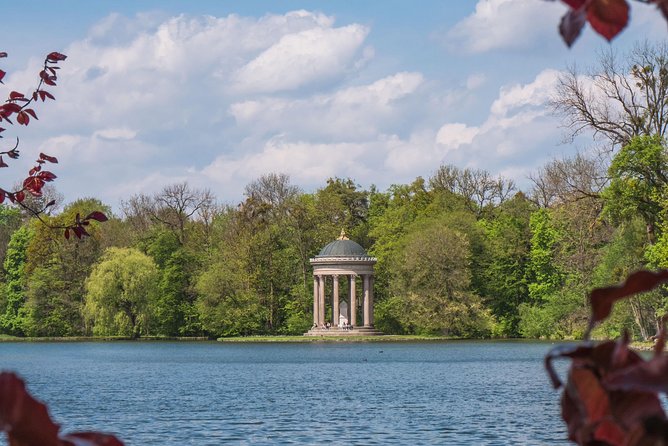
Reviewed · NYMPHENBURG PALACE TOURS
Private Tour of Nymphenburg Palace and Gardens
Nymphenburg Palace feels like a royal day out. This private tour gives you room-to-breathe pacing plus admission tickets included, so you can focus on the place instead of planning every step. The one thing to watch: it’s not a sit-everywhere kind of tour, and you’ll do real walking from the station and through the gardens.
I especially liked how the guide, Tom (from Tom’s Tours), explains what you’re looking at in plain language, then gives you time to wander the palace rooms yourself. It’s also genuinely practical: you meet at Hauptbahnhof, take public transport, and arrive with tickets already handled.
If you want a bigger-than-guidebook visit—palace rooms, then the garden pavilions—this is a strong match. If you hate walking or need fully step-free access, you’ll want to think carefully about the walking sections.
In This Review
- Key highlights at a glance
- Entering Nymphenburg: why it feels different from other Munich sights
- Meeting at Hauptbahnhof and getting there without ticket chaos
- Nymphenburg Palace rooms: baroque splendor with court-life context
- Gardens at your pace: fountains, statues, and pavilion hopping
- Amalienburg, Badenburg, Pagodenburg, Magdalenenklause: the pleasure buildings
- Amalienburg (hunting lodge and Rococo style)
- Badenburg (a baroque swimming pool concept)
- Pagodenburg (Chinese-inspired mini pleasure palace)
- Magdalenenklause (hermitage, shell grotto, and a miracle spring)
- Seasonal heads-up for these garden pavilions
- Schloss Nymphenburg Marstallmuseum: carriages when the season shifts
- How the 5 hours really feel: timing, pacing, and walking
- Value check: what you’re paying $192.77 for
- Who should book this private tour (and who might skip it)
- Final verdict: should you book Tom’s Nymphenburg Palace and Gardens tour?
- FAQ
- How long is the Nymphenburg Palace and Gardens private tour?
- Where does the tour start?
- Is the tour offered in English?
- Are admission tickets included?
- Which parts may be closed during winter?
- What time does the tour run?
Key highlights at a glance
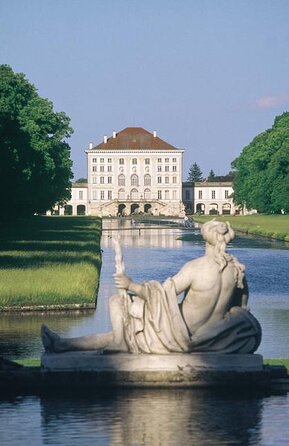
- Tom’s storytelling turns court life and palace design into something you can actually picture
- Tickets included for the main palace visit and multiple garden buildings
- Free time inside the palace so you can see at your own speed
- Gardens are a true highlight, mixing formal layouts with English-style strolls
- Season matters: some garden pavilions close from mid-October to late March
- Private format means just your group, with space to ask questions
More time in the Nymphenburg halls and gardens
- Munich: Nymphenburg Palace Entry Ticket★ 3.9 · 327 reviews
- Munich Nymphenburg Palace & Carriage Museum Fast-Track Tour★ 4.9 · 57 reviews
- Munich Nymphenburg Palace & Carriage Museum Fast-Track Tour★ 4.5 · 32 reviews
- Munich: Nymphenburg Palace OR Residenz Guided Tour★ 4.4 · 31 reviews
Entering Nymphenburg: why it feels different from other Munich sights
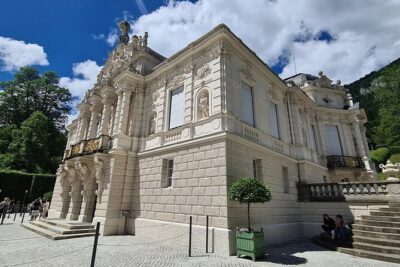
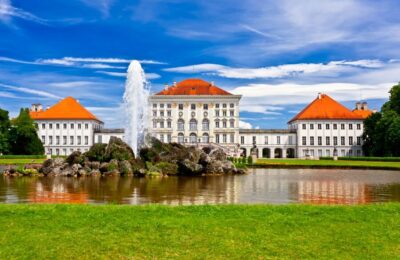
Nymphenburg isn’t just another palace stop. It’s a whole day’s worth of moods: big baroque rooms inside, then calmer garden paths outside, with pavilions that look like they were designed for daydreaming and power games at the same time.
What makes it compelling is the mix of theater and context. In the palace, you’re not only looking at ornate rooms—you’re also hearing how the royal household ran, who had influence, what servants did all day, and how daily life at court could swing from romance to routine. Outside, the buildings aren’t random decorations; they connect to the way the Electors and rulers used the estate.
Meeting at Hauptbahnhof and getting there without ticket chaos
The meeting point is Hauptbahnhof (Munich’s main station), right by public transit connections. That’s a big deal for value, because the biggest self-guided headache is often the sequence: which tram, where to enter, and how long lines or ticket booths can take.
From the station, you’ll go by public transport to the palace area. This keeps the trip simple and cuts out the stress of coordinating rides on your own. It’s also why I like the start time window—service runs in the morning, around 9:30–10:00 AM.
One practical note: if you request a different meeting location (like a hotel lobby), you might walk a bit more than the usual station-based meet. The tradeoff can still be worth it if the location is convenient, but it’s good to expect a short walk.
Nymphenburg Palace rooms: baroque splendor with court-life context
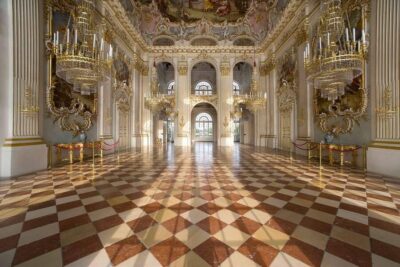
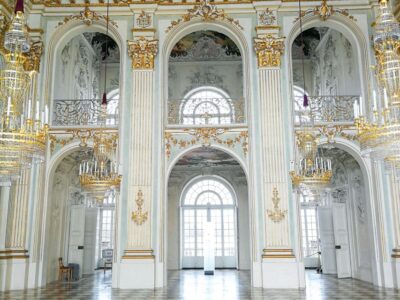
Inside, the focus is on key palace rooms—not every corner of a huge complex. Expect a guided route that highlights the big features and the stories behind them, then a block of free time for you to explore the rooms yourself.
This is where a guide earns their keep. Without context, baroque rooms can blur together: gilded surfaces, grand halls, and fancy ceilings all look impressive but similar. With Tom, you get a clearer sense of what each space was for and how the royal family actually lived and behaved—everything from political maneuvering to the everyday rhythm of staff.
You’ll also get a sense of the palace’s role as a kind of political stage. That’s where the tour’s court-life framing really lands. The effect is like seeing the palace not as a set piece, but as part of a real system of power.
Possible drawback: because it’s a focused route, you won’t see the entire palace. If you’re the type who needs to tick off every room with no gaps, plan to treat this as a highlight-focused visit with time to roam, not a full inventory tour.
- From Munich: Neuschwanstein & Linderhof Castle Full-Day Trip
★ 4.6 · 14,646 reviews - Neuschwanstein & Linderhof Castle-Fairytale Day Tour from Munich
★ 4.5 · 7,275 reviews - Munich: Third Reich & WWII Walking Tour
★ 4.6 · 6,181 reviews
Gardens at your pace: fountains, statues, and pavilion hopping
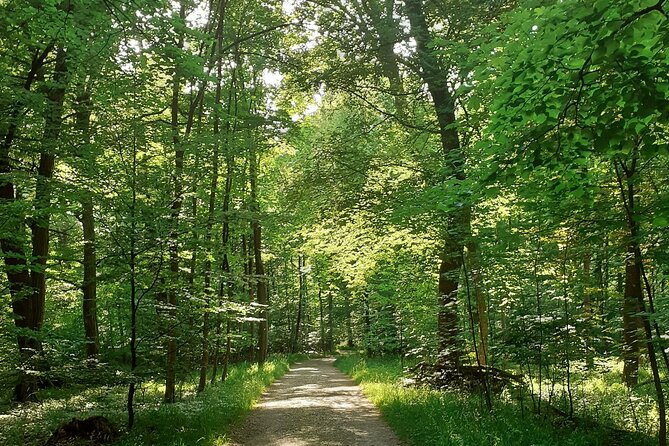
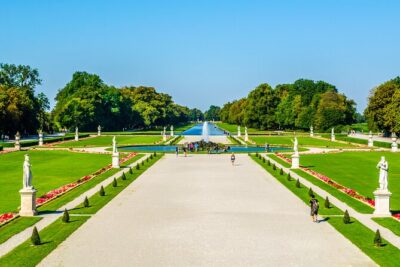
Once you’re outside, the estate shifts from indoor drama to outdoor wandering. This tour is designed so you can walk at your own pace and ask questions while you go—rather than speed-walking as fast as a group line can move.
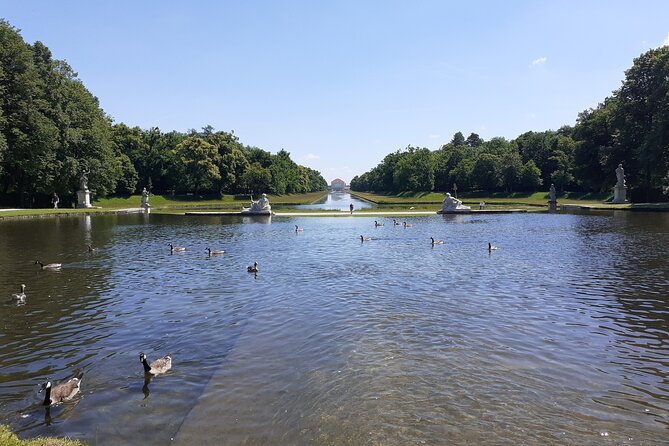
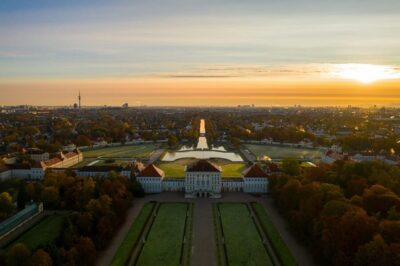
The gardens are described as a blend of formal layouts and a more relaxed English-style feel. That combination matters because it helps you switch gears. You’re not stuck in one style for hours. Instead, you get long sightlines, then paths that let you slow down and look at details like water features and statuary.
A standout pattern here: you move along the grounds past major points, then reach park pavilions that feel like mini destinations within the estate. Many people end up remembering the pavilion sequence more than the palace rooms, because it’s where the imagination runs.
Also, if you’ve visited other Munich palaces, you might notice some overlap in how the rooms are decorated. That doesn’t make Nymphenburg repetitive; it changes the story. You’re seeing the same level of display, but attached to different people, different purposes, and the estate’s unique garden design.
Amalienburg, Badenburg, Pagodenburg, Magdalenenklause: the pleasure buildings
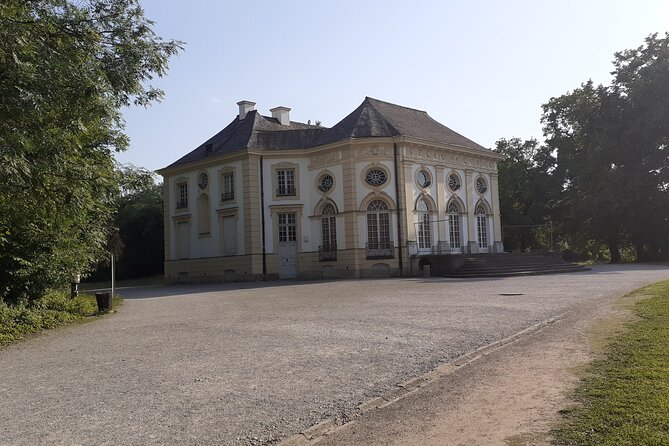
The garden route includes a series of smaller buildings that are essentially “chapters” of the estate. Each one has its own theme, so the time outside stays interesting.
Amalienburg (hunting lodge and Rococo style)
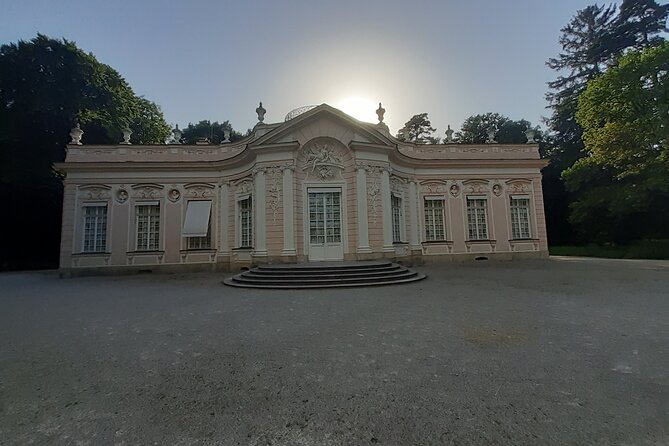
Amalienburg is a hunting lodge linked to an Empress, and it’s known for its Rococo flair. The pacing here is short—think quick entry and a focused look—so you’re not standing around waiting for a long guided speech. It’s more about seeing the structure and picking up what it was meant to represent.
Badenburg (a baroque swimming pool concept)
Badenburg is tied to Elector Max Emmanuel and is noted for its baroque swimming pool. This is a “how did they think this through?” kind of stop. Instead of treating it like a quirky building, the guide helps connect the design to the rulers’ lifestyle and tastes.
Pagodenburg (Chinese-inspired mini pleasure palace)
Pagodenburg is the Chinese-inspired pleasure palace element of the garden. It’s brief but memorable because the style is different from the rest of the estate. If you like noticing how European rulers borrowed and reworked ideas from elsewhere, this stop is an easy win.
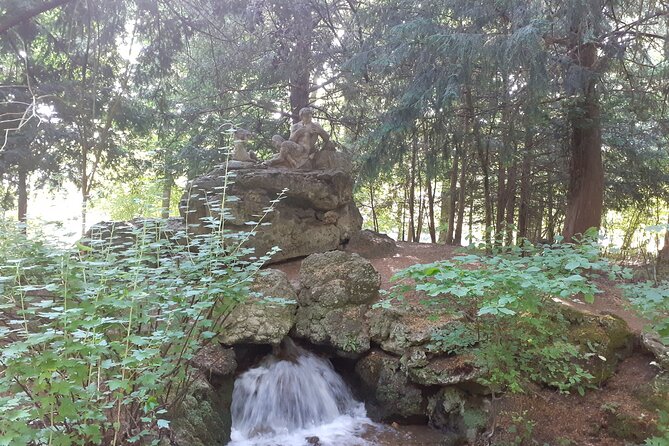
Magdalenenklause (hermitage, shell grotto, and a miracle spring)
Magdalenenklause is the most retreat-like. This hermitage gives court figures a break from official life for contemplation and study. It’s also especially known for a shell grotto and a spring described as miracle-working.
This stop works well after the more social, display-focused parts of the day. It adds variety, and it changes the emotional tone of the estate from power and pleasure to quiet escape.
Seasonal heads-up for these garden pavilions
These four pavilion stops—Amalienburg, Badenburg, Pagodenburg, and Magdalenenklause—are listed as closed from 16 October to 28 March. So if you’re traveling in that window, you’ll want to confirm which garden buildings your tour will actually be able to access.
Schloss Nymphenburg Marstallmuseum: carriages when the season shifts
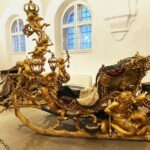
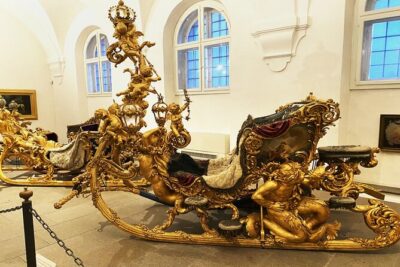
There’s also a carriage museum in the mix: the Schloss Nymphenburg Marstallmuseum. What I like here is that it gives the day flexibility depending on the calendar.
The carriages museum is listed as open only from 16 October to 28 March. That matters because it can keep the tour feeling complete during winter, when several of the garden pavilions are closed.
Even if you’re not a carriage person, it’s a useful way to broaden your sense of how the Wittelsbach world moved and performed. It’s also usually a simpler indoor pacing break compared with continuous outdoor walking.
How the 5 hours really feel: timing, pacing, and walking
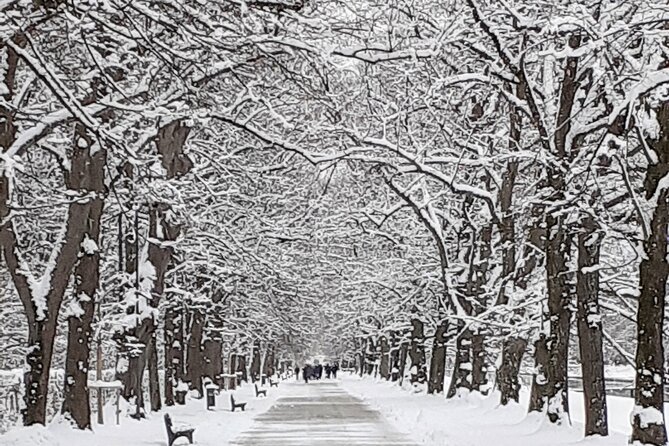
The tour runs about 5 hours. Inside the palace you’ll have guided time plus free time. Outside you’ll have short stops and plenty of moving along paths between highlights.
This is where the one caution from real-life experience shows up: the estate is big, and the route isn’t designed for zero walking. Even the trip from the station includes transit steps and short walking segments.
So if you’re a slower walker, build in a bit of buffer. Wear shoes that can handle uneven garden paths. You don’t need hiking boots, but you do need comfortable, supportive footwear.
On the positive side, the pacing is described as thoughtful. Tom tends to space stories so you don’t feel like you’re being lectured for five straight hours. That breathing room helps you enjoy the art, not just collect facts.
Value check: what you’re paying $192.77 for
At $192.77 per person, this isn’t a budget add-on. But the value isn’t only that the guide exists. You’re also getting a setup that removes the most annoying friction:
- Admissions included for the main palace visit and the listed garden buildings (where open)
- Mobile ticket handling, which cuts down on waiting
- Private format, meaning you’re not stuck behind another family’s pace
- Public transport used strategically, starting from a transit hub so you don’t scramble for rides
Here’s how I think about the price: if you’re going to Nymphenburg anyway, admissions and time add up fast. A guide turns those same paid hours into something more than a self-guided circuit because you understand what you’re seeing and why it was built.
The price also makes sense if you care about details like the relationship between palace design and court life, or you want to understand the estate’s pavilion “themes” rather than just treat them as pretty buildings.
Who should book this private tour (and who might skip it)
This tour fits best if:
- You want a guided palace visit plus an outdoor tour that includes multiple pavilions
- You like history told through real scenes (court life, servants’ daily grind, and political power games)
- You prefer not to run the logistics on your own transit + ticket planning
- You can handle several hours of walking, including garden paths
You might pass if:
- You want to see every single room and building with no gaps
- You strongly dislike walking segments from the station and across the grounds
- Your travel dates fall within mid-October to late March and you mainly care about the specific pavilions that are listed as closed
Final verdict: should you book Tom’s Nymphenburg Palace and Gardens tour?
If your goal is a smarter, calmer way to experience one of Munich’s biggest palace-and-gardens days, I think you’ll be happy with this booking. The standout strength is how the day is structured: palace first, then gardens, with enough guidance to make the visuals click and enough freedom that you don’t feel chained to a group.
Book it if you want included tickets, a private setup, and a guide named Tom who uses clear explanations and practical pacing. Just go in knowing this is a walking day and that the garden pavilion lineup depends on the season.
FAQ
How long is the Nymphenburg Palace and Gardens private tour?
It’s about 5 hours (approx.).
Where does the tour start?
The meeting point is Hauptbahnhof (Munich main train station).
Is the tour offered in English?
Yes, the tour is offered in English.
Are admission tickets included?
Yes. Admission tickets are included for the main palace visit and for the listed garden buildings.
Which parts may be closed during winter?
Amalienburg, Badenburg, Pagodenburg, and Magdalenenklause are listed as closed from 16 October to 28 March. The Marstallmuseum is listed as available from 16 October to 28 March.
What time does the tour run?
The listed opening hours show a morning start time between 9:30 AM and 10:00 AM, Monday through Sunday.
More of Schloss Nymphenburg



Just added to the Munich Explorer notebook





Nymphenburg Palace Tours, compared.
 ★ 3.9Nymphenburg Palace Entry TicketFrom $25327 reviews
 ★ 4.9Munich Nymphenburg Palace & Carriage Museum Fast-Track TourFrom $6457 reviews
★ 4.5Munich Nymphenburg Palace & Carriage Museum Fast-Track TourFrom $6632 reviews
★ 4.9Munich Nymphenburg Palace & Carriage Museum Fast-Track TourFrom $6457 reviews
★ 4.5Munich Nymphenburg Palace & Carriage Museum Fast-Track TourFrom $6632 reviews
 ★ 4.4Nymphenburg Palace OR Residenz Guided TourFrom $2431 reviews
 ★ 5.0Nymphenburg Palace with official GuideFrom $25912 reviews
 ★ 4.8Nymphenburg Palace Skip-the-Line Private Guided TourFrom $24010 reviews
 ★ 4.5Skip-the-line Nymphenburg Palace Guided Tour with TransfersFrom $2457 reviews
 ★ 4.7Nymphenburg classical music à la MozartFrom $443 reviews
Browse the lists this tour appears in