

Reviewed · MUSEUMS
Munich: Deutsches Museum Entry Ticket
Physics feels real on Munich’s island museum. This ticket gets you into the Deutsches Museum on the Museumsinsel for a full day of hands-on experiments across 20 permanent exhibitions, plus access to a collection with over 125,000 objects. I really like that it’s practical, built for people who want to see how things work, not just read about them. One possible drawback: the museum is strongly focused on science and technology, so if you want a classic art-museum vibe, you may find it a bit too technical.
Plan your visit around the basics: it’s open daily 9:00 to 17:00, with last admission at 16:30, and the ticket is valid for 1 day. You also get a downloadable multilingual audio guide through the Deutsches Museum app, and the museum is wheelchair accessible with barrier-free paths from the entrance to the restrooms.
In This Review
- Key things to know before you go
- Deutsches Museum on Museumsinsel 1: more than a ticket, it’s a location
- What your one-day ticket really covers (and how to pace it)
- The hands-on part: experiments that make science feel usable
- The collection’s best hits: what to seek out without missing the story
- The audio guide app: use it as a tool, not a crutch
- A practical way to plan your day inside (without over-scheduling)
- Morning: start with the biggest themes
- Midday: take advantage of demonstrations
- Afternoon: connect the dots with technology history
- Final hour: go back to what you liked
- Who this museum suits best (and who may want a different plan)
- Price and value: is $17 a fair deal?
- Should you book the Deutsches Museum Entry Ticket?
- FAQ
- What does the Deutsches Museum entry ticket include?
- How long is the ticket valid?
- What are the opening hours and last admission time?
- Where is the Deutsches Museum located?
- Is the museum wheelchair accessible?
- Do children need to be accompanied?
- Are there discounted tickets for students and youth?
- Is there free admission for severely disabled visitors?
- What kinds of exhibits and shows can I expect?
Key things to know before you go
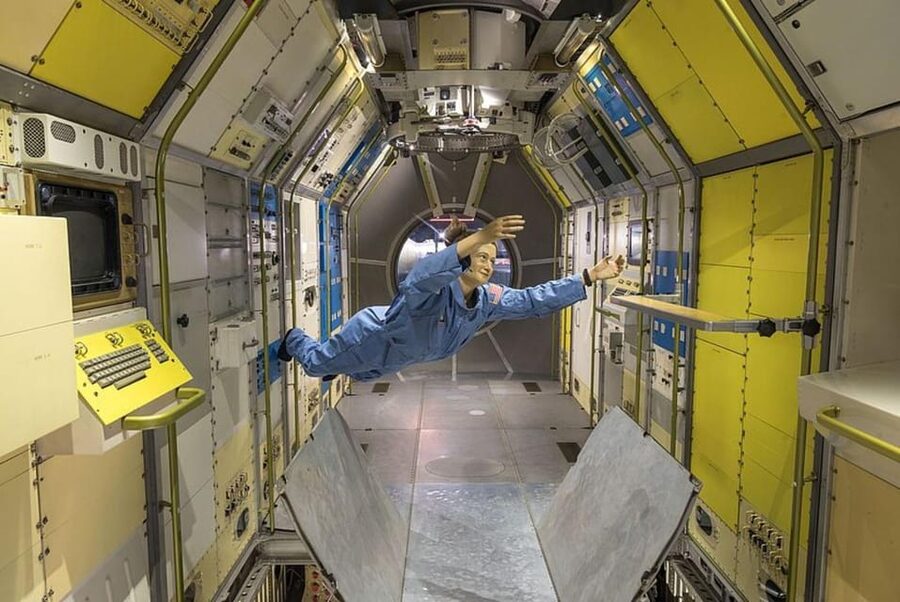
- 20 permanent exhibitions spread across about 20,000 square meters on Museumsinsel
- Hands-on stations and experiments designed for kids and adults who like to press buttons
- Over 125,000 objects in the collection, including major engineering and space artifacts
- Live demonstrations and shows such as a model railway, microscopy theater, and chemistry experiences
- Audio guide in multiple languages via the Deutsches Museum app to keep your pace under control
- Wheelchair-accessible routing from the entrance area to the restrooms
More of the Munich museum halls
- Munich: Beer and Food Tour with Dinner & Oktoberfest Museum★ 4.7 · 1,086 reviews
- Munich: FC Bayern Museum + Arena View★ 4.5 · 944 reviews
- Munich: Magic Bavaria – Museum of Fun, Selfies and Illusions★ 4.1 · 251 reviews
- Munich: FC Bayern Museum Entry Ticket★ 4.6 · 193 reviews
Deutsches Museum on Museumsinsel 1: more than a ticket, it’s a location
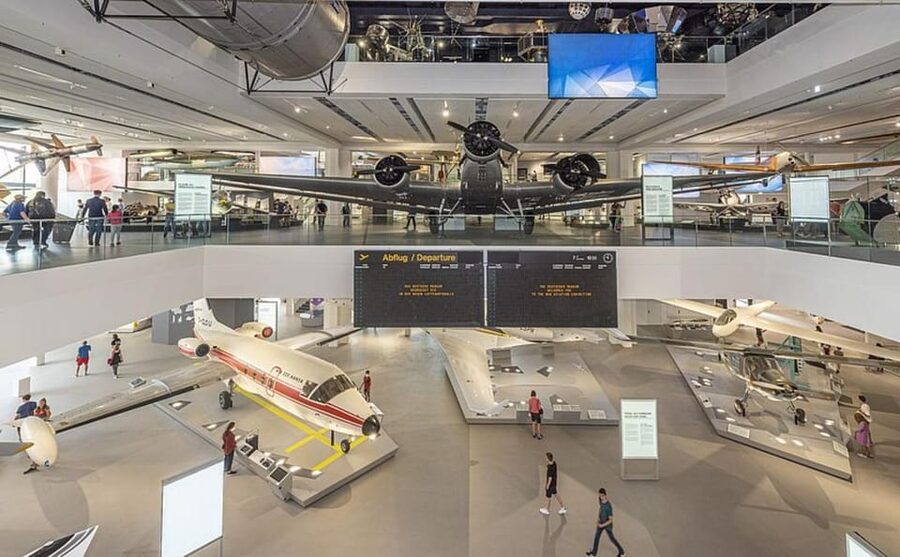
The Deutsches Museum sits on Museumsinsel, a small river island in Munich. That setting matters more than you’d think. You’re not just walking into another museum building. You’re arriving at a place that feels made for a half-day (or full-day) wander, with the city nearby and the museum’s scale taking over once you’re inside.
This is one of those institutions that people treat like a main destination. It welcomes around 1.5 million visitors annually, so you can expect energy. Also, being on the island helps: you’re close to central Munich, but the museum still feels like its own world of engines, labs, aircraft, and questions.
The museum was founded in 1903 by Oskar von Miller, and you can feel that mission in how it’s laid out. It’s meant to show the big picture of science and technology, not just collect items behind glass. That means you’ll see how ideas connect—physics to engineering, chemistry to everyday life, and innovation to real-world tools.
What your one-day ticket really covers (and how to pace it)
Your entry ticket is valid for 1 day, and you get access to all exhibitions. That’s important because this museum is large in both size and subject matter. The main museum spans around 20,000 square meters, and the focus is on 20 permanent exhibitions.
Think of the ticket as permission to move through themes at your own rhythm. Some people speed through the “wow” pieces first. Others slow down because they find an interactive station and get stuck there—like the kind of stuck where you laugh, then try again, then learn something without meaning to.
The museum is open daily 9:00 to 17:00, and last admission is at 16:30. Plan around that cutoff. If you show up late, you’ll end up rushing the last rooms, and this museum is the opposite of a rush job. You want time to repeat hands-on experiments and step back when you need a breather.
Your meeting point is the main entrance at Museumsinsel 1, and the activity ends back there. In practical terms: go in, pick a direction, and don’t overplan. You’ll change course once you see what grabs you.
The hands-on part: experiments that make science feel usable

The big draw here is that the museum doesn’t just show technology. It invites you to interact with it. Across the exhibitions, you’ll find hands-on stations and experiments where you can test ideas directly. This is the kind of design that helps you understand cause and effect without needing a lecture.
You should expect interactive learning across a broad range of topics. The museum covers everything from aviation and astronautics to atomic physics and chemistry. That range is great because it keeps your day from turning into one long, similar room after another.
A special advantage is how the museum handles demonstrations and shows. You might catch elements like:
- a model railway
- microscopy theater
- chemistry demonstrations
These are the moments when you’ll feel the museum shift from “objects on display” to “science happening.” If you like watching how equipment works, these sections give you that payoff.
Do you need to be a science expert? No. The way the museum is set up makes it friendly for first-timers and still interesting for people who love details. I like that balance. You can learn basics without feeling talked down to, and you can chase deeper explanations when you’re in the mood.
- From Munich: Neuschwanstein & Linderhof Castle Full-Day Trip
★ 4.6 · 14,646 reviews - Neuschwanstein & Linderhof Castle-Fairytale Day Tour from Munich
★ 4.5 · 7,275 reviews - Munich: Third Reich & WWII Walking Tour
★ 4.6 · 6,181 reviews
The collection’s best hits: what to seek out without missing the story
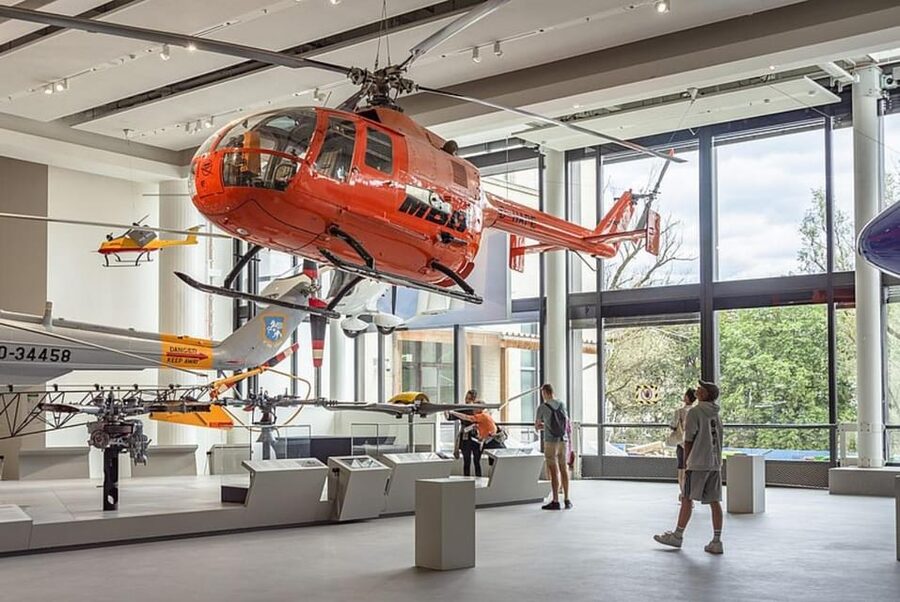
Even though this is a large museum, it helps to anchor your visit with a few major “you have to see this” objects. The collection is huge—over 125,000 objects—but certain highlights give you quick context for the whole museum.
Some of the standout pieces you can look for include:
- the first diesel engine
- historic printing presses
- a lunar rover
- iconic airplanes
Here’s the value of targeting items like these: they turn the day into a narrative. You’re not bouncing randomly from topic to topic. You’re building a mental map of how technology evolved.
For example, seeing something like the first diesel engine helps you connect energy, machinery, and industrial change. Printing presses link science to communication and production. A lunar rover connects engineering to exploration. And aircraft show how ideas in propulsion, materials, and control became practical.
And yes, there’s also a lot beyond those headline objects. The museum’s structure across 20 permanent exhibitions means you can branch out into related areas—physics tools, lab processes, and systems thinking. If you’re the type who likes to understand how the parts fit, the museum’s breadth will keep you busy.
The audio guide app: use it as a tool, not a crutch
You get a downloadable multilingual audio guide through the Deutsches Museum app. This helps a lot in a museum this size. Without it, you might end up standing in front of impressive machinery thinking, Cool, what’s the point of this piece? With it, the explanation comes to you right where you are.
I recommend using the audio guide strategically:
- Start with 1 or 2 exhibitions you’re most curious about.
- Use the guide for the key objects first.
- Then turn it off or dial it back when you feel you’ve got the context.
That way you don’t get dragged into listening mode every minute. You’ll still have time to stop at the hands-on stations and actually experiment. The goal is to learn, but also to live the museum—press buttons, watch demonstrations, and let your own questions lead.
The “multilingual” part matters, too. Even if you speak some German, the audio guide can smooth out the technical language quickly. You’ll spend less time guessing and more time understanding.
A practical way to plan your day inside (without over-scheduling)
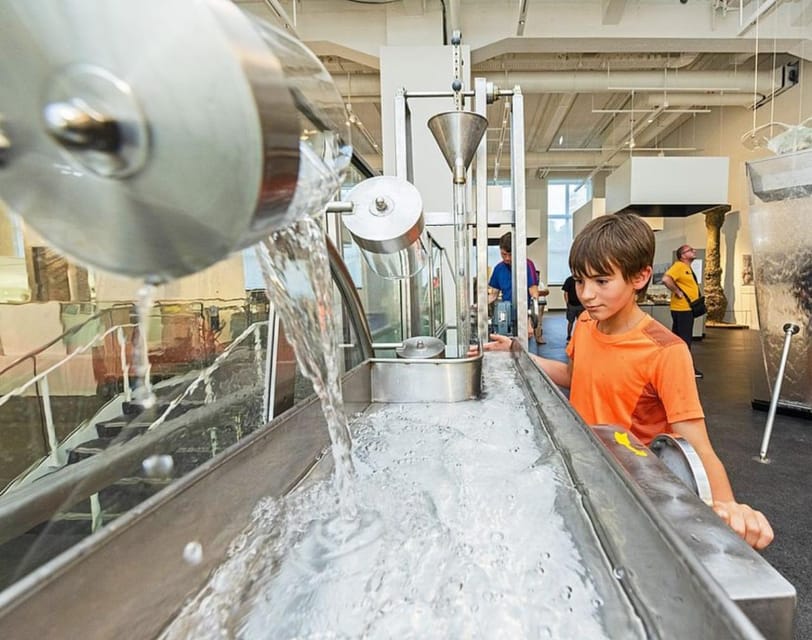
This museum can swallow a day, so you want a plan that stays flexible. Here’s how I’d structure a smooth visit for a typical one-day ticket.
Morning: start with the biggest themes
Begin early, around opening, if you can. You’ll get the cleanest rhythm before the museum’s full crowd energy kicks in. Use the first stretch to explore the major themes like aviation/astronautics and core physics topics. You’ll also find it easier to spot “wow” artifacts in the morning light and energy.
Aim to hit at least one interactive zone and one artifact-focused area. That combo gets you oriented fast.
Midday: take advantage of demonstrations
This is a great time to look for demonstrations and shows such as the model railway, microscopy theater, and chemistry. These parts give you that feeling of science in motion, and they break up the long walking days.
Don’t force a rigid schedule. The museum is best when you pause for what grabs you.
Afternoon: connect the dots with technology history
After your morning curiosity and midday “science action,” shift into connections. Historic printing presses, early engineering innovations, and the museum’s perspective on how science impacts technology all work well in the afternoon. You’ll have enough context by then to make comparisons.
Final hour: go back to what you liked
If you loved a particular hands-on station, return to it at the end. If a section was a bit too technical on the first pass, revisit with audio guide support. With last admission at 16:30, you’ll still have enough time to finish your favorites without racing.
One more thing: the museum includes barrier-free space from the entrance to the restrooms and is wheelchair accessible. That makes it easier to take breaks without feeling stuck in routes that don’t work for your body.
Who this museum suits best (and who may want a different plan)
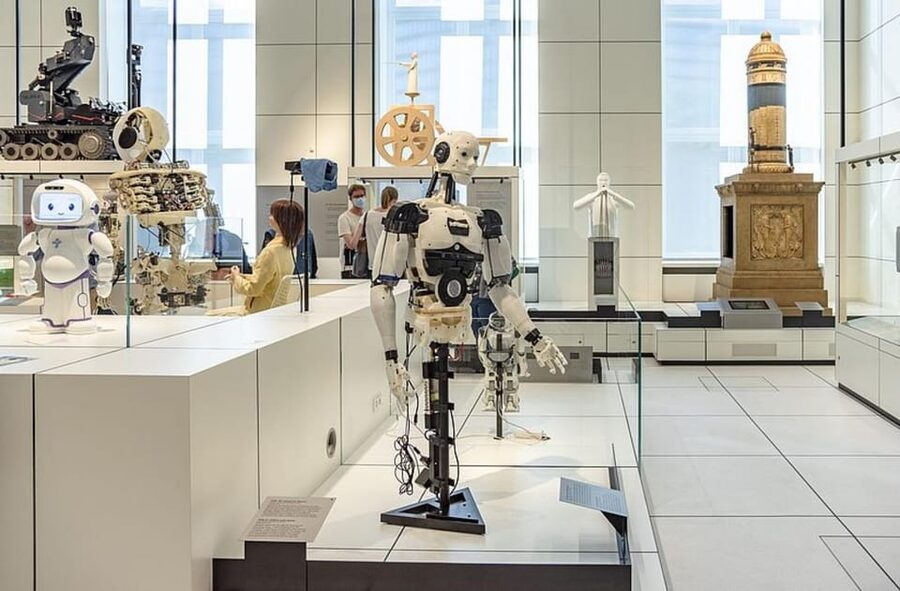
The Deutsches Museum is best for people who like how things work. That includes:
- families who want hands-on learning
- science curious adults
- engineering fans
- anyone who enjoys technology history, not as dusty trivia, but as a living story
If you like science and technology only, this place is a great fit. The focus is clear. You’re not hunting for art corners or fashion wings. You’re here for mechanisms, experiments, and ideas.
A reasonable consideration: if you’re looking for a museum day built around relaxation, slow wandering, and primarily visual art, you might find it more demanding than expected. This is a museum where your brain stays engaged.
Price and value: is $17 a fair deal?

At about $17 per person for a one-day entry ticket, the value depends on your style of travel. If you love interactive museums and you’re going to spend a real block of time inside, the cost makes sense fast.
Here’s why it’s strong value:
- You’re paying for access to all exhibitions.
- You get hands-on stations, not just passive viewing.
- You get a downloadable multilingual audio guide, which helps you get more out of what you see.
- The museum is large, with major artifacts and multiple demonstration areas.
If you only plan to do a quick walkthrough of a couple rooms, the ticket won’t feel as efficient. But if you show up ready to explore and you give yourself time to experiment, you’ll likely feel like you got your money’s worth.
Should you book the Deutsches Museum Entry Ticket?
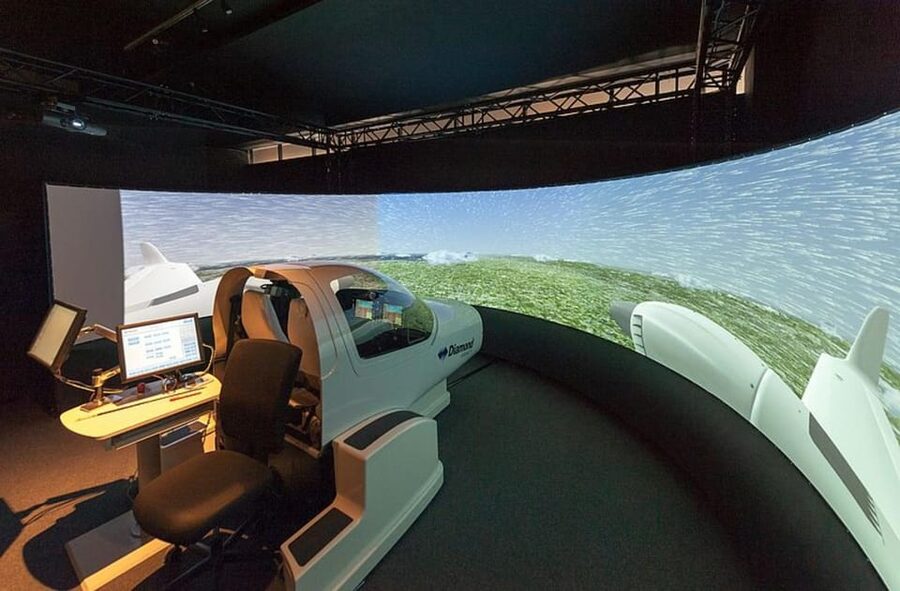
If your travel day in Munich includes a real “learn and do” museum, I think this is an easy yes. The combination of 20 permanent exhibitions, interactive experiments, and notable objects like the first diesel engine and lunar rover gives you both breadth and real-world engineering storytelling. Plus, the setting on Museumsinsel makes the trip feel special even before you enter.
I’d skip it only if you know you don’t like science and technology museums, or if you only want a quick, low-effort stop. In that case, you’ll probably feel like you’re working through a syllabus.
FAQ
What does the Deutsches Museum entry ticket include?
Your ticket includes entry and access to all exhibitions. It also includes a downloadable multilingual audio guide through the Deutsches Museum app.
How long is the ticket valid?
The ticket is valid for 1 day.
What are the opening hours and last admission time?
The museum is open daily from 9:00 to 17:00, and the last admission is at 16:30.
Where is the Deutsches Museum located?
The address is Museumsinsel 1, 80538 Munich. Your visit starts at the main entrance at Museumsinsel 1.
Is the museum wheelchair accessible?
Yes. The museum offers wheelchair access and barrier-free space from the entrance to the restrooms.
Do children need to be accompanied?
Yes. Children under age 12 must be accompanied by an adult.
Are there discounted tickets for students and youth?
Yes. For discounted admission, you select Youth when booking for pupils, trainees, and full-time students.
Is there free admission for severely disabled visitors?
The info states free admission for severely disabled children and young people (when you select Child), and it also notes that an accompanying person may be free of charge in the case of severely disabled visitors with registered B.
What kinds of exhibits and shows can I expect?
You can access 20 permanent exhibitions, with hands-on stations and experiments, plus unique demonstrations and shows such as the model railway, microscopy theater, and chemistry experiences.
More Munich Museum Halls





Just added to the Munich Explorer notebook






Museums, compared.
 ★ 4.7Beer and Food Tour with Dinner & Oktoberfest MuseumFrom $841,086 reviews
 ★ 4.5FC Bayern Museum + Arena ViewFrom $22944 reviews
 ★ 4.1Magic Bavaria – Museum of Fun, Selfies and IllusionsFrom $27251 reviews
 ★ 4.6FC Bayern Museum Entry TicketFrom $14193 reviews
 ★ 4.0Ticket Magic Bavaria – Munich’s amazing interactive museumFrom $2767 reviews
 ★ 4.9Munich Nymphenburg Palace & Carriage Museum Fast-Track TourFrom $6457 reviews
★ 4.5Munich Nymphenburg Palace & Carriage Museum Fast-Track TourFrom $6632 reviews
★ 4.9Munich Nymphenburg Palace & Carriage Museum Fast-Track TourFrom $6457 reviews
★ 4.5Munich Nymphenburg Palace & Carriage Museum Fast-Track TourFrom $6632 reviews
 ★ 4.2Munich Private Walking Tour with BMW Museum & Welt EntryFrom $55919 reviews
Browse the lists this tour appears in