Reviewed · MUNICH
Mozart and German Composers Private Tour in Munich
Mozart walks with you through Munich. This private 2-hour Old Town tour uses a 5-star licensed guide to show how famous composers shaped the city’s stages and streets. You’ll look at landmarks through the lives and premieres of Mozart, Strauss, Wagner, and other big names.
I love how the stops connect to specific moments in music life, not vague “genius” talk. You’ll also get composer-specific stories that move from church choirs to court performance culture, and how Munich became a medieval music center. One thing to consider: the walk can run a little longer than you expect, so keep a little buffer if you’re on a tight schedule.
In This Review
- Key highlights you’ll actually care about
- A private 2-hour “music map” of Munich’s Old Town
- Where you meet: BEYOND by Geisel, right by St Peter
- St. Peter’s Church: a choir tradition reaching into the 1200s
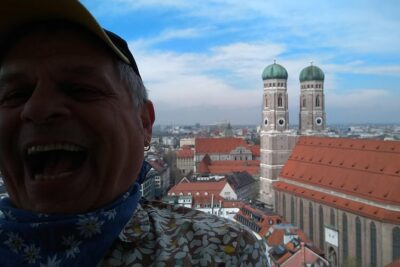
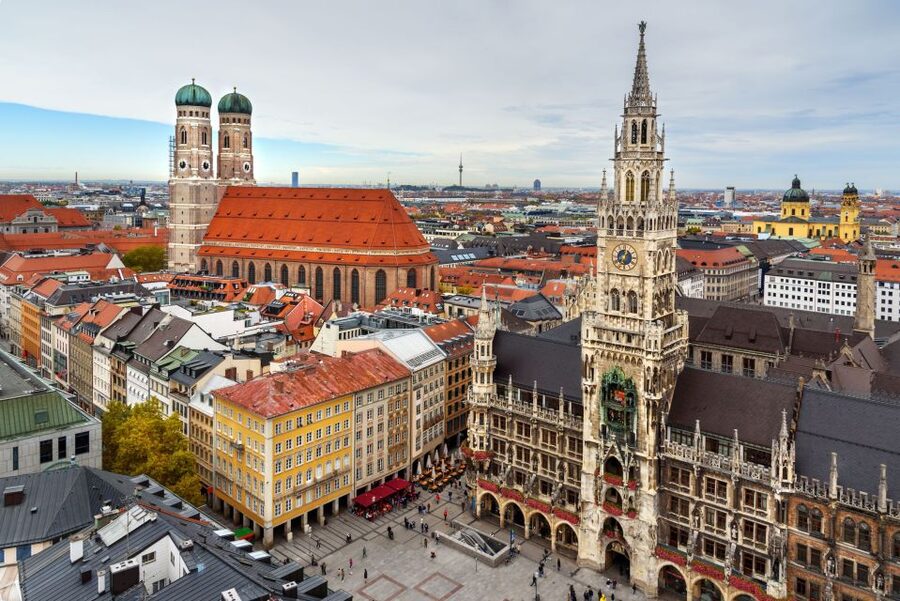
- Marienplatz and Frauenkirche: how training fed the music scene
- National Theatre and the Bavarian State Opera: where Wagner and Strauss crossed paths
- Munich Residenz: Mozart, Elector Karl Theodor, and King Ferdinand IV
- Cuvilliés Theater and Mozart’s Idomeneo (1781)
- What you’re really paying for: value of a private, composer-focused guide
- Pace, timing, and how to enjoy the walk without rushing
- Who this tour suits best
- Should you book this Mozart and German Composers private tour?
- FAQ
- Where does the tour meet?
- How long is the Mozart and German Composers private tour?
- Is this tour private?
- What languages are available?
- Which sights are included on the route?
- What’s included in the tour price?
- Is free cancellation available?
Key highlights you’ll actually care about
- A composer-led “map” of Old Town that turns Marienplatz, churches, and theaters into music milestones
- St. Peter’s Church choir tradition dating to the early 13th century
- Frauenkirche and musical training tied to Orlande de Lassus, a leading 16th-century composer
- National Theatre and the Bavarian State Opera as a major Wagner and Richard Strauss workplace
- Munich Residenz as a Mozart concert setting connected to Elector Karl Theodor and King of Naples Ferdinand IV
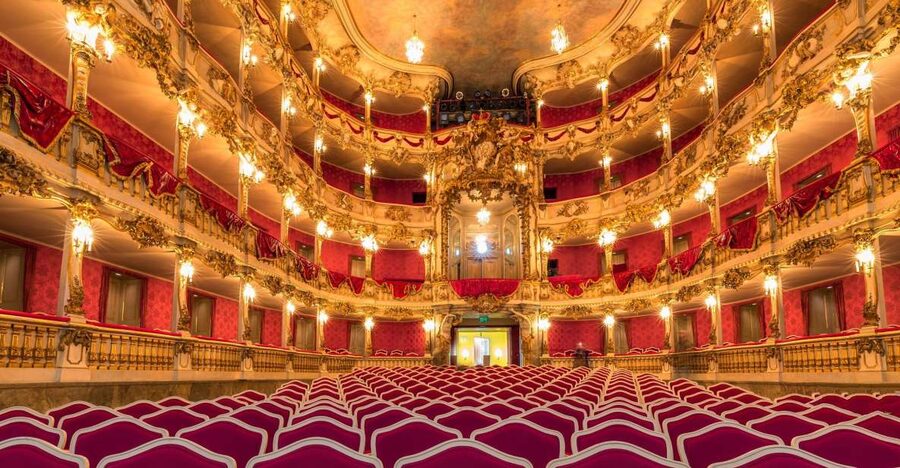
- Cuvilliés Theater and Mozart’s Idomeneo (1781) inside the Residenz complex
Still mapping out your time in Munich? A few more tours worth a look.
- From Munich: Neuschwanstein & Linderhof Castle Full-Day Trip★ 4.6 · 14,646 reviews
- Neuschwanstein & Linderhof Castle-Fairytale Day Tour from Munich★ 4.5 · 7,275 reviews
- Munich: Third Reich & WWII Walking Tour★ 4.6 · 6,181 reviews
- Dachau Concentration Camp Memorial Site Tour from Munich by Train★ 4.5 · 5,637 reviews
A private 2-hour “music map” of Munich’s Old Town
This is a walking tour built for people who like classical music history but also want it grounded in real places you can point at. Instead of just “sightseeing,” you’re basically reading Munich like a score: churches, squares, and opera halls each link to a composer, a role, or a performance tradition.
Because it’s a private group, the guide can keep the focus on what you care about most. If you’re more into Mozart’s career, you’ll likely get extra attention there. If Wagner and Strauss are your thing, the tour naturally steers toward the theaters and opera-world connections.
You’re also looking at the whole ecosystem of music culture. The tour doesn’t only cover big names. It connects church music tradition, court music, and bourgeois culture—the everyday layers that helped medieval and early-modern music thrive in a place like Munich.
Practical note: this is 2 hours of walking. That’s short, but Munich Old Town still means steady steps. If you have mobility limits, you might find it tight, so plan accordingly.
Where you meet: BEYOND by Geisel, right by St Peter
Your tour starts at hotel BEYOND by Geisel, Marienplatz 22, meeting your guide outside the hotel and opposite St Peter. Don’t go inside—this is just the meeting point, and the staff aren’t running the tour.
Why I like this setup: you begin in the middle of the action. You’re already at the edge of the Marienplatz core, so you don’t lose time commuting. In a short tour, that matters.
Also, plan for a quick check of details the day before. You’ll want to check your email the day before the tour for important instructions.
St. Peter’s Church: a choir tradition reaching into the 1200s

One of the first “story engines” is St. Peter’s Church. The tour highlights the fact that its choir tradition dates back to the early 13th century. That’s the kind of detail that makes you look at a building differently. You’re not just seeing architecture. You’re picturing how music was organized here, how it was trained, and who would have been part of that sound world long before the composers you know by name.
In a tour like this, early dates matter because they show context. Munich wasn’t a music town only after Mozart and Wagner arrived on the scene. It developed musical institutions and traditions that later famous composers could plug into—whether at court, in church settings, or through public performance culture.
If you’re a “dates and names” person, this stop will feel especially satisfying. If you prefer atmosphere, you’ll still get a lot from hearing why this location matters historically.
- From Munich: Neuschwanstein & Linderhof Castle Full-Day Trip
★ 4.6 · 14,646 reviews - Neuschwanstein & Linderhof Castle-Fairytale Day Tour from Munich
★ 4.5 · 7,275 reviews - Munich: Third Reich & WWII Walking Tour
★ 4.6 · 6,181 reviews
Marienplatz and Frauenkirche: how training fed the music scene
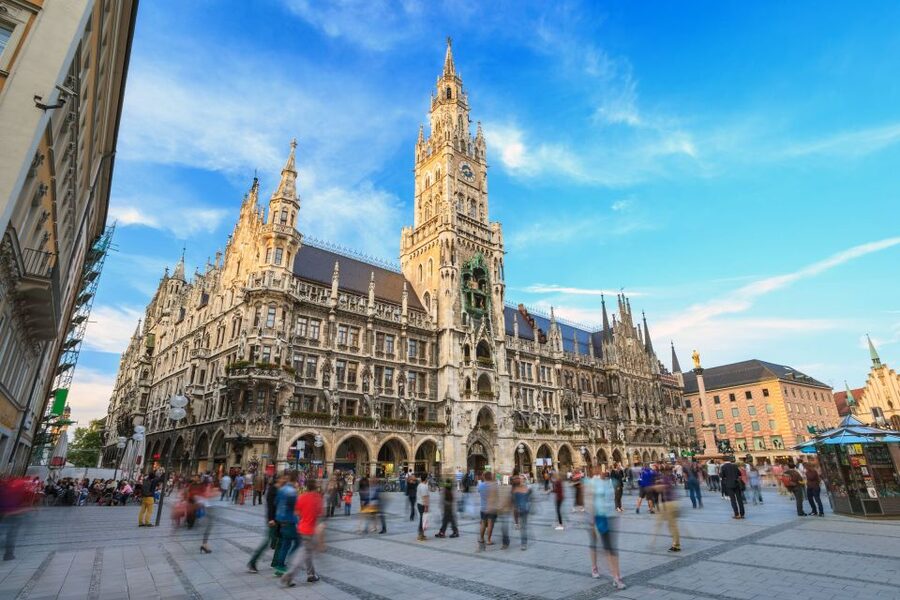
Next comes a stroll through Marienplatz with an eye toward Frauenkirche. The best part here isn’t just the landmark. It’s the music-learning link the guide brings in.
You’ll learn that many young musical talents trained under guidance tied to legendary musicians such as Orlande de Lassus, one of the most prominent composers of the 16th century. That matters because it explains how musical quality keeps reproducing. Great composers don’t appear from nowhere. Training systems, court priorities, and church culture all help shape who gets to become “great.”
This stop works well even if you’re not a theory person. You’ll hear how musical education and institutional support helped turn Munich into a serious center for classical music—long before audiences knew the names we celebrate today.
One small reality check: this is a walking tour in a public square. You’ll likely be navigating crowds and street flow. It’s fine, but if you hate hustle, pick a calmer time of day if your schedule allows.
National Theatre and the Bavarian State Opera: where Wagner and Strauss crossed paths
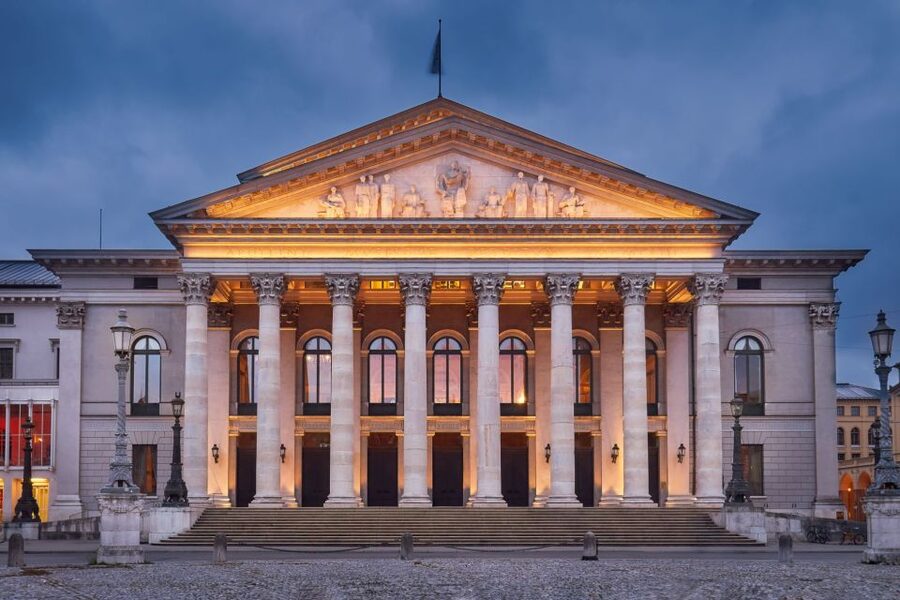
Another highlight is the National Theatre, home to the Bavarian State Opera (Bayerische Staatsoper). This is where the tour’s “composer eyes” concept clicks hard.
You’ll connect Richard Wagner’s works to premieres connected to this theater, and you’ll also hear about Richard Strauss, who worked there as a third conductor. That specific job detail makes the story feel real. It’s not just “they were famous and somehow linked to the city.” It’s closer to how opera houses actually functioned—conductors, production leadership, and the day-to-day musical decisions that shape what audiences hear.
If you love opera history, this stop gives you names and roles in one place, which is exactly what you want on a short tour. If you’re more of a listener than a reader, the guide’s anecdotes and performance context can still help you “decode” what you’d be hearing in the same building, even today.
Munich Residenz: Mozart, Elector Karl Theodor, and King Ferdinand IV
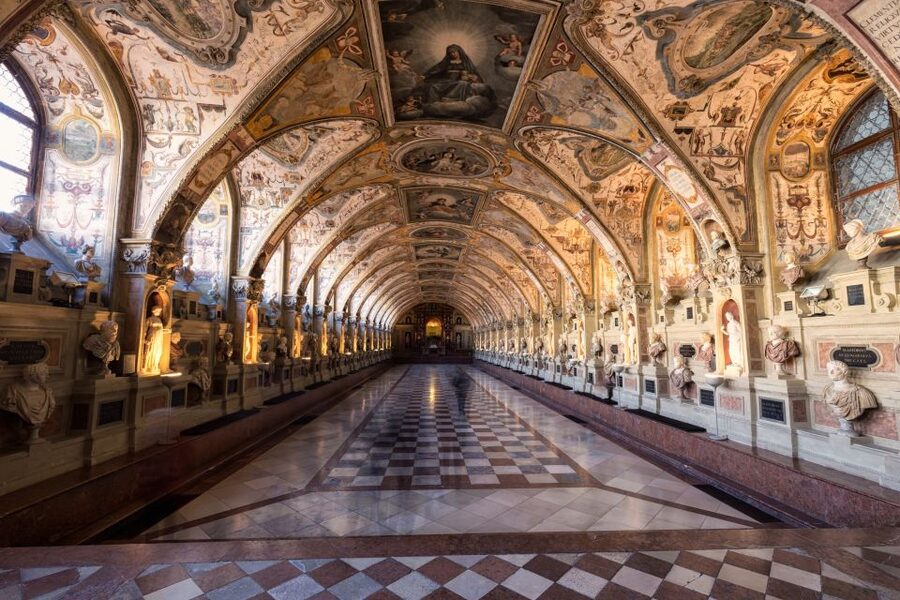
The tour then moves into the orbit of power at Munich Residenz, which is where you’ll hear about Wolfgang Amadeus Mozart playing a concert for Elector Karl Theodor and King of Naples, Ferdinand IV.
That’s a powerful connection for two reasons.
First, it shows Mozart functioning in the real political and social world of elite patrons, not only as an abstract composer. Second, it makes the Residenz feel less like a museum stop and more like an “active stage” in musical terms—where concerts weren’t casual events but part of a court’s cultural identity.
I also like the way this stop ties into the larger tour theme: Munich as a music center for medieval and early-modern Europe. When a place can fund patronage, build venues, and attract top talent, the music ecosystem grows. The guide uses the Residenz to show that “system,” not just the superstar names.
Cuvilliés Theater and Mozart’s Idomeneo (1781)
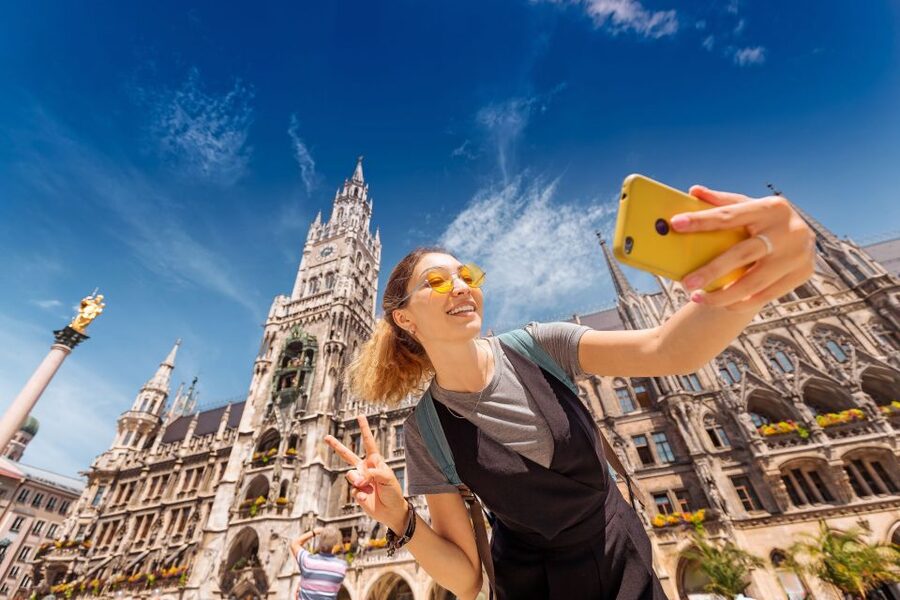
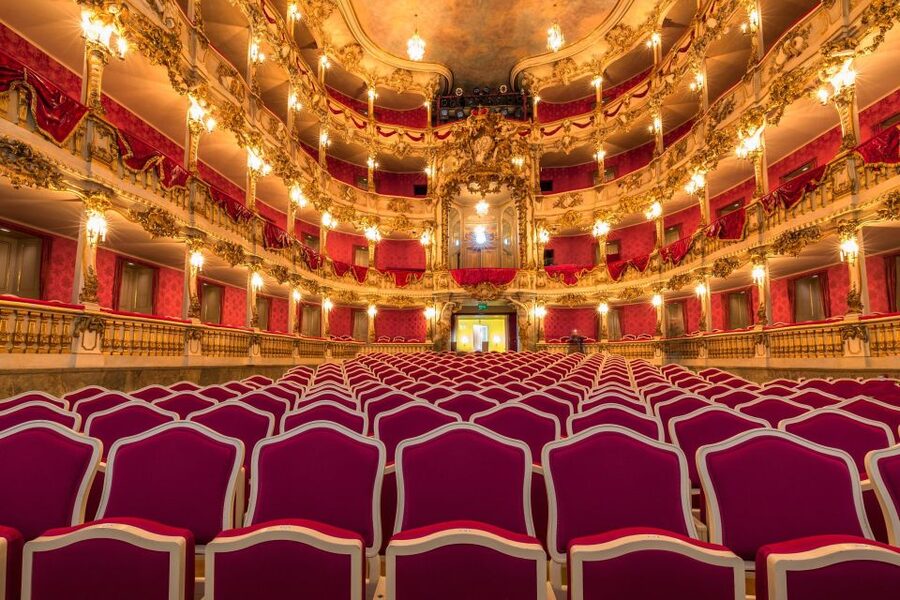
Inside the Residenz complex is the Cuvilliés Theater, and this is one of the most specific composer points on the entire tour: it’s where Mozart premiered his opera Idomeneo in 1781.
That date-and-title pairing is what makes this stop memorable. When you hear a story like this, you can picture a premiere. And you can also see how a city’s musical identity is built through repeated events: rehearsals, staging, premieres, and the reputation that follows.
If you’re a Mozart fan, this stop is a clear “yes” moment. Even if you haven’t listened to Idomeneo yet, you’ll walk away with a better reason to.
And if you love history but get annoyed by long museum explanations, this theater stop is still useful because the story is tight and focused on performance—exactly the theme you came for.
What you’re really paying for: value of a private, composer-focused guide
At $215 per person, this tour isn’t a budget stroll. But in Munich Old Town, you’re paying for more than movement and basic landmark talk.
You’re buying:
- A private group experience, so you get time for questions and focused explanations.
- A licensed guide who leads in your chosen language (English, French, German, Italian, Spanish, or Polish).
- A short, high-density format: you get multiple key sites connected to composer stories in just two hours.
- Recommendations on where to go next, so you’re not left wondering what to do after the walk.
Is it worth it? If you’re interested in classical composers and want the story behind the buildings, yes. The guide’s job is to connect the dots—how church traditions, court culture, and opera institutions shaped what became famous later.
If you’re only interested in photos of famous buildings and don’t care about the music context, you might find a general walking tour is enough. This one earns its price by making the landmarks meaningful to you through Mozart, Strauss, Wagner, and the broader music-training world.
Pace, timing, and how to enjoy the walk without rushing
This tour is designed to be manageable in just 2 hours, but it’s still a walking experience across central Old Town. That means you should come ready to move steadily and listen while you walk.
One practical consideration from the experience: it can run a little longer than you expect. So if you have a later reservation, build in a buffer. A short tour can still feel long if you’re stressed about the clock.
My advice: treat it like a guided “listening session on foot.” If you try to do it like a checklist—quick look, next stop—you’ll miss the point. The value is in the connections: choir traditions, training ties like Orlande de Lassus, opera premieres, and the court links behind Mozart’s concerts and that Idomeneo premiere.
Who this tour suits best
This tour fits best if you:
- Love Mozart, Strauss, Wagner, or just want to understand how they relate to Munich’s key institutions.
- Want a focused Old Town experience without committing to a half-day or full-day plan.
- Prefer a private guide who can tailor the stories to your interests.
It may be less ideal if you:
- Want a long, museum-style deep dive at each site (this stays tight and moving).
- Strongly prefer fewer crowds and slower pacing, because you’ll be in central public spaces.
Should you book this Mozart and German Composers private tour?
If you’re the kind of person who reads a plaque and then wonders what was performed there, I’d book it. This tour does a good job turning Munich landmarks into a coherent story about music—church tradition, training, court patronage, and opera premieres—without making you sit through lectures.
I’d especially recommend it if you’re planning a first trip to Munich or you want one high-value, theme-based activity that helps everything else click. Starting near St Peter and finishing back at the same meeting point keeps things simple.
If you’re on the fence, here’s the quick decision rule: pick this tour when music history is part of your travel style. Skip it when you just want a standard Old Town walk.
FAQ
Where does the tour meet?
Meet your guide in front of hotel BEYOND by Geisel at Marienplatz 22, 80331 Munich, opposite St Peter. Please do not enter the hotel.
How long is the Mozart and German Composers private tour?
The tour lasts 2 hours. Check availability to see starting times.
Is this tour private?
Yes. It’s a private group tour.
What languages are available?
The live guide is available in English, French, German, Italian, Spanish, and Polish.
Which sights are included on the route?
You’ll see Marienplatz, Frauenkirche, St. Peter’s Church, Munich Residenz, the National Theatre / Bavarian State Opera, and the Cuvilliés Theater.
What’s included in the tour price?
Included items are a musical Munich walking tour of Old Town highlights, a licensed 5-star guide, facts and anecdotes about Mozart and other composers, top Old Town sights, and recommendations for places to visit.
Is free cancellation available?
Yes, free cancellation is offered up to 24 hours in advance for a full refund. You can also reserve now & pay later.
If you want, tell me what language you’re going in and whether you’re more into Mozart or Wagner, and I’ll suggest the best way to frame questions for your guide during the walk.