
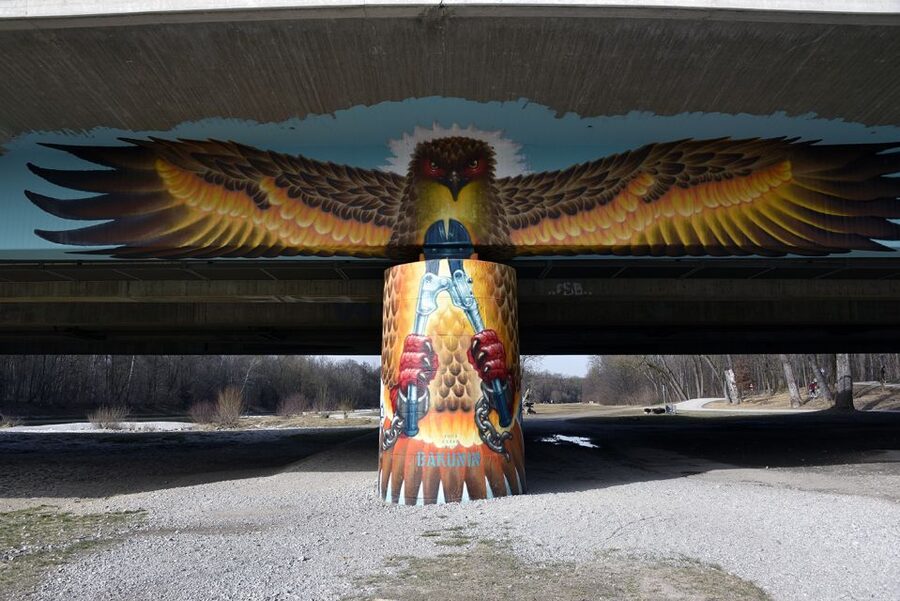
Reviewed · CYCLING TOURS
Munich: Street Art Bike Tour
If you think Munich only does polished monuments, this tour flips the script. You’ll follow graffiti’s German roots from the 1980s to newer street pieces, all by bike. I especially like how the route mixes serious art context with real-world scenes along the river and in working neighborhoods. One drawback: it’s a 210-minute ride, so if you’re not into sustained cycling, you may feel the time.
Two things I really enjoy here are the street-art history lessons and the sense of seeing Munich from the “other side.” You’re not stuck staring at walls from afar either—you get close enough to notice details, layers, and artists’ choices. The main consideration is that the tour is guided in German, so non-German speakers will want to be comfortable with some “listen and look” learning rather than every word landing perfectly.
In This Review
- Key points before you pedal
- Why Munich’s Street Art Makes Sense on a Bike
- Marienplatz Start: Find the Yellow Sign and Get Rolling
- The Isar River Ride: Street Art You Can Actually Follow
- Giesing’s Working-Class Walls: Munich Away From the Postcard Lines
- Toward the Slaughterhouse District: Industrial Vibes and Story Layers
- The Boat Break by a Railway Bridge: A Smart Pace Reset
- Graffiti History That Stays Practical (Not Just Facts)
- Guides and Bikes: The Real “Comfort Features”
- Price Check: Is $40 Worth 3.5 Hours?
- Who Should Book (and Who Might Skip It)
- Rain, Photos, and Common Sense Packing
- Should You Book the Munich Street Art Bike Tour?
- FAQ
- Where is the meeting point for the tour?
- How long is the street art bike tour?
- Is a bike rental included?
- What language is the live tour guide?
- Is this tour suitable for children?
- Can I cancel and get a refund?
Key points before you pedal
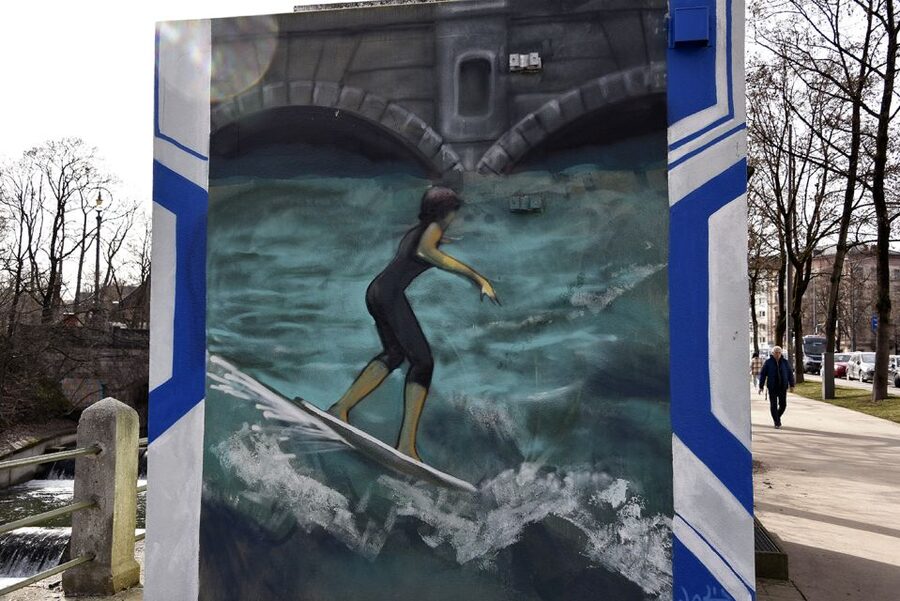
- You get the history behind Munich graffiti without turning it into a classroom
- The Isar river route makes street art feel integrated with the city, not tacked on
- Giesing and the slaughterhouse district take you off the usual tourist tracks
- Bike rental is included, so you’re not wasting time figuring out transport
- The boat break by a railway bridge is a smart reset during the ride
- Ulrike (a past guide) shows how much effort these guides put into explaining the scene
More street-art corners of Munich
- Art Nouveau Meets Street Art in Munich (Max. 12 guests)★ 5.0 · 4 reviews
- Art Nouveau Meets Street Art in Munich (Max. 12 guests)★ 5.0 · 3 reviews
Why Munich’s Street Art Makes Sense on a Bike
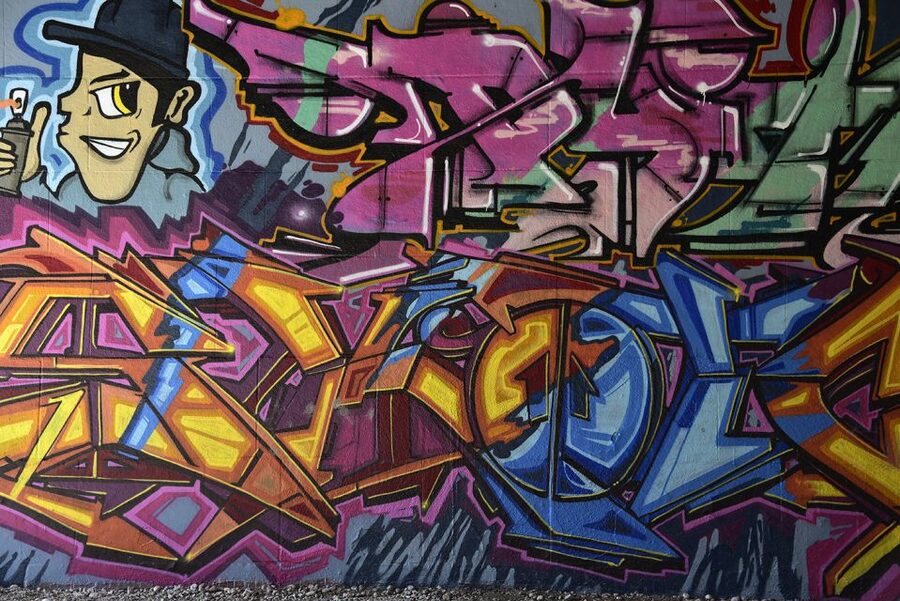
Munich today is tidy, planned, and very good at looking “put together.” That’s exactly why this tour works. You’ll see how the city also became a graffiti mecca in the 1980s, alongside New York, when the movement was still new in Germany.
A bike tour is the right format for street art because it changes how you read a wall. You spot pieces as you approach, then you’re moving on before you overthink it. In places like Munich, that flow matters: the streets, river edges, and neighborhood textures all shape the art you’re seeing.
There’s also a value angle. For $40 and 210 minutes, you’re buying time in the field with a guide plus rental bikes, which is a practical combo if you want more than a quick photo loop.
Marienplatz Start: Find the Yellow Sign and Get Rolling
Your meeting point is in the center at the Tourist Information Office at Marienplatz. Your guide will hold a yellow street art tour sign with red letters, so you can’t easily miss it.
This start matters because Marienplatz is where you can orient fast: you’re already in the heart of the city, and then you’ll peel away from the postcard zone. If you’re the kind of person who likes understanding how a neighborhood changes as you move, this beginning sets you up well.
One practical note: the tour is listed as German, so don’t plan on getting a full English lecture. That said, one rider praised guide Ulrike for explaining carefully even with English speakers in the group. You’ll likely still get plenty of meaning from the walking, pointing, and the visuals, not just the language.
The Isar River Ride: Street Art You Can Actually Follow
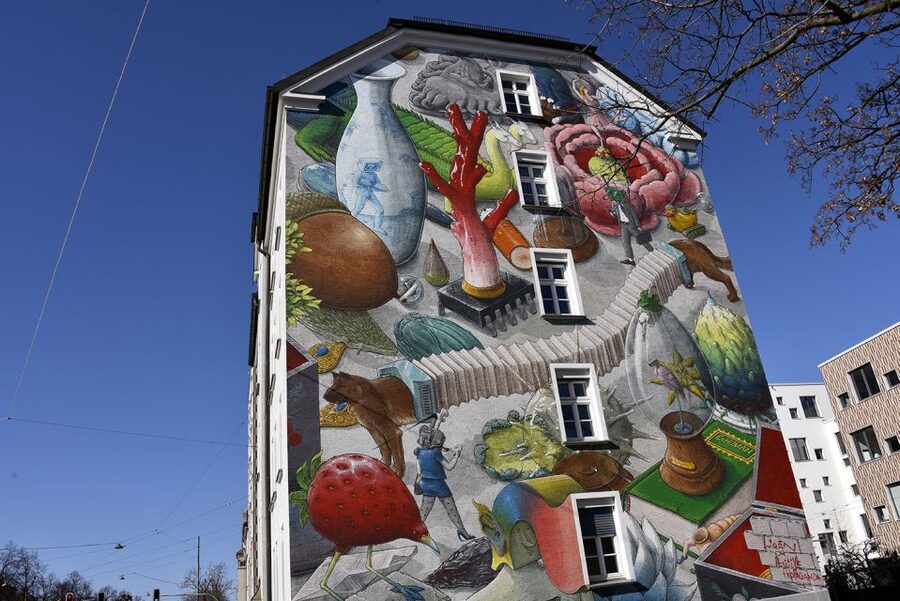
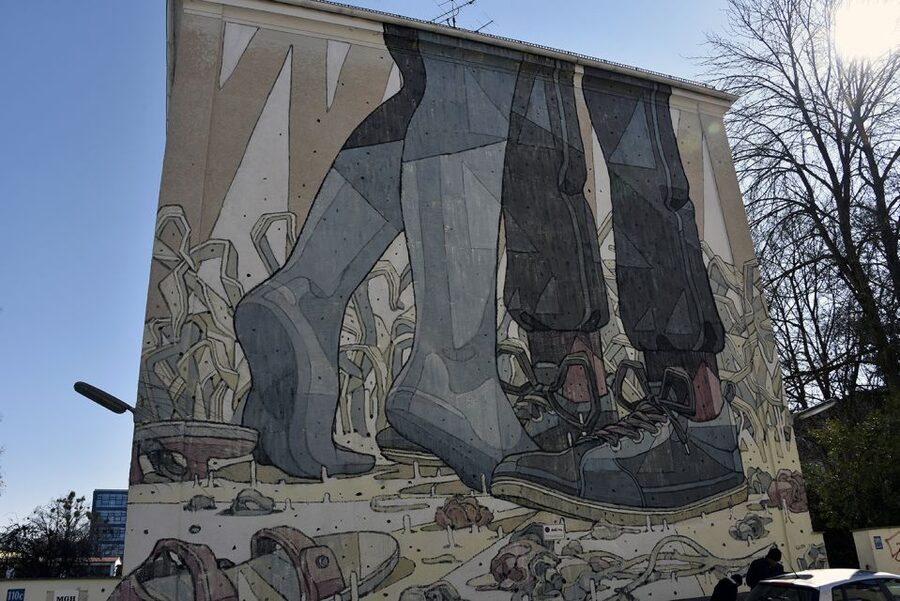
Once you’re moving, the tour takes you along the Isar river, where artists have left their marks. This isn’t just scenic. The river corridor gives you long, linear sightlines, so you can spot works in context rather than as isolated images.
I like that the river setting changes the mood. Walls near water often feel more “in public,” like they’re part of daily life rather than gallery display. You’ll be able to notice how the art sits against building materials, fences, and the changing crowd patterns along the river.
A small drawback to consider: riverside paths can be busy depending on the time and weather, so you’ll want to stay alert and ride predictably. If you’re nervous on a bike with others around, try to be confident before the tour starts.
More saddle time around Munich
- Munich 3-Hour Guided Bike Tour
★ 4.5 · 1,731 reviews - Classic Mike’s Bike Tour daily @ 11.30 incl Beer Garden & Surfers
★ 5.0 · 1,246 reviews - Neuschwanstein Castle by Bus Incl. Bike Ride or Hohenschwangau
★ 5.0 · 607 reviews
Giesing’s Working-Class Walls: Munich Away From the Postcard Lines
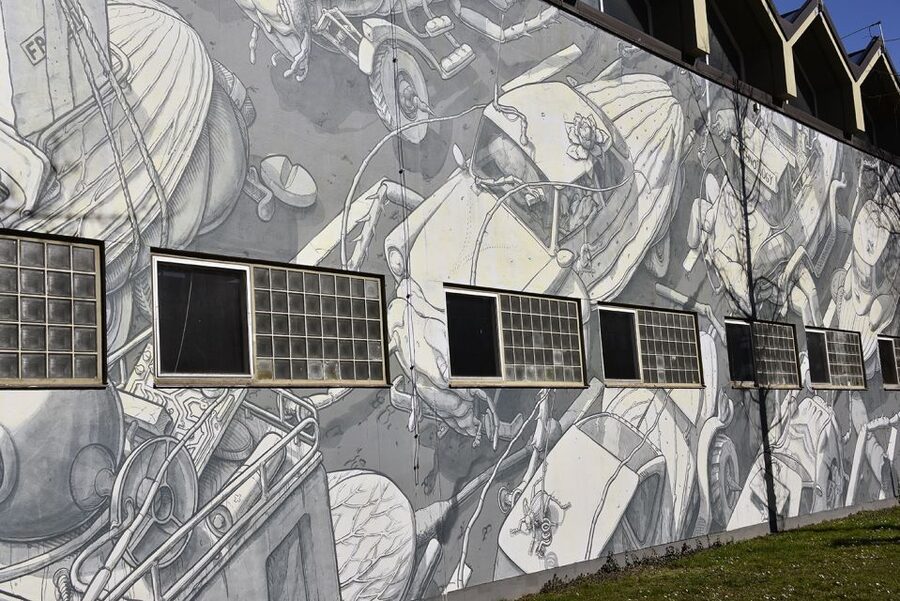
After the river, the tour moves you “far away from the tourist crowds” toward Giesing, described as a former working-class neighborhood. This is where the street art story feels more grounded. The art isn’t floating in a vacuum; it’s responding to real city life, local spaces, and the way people use the neighborhood.
Giesing is a smart choice because it’s close enough to feel like Munich, but different enough that the walls start telling a different story. You’ll get that contrast you want: central Munich gives way to a more everyday texture, and the art reads differently when it’s surrounded by the kind of streets locals actually rely on.
One thing to watch: because this section is about neighborhood walking and biking, you’ll want comfortable shoes and a phone strap or case if you’re taking pictures while rolling to stops. The art is the point, but you still need safe movement between locations.
Toward the Slaughterhouse District: Industrial Vibes and Story Layers
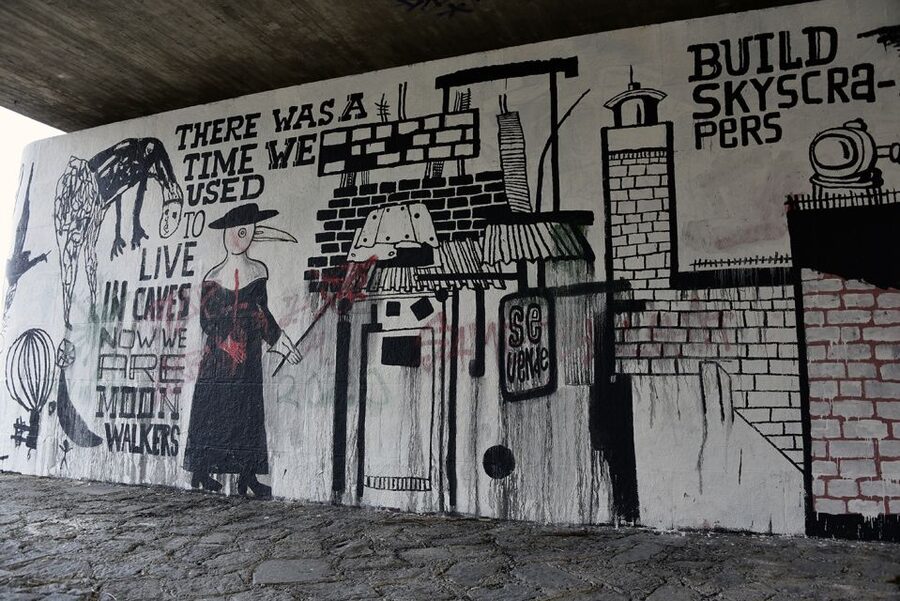
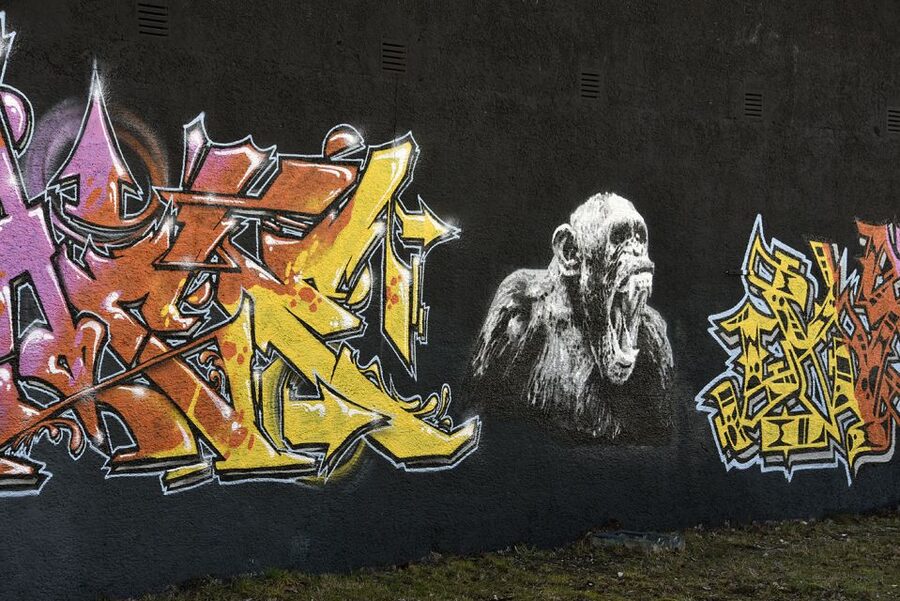
From Giesing, the tour heads toward the slaughterhouse district area. Industrial zones can be hit-or-miss on tours, but here the payoff is that graffiti often thrives in places where walls feel “meant for statements.” You’ll likely notice how materials and shapes influence what artists choose to paint.
Even if you aren’t a graffiti expert, you’ll get the sense of why this style took hold. It’s public communication, often created without the permission pipeline that traditional art depends on. When you stand in spaces like this, it becomes easier to understand why the movement spread and why certain cities got called meccas.
If you’re sensitive to harsh weather, this is another reason to dress smart. Industrial districts and river-adjacent areas can feel colder or windier, especially if the day is damp. You don’t want the ride to become a test of endurance.
The Boat Break by a Railway Bridge: A Smart Pace Reset
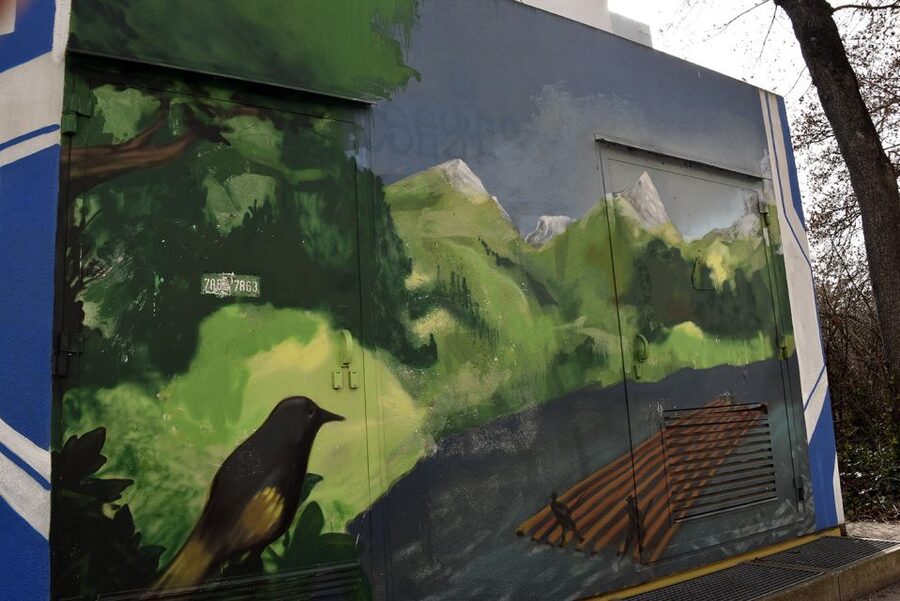
Midway through, the tour includes a break on a boat at a railway bridge. This is more than a cute pause. It breaks up the “constant scanning” feeling you can get on street-art tours, where your eyes keep moving and your brain keeps labeling.
I like breaks like this because they also help you take in how the city connects. The art is one part of the story, but so is how people and infrastructure shape the spaces where that art appears.
The only consideration here is simple: if it’s cold or rainy, you’ll want layers. You’ll get a rest, but it’s still outdoors enough that comfort matters.
Graffiti History That Stays Practical (Not Just Facts)
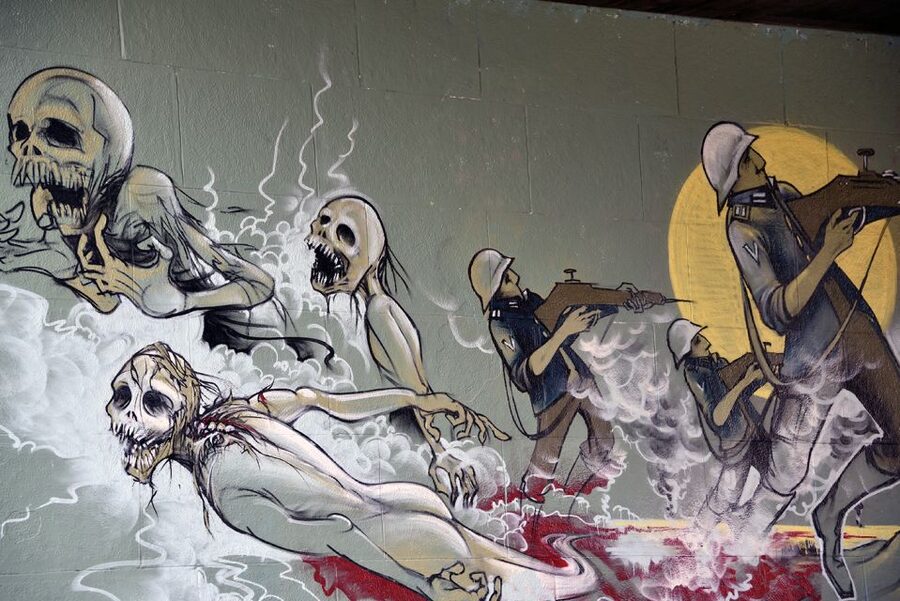
The tour’s big promise is that you’ll learn facts about the history of graffiti, especially how Germany’s movement developed in the 1980s. What makes this valuable is that it frames the art you see as part of a timeline, not random color on a wall.
You’ll pass works made by the older “masters” who shaped the culture, and you’ll also see newer pieces from up-and-coming street artists. That contrast helps you understand what changes over time—styles, references, and how artists approach visibility.
One of the best “aha” details from a rider’s notes: the tour included an Aldi advertisement in the Weinbauernstraße made with fotokatalytischer Farbe (photocatalytic color). If that seems like a weird side note, it isn’t. It shows how street visuals can intersect with technology and production, even when the message style feels street-first.
Also, since your guide is handling the story, you’ll be less likely to miss what you’re looking at. One review singled out Ulrike for sharing lots of information and putting real effort into explanations. That’s the difference between seeing graffiti and understanding the choices behind it.
Guides and Bikes: The Real “Comfort Features”
You get rental bikes included, and at least one rider specifically praised how comfortable the bikes felt. That matters because the tour duration is 210 minutes, so you don’t want to spend half the time fighting your equipment.
The guide experience is also a major strength. Multiple reviews emphasized both knowledge and communication effort. One rider noted that even with a German-language tour, Ulrike worked hard to explain things for English speakers.
There’s also private group availability, which can be a lifesaver if you’re traveling with friends or want more flexibility. One booking reported that rainy weather turned their group tour into a private one. You can’t count on that outcome, but it’s a reminder that conditions can affect how the tour feels in practice.
Price Check: Is $40 Worth 3.5 Hours?
Let’s talk value, because $40 can be either a steal or a question mark depending on what’s included. Here, you’re paying for a local guide plus bike rental, and you’re spending 210 minutes moving between multiple street-art zones.
Compared with solo wandering, the cost buys you two things fast: context and efficiency. Instead of guessing where the good walls are, you’re led from spot to spot with an explanation of the scene. That saves time, and it reduces the risk of walking past important art without understanding why it’s there.
And the rating—4.6 from 66 reviews—doesn’t mean perfection, but it does suggest consistency. The most common positive theme is that people found the tour varied and informative, with guides who put effort into what they’re showing.
Who Should Book (and Who Might Skip It)
This tour is not listed as suitable for children under 10 and it’s not suitable for wheelchair users. Also, alcohol and drugs are not allowed, which is standard and keeps the vibe focused.
Age and endurance are your real practical filters. One rider with a 12-year-old said the tour was a bit long for their son, even though younger kids in their group enjoyed it. That points to a simple truth: 210 minutes is long enough that kids need patience for the ride and frequent pauses.
If you love street art, like biking, and you want the story behind the visuals, this is a great fit. If you prefer walking-only sightseeing, or you don’t ride comfortably for extended stretches, you might want to look for a shorter or lower-intensity alternative.
Rain, Photos, and Common Sense Packing
Munich weather can shift quickly, so I’d plan like you’ll encounter at least a little unpredictability. Bring a light waterproof layer if the forecast looks iffy, and use secure storage for your phone. You’ll want photos, but don’t turn it into a stop-everywhere mission—you’re on a route.
For pictures, you’ll get better results when you pause briefly rather than trying to shoot while rolling. Also, street art often shows its best detail close up, so keep an eye on layering and texture, not just color.
And if you’re traveling with someone who isn’t a street-art person: this tour still works because it changes locations and includes the boat break. It keeps moving, which helps people stay engaged even if they don’t care about graffiti history.
Should You Book the Munich Street Art Bike Tour?
Book it if you want an alternative Munich that actually makes sense of the city’s 1980s graffiti momentum, and you’re happy to spend a bit over three hours on a bike. The combination of guide-led storytelling, Isar river scenery, neighborhood variety like Giesing, and the boat break by the railway bridge is a strong mix for the price.
Skip it if you need wheelchair access, you’re traveling with kids under 10, or you don’t handle longer cycling time well. Also consider the language: the tour guide is German, so plan on communicating with your eyes and questions, not expecting every point translated line-by-line.
If you fit the biking-and-art profile, this is one of the more practical ways to see Munich’s street scene in context.
FAQ
Where is the meeting point for the tour?
Meet your local guide in front of the Tourist Information Office at Marienplatz. The guide will be holding a yellow street art tour sign with red letters.
How long is the street art bike tour?
The duration is 210 minutes.
Is a bike rental included?
Yes. Rental bikes are included.
What language is the live tour guide?
The live tour guide is German.
Is this tour suitable for children?
It’s not suitable for children under 10.
Can I cancel and get a refund?
Free cancellation is offered up to 24 hours in advance for a full refund.
More Bike Rides Through Munich

More Munich Street-Art Walks
Just added to the Munich Explorer notebook
Cycling Tours, compared.
 ★ 4.5Munich 3-Hour Guided Bike TourFrom $401,731 reviews
 ★ 5.0Classic Mike’s Bike Tour daily @ 11.30 incl Beer Garden & SurfersFrom $421,246 reviews
 ★ 5.0Neuschwanstein Castle by Bus Incl. Bike Ride or HohenschwangauFrom $78607 reviews
 ★ 4.7Guided City Tour by Bike with Beer Garden StopFrom $53604 reviews
 ★ 4.5Munich Small-Group Bike TourFrom $54510 reviews
 ★ 4.7Munich by Bike: Half-Day Tour with Local GuideFrom $53417 reviews
 ★ 4.9Munich Essentials Bike TourFrom $37401 reviews
 ★ 4.9Bike Tour with Beer Garden BreakFrom $47391 reviews
Browse the lists this tour appears in