

Reviewed · MUNICH RESIDENZ TOURS
Munich Residenz: Private Tour with artists and historians
Royal rooms, told by art. A private guide turns the Munich Residenz into a live story with painting-focused context as you walk through 139 rooms. I especially love how the tour links what you see on the walls to what it meant for Munich and its rulers.
I also like the way the guide connects big Munich themes—especially Ludwig II and Richard Wagner and the surprising pull toward Oktoberfest traditions—back to the palace rooms. One thing to consider: it’s designed as a structured interior-and-exterior visit in a short window, so if you want lots of free time wandering on your own, this may feel a bit tight.
In This Review
- Key Highlights You’ll Feel During the Tour
- Entering the Munich Residenz Like You Have a Key
- 139 Rooms, But It Still Feels Guided
- The Green Gallery: Where Paintings Get Real-World Explanation
- The Wittelsbach Years: Learning What Life in the Palace Actually Meant
- King Ludwig II’s Garden and the Mood of the Place
- Oktoberfest Traditions: The Surprise Link to Court Life
- Ludwig II and Richard Wagner: The Palace as a Stage for Art
- What Happened Outside: WWII Damage and the Exterior Story
- Who Gets the Most Out of This Private Artist-History Tour
- Price and Value: Is $160 Per Person a Good Deal?
- Timing, Pace, and What to Expect When It’s Rainy
- Should You Book This Munich Residenz Private Tour?
- FAQ
- How long does the Munich Residenz private tour take?
- Where do I meet the guide?
- Is museum entry included?
- What’s included in the tour price?
- What languages are available?
- Is the tour wheelchair accessible?
- What’s the cancellation and payment flexibility?
Key Highlights You’ll Feel During the Tour
- Artist-led perspective: you get art interpretation, not just facts
- Green Gallery focus: paintings get explained with technical background
- Wittelsbach family stories: where Munich’s rulers lived and made decisions
- Ludwig II + Richard Wagner connection: one royal thread through another art form
- Oktoberfest traditions tie-in: you’ll see why the palace matters to modern celebrations
- WWII exterior history: the building’s survival adds weight to the grandeur
Entering the Munich Residenz Like You Have a Key
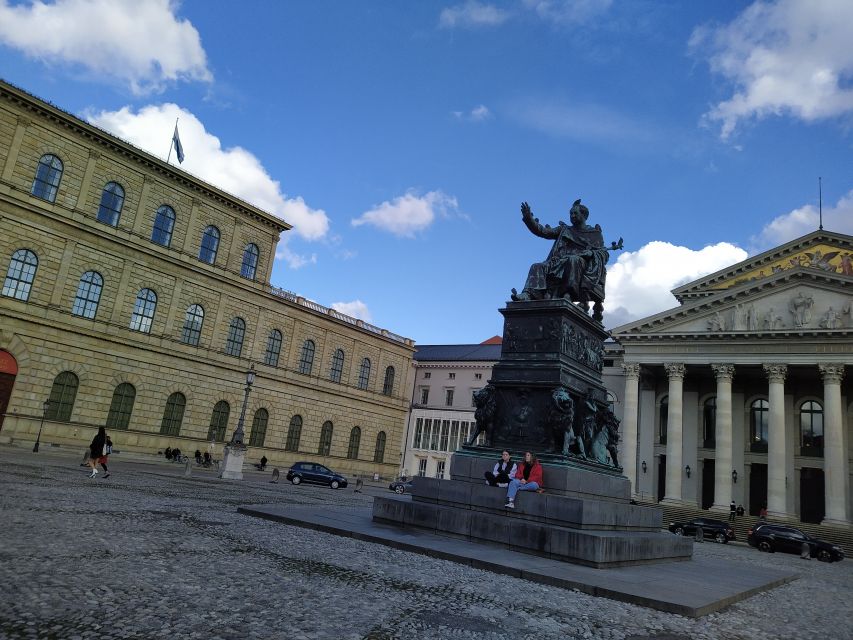
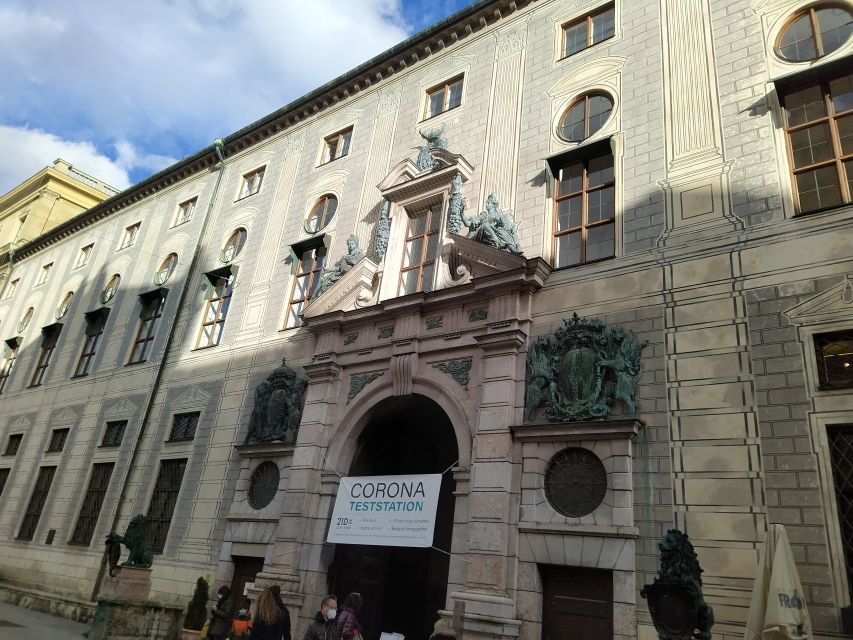
The Munich Residenz isn’t “just” a museum. It’s a palace where political life, court taste, and personal obsessions all left their marks. What makes this private format work is that you don’t get a generic walk-through—you get a guide who can explain why rooms look the way they do, and how art and power sat side by side.
Meeting your guide in front of the Munich Residenz sets the tone: you’re not standing around waiting for a crowd. This is a private group experience, so your pace stays human. The tour runs about 2 hours (with availability up to 3 hours), which is long enough to see key spaces without dragging.
I’d pack this tour into days when you also want to understand Munich beyond beer halls—think old Bavarian identity, royal symbolism, and the stories that shaped the city’s image.
139 Rooms, But It Still Feels Guided
You’re touring 139 rooms, but you won’t be stuck in the awkward “museum maze” feeling. The private artist guide leads you through a curated route so you know what to notice as you go—paintings, wall art, and the clues hidden in design choices.
This is where the artist angle pays off. An artist can point out things a standard docent might rush past: why a painting’s visual structure works, what style choices signal, and how court taste was reflected in everyday spaces. If you like art with context—why something was painted a certain way—this tour style tends to click.
Practical note: you’ll want comfortable shoes. The route includes moving through rooms and back outside afterward. Also, luggage or large bags aren’t allowed, so travel light.
The Green Gallery: Where Paintings Get Real-World Explanation
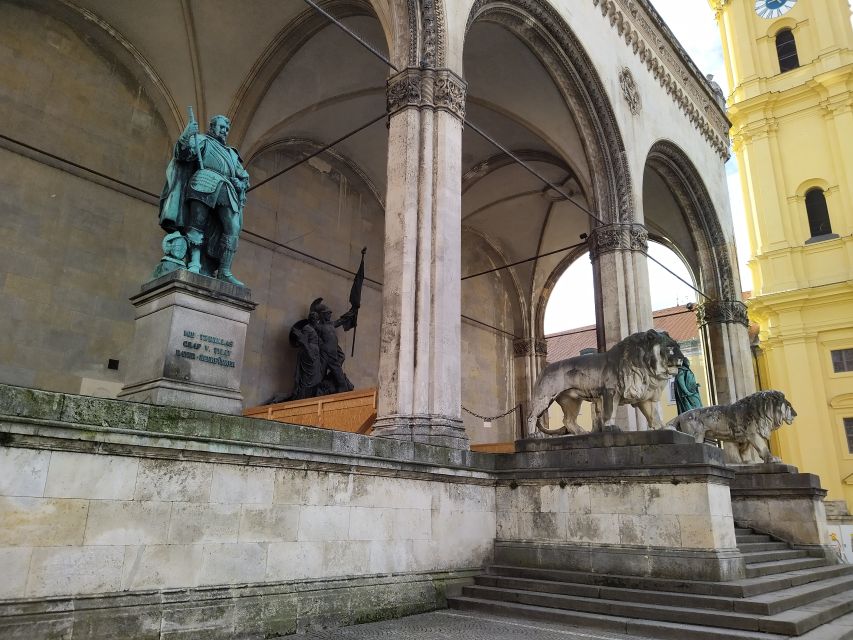
If I had to pick a single stop that anchors the whole visit, it’s the Green Gallery. This is highlighted as a real focus, with the guide explaining “different paintings” and giving technical background rather than just pointing and moving on.
That matters because, in a place like the Residenz, the art can blur together if nobody helps you read it. In the Green Gallery, you get a framework: what to look for in composition and presentation, and how the court used visual culture to project identity. It’s the kind of stop that can make the rest of the building click, because suddenly you see art as part of a system—not decorations sprinkled across rooms.
One of the strongest signals from past guests is that the guides keep a steady pace and don’t make you feel rushed. That’s ideal here. Paintings need a few moments each, and a good guide makes sure you don’t sprint past your favorites.
The Wittelsbach Years: Learning What Life in the Palace Actually Meant
You’ll spend time with the Wittelsbach story—the royal family tied to Munich’s rise and the palace’s role in Bavarian life. The tour frames early years of the family and shows you where they lived and how those spaces likely felt in practice, not just as architectural highlights on a brochure.
This is the “history that sticks” part. Instead of only naming rulers, the guide connects rooms to the idea of residence: power isn’t abstract when you can walk the hall where it was displayed. You learn how the palace functioned as a living stage for governance, status, and ritual.
It’s also where the tour becomes more than viewing. One review specifically mentioned connections between Bavarian and Greek history through mythology. That’s the kind of cross-thread that an artist-historian combo can bring to life—suddenly your tour isn’t limited to one timeline.
King Ludwig II’s Garden and the Mood of the Place
One of the standout moments is the garden connected to King Ludwig II. Even if you aren’t a hardcore palace-garden person, this part of the tour helps you understand Ludwig’s world. The setting encourages reflection, but the guide doesn’t leave it vague—you connect landscape and design choices back to the historical events tied to the palace.
Ludwig II is one of those figures who can feel larger than life. Here, you’re given a way to keep him human enough to understand why his choices mattered in real time. And once you understand that, the rest of the tour’s art and tradition details make more sense.
Also, since the tour runs rain or shine, plan for indoor pacing if the weather turns. The palace itself is made for it.
Oktoberfest Traditions: The Surprise Link to Court Life
The Residenz tour doesn’t treat Oktoberfest as a separate modern festival. Instead, you’ll hear about Oktoberfest traditions and how they connect back to the residence. That connection is valuable because it reframes the festival.
Instead of thinking of Oktoberfest as just a yearly event, you get to see it as part of a longer Munich pattern: ceremony, public identity, and royal-era symbolism that echoes forward. A guide with an art-and-history lens makes this easier to grasp—because you can match tradition to the types of rooms, artworks, and court themes you’ve just seen.
If you’re visiting Munich around Oktoberfest season, this stop helps you understand the “why” behind the pageantry. If you’re visiting any other month, it still gives you a reason to care about symbols and traditions in the palace.
Ludwig II and Richard Wagner: The Palace as a Stage for Art
One of the tour highlights explicitly calls out the interesting affair between King Ludwig II and Richard Wagner. This topic matters in a palace tour because Ludwig II wasn’t just commissioning buildings—he was shaping cultural life through patronage and personal relationships.
Hearing this story while you’re physically inside the spaces tied to Ludwig’s era gives you a better sense of what kind of environment could attract a composer like Wagner. You’re not reading about patronage from a distance—you’re learning how court culture could become personal obsession, and how that personal obsession influenced art.
In tours like this, it’s easy to get swept into names and dates. The better guide keeps it grounded in the palace experience. Based on the way guides have been praised for keeping context calm and clear, you can expect a story arc instead of a list.
What Happened Outside: WWII Damage and the Exterior Story
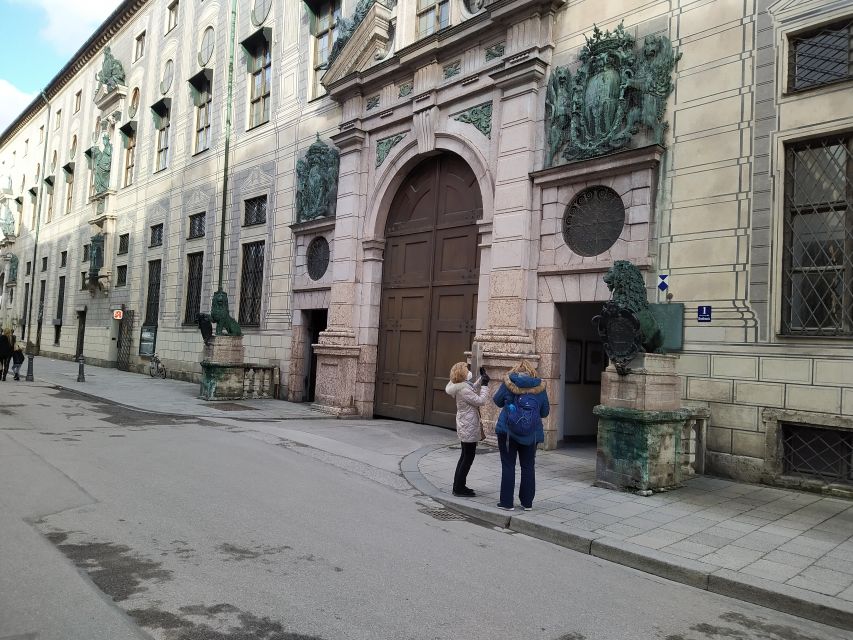
After the interior tour, you’ll learn about the exterior and how the palace was nearly destroyed during WWII. This doesn’t need to be dramatic to be powerful. When you step outside after seeing the rooms, the building’s survival becomes a fact you can feel in the stone.
This part adds weight to the grandeur. It also changes how you interpret restoration and continuity. The Residenz isn’t only a display of royal taste; it’s a place that had to be carried into the present—meaning what you’re seeing now is shaped by both royal design and 20th-century history.
That’s a meaningful contrast to many “pretty” palace visits. You leave with an understanding that survival is part of the story too.
Who Gets the Most Out of This Private Artist-History Tour
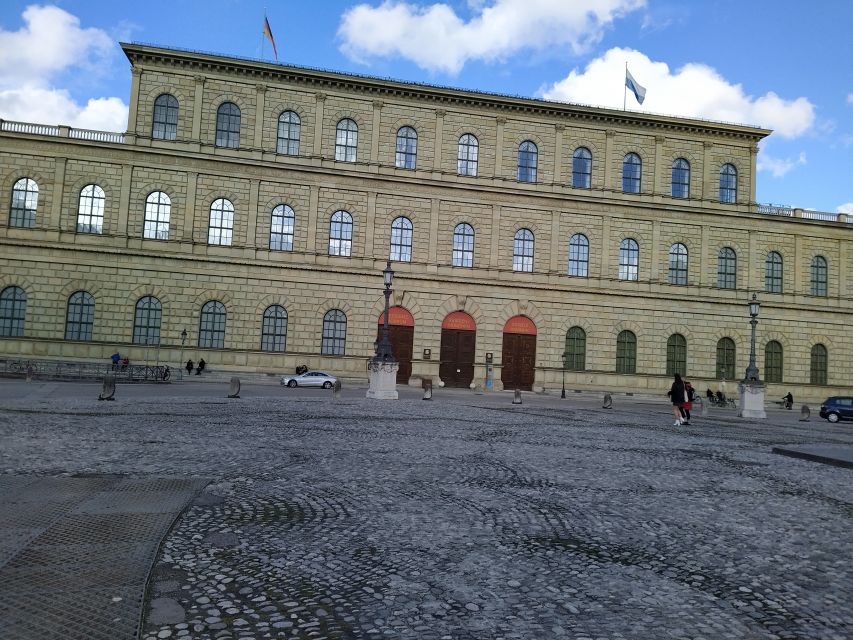
This is a great match if you want your Munich experience to have depth but still feel enjoyable. You’ll likely love it if you:
- enjoy art and want help reading paintings, not just seeing them
- like history that connects to place (where rulers lived and how that shaped Munich)
- want a shorter, high-impact visit rather than a full museum day
- appreciate a calm pace and explanations that don’t rush you
The reviews are consistent on pace and guidance style—especially the idea that the tour is guided room-to-room with attention to stories and background. One guest also singled out getting helpful suggestions at the end, including a great place for Bavaria food and wine. That kind of local nudge can make the tour feel like it ends with momentum, not “thanks, goodbye.”
Not sure you’ll love it? If you’re the kind of visitor who wants to wander freely for hours and pick your own highlights, the structure and time window may feel limiting.
Price and Value: Is $160 Per Person a Good Deal?
At $160 per person for a private tour over about 2–3 hours, the value comes from what’s included: a professional guide and a private setting that turns the Residenz into a personalized walkthrough.
This price makes more sense when you compare it to the cost of doing it solo plus your time plus guesswork. With a guide, you’re not paying extra to “buy entry”—you’re paying for the interpretation: the art technical background, the family stories, and the way themes like Oktoberfest and Wagner are tied to the building.
One important cost detail: museum entry isn’t included. So you’ll want to factor that into your total plan. If you already plan to visit anyway, this tour can be a smart way to make your ticket time count.
In plain terms: if you care about art context and palace stories, you’ll feel the value quickly.
Timing, Pace, and What to Expect When It’s Rainy
The tour is designed to function rain or shine, which is a relief because palaces are best experienced with fewer weather surprises. You’ll move through rooms and then address exterior history afterward.
Because the duration is relatively short, the guide likely focuses on high-impact spaces rather than treating every corner equally. That’s not a flaw—it’s how you get a coherent story. If you want a lot of extra time in your top 1-2 rooms, plan a second visit on a different day or allow time afterward to revisit any standout areas.
Finally: it’s not for kids under 10. If you’re traveling with younger children, you may want a different style of tour.
Should You Book This Munich Residenz Private Tour?
I’d book it if you want a Munich palace visit with an art lens and a story arc. The Green Gallery focus, the Ludwig II and Richard Wagner connections, and the Oktoberfest-to-court link are the kind of details that make the Residenz feel like a living part of the city, not a distant exhibit.
Skip it if your goal is mostly to look around at your own pace for a long time. This tour is structured, guided, and intentionally compact.
If you like your travel days with one strong “anchor experience,” this one fits: you’ll leave understanding how Bavarian identity, royal patronage, and art all spoke to each other inside these walls.
FAQ
How long does the Munich Residenz private tour take?
The tour duration is about 2 to 3 hours, depending on the available starting times.
Where do I meet the guide?
Meet your guide in front of the Munich Residenz.
Is museum entry included?
No. Museum entry is not included, but the tour includes skipping the ticket line.
What’s included in the tour price?
You get a professional guide and a private tour.
What languages are available?
The live tour guide offers English and German.
Is the tour wheelchair accessible?
Yes, the tour is listed as wheelchair accessible.
What’s the cancellation and payment flexibility?
You can cancel up to 24 hours in advance for a full refund. It also offers reserve now & pay later, meaning you pay nothing today.
Munich Residenz Tours, compared.
 ★ 4.6Classical Concert at the Residenz PalaceFrom $45299 reviews
 ★ 4.8Residenz Palace and Hofgarten Skip-the-Line TourFrom $64148 reviews
 ★ 4.4Concert in the Court Chapel of the ResidenzFrom $50108 reviews
 ★ 4.9Gala Concert in the Cuvilliés TheatreFrom $115101 reviews
 ★ 4.4Nymphenburg Palace OR Residenz Guided TourFrom $2431 reviews
 ★ 5.0Munich Residenz Palace and Hofgarten Skip-the-line 2,5h TourFrom $6623 reviews
 ★ 5.0Residence Munich Private Tour including entrance ticketFrom $16616 reviews
 ★ 4.9Residenz Palace, Museum and Treasury Private TourFrom $27915 reviews
Browse the lists this tour appears in